



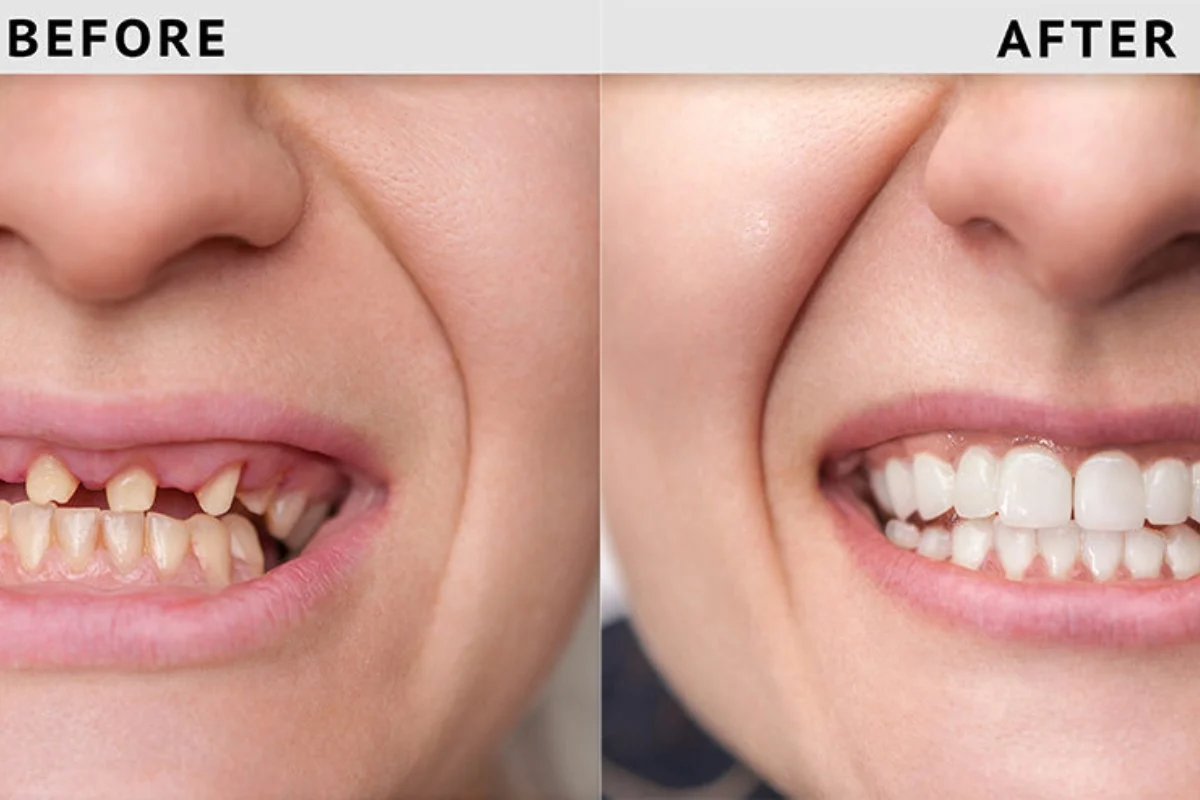

How long do you go without teeth when getting implants? This is a common concern for patients considering dental implant treatment, as the time without teeth can significantly impact appearance, comfort, and daily life. At Albania Dental Implants, we understand these concerns and offer various solutions to minimise or even eliminate this waiting period. We provide high-quality dental implant services with a focus on patient comfort and satisfaction.
Dental implants are a fantastic long-term solution for missing teeth, improving both your smile and your oral health. Understanding the process and timeline helps you plan effectively and explore available options to manage the time without your permanent teeth.
This comprehensive guide will cover everything you need to know about the dental implant timeline, temporary solutions, and factors that can influence the duration. Discover how Albania Dental Implants can help you achieve a confident, healthy smile with minimal disruption to your life.
How long do you go without teeth when getting implants?
The waiting period is a critical consideration when exploring dental implants. Let’s explore the dental implant process overview. The exact duration varies based on individual circumstances, but understanding the general timeline can ease your concerns.
Dental implant process overview
The dental implant process typically involves several stages, each with its own timeframe:
- Initial Consultation and Assessment: A thorough examination, including X-rays and scans, to determine if you are a suitable candidate for dental implants. This will determine the need for procedures such as bone grafting in Albania.
- Tooth Extraction (if necessary): If the tooth is still present, it needs to be extracted.
- Socket Healing: The bone needs time to heal after extraction, typically a few weeks to months.
- Implant Placement: The dental implant is surgically placed into the jawbone.
- Osseointegration: The implant fuses with the jawbone, which can take several months.
- Abutment Placement: A connector is attached to the implant to hold the crown.
- Final Crown Placement: A custom-made crown is attached to the abutment, completing the process.
The overall process can take anywhere from a few months to over a year, depending on individual needs and healing times.
Average waiting period between tooth extraction and implant placement
The average waiting period between tooth extraction and implant placement is typically around 3 to 6 months. This allows the extraction site to heal properly and ensures a stable foundation for the implant. However, this timeframe can vary based on several factors, including:
- Bone Density: If you have sufficient bone density, immediate implant placement might be possible.
- Gum Health: Healthy gums are essential for successful implant integration.
- Overall Health: Medical conditions and lifestyle factors can affect healing times.
In some cases, immediate implant placement is possible, which significantly reduces the waiting time. This involves placing the implant immediately after tooth extraction, minimising the time you are without a tooth.
Temporary solutions during the waiting phase
To manage the appearance and function during the waiting period for dental implants, several temporary solutions are available:
- Temporary Dentures: Removable dentures that replace missing teeth.
- Partial Dentures: Similar to full dentures, but designed to replace only a few missing teeth.
- Flipper Teeth: A single tooth replacement option, often used for front teeth.
- Dental Bridges: A fixed option that anchors to adjacent teeth.
These temporary solutions help maintain your smile and allow you to eat and speak comfortably while waiting for the final restoration.
Dental Implant Procedure: Timeline and Steps
Understanding the dental implant timeline is crucial for planning your treatment. This section breaks down each step in detail, from the initial consultation to the final crown placement.
Initial consultation and assessment
The first step in the dental implant procedure steps is a comprehensive consultation. During this appointment, the dentist will:
- Review Your Medical History: Discuss any existing medical conditions and medications.
- Perform a Thorough Examination: Evaluate your teeth, gums, and jawbone.
- Take X-rays and Scans: Assess bone density and identify any potential issues.
- Discuss Treatment Options: Explain the different types of implants and procedures available.
- Create a Customised Treatment Plan: Tailor the plan to your specific needs and goals.
This initial assessment is essential to determine if you are a suitable candidate for dental implants and to plan the most effective treatment approach.
Tooth extraction and socket healing
If a tooth needs to be extracted, the next step involves the tooth extraction and implants process.
- Extraction: The tooth is carefully removed, minimising trauma to the surrounding bone and tissue.
- Socket Preservation: A bone graft may be placed in the socket to preserve bone volume and density.
- Healing: The extraction site is allowed to heal for several weeks to months.
Proper socket healing is critical for successful implant placement. Adequate bone volume and density are necessary to support the implant and ensure long-term stability.
Implant placement and osseointegration
Once the socket has healed, the dental implant is surgically placed into the jawbone. This is a precise procedure that requires careful planning and execution. Osseointegration is the process where the implant fuses with the jawbone.
- Implant Placement: The dentist makes a small incision in the gum tissue and drills a pilot hole in the bone. The implant is then carefully screwed into place.
- Osseointegration: Over the next few months, the bone grows around the implant, creating a strong and stable foundation. This process typically takes 3 to 6 months.
During osseointegration, it is important to avoid putting excessive pressure on the implant. A temporary crown or denture may be used to protect the implant and maintain aesthetics.
Abutment placement and final crown
After osseointegration is complete, the abutment is attached to the implant.
- Abutment Placement: The dentist makes a small incision to expose the implant and attaches the abutment. This connector will hold the final crown in place.
- Final Crown: A custom-made crown is created to match the shape, size, and colour of your natural teeth. The crown is then attached to the abutment, completing the dental implant process.
The final crown should fit seamlessly with your existing teeth, providing a natural-looking and functional restoration.
How timing varies depending on individual cases
The dental implant timeline can vary significantly depending on individual circumstances. Factors that can affect the timing include:
- Bone Density: Patients with low bone density may require bone grafting, which adds to the overall treatment time.
- Gum Health: Gum disease or other oral health issues need to be addressed before implant placement.
- Medical Conditions: Certain medical conditions, such as diabetes, can affect healing times.
- Smoking: Smoking can impair healing and increase the risk of implant failure.
At Albania Dental Implants, we carefully assess each patient’s individual needs and create a customised treatment plan to ensure the best possible outcome.
Temporary and Immediate Solutions Between Extraction and Implant
The waiting period between extraction and implant can be challenging. Fortunately, there are several temporary solutions after extraction and even immediate implant placement options available to minimise the time you are without teeth.
Temporary dentures and partials
Temporary dentures and partials are removable appliances that replace missing teeth during the healing phase. They provide a temporary solution for aesthetics and function.
- Temporary Dentures: Replace all teeth in an arch and are held in place by suction and adhesives.
- Partial Dentures: Replace one or more missing teeth and are attached to adjacent teeth with clasps.
These options allow you to maintain a natural-looking smile and eat and speak comfortably while waiting for your permanent implants.
Flipper teeth
Flipper teeth are removable appliances designed to replace a single missing tooth, typically in the front of the mouth.
- Aesthetics: Flipper teeth are designed to blend in with your natural teeth, providing a seamless appearance.
- Comfort: They are lightweight and relatively comfortable to wear.
While flipper teeth are a convenient temporary solution, they are not intended for long-term use.
Same-day/immediate implants: who is eligible?
Same-day dental implants, also known as immediate loading implants, are placed immediately after tooth extraction.
- Ideal Candidates: Patients with good bone density and healthy gums.
- Procedure: The implant is placed into the socket immediately after extraction, and a temporary crown is attached.
- Benefits: Reduced treatment time, fewer surgical procedures, and immediate aesthetic improvement.
Immediate loading dental implants in Albania are a great way to quickly restore your smile. Not everyone is a candidate for same-day implants. A thorough evaluation is necessary to determine eligibility.
Risks and benefits of immediate vs delayed implants
Both immediate and delayed implants have their own set of risks and benefits.
- Immediate Implants:
- Benefits: Shorter treatment time, fewer procedures, immediate aesthetic improvement.
- Risks: Higher risk of implant failure if osseointegration is compromised.
- Delayed Implants:
- Benefits: Lower risk of implant failure, more predictable osseointegration.
- Risks: Longer treatment time, multiple procedures.
The choice between immediate and delayed implants depends on individual factors such as bone density, gum health, and overall health. Your dentist will help you determine the best option for your specific needs.
Factors Affecting How Long You Go Without Teeth
Several factors can influence the duration of the waiting period. Understanding these factors can help you prepare for the dental implant process. Let’s consider the healing period for dental implants.
Bone loss and need for bone grafting
Bone loss is a common issue that can affect the success of dental implants.
- Cause: Bone loss can occur due to tooth extraction, gum disease, or trauma.
- Impact: Insufficient bone volume can compromise implant stability and osseointegration.
- Solution: Bone grafting is a procedure that restores bone volume and density. This could be required for multiple implants with bridges in Albania.
If bone grafting is necessary, it can add several months to the overall treatment time.
Gum health and healing capacity
Gum health plays a crucial role in the success of dental implants.
- Healthy Gums: Provide a protective barrier against infection and promote proper healing.
- Gum Disease: Can compromise implant stability and increase the risk of failure.
If you have gum disease, it needs to be treated before implant placement. This can add time to the overall process.
Number and location of teeth being replaced
The number and location of teeth being replaced can also affect the timeline.
- Single Tooth Implants: Typically have a shorter treatment time compared to multiple implants.
- Multiple Implants: Require more extensive planning and may involve bone grafting.
- Location: Implants in the upper jaw may take longer to heal than those in the lower jaw.
At Albania Dental Implants, we specialise in providing tailored solutions for all types of dental implant cases.
Age and medical history
Age and medical history can influence the healing process and overall treatment time.
- Age: Older patients may have slower healing times.
- Medical Conditions: Conditions such as diabetes, osteoporosis, and autoimmune diseases can affect implant success.
- Medications: Certain medications can interfere with healing and osseointegration.
A thorough medical evaluation is essential to identify any potential risks and ensure the best possible outcome.
How long does the average patient go without teeth during the dental implant process? The average patient might go without a permanent tooth for 3-6 months, considering the osseointegration period after implant placement. However, this can be mitigated using temporary solutions or immediate implant procedures in suitable cases.
Managing Aesthetics and Comfort While Waiting
Waiting for your dental implants to integrate can be a challenge. However, there are several strategies to manage aesthetics and comfort during this period.
Tips for living without teeth temporarily
Living without teeth temporarily requires some adjustments, but here are some helpful tips for living without teeth temporarily:
- Diet: Eat soft foods that are easy to chew.
- Oral Hygiene: Maintain good oral hygiene to prevent infection.
- Temporary Restorations: Use temporary dentures or flippers to maintain aesthetics and function.
- Avoid Hard or Sticky Foods: These can damage temporary restorations or irritate the gums.
By following these tips, you can minimise discomfort and maintain a positive outlook during the waiting period.
Psychological and social impact
The psychological and social impact of missing teeth can be significant. Many people experience:
- Reduced Self-Confidence: Missing teeth can affect your smile and self-esteem.
- Social Anxiety: Some people may feel self-conscious about their appearance.
- Difficulty Speaking and Eating: Missing teeth can affect speech and chewing ability.
Temporary restorations can help mitigate these effects by restoring your smile and improving your ability to eat and speak comfortably.
Role of temporary restorations
Temporary restorations play a vital role in maintaining aesthetics, function, and psychological well-being during the waiting period.
- Aesthetics: Restore your smile and improve your appearance.
- Function: Allow you to eat and speak comfortably.
- Psychological Benefits: Boost your self-confidence and reduce social anxiety.
Choosing the right temporary restoration can significantly improve your quality of life during the dental implant process.
How do I eat, speak, and smile during the waiting phase? Temporary dentures, partials, or flipper teeth can restore your smile and improve your ability to eat and speak comfortably during the healing period.
Alternatives to Implants for Immediate Tooth Replacement
While dental implants are an excellent long-term solution, there are alternative options for immediate tooth replacement. Let’s compare dental bridge alternatives to implants.
Dental bridges
Dental bridges are fixed restorations that replace missing teeth by anchoring to adjacent teeth.
- Procedure: The adjacent teeth are prepared, and a bridge is cemented in place.
- Benefits: Faster treatment time compared to implants, non-surgical.
- Drawbacks: Requires alteration of adjacent teeth, may not last as long as implants.
Dental bridges are a suitable option for patients who are not candidates for dental implants or who prefer a faster treatment time.
Removable partial dentures
Removable partial dentures are appliances that replace missing teeth and are held in place by clasps that attach to adjacent teeth.
- Procedure: A custom-made denture is created to fit your mouth and replace the missing teeth.
- Benefits: Non-surgical, relatively inexpensive.
- Drawbacks: Can be uncomfortable, may affect speech and eating, requires daily removal and cleaning.
Removable partial dentures are a more affordable alternative to dental implants and bridges.
Pros and cons compared to dental implants
Comparing the pros and cons of dental implants to alternatives helps you make an informed decision.
- Dental Implants:
- Pros: Long-lasting, natural-looking, do not affect adjacent teeth, improve bone density.
- Cons: Longer treatment time, more expensive, surgical procedure.
- Dental Bridges:
- Pros: Faster treatment time, non-surgical.
- Cons: Requires alteration of adjacent teeth, may not last as long as implants.
- Removable Partial Dentures:
- Pros: Non-surgical, relatively inexpensive.
- Cons: Can be uncomfortable, may affect speech and eating, requires daily removal and cleaning.
Your dentist can help you weigh the pros and cons of each option and determine the best solution for your specific needs and preferences.
What are the alternatives if I don’t want to go without teeth? Dental bridges and removable partial dentures are alternatives that provide immediate tooth replacement, avoiding any period without teeth.
The Final Restoration: Getting Your Permanent Teeth
The ultimate goal of the dental implant process is to receive your final restoration and enjoy a confident, healthy smile.
Timing for final crown placement
The timing for final crown placement depends on the osseointegration process.
- Osseointegration: Typically takes 3 to 6 months.
- Abutment Placement: After osseointegration, the abutment is attached to the implant.
- Final Crown: The final crown is placed a few weeks after abutment placement.
The total time from implant placement to final crown can range from 4 to 9 months.
Expected results and maintenance
With proper care and maintenance, dental implants can last a lifetime.
- Natural-Looking Smile: Dental implants provide a seamless and natural-looking restoration.
- Improved Function: You can eat and speak comfortably.
- Enhanced Self-Confidence: A confident smile can boost your self-esteem.
To ensure the longevity of your dental implants, it is important to:
- Practice Good Oral Hygiene: Brush and floss daily.
- Regular Dental Check-ups: Visit your dentist for regular cleanings and check-ups.
- Avoid Smoking: Smoking can compromise implant stability.
Longevity of dental implants
Longevity of dental implants is one of the primary benefits of this treatment option.
- High Success Rate: Dental implants have a high success rate, with many lasting for decades.
- Long-Term Solution: With proper care, dental implants can be a permanent solution for missing teeth.
Investing in dental implants is an investment in your long-term oral health and quality of life.
What should I expect during the healing and integration process? During healing, expect some initial discomfort which can be managed with medication. The implant will integrate with your jawbone over several months, during which you should follow your dentist’s care instructions carefully.
Choosing Albania Dental Implants means choosing quality, affordability, and a stunning smile. We provide a range of Albania Dental Implants Services, including single tooth implants, multiple implants, and full mouth reconstructions. Our experienced team and state-of-the-art facilities ensure you receive the best possible care at a fraction of the cost compared to the UK. Plus, you can enjoy a relaxing dental tourism experience in beautiful Albania.
Are there options to avoid being without teeth, such as temporary dentures or same-day implants? Yes, temporary dentures, partials, flipper teeth, and same-day implants are all options to avoid being without teeth during the dental implant process.
What factors might make the waiting period longer? Factors such as bone loss, gum disease, the need for bone grafting or sinus lifts, and certain medical conditions can extend the waiting period.
Can dental implants be placed immediately after extraction? Yes, immediate implant placement is possible for suitable candidates with sufficient bone density and healthy gums.
Are there risks associated with immediate implants vs delayed implants? Immediate implants carry a slightly higher risk of failure if osseointegration is compromised, while delayed implants have a lower risk but require a longer overall treatment time.
What costs are involved in temporary restorations? The cost of temporary restorations varies depending on the type of restoration. Temporary dentures and flipper teeth are generally less expensive than dental bridges. Please contact Albania dental implants for a detailed cost breakdown.
Is the waiting period different for multiple teeth or full arch implants? The waiting period can be longer for multiple teeth or full arch implants, especially if bone grafting or other preparatory procedures are necessary.
Ready to transform your smile and regain your confidence? Contact Albania Dental Implants today to schedule your initial consultation. Discover how our expert team and affordable prices can make your dream smile a reality. Don’t wait – your perfect smile awaits!