



Many people wonder, “How can I fix my teeth if I don’t have money?”, but there are several routes to improve your dental health even when you are struggling financially. From leveraging NHS resources and exploring charitable options to understanding preventative care and considering dental tourism, this guide provides practical solutions to achieving a healthy smile without breaking the bank. For more extensive procedures, exploring options like dental implants in Albania can be a cost-effective alternative.
Exploring Free and Low-Cost Dental Care Options
If you’re struggling to afford dental care, understanding your options for free dental care and low-cost dental services is crucial. Several avenues can provide affordable solutions, including NHS services, dental charities UK, dental school clinics, and community initiatives. Knowing how to access these resources can make a significant difference in maintaining your oral health without financial strain.
NHS Emergency and Basic Dental Care Solutions
When exploring NHS dental options, it’s essential to understand what’s available and how to access it. The NHS provides basic and urgent dental treatment to ensure everyone has access to essential care. Emergency dental help is also available if you experience severe pain, swelling, or bleeding. Eligibility for NHS dental care varies, but generally, all UK residents are entitled to access these services. To access NHS dental care, register with a local NHS dentist or visit an urgent care center if you need immediate assistance. The NHS provides a vital safety net for those needing dental treatment but struggling with finances.
Dental Charities and Nonprofits in the UK
Several dental charities UK offer assistance to those who cannot afford dental treatment. Dentaid, for example, provides mobile dental services and supports projects both in the UK and abroad. Bridge2Aid trains local healthcare workers in developing countries to provide emergency dental care. Eligibility criteria vary depending on the charity, but generally, these organizations focus on helping vulnerable individuals and families. The services offered range from basic check-ups and fillings to more complex treatments like extractions. Contacting these charities directly can provide information on their specific eligibility requirements and the types of assistance they offer.
Dental School Clinics: Affordable Treatment from Students
Dental school clinics offer an affordable alternative to traditional dental practices. At these clinics, dental students provide treatment under the supervision of experienced faculty members. This ensures that patients receive high-quality care at a reduced cost. To find dental school clinics, search for universities with dental programs in your area. For example, King’s College London Dental Institute and the University of Manchester Dental School are well-known institutions offering these services. When you visit a dental school clinic, expect a thorough examination and a detailed treatment plan. While the appointments may be longer due to the teaching environment, the cost savings can be significant. This is a great option for those seeking low-cost dental services without compromising on quality.
Community and Mobile Clinics
Community dental clinics play a vital role in providing dental care to underserved populations. These clinics often operate outreach programs and mobile dental buses to reach individuals who may have difficulty accessing traditional dental services. Eligibility for these services typically depends on income and location. To find community dental clinics in your area, contact your local council or search online for “community dental clinics near me.” These clinics offer a range of services, from preventive care to basic treatments, and provide a valuable resource for those needing affordable dental care.
Preventive Dental Care When You Can’t Afford Treatment
Even when funds are tight, preventive dental care is paramount. By prioritizing oral hygiene on a budget, you can minimize the need for costly treatments. Avoiding DIY dental repair (pros/cons) is equally important to prevent further damage and complications. Taking proactive steps to maintain your dental health can save you money and pain in the long run.
Prioritising Oral Hygiene on a Budget
Maintaining good oral hygiene doesn’t have to be expensive. Simple, affordable methods can significantly impact your dental health. Brushing your teeth twice a day with fluoride toothpaste is the foundation of good oral hygiene. Look for affordable toothpaste options at your local supermarket or pharmacy. Flossing daily is also crucial for removing plaque and preventing gum disease. Affordable floss options are widely available. Consider using interdental brushes for a more thorough clean between your teeth. Limit sugary snacks and drinks, as they contribute to tooth decay. Regular brushing, flossing, and a balanced diet are cost-effective ways to protect your smile. If you require general dentistry in Albania we have resources available for you.
What Not to Attempt: Dangers of DIY Dental Repairs
DIY dental repair (pros/cons) might seem tempting when you’re trying to save money, but it can be dangerous and lead to more severe problems. Attempting to fix a broken tooth or filling at home can cause infections, nerve damage, and further structural issues. Avoid using super glue or other household adhesives to repair dental damage, as these substances are toxic and can worsen the problem. If you experience dental pain and cannot afford immediate treatment, focus on managing the pain with over-the-counter pain relievers and maintaining good oral hygiene. Contacting a dental charity or emergency dental service is a safer alternative to DIY fixes.
Financing and Assistance Schemes
Navigating dental financing and government dental assistance can be complex, but understanding the available options can make dental care more accessible. The NHS Low Income Scheme and dental eligibility criteria can provide significant support for those who qualify. Additionally, exploring payment plans and charitable funding for urgent cases can offer further financial relief.
NHS Low Income Scheme and Dental Eligibility
The NHS Low Income Scheme provides financial assistance to eligible individuals to help cover healthcare costs, including dental treatment. Who qualifies for the scheme depends on your income, savings, and other financial circumstances. To apply, you’ll need to complete an HC1 form, available on the NHS website or at your local Jobcentre Plus. The scheme can cover all or part of your NHS dental charges, depending on your level of need. If you’re eligible, you’ll receive an HC2 or HC3 certificate, which you can present to your dentist to receive reduced-cost or free treatment. Understanding the NHS Low Income Scheme can make dental care more affordable for those on a low income.
Payment Plans and Charitable Funding for Urgent Cases
When facing urgent dental needs, payment plans and charitable funding can provide crucial financial assistance. Some dental practices offer payment plans that allow you to spread the cost of treatment over time. Inquire with your dentist about available payment options. Additionally, explore charitable funding opportunities for dental care. Organizations like the British Dental Health Foundation may offer grants or assistance for specific cases. Crowdfunding platforms can also be a way to raise funds for dental treatment. When applying for assistance, be prepared to provide detailed information about your financial situation and the urgency of your dental needs. These options can help you access necessary treatment without incurring overwhelming debt.
FAQs About Fixing Teeth with No Money
What is the fastest way to get dental help if I have no money in the UK?
The fastest way to get dental help if you have no money in the UK is to contact your local NHS dental practice or an urgent dental care center. NHS provides emergency dental treatment for severe pain, swelling, or bleeding. If you’re not registered with an NHS dentist, you can still receive emergency care. Additionally, dental charities and community clinics may offer immediate assistance. Explain your financial situation when you contact these services to explore available options and potential financial support. For planned procedures, one option could be to travel to Albania for your dental implants, it is something to consider.
Are there any charities that provide free dental treatment near me?
Finding charities that provide free dental treatment near you involves some research. Start by searching online for “dental charities UK” or “free dental treatment near me.” Contact national charities like Dentaid and Bridge2Aid to inquire about local programs or partnerships. Local community centers and religious organizations may also have information about dental services for low-income individuals. Additionally, your local council can provide details about community dental clinics in your area. Reaching out to these resources can help you identify charities offering free or reduced-cost dental treatment in your vicinity.
Can dental schools really help, and is it safe?
Dental schools can be an excellent resource for affordable dental care. At these clinics, dental students provide treatment under the supervision of experienced and qualified dental professionals. This ensures that the care is safe and meets high standards. Dental schools offer a range of services, from routine check-ups to more complex procedures. While appointments may be longer due to the teaching environment, the cost savings can be significant. Contact dental schools in your area to inquire about their services, eligibility requirements, and appointment scheduling.
Who qualifies for free NHS dental care?
Several groups qualify for free NHS dental care in the UK. Children under 18, pregnant women, and women who have had a baby in the past 12 months are entitled to free NHS dental treatment. Additionally, individuals receiving certain benefits, such as Income Support, Income-based Jobseeker’s Allowance, Income-related Employment and Support Allowance, or Universal Credit, may also qualify. Those with an HC2 or HC3 certificate under the NHS Low Income Scheme are also eligible. To determine your eligibility, check the NHS website or contact your local Jobcentre Plus for more information.
How do I apply for the NHS Low Income Scheme?
Applying for the NHS Low Income Scheme involves completing an HC1 form. You can download the form from the NHS website or obtain a copy from your local Jobcentre Plus. The form requires detailed information about your income, savings, and other financial circumstances. Provide accurate and complete information to ensure your application is processed correctly. Once you’ve completed the form, submit it to the address provided on the form. The NHS will assess your application and notify you of the outcome. If you’re eligible, you’ll receive an HC2 or HC3 certificate, which you can use to access reduced-cost or free dental treatment.
What should I do if I have a dental emergency and cannot afford treatment?
If you have a dental emergency and cannot afford treatment, contact your local NHS dental practice or an urgent dental care center immediately. Explain your financial situation and inquire about available options. The NHS provides emergency dental treatment for severe pain, swelling, or bleeding, regardless of your ability to pay upfront. Dental charities and community clinics may also offer emergency assistance. Be proactive in seeking help and exploring all available resources. Do not delay treatment, as it can lead to more serious health problems.
What options are there for children’s dental care in low-income families?
Children from low-income families have several options for accessing dental care. All children under 18 are entitled to free NHS dental treatment. Additionally, programs like Healthy Start provide vouchers for milk, fruit, and vegetables, which can help promote healthy eating habits and prevent tooth decay. Dental charities and community clinics may also offer specialized services for children from low-income families. Contact your local council or health visitor for information about available resources in your area. Prioritizing children’s dental health from an early age can prevent costly problems in the future.
Are there any safe temporary solutions I can try at home?
While DIY dental repairs are generally discouraged, some safe temporary solutions can provide relief until you can access professional care. For tooth pain, over-the-counter pain relievers like ibuprofen or paracetamol can help. Applying a cold compress to your cheek can also reduce swelling and discomfort. If you have a lost filling, you can use temporary filling material available at pharmacies to protect the exposed area. Maintaining good oral hygiene is essential to prevent further complications. These solutions are temporary and should not replace professional dental care.
What are the risks if I ignore my dental problems due to cost?
Ignoring dental problems due to cost can have serious consequences for your overall health. Untreated tooth decay can lead to infections, pain, and tooth loss. Gum disease can increase your risk of heart disease, stroke, and diabetes. Additionally, dental problems can affect your ability to eat, speak, and socialize. Addressing dental issues promptly can prevent these complications and improve your quality of life. Even when funds are tight, exploring available resources and seeking affordable dental care is essential for maintaining your health and well-being.
Where can I find contact details for community dental services?
Finding contact details for community dental services is relatively straightforward. Your local council’s website is a good starting point; search for “community dental services” or “oral health services.” The NHS website also provides information about local dental services. Additionally, local community centers and health clinics often have information about dental services in your area. Contacting these resources can help you find the contact details you need to access community dental services. Remember, taking proactive steps to find affordable dental care can make a significant difference in your oral health.
Considering Dental Tourism: Albania Dental Implants
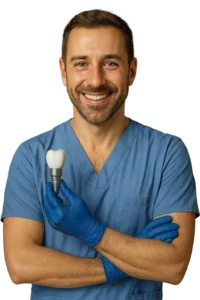
While exploring options for affordable dental care, consider the possibilities of dental tourism. Albania Dental Implants offers a cost-effective solution for those seeking high-quality dental work at a fraction of the price in the UK. With modern clinics, experienced dentists, and affordable prices, Albania is becoming a popular destination for dental tourists. For procedures like full mouth reconstruction in Albania , the savings can be significant, making it a worthwhile option for those facing high dental costs at home.
Benefits of Choosing Albania Dental Implants
Choosing Albania Dental Implants offers numerous benefits. First and foremost, the cost of dental treatment in Albania is significantly lower than in the UK, often by as much as 70%. This allows you to access high-quality care without breaking the bank. Albania boasts state-of-the-art dental clinics with advanced technology and experienced dentists trained to international standards. Additionally, Albania offers a unique cultural experience, allowing you to combine dental treatment with a memorable vacation. The warm hospitality and beautiful scenery make it an attractive destination for dental tourism. If you are seeking cosmetic dentistry in Albania it should be a great option.
- Cost Savings: Significant reduction in dental treatment expenses.
- High-Quality Care: Modern clinics with experienced dentists.
- Cultural Experience: Combine treatment with a memorable vacation.
- Advanced Technology: Access to the latest dental technology and techniques.
The Albania Dental Implants Experience
The Albania Dental Implants experience is designed to be seamless and stress-free. From your initial consultation to your post-treatment follow-up, the team at Albania Dental Implants provides comprehensive support. The process typically begins with an online consultation, where you can discuss your dental needs and receive a personalized treatment plan. Once you decide to proceed, the clinic assists with travel arrangements, including flights and accommodation. Upon arrival, you’ll receive a thorough examination and the agreed-upon treatment. The clinic also provides post-operative care and guidance to ensure a successful outcome. With a focus on patient comfort and satisfaction, Albania Dental Implants offers a positive and rewarding dental tourism experience. If you require multiple implants with bridges in Albania we have resources available for you.
Conclusion
Finding affordable solutions to fix your teeth when you have no money can be challenging, but it’s certainly possible. By leveraging NHS resources, exploring dental charities, prioritizing preventive care, and considering options like dental tourism with Albania Dental Implants, you can achieve a healthy and confident smile without financial strain. Remember, good oral health is essential for your overall well-being, so take proactive steps to explore all available resources and find the best solution for your needs.
Ready to explore affordable dental solutions? Contact Albania Dental Implants today for a free consultation and discover how you can achieve a healthy smile without breaking the bank. Learn about the cost of dental implants in Albania and plan your dental journey with us!