



The most expensive part of a dental implant is typically the implant post and the associated surgical procedure. For individuals considering dental implants, understanding the dental implant cost breakdown is crucial. This article will provide a comprehensive overview of the expenses involved, from the dental implant components to potential hidden costs of dental implants, helping you make an informed decision about your oral health.
Dental Implant Cost Breakdown: What Are the Key Components?
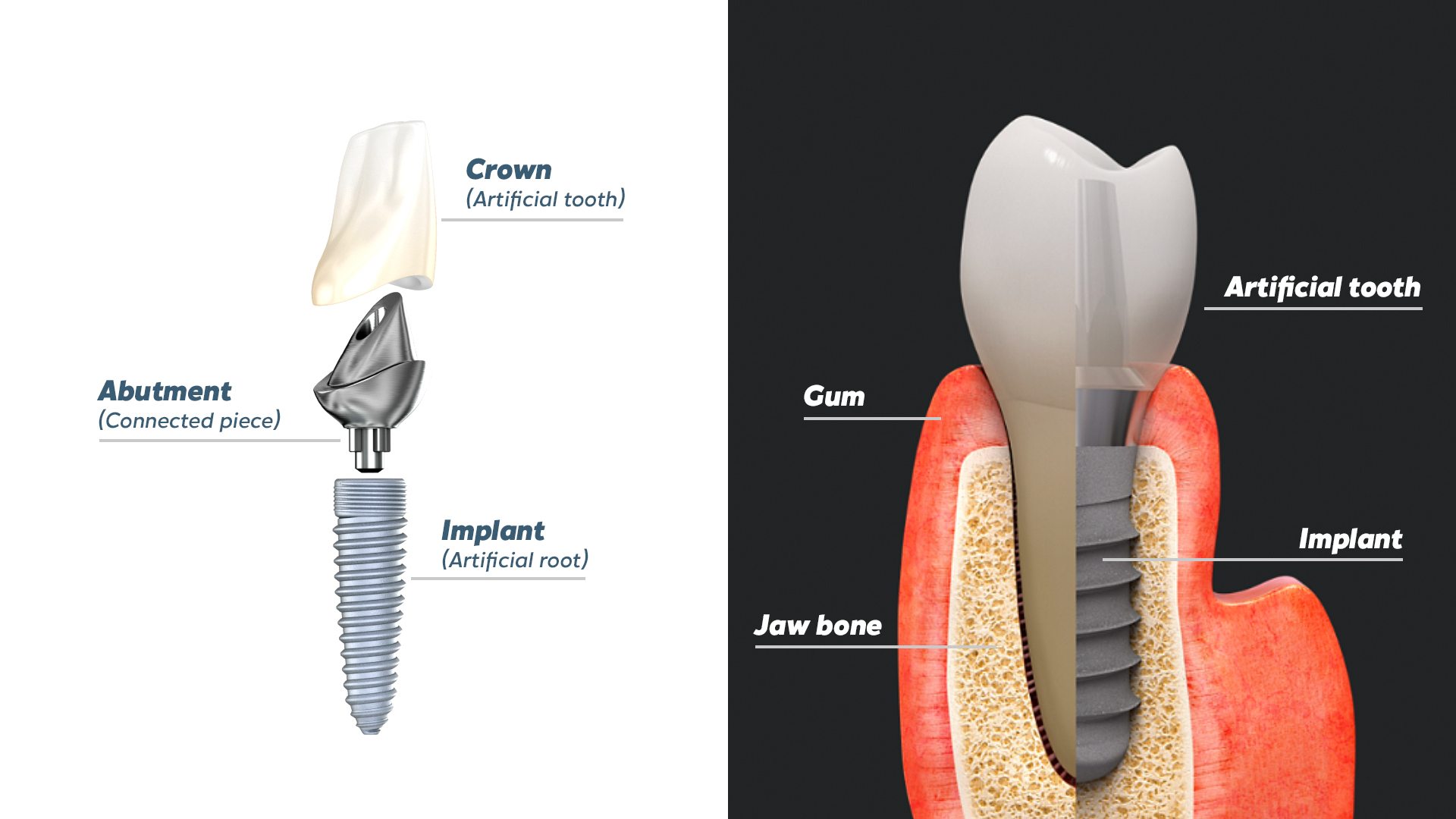
When evaluating the full dental implant price, it’s essential to understand the various components and their individual costs. The main parts of a dental implant include the implant post, the abutment, and the crown. Each component plays a vital role in the functionality and aesthetics of the final restoration, and their costs contribute significantly to the overall expense.
The Three Key Components: Implant Post, Abutment, and Crown
- Implant Post: This is the titanium or zirconia screw that is surgically implanted into the jawbone. It acts as the artificial root for the replacement tooth.
- Abutment: This connector piece attaches to the implant post and serves as the base for the dental crown.
- Crown: The crown is the visible part of the replacement tooth, custom-made to match the shape, size, and colour of your natural teeth.
How Each Part Contributes to the Overall Cost
The cost of each component varies based on the materials used, the complexity of manufacturing, and the expertise required for placement. The implant post often represents a significant portion of the overall cost due to the surgical procedure and the high-quality materials required for osseointegration (the process of the implant fusing with the bone). The abutment cost depends on whether it’s a stock or custom-made component, with custom abutments generally being more expensive due to the individualized design. Finally, the crown’s cost depends on the material, with porcelain and ceramic crowns typically costing more than metal options. Considering dental tourism in Albania may make your treatment more affordable.
Why Is the Implant Post Usually the Most Expensive Part?
The implant post, along with the surgical procedure, often represents the most substantial expense within a dental implant cost breakdown. Several factors contribute to this, including the advanced materials used, the complexity of the surgical process, and the high level of expertise and technology required for successful implantation.
Materials Used (Titanium, Zirconia)
The materials used for implant posts are primarily titanium and zirconia. Titanium is a biocompatible metal known for its strength and ability to fuse with bone (osseointegration). Zirconia is a ceramic material that offers excellent aesthetics and biocompatibility. Both materials are premium options, but zirconia implants in Albania may be slightly more expensive due to their aesthetic advantages and specialized manufacturing processes. The cost of these materials, along with the precision engineering required, significantly impacts the overall price of the implant post.
Complexity of the Surgical Procedure
The surgical placement of the implant post is a complex procedure that requires precision and expertise. It involves making an incision in the gum tissue, preparing the jawbone to receive the implant, and carefully inserting the post. In some cases, additional procedures such as bone grafting in Albania or a sinus lift in Albania may be necessary to ensure adequate bone support for the implant. These additional procedures further add to the complexity and cost of the overall treatment. This is especially important to consider if you are planning on full mouth reconstruction in Albania.
Expertise and Technology Required
Successful implant placement requires a highly skilled and experienced dental surgeon. Dentists who specialize in implantology in Albania undergo extensive training to master the techniques and technologies involved in implant procedures. The use of advanced technology, such as 3D imaging and computer-guided surgery, also contributes to the cost. These technologies enhance precision and accuracy, leading to better outcomes and a higher success rate for implant procedures. Investing in experienced professionals and advanced technology ensures a safe and effective treatment, justifying the higher cost.
How Do Other Parts (Crown and Abutment) Affect the Cost?
While the implant post and surgery are often the most expensive components, the crown and abutment also significantly impact the full dental implant price. The type of crown, whether it’s porcelain, ceramic, or metal, influences the price, as does the choice between custom and standard abutments. Additionally, lab fees and fabrication time play a role in the final cost.
Types of Crowns (Porcelain, Ceramic, Metal)
The dental crown, the visible part of the implant, comes in various materials, each with its own price point. Porcelain crowns offer excellent aesthetics and closely mimic the appearance of natural teeth. Ceramic crowns are another aesthetically pleasing option known for their durability and biocompatibility. Metal crowns, typically made of gold or other alloys, are incredibly strong but less natural-looking. Porcelain and ceramic crowns generally cost more due to their superior aesthetics and the materials used in their fabrication. Many patients consider getting dental crowns in Albania due to the potential cost savings.
Custom vs Standard Abutments
The abutment connects the implant post to the crown, and it can be either a standard (stock) abutment or a custom-made abutment. Standard abutments are pre-manufactured in various sizes and shapes and are a more economical option. Custom abutments are designed and fabricated specifically for your individual needs, ensuring a precise fit and optimal aesthetics. Custom abutments are generally more expensive due to the individualized design and manufacturing process, but they offer superior results in terms of fit, function, and appearance.
Lab Fees and Fabrication Time
The fabrication of both the crown and custom abutment involves lab fees, which can add to the overall cost. Dental labs use advanced technology and skilled technicians to create these components. The complexity of the design, the materials used, and the time required for fabrication all influence the lab fees. Crowns requiring specialized shading or layering techniques to match your natural teeth may incur higher lab fees. Longer fabrication times, particularly for custom abutments, can also increase costs.
Additional Costs and Hidden Fees in Dental Implant Treatment
Beyond the core components, several additional costs and potential hidden costs of dental implants can influence the overall investment. These include initial consultations and scans, the possible need for bone grafts or sinus lifts, aftercare and follow-up visits, and considerations around insurance coverage and NHS availability.
Initial Consultation and Scans (X-rays, CT)
The initial consultation is a crucial step in the dental implant process. During this appointment, the dentist will assess your oral health, discuss your treatment goals, and determine if you are a suitable candidate for implants. Diagnostic scans, such as X-rays and CT scans, are often necessary to evaluate the jawbone’s density and structure. These scans provide detailed images that help the dentist plan the implant placement accurately. The fees for the initial consultation and diagnostic scans can vary but are essential for a successful outcome. If you have any concerns, consider to contact Albania dental implants to learn more.
Bone Grafts or Sinus Lifts if Necessary
In some cases, the jawbone may not have sufficient density or volume to support a dental implant. This is particularly common in patients who have experienced tooth loss for an extended period. In such situations, a bone graft may be necessary to augment the jawbone. A sinus lift is another procedure that may be required when placing implants in the upper jaw, especially if the sinus cavity is too close to the jawbone. These additional procedures increase the overall cost of the treatment but are essential for ensuring the long-term stability and success of the implant.
Aftercare and Follow-Up Visits
Proper aftercare is crucial for the success of dental implants. This includes following the dentist’s instructions regarding oral hygiene, diet, and medication. Regular follow-up visits are also necessary to monitor the healing process and ensure that the implant is integrating properly with the bone. These follow-up appointments may incur additional costs, but they are essential for preventing complications and ensuring the long-term health of the implant. Many patients also find cosmetic dentistry in Albania can help with aftercare.
Insurance, NHS Availability vs Private Sector
Dental insurance policies may offer partial coverage for dental implants, but the extent of coverage varies widely. It’s essential to check with your insurance provider to understand what portion of the treatment cost they will cover. In the UK, dental implants are generally not available on the NHS unless there is a medical necessity. As a result, most patients opt for private dental care, which typically involves higher costs. However, the benefits of private treatment include shorter waiting times, access to advanced technology, and a wider range of treatment options. For more information about implants you should review Albania Dental Implants Resources.
UK Dental Implant Pricing: Private vs NHS
Understanding the UK dental implant pricing landscape, especially the differences between private and NHS options, is essential for prospective patients. While the NHS provides limited coverage, private clinics offer a wider range of services at varying price points. Regional differences also play a role in determining the final cost.
Typical Costs in the UK
The cost of a dental implant in the UK can vary significantly depending on several factors, including the location of the clinic, the experience of the dentist, and the materials used. On average, a single dental implant, including the implant post, abutment, and crown, can range from £2,500 to £4,000. Additional procedures, such as bone grafting or sinus lifts, can add to this cost. The price may also vary depending on whether you are looking at single tooth implants in Albania or a more comprehensive solution.
What (If Anything) the NHS Covers
Dental implants are rarely available on the NHS. In most cases, they are only offered if there is a medical necessity, such as the need to support a facial prosthesis after cancer surgery or trauma. Even in these cases, the availability of NHS-funded implants may be limited, and patients may need to meet specific criteria to qualify. For most individuals, private dental care is the only viable option for dental implants.
Regional Differences and Private Clinic Price Ranges
Dental implant costs can vary across different regions of the UK. London and the South East typically have higher prices compared to other parts of the country. Private dental clinics set their own fees, so it’s essential to shop around and compare prices from different providers. Some clinics may offer package deals or financing options to help patients manage the cost. Consider looking into cost of dental implants in Albania to see how this compares to the UK. Always remember to check Albania dental implants reviews to get a feel for the level of service.
Frequently Asked Questions About Dental Implant Costs
What is the Most Expensive Part of a Dental Implant?
As previously discussed, the implant post and the associated surgical procedure are typically the most expensive components of a dental implant. This is due to the high-quality materials used, the complexity of the surgery, and the expertise required for successful implantation. If you want to know what are the three types of dental implants and whether they affect the cost, then further research is needed.
Why Do Dental Implants Cost So Much?
Dental implants involve several factors that contribute to their higher cost compared to other tooth replacement options. These factors include the cost of materials, the complexity of the surgical procedure, the expertise of the dental professionals involved, and the advanced technology used in planning and placement. Additionally, the long-term durability and success rate of dental implants justify the higher upfront investment. If you are concerned about whether can it be too late for dental implants then you should consult with a dentist.
Is the Crown or the Implant Post More Expensive?
Generally, the implant post and the surgical placement are more expensive than the crown. While the cost of the crown can vary depending on the material (porcelain, ceramic, or metal), it typically represents a smaller portion of the overall expense compared to the implant post and surgery.
What Materials Make a Dental Implant More Costly?
The materials used for dental implants significantly influence the cost. Titanium and zirconia are premium materials known for their biocompatibility, strength, and aesthetics. Zirconia implants, in particular, may be slightly more expensive due to their aesthetic advantages and specialized manufacturing processes. The quality and durability of these materials contribute to the long-term success and longevity of the implant. Considering all of your options is essential as you prepare to have all my teeth removed and replaced with implants.
Are There Hidden Fees Patients Should Know About?
Yes, there can be additional costs that patients should be aware of when considering dental implants. These may include the initial consultation fee, diagnostic scans (X-rays, CT scans), bone grafting or sinus lift procedures (if necessary), temporary restorations, and aftercare and follow-up visits. It’s essential to discuss all potential costs with your dentist upfront to avoid any surprises.
How Much Do Dental Implants Cost in the UK (NHS and Private)?
In the UK, dental implants are rarely available on the NHS and are primarily offered through private dental clinics. The cost of a single dental implant in the UK can range from £2,500 to £4,000, depending on the location of the clinic, the experience of the dentist, and the materials used. Always remember to ask how long do dental implants last during your initial consultation.
Are There Any Financing Options or Ways to Lower Costs?
Yes, many dental clinics offer financing options to help patients manage the cost of dental implants. These may include payment plans, dental loans, or credit cards specifically designed for healthcare expenses. Another way to potentially lower costs is to explore dental tourism options, such as travelling to Albania for treatment, where dental implant costs may be lower than in the UK.
Do Dental Insurance Policies Cover the Cost of Implants?
Some dental insurance policies may offer partial coverage for dental implants, but the extent of coverage varies widely. It’s essential to check with your insurance provider to understand what portion of the treatment cost they will cover. Keep in mind that many policies have annual maximums and may require a waiting period before covering certain procedures.
What Factors Most Influence the Final Price?
Several factors can influence the final price of a dental implant, including:
- The type of implant (titanium or zirconia)
- The need for additional procedures (bone grafting, sinus lift)
- The type of crown (porcelain, ceramic, or metal)
- The use of custom abutments
- The location of the clinic
- The experience of the dentist
- Insurance coverage
Understanding these factors can help you make informed decisions and plan your budget accordingly.
Considering Dental Implants in Albania: A Cost-Effective Solution
For those seeking a more affordable solution without compromising on quality, Albania dental implants offer a compelling alternative. Albania has become a popular destination for dental tourism in Albania, attracting patients from around the world due to its lower costs and highly skilled dental professionals. By choosing Albania, you can potentially save a significant amount of money on your dental implant treatment. Albania Dental Implants provides a range of services, including all on 4 dental implants in Albania and all on 6 dental implants in Albania, ensuring comprehensive care.
Conclusion
Understanding the costs associated with dental implants is essential for making informed decisions about your oral health. While the implant post and surgical procedure typically represent the most significant expense, other factors, such as the type of crown, the need for additional procedures, and the location of the clinic, can also influence the final price. By exploring all available options, including financing and dental tourism, you can find a solution that fits your budget and restores your smile. If you’re considering dental implants, contact Albania Dental Implants today to learn more about our services and how we can help you achieve a healthy, beautiful smile at an affordable price.