


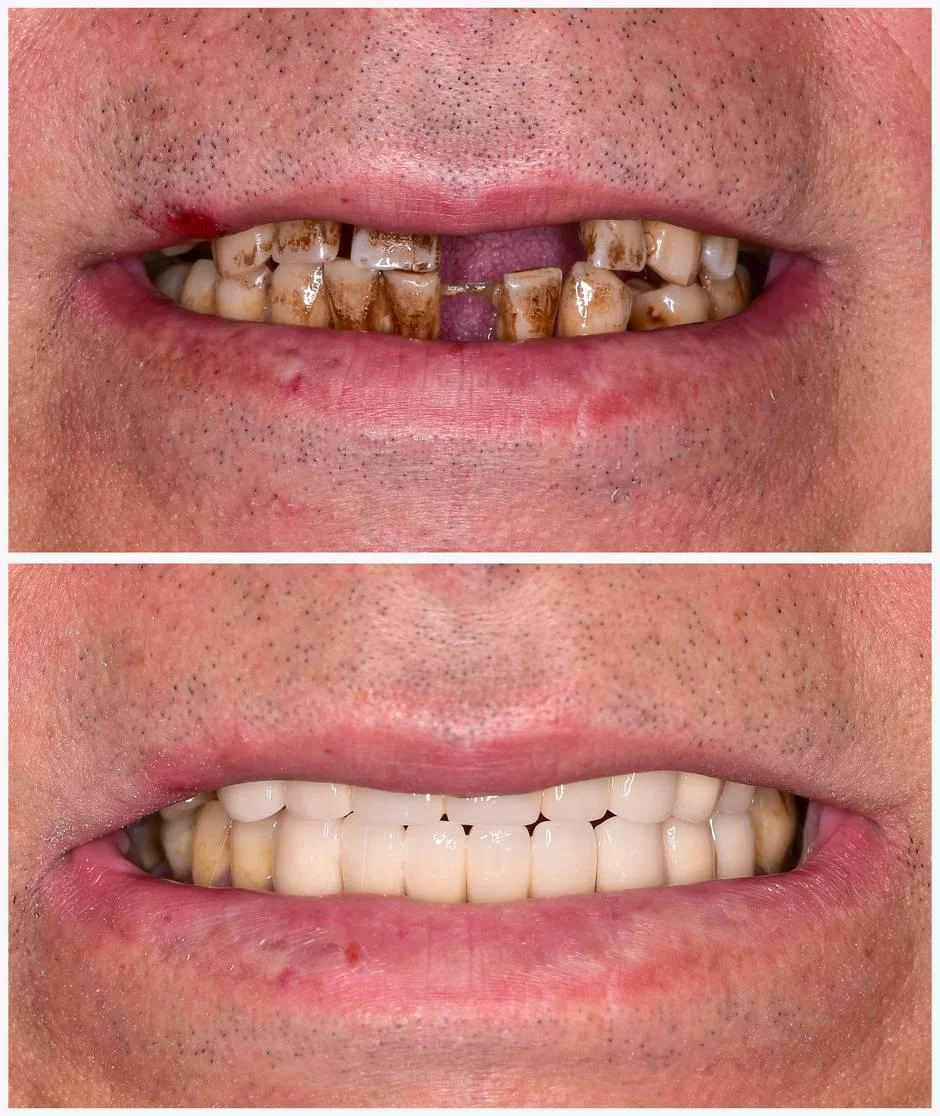

If you’re facing the distressing situation of what to do if your teeth are rotting and you can’t afford to fix it in the UK, you’re not alone. Many people in the UK struggle with dental health due to financial constraints. The good news is that there are options available, ranging from NHS assistance to charitable support and affordable treatments abroad such as dental tourism in Albania, offering a pathway to restoring your smile and confidence. At Albania Dental Implants, we understand the challenges and offer high-quality, affordable solutions to help you regain your oral health.
NHS dental care options for those who can’t afford private treatment
Navigating the NHS for dental care can be a lifeline when private treatment costs are prohibitive. Understanding the scope of NHS dental care and what it covers is crucial. While not all treatments are free, the NHS offers a tiered pricing system, making some essential services more accessible.
What NHS dental treatments are free or subsidised?
Within the NHS system, certain treatments are always free, most notably for qualifying individuals. This includes emergency dental treatment, such as pain relief or immediate repairs. Subsidised treatments fall into three bands, each with a set price, regardless of the amount of treatment needed within that band. Band 1 covers examinations, diagnosis, and preventative care like scaling and polishing. Band 2 includes everything in Band 1, plus fillings, root canal treatment, and extractions. Band 3 covers more complex procedures like crowns, dentures, and bridges. While these bands offer a structured pricing system, it’s important to note that dental implants in Albania are generally not available on the NHS unless there is a clear medical need.
How to register at an NHS dentist
Registering with an NHS dentist is the first step toward affordable dental care. Finding a dentist accepting NHS patients can sometimes be challenging, but the NHS website provides a search tool to help you locate practices in your area. Once you find a suitable dentist, contact the practice directly to inquire about registration. Be prepared to provide your personal details and answer questions about your dental history. Keep in mind that some practices may have a waiting list, so it’s advisable to register as soon as possible. Regular general dentistry in Albania can help prevent future problems and keep your costs down.
Who qualifies for free NHS dental care?
Several groups of people are automatically entitled to free NHS dental care. This includes individuals under 18, pregnant women, and women who have given birth in the past 12 months. Those receiving certain benefits, such as Income Support, Income-based Jobseeker’s Allowance, Income-related Employment and Support Allowance, or Universal Credit (subject to meeting specific criteria), also qualify for free treatment. It’s essential to check the latest eligibility criteria on the NHS website to confirm your entitlement and understand the necessary documentation required. If you don’t qualify for free NHS dental care, remember that traveling to Albania for procedures like full mouth reconstruction in Albania can be significantly more cost-effective than private treatment in the UK.
Emergency dental care: What to do if you’re in pain or urgent need
When you’re facing severe tooth pain or a dental emergency, prompt action is crucial. Knowing how to access emergency dental care can make a significant difference in managing your pain and preventing further complications. This section outlines the steps you should take when you’re in urgent need of dental assistance.
How to access emergency dental services
If you require emergency dental treatment, contact your registered dentist as soon as possible. Many practices reserve appointment slots for emergencies and will try to see you promptly. If you’re not registered with a dentist or your regular practice is closed, you can call NHS 111 for advice and guidance. They can direct you to the nearest emergency dental service or out-of-hours clinic. In severe cases, such as trauma or significant swelling affecting your breathing, visit your local A&E department. When considering options, keep in mind that while emergency care addresses immediate needs, long-term solutions like dental implants in Albania might be necessary to fully restore your oral health.
What qualifies as a dental emergency?
Understanding what constitutes a dental emergency helps you determine when to seek immediate care. Common dental emergencies include severe toothache, uncontrolled bleeding after an extraction, significant swelling in the mouth or face, a knocked-out tooth, or a dental injury. These conditions require prompt attention to alleviate pain, prevent infection, and preserve your oral health. A broken or lost filling, while inconvenient, doesn’t always constitute an emergency, unless it’s causing significant pain or sensitivity. If you’re unsure whether your condition requires emergency treatment, it’s always best to err on the side of caution and seek professional advice. For comprehensive restorative work that isn’t available on the NHS, consider the affordable options for procedures like all on 4 dental implants in Albania.
Immediate steps for pain management
While waiting for emergency dental care, there are several steps you can take to manage your pain. Over-the-counter pain relievers, such as ibuprofen or paracetamol, can help alleviate discomfort. Applying a cold compress to the affected area can reduce swelling and numb the pain. Rinsing your mouth with warm salt water can also provide temporary relief and help prevent infection. Avoid sugary or acidic foods and drinks that can exacerbate your pain. If you’ve knocked out a tooth, gently rinse it with water (without scrubbing) and try to reinsert it into the socket. If this isn’t possible, store the tooth in milk or saliva and take it with you to the dentist. Remember that these are temporary measures, and it’s essential to seek professional dental care as soon as possible. When planning for more permanent solutions, research the cost of dental implants in Albania to understand your options.
Dental charities and community clinics offering free or low-cost care
If affording dental treatment is a major hurdle, dental charities UK and community clinics can provide a vital safety net. These organizations often offer free or heavily subsidised care to those who meet specific eligibility criteria. Knowing where to turn can ease the financial burden of maintaining your oral health.
Major dental charities in the UK
Several dental charities in the UK are dedicated to providing affordable or free dental care to those in need. Dentaid, for example, runs mobile dental units that visit communities with limited access to dental services. The British Dental Health Foundation offers advice and support on oral health issues and may be able to direct you to local resources. Bridge2Aid trains local healthcare workers in developing countries to provide emergency dental care, but they also have links to UK-based programs. These charities often rely on donations and volunteers to continue their work, so consider supporting them if you can. Keep in mind that while these charities offer valuable assistance, they may not be able to provide comprehensive treatment. For extensive restorative work, exploring options like dental tourism in Albania might be a viable alternative.
How community dental clinics work
Community dental services operate with the goal of providing dental care to underserved populations. These clinics are often run by local councils or NHS trusts and may offer a range of treatments at reduced costs. Eligibility criteria vary depending on the clinic, but they typically prioritize individuals on low incomes, those receiving benefits, and other vulnerable groups. Community dental clinics often provide a more holistic approach to care, focusing on prevention and oral health education in addition to treatment. They may also offer services like dental hygiene appointments and fluoride treatments to help prevent further decay. These clinics can be an excellent option for those who don’t qualify for free NHS dental care but still struggle to afford private treatment. While considering these local options, research the benefits of Albania Dental Implants Services for comprehensive and affordable care.
Who can access these services?
Accessing dental charities and community clinics often depends on meeting specific criteria. Priority is typically given to individuals on low incomes, those receiving government benefits, and other vulnerable groups such as the homeless or those with disabilities. Some charities may also focus on specific demographics, such as children or older adults. To find out if you’re eligible for services, contact the charity or clinic directly and inquire about their criteria. Be prepared to provide documentation to support your application, such as proof of income or benefit entitlement. Keep in mind that demand for these services is often high, so there may be a waiting list. While waiting, it’s essential to maintain good oral hygiene to prevent further decay. If you’re seeking more immediate and comprehensive treatment, consider the benefits of traveling to Albania for dental work, where you can receive high-quality care at a fraction of the cost. For many, exploring the opportunities available with Albania Dental Implants represents a practical pathway to achieving optimal oral health.
Dental schools: Is student treatment a viable, affordable alternative?
For those seeking low-cost dental options, dental schools UK treatment programs can be a surprisingly effective route. Supervised by experienced professionals, students offer a range of dental services at significantly reduced rates. This arrangement provides valuable training for future dentists while offering affordable care to patients.
Which dental schools offer public clinics?
Many dental schools across the UK operate public clinics where students provide treatment under the supervision of qualified dentists. Prominent examples include the dental schools at King’s College London, University of Manchester, University of Birmingham, and University of Glasgow. These clinics typically offer a wide range of services, from routine check-ups and cleanings to more complex procedures like fillings, root canals, and extractions. Each school has its own admission process for patients seeking treatment, so it’s best to contact the clinic directly for information on eligibility and appointment scheduling. While considering these options, remember that traveling abroad for dental work can also be a cost-effective alternative, especially for extensive treatments like all on 6 dental implants in Albania.
Pros and cons of being treated by student dentists
Being treated by student dentists offers several advantages, most notably the significantly lower cost compared to private practices. Students are closely supervised by experienced professionals, ensuring a high standard of care. The appointments are often longer, allowing for a more thorough and detailed approach. However, there are also potential drawbacks. Treatment may take longer to complete due to the student’s learning curve. Appointment availability may be limited, and scheduling can be less flexible. While students are trained in the latest techniques, they may lack the experience of a seasoned dentist. Weighing these pros and cons is essential when considering student treatment. Also, evaluate the potential benefits of cosmetic dentistry in Albania for cost-effective and high-quality solutions.
How to apply for treatment at a dental school
Applying for treatment at a dental school typically involves contacting the clinic directly and inquiring about their patient intake process. You may need to fill out an application form and attend an initial consultation to assess your needs and determine your suitability for student treatment. Be prepared to provide information about your dental history and any current oral health issues you’re experiencing. Keep in mind that dental schools often prioritize patients with specific needs that align with their students’ training requirements. This means that you may not be accepted for treatment if your case is too straightforward or too complex. Once accepted, you’ll be assigned to a student dentist who will develop a treatment plan under the supervision of a qualified instructor. While exploring these options, remember to compare the costs and benefits of dental implants in Albania to make an informed decision.
Self-care strategies to manage dental problems at home
While professional dental care is essential, effective self-help for dental problems can play a significant role in managing your condition at home. Consistent oral hygiene practices and home remedies can help alleviate pain, prevent further decay, and maintain your oral health while you explore affordable treatment options.
Basic oral hygiene for decaying teeth
Maintaining excellent oral hygiene is crucial when dealing with decaying teeth. Brush your teeth at least twice a day with fluoride toothpaste, paying close attention to the affected areas. Use a soft-bristled toothbrush to avoid irritating your gums. Floss daily to remove plaque and food particles from between your teeth. Consider using an antibacterial mouthwash to help kill bacteria and prevent infection. Avoid sugary and acidic foods and drinks that can exacerbate decay. Regular, gentle cleaning is key to slowing down the progression of tooth decay. If you are considering traveling abroad for treatment, maintaining good oral hygiene before receiving services for dental implants in Albania will benefit you.
Home pain relief methods
Several home remedies can provide temporary relief from tooth pain. Over-the-counter pain relievers like ibuprofen or paracetamol can help alleviate discomfort. Applying a cold compress to the affected area can reduce swelling and numb the pain. Rinsing your mouth with warm salt water can also provide temporary relief and help prevent infection. Clove oil has natural anesthetic properties and can be applied directly to the affected tooth with a cotton swab. Avoid chewing on the affected side of your mouth to prevent further irritation. These remedies are not a substitute for professional dental care, but they can help manage your pain while you seek affordable treatment options. When comparing costs, consider how much you could save by choosing dental tourism in Albania.
What not to do: Risks of DIY dental repair
While the temptation to attempt DIY dental repairs may be strong, it’s crucial to understand the risks involved. Attempting to fill cavities or extract teeth at home can lead to serious complications, including infection, nerve damage, and even life-threatening conditions. Using non-dental materials to repair teeth can cause further damage and make future professional treatment more difficult. It’s always best to seek professional dental care, even if it means exploring affordable options like dental schools or traveling abroad for treatment. Remember, your health and safety are paramount. For safe and affordable solutions, consider the benefits of general dentistry in Albania, performed by qualified professionals.
Eligibility for free treatment: Government support and exemptions explained
Understanding your eligibility for free dental care and available government support can significantly ease the financial burden of dental treatment. Several exemptions and support schemes are in place to help those who meet specific criteria access affordable dental services.
Benefits and exemptions for free NHS dental care
Certain groups of people are automatically entitled to free NHS dental care. This includes individuals under 18, pregnant women, and women who have given birth in the past 12 months. Those receiving certain benefits, such as Income Support, Income-based Jobseeker’s Allowance, Income-related Employment and Support Allowance, or Universal Credit (subject to meeting specific criteria), also qualify for free treatment. Additionally, individuals with certain medical conditions may be eligible for exemptions. It’s essential to check the latest eligibility criteria on the NHS website to confirm your entitlement and understand the necessary documentation required. If you don’t qualify for free NHS dental care, remember that traveling to Albania for procedures like dental implants in Albania can be significantly more cost-effective than private treatment in the UK.
How to check if you qualify
Checking your eligibility for free NHS dental care is a straightforward process. Visit the NHS website and navigate to the section on dental charges and exemptions. Here, you’ll find a list of qualifying criteria and a tool to help you determine if you’re eligible. You can also contact your local Jobcentre Plus or Citizens Advice Bureau for assistance. Be prepared to provide information about your income, benefit entitlement, and any relevant medical conditions. If you’re unsure whether you qualify, it’s always best to seek professional advice. Understanding your options is the first step towards accessing affordable dental care. If you’re not eligible for free NHS care, remember that exploring dental tourism in Albania offers a viable and affordable alternative.
Application process for exemptions/joining support schemes
Applying for exemptions or joining support schemes typically involves completing an application form and providing supporting documentation. The application process varies depending on the specific scheme, so it’s essential to carefully review the instructions and requirements. You may need to provide proof of income, benefit entitlement, or medical condition. Some schemes may also require you to attend an assessment or interview. Be sure to submit your application well in advance of your dental appointment to allow time for processing. If your application is approved, you’ll receive a certificate or card that you can present to your dentist to claim your exemption or discount. If you are planning for procedures such as single tooth implants in Albania, having necessary support for costs will allow you to have the procedure done with less stress and worry.
Common questions about tooth decay, affordability, and UK dental care
What are my options if my teeth are rotting and I can’t afford private treatment in the UK?
If you’re facing this difficult situation, several options are available. You can explore NHS dental care, which offers subsidised treatment. Check your eligibility for free NHS dental care based on your income or benefit status. Consider dental charities and community clinics that provide free or low-cost care. Dental schools also offer affordable treatment provided by students under supervision. As a last resort, explore options for dental implants in Albania, which may be significantly cheaper than private treatment in the UK.
Is any NHS dental care actually free?
Yes, certain NHS dental treatments are free for eligible individuals. This includes emergency dental treatment, such as pain relief or immediate repairs. Additionally, individuals under 18, pregnant women, and those receiving specific benefits like Income Support or Universal Credit may qualify for free NHS dental care. For more complex or cosmetic procedures, exploring the option of hollywood smile in Albania could be a solution if NHS care isn’t free or doesn’t cover it.
How do I qualify for free or reduced-rate dental treatment in the UK?
You may qualify for free NHS dental care if you’re under 18, pregnant, or receiving certain benefits. Reduced-rate treatment is available through the standard NHS dental charges. To check your eligibility, visit the NHS website or contact your local Jobcentre Plus or Citizens Advice Bureau. Remember to gather necessary documentation, such as proof of income or benefit entitlement. If you don’t qualify for NHS assistance, consider dental schools or charities. Alternatively, researching the cost of dental implants in Albania might reveal a more affordable path to restoring your smile.
What can I do if I need urgent dental care but can’t pay?
If you require urgent dental care but can’t afford to pay, contact your registered dentist or NHS 111 for guidance. They can direct you to the nearest emergency dental service or out-of-hours clinic. Explain your financial situation, as some providers may offer payment plans or reduced fees. Don’t delay seeking treatment, as untreated dental problems can worsen and lead to serious complications. While addressing the emergency, consider the long-term benefits of full mouth reconstruction in Albania for comprehensive and affordable care.
Are there any charities or clinics that help with dental costs?
Yes, several dental charities and community clinics in the UK offer assistance with dental costs. Dentaid, the British Dental Health Foundation, and Bridge2Aid are just a few examples. These organizations often provide free or subsidised treatment to those in need. Contact them directly to inquire about their eligibility criteria and services. Community dental clinics, run by local councils or NHS trusts, also offer affordable care. Exploring your options with Albania Dental Implants Reviews might also point you toward a cost-effective solution.
Can dental schools treat me for less money?
Yes, dental schools often operate public clinics where students provide treatment under the supervision of qualified dentists. This can be a significantly more affordable option than private practices. Contact the dental schools at King’s College London, University of Manchester, or University of Birmingham to inquire about their patient intake process. Be prepared for longer appointment times and limited scheduling flexibility. If you seek more immediate or specialised care, it’s a good idea to review about Albania Dental Implants and the benefits of treatment there.
How can I manage pain or infection from rotten teeth at home safely?
To manage pain from rotten teeth at home, take over-the-counter pain relievers like ibuprofen or paracetamol. Apply a cold compress to the affected area to reduce swelling. Rinse your mouth with warm salt water to help prevent infection. Maintain excellent oral hygiene by brushing and flossing regularly. Avoid sugary and acidic foods and drinks. Never attempt DIY dental repairs, as this can lead to serious complications. Seek professional dental care as soon as possible. While managing pain, consider options like bone grafting in Albania if significant damage has occurred.
What risks are there if I ignore rotten teeth?
Ignoring rotten teeth can lead to serious health problems. Untreated dental infections can spread to other parts of your body, causing life-threatening conditions like sepsis. Rotten teeth can also cause chronic pain, difficulty eating, and social embarrassment. Delaying treatment can make future dental work more complex and expensive. Protect your overall health by seeking prompt dental care. If costs are a barrier, explore options like dental tourism in Albania to receive necessary treatment without breaking the bank.
Is there any help for dental costs if I’m on benefits?
Yes, if you’re receiving certain benefits like Income Support, Income-based Jobseeker’s Allowance, or Universal Credit, you may qualify for free NHS dental care. Check the latest eligibility criteria on the NHS website or contact your local Jobcentre Plus or Citizens Advice Bureau for assistance. Provide proof of your benefit entitlement when seeking treatment. If you don’t qualify for free care, explore other support schemes or consider affordable options like dental schools or charities. For a comprehensive smile makeover, understanding the benefits of dental veneers in Albania could be a viable option.
Does self-care prevent further tooth decay if I can’t afford treatment?
While self-care can’t reverse existing tooth decay, it can help prevent further damage. Consistent oral hygiene practices, such as brushing, flossing, and using antibacterial mouthwash, can slow down the progression of decay. Avoid sugary and acidic foods and drinks. Regular dental check-ups are still essential, even if you can’t afford extensive treatment. Consider affordable options like dental schools or charities to maintain your oral health. If you’re seeking more complex solutions, investigate the benefits of traveling to Albania and getting invisalign aligners in Albania, which may turn out to be a better and more affordable long-term solution.
Where can I find reliable information or help for dental problems in the UK?
Reliable sources of information and help for dental problems in the UK include the NHS website, the British Dental Association, the Oral Health Foundation, and Citizens Advice Bureau. These organizations provide accurate and up-to-date information on dental care, eligibility for assistance, and available resources. Contact your local dentist or NHS 111 for personalized advice and guidance. Remember to verify the credibility of online sources before making any decisions about your treatment. Exploring options like dental tourism in Albania can also provide valuable insights into alternative care pathways.
How can I minimise dental costs long-term?
To minimize dental costs long-term, prioritize preventative care. Maintain excellent oral hygiene by brushing, flossing, and using antibacterial mouthwash regularly. Avoid sugary and acidic foods and drinks. Schedule regular dental check-ups and cleanings, even if you can only afford basic services. Address dental problems promptly to prevent them from worsening. Consider investing in a good electric toothbrush and fluoride toothpaste. By taking proactive steps to care for your teeth, you can reduce your risk of developing costly dental problems in the future. For long-term planning, learning about the benefits of zirconia implants in Albania may help you budget for future needs.
If you are facing a challenging situation with your rotting teeth and are unable to afford treatment in the UK, please do not hesitate to contact us. At Albania Dental Implants, we believe everyone deserves access to quality dental care. We can discuss your situation, review your options, and help you find a path to restoring your smile.