


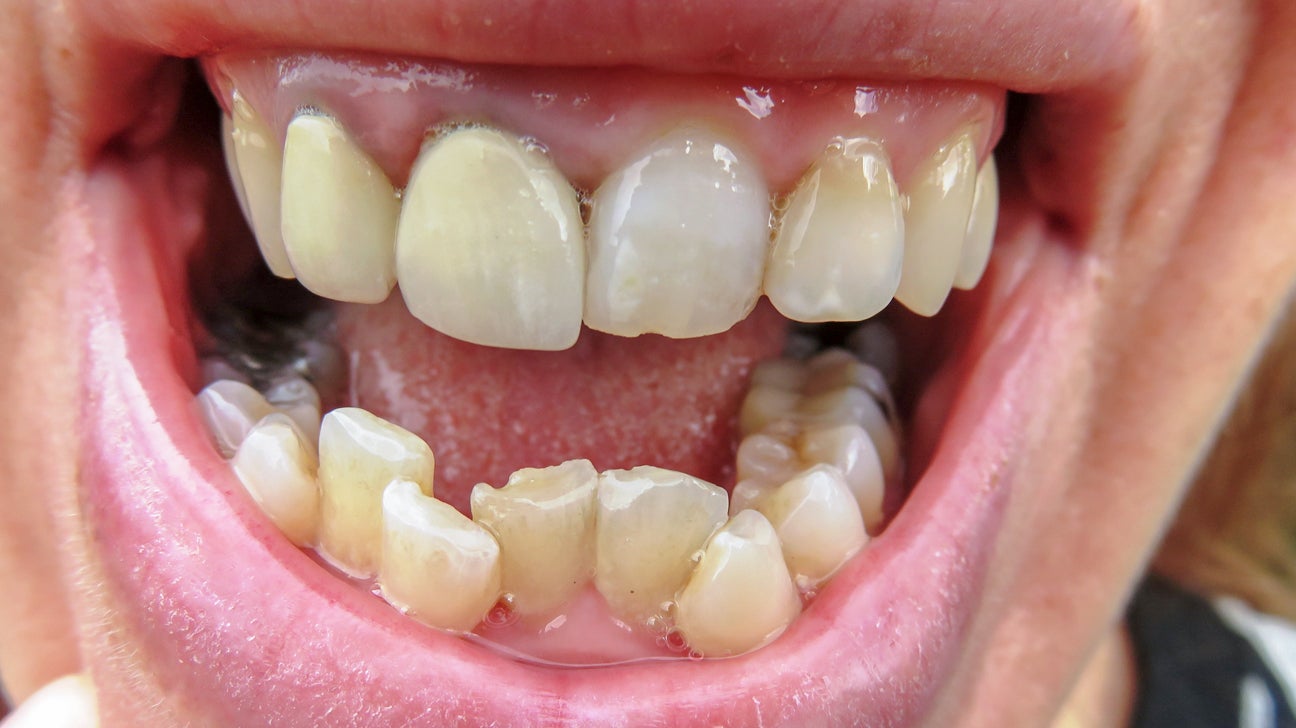
How to fix your teeth when you’re poor is a challenge many face, but there are practical solutions and resources available to improve dental health even with limited funds. This guide provides actionable steps to access affordable dental care, manage dental issues at home, and explore options like dental tourism in Albania for cost-effective, quality treatment.
Affordable dental care options for low-income individuals
Accessing affordable dental care is a critical concern for many. Several avenues exist to obtain basic low-cost or even free dental services. Understanding these options can significantly alleviate the financial burden of maintaining oral health.
Overview of basic low-cost or free dental services
Navigating the landscape of affordable dental options requires awareness and proactive research. Look into free clinics, community dental programs, and dental schools offering reduced fees. Prioritize preventative care; it is more cost-effective in the long run than treating advanced problems. Maintaining good oral hygiene at home, even with budget constraints, can minimize future expenses.
- Free Dental Clinics: Many cities have free dental clinics operated by charities or non-profit organizations.
- Community Dental Programs: These often provide services on a sliding scale based on income.
- Dental Schools: Offer treatment at reduced costs, performed by students under supervision.
List of UK organisations offering support
Several UK organisations are dedicated to helping individuals access affordable dental care. Knowing where to turn can make a significant difference in managing dental costs.
- The British Dental Health Foundation: Provides advice and resources on oral health.
- Dentaid: Offers dental services to vulnerable populations both in the UK and internationally.
- The Oral Health Foundation: Runs campaigns and provides information on maintaining good oral health.
NHS dental support and payment plans
The National Health Service (NHS) provides dental care with varying levels of support depending on individual circumstances. Understanding how to navigate NHS dental services can help those with limited income access necessary treatments. Additionally, dental payment plans can make significant procedures more manageable financially.
How to access NHS dental care with limited income
Accessing NHS dental care involves understanding the charging structure and available exemptions. Depending on your income and circumstances, you may be eligible for reduced-cost or even free treatments. Registering with an NHS dentist is the first step. The NHS offers a tiered pricing system for dental treatments:
- Band 1: Covers examinations, diagnosis, and preventative care.
- Band 2: Includes everything in Band 1, plus fillings, root canals, and extractions.
- Band 3: Covers everything in Bands 1 and 2, plus crowns, dentures, and bridges.
Eligibility for free or reduced-cost treatments
Several groups are eligible for free NHS dental treatment. These include:
- Individuals receiving Income Support, Income-based Jobseeker’s Allowance, Income-related Employment and Support Allowance, or Universal Credit (meeting specific criteria).
- People under 18.
- Pregnant women and those who have had a baby in the last 12 months.
Checking your eligibility on the NHS website or consulting with your dentist can confirm whether you qualify for free or reduced-cost care.
How dental payment plans work for major treatments
For extensive dental work, payment plans can alleviate the immediate financial burden. Many dental practices offer these plans, allowing you to spread the cost over several months or years. Key considerations include:
- Interest rates: Understand the interest charged on the payment plan.
- Repayment terms: Know the duration of the plan and the monthly payment amount.
- Credit checks: Be aware that some plans require credit checks.
Exploring plans offered directly by dental practices or third-party financing options can help you find the most suitable arrangement. For a smile that lasts a lifetime, explore the benefits of dental implants in Albania, a cost-effective solution that combines quality and affordability.
Dental charities and free clinics
Dental charities and free clinics play a crucial role in providing dental care to those who cannot afford it. These organisations often offer a range of services, from basic check-ups to more complex treatments, making dental health accessible to vulnerable populations.
UK dental charities: overview, application, typical services
Several dental charities in the UK provide vital services. These charities operate independently and rely on donations and volunteers to deliver care. Understanding their mission and application process can help you access their services.
- Dentaid: Focuses on providing mobile dental services to underserved communities. Application processes vary depending on the specific program.
- The Oral Health Foundation: Offers resources and support to improve oral health. While they don’t directly provide treatment, they can guide you to available services.
- The British Dental Health Foundation: Provides educational resources and support for maintaining oral health.
How to find and register at community or mobile dental clinics
Community and mobile dental clinics bring dental care directly to those who need it most. These clinics often operate in areas with limited access to traditional dental services.
- Local council directories: Check your local council’s website for a directory of community health services.
- Charity websites: Organisations like Dentaid operate mobile clinics and publish schedules online.
- Community centres: Local community centres often have information on healthcare services in the area.
Registering typically involves providing proof of address and income to determine eligibility for reduced-cost or free services.
Grants and financial aid for urgent dental care
For individuals facing urgent dental needs, grants and financial aid can provide a lifeline. These funds are typically available through charities and specific dental programs.
- Dental grants: Some charities offer grants to cover the cost of essential dental treatments.
- Hardship funds: Local councils may have hardship funds to assist with dental expenses.
- Charitable donations: Crowdfunding platforms can be used to raise funds for urgent dental care.
Applying for grants usually requires submitting detailed information about your financial situation and the urgency of your dental needs.
Preventive dental care at home on a budget
Maintaining good oral hygiene at home is essential, especially when on a tight budget. Affordable preventive dental care can minimize the need for costly treatments in the future. By focusing on simple yet effective practices, you can keep your teeth and gums healthy.
Cheap or free ways to maintain dental health
Several cost-effective methods can help maintain optimal dental health without breaking the bank.
- Brushing twice daily: Use fluoride toothpaste, which is available at affordable prices.
- Flossing regularly: Floss is inexpensive and can prevent gum disease and cavities.
- DIY mouthwash: A saltwater rinse can help kill bacteria and reduce inflammation.
Prioritizing these simple habits can significantly reduce the risk of dental problems.
Home remedies for tooth pain: what works, what to avoid
When tooth pain strikes, home remedies can provide temporary relief. However, it’s crucial to know which remedies are safe and effective.
- Saltwater rinse: Helps reduce inflammation and kill bacteria.
- Cold compress: Apply to the cheek to numb pain.
- Over-the-counter pain relievers: Ibuprofen or paracetamol can provide temporary relief.
Avoid using aspirin directly on the tooth or gums, as it can cause chemical burns. Also, steer clear of applying clove oil excessively, as it can be harmful in large quantities.
Importance of brushing, flossing, and diet with limited resources
Even with limited resources, the importance of brushing, flossing, and a balanced diet cannot be overstated. These practices form the foundation of good oral health.
- Brushing: Removes plaque and bacteria that cause cavities and gum disease.
- Flossing: Cleans between teeth where a toothbrush can’t reach.
- Diet: Limit sugary and acidic foods that erode enamel.
Focus on affordable, healthy food choices like fruits, vegetables, and whole grains to support overall dental health. While maintaining your dental health, consider the long-term solution of dental implants in Albania, where affordability meets world-class dental care.
DIY and short-term emergency dental solutions
When professional dental care isn’t immediately accessible, DIY and over-the-counter solutions can provide temporary relief. However, it’s essential to approach these options with caution, understanding their limitations and potential risks. Focusing on tooth pain relief on a budget can help manage discomfort until professional help is available.
Emergency kits and over-the-counter fixes for tooth damage
Emergency dental kits and over-the-counter products can help manage minor tooth damage and pain. These are not long-term solutions but can offer temporary comfort.
- Temporary fillings: Can fill small cavities or replace lost fillings temporarily.
- Dental wax: Protects against sharp edges from broken teeth or braces.
- Pain relief gels: Numb the area around a painful tooth.
Ensure to follow product instructions carefully and be aware that these fixes are temporary.
Risks and cautions of DIY repairs
While DIY dental repairs might seem appealing, they come with significant risks. Improper techniques can lead to infections, further damage, and long-term complications.
- Infection: Unsterile tools and materials can introduce bacteria.
- Damage: Incorrectly applied materials can damage surrounding teeth or gums.
- Allergic reactions: Some dental repair products contain allergens.
It’s always best to seek professional dental care as soon as possible. DIY repairs should only be considered as a very short-term measure. For lasting solutions, explore the benefits of cosmetic dentistry in Albania, combining affordability with expert care.
Using student dental clinics and community health centres
Student dental clinics and community health centres offer affordable dental care provided by supervised students or healthcare professionals. These facilities provide valuable services to the community while offering cost-effective treatment options.
How teaching clinics offer affordable treatment by supervised students
Teaching clinics are an excellent resource for affordable dental care. Dental students provide treatment under the supervision of experienced instructors, ensuring quality care at reduced prices.
- Reduced fees: Treatment costs are significantly lower compared to private practices.
- Supervised care: Experienced instructors oversee all procedures.
- Comprehensive services: Clinics offer a wide range of treatments, from check-ups to complex procedures.
Finding a teaching clinic near you involves contacting local dental schools or searching online for affiliated clinics.
Accessing oral care via UK community health centres
Community health centres provide a range of healthcare services, including dental care, to underserved populations. These centres aim to make healthcare accessible to everyone, regardless of income.
- Sliding scale fees: Costs are based on income, making care affordable.
- Comprehensive care: Centres offer a variety of dental services.
- Accessible locations: Located in communities with limited access to healthcare.
Contact your local council or search online for community health centres in your area to learn about their services and eligibility requirements.
Frequently Asked Questions
What dental treatments are free on the NHS for low-income adults?
Certain low-income adults are eligible for free NHS dental treatments. This includes individuals receiving Income Support, income-based Jobseeker’s Allowance, income-related Employment and Support Allowance, or Universal Credit (meeting specific criteria). Pregnant women and those who have had a baby in the last 12 months are also eligible.
How do I find free dental clinics in the UK?
Finding free dental clinics involves checking local council directories, charity websites like Dentaid, and community centres for information on available services in your area. These clinics often have specific eligibility requirements, so it’s essential to inquire about their criteria.
Are dental grants available for urgent tooth repairs?
Yes, dental grants are available through various charities and specific dental programs. These grants can help cover the cost of essential dental treatments for individuals facing urgent dental needs. Applications typically require detailed information about your financial situation and the urgency of your dental needs. However, for a more lasting solution and affordable cost, consider dental tourism in Albania.
How can I treat toothache at home before seeing a dentist?
Home remedies for toothache include saltwater rinses, cold compresses, and over-the-counter pain relievers like ibuprofen or paracetamol. Avoid placing aspirin directly on the tooth or gums, as it can cause chemical burns. These remedies provide temporary relief until you can see a dentist.
Is it safe to use DIY dental repair kits?
DIY dental repair kits carry significant risks, including infection, damage to surrounding teeth or gums, and allergic reactions. They should only be considered as a very short-term measure. Seeking professional dental care as soon as possible is always the best course of action.
What is the cheapest way to get dentures or fillings?
The cheapest ways to obtain dentures or fillings include accessing NHS dental care, which offers tiered pricing, and seeking treatment at student dental clinics, where fees are significantly reduced. Community health centres also provide services on a sliding scale based on income.
Can I negotiate with dentists for reduced fees?
Yes, negotiating with dentists for reduced fees is possible. Discuss your financial situation and inquire about payment plans or discounts. Some dentists may be willing to work with you to make treatment more affordable.
Are there charities that help with dental bills in the UK?
Yes, several charities in the UK assist with dental bills. These include Dentaid, The Oral Health Foundation, and The British Dental Health Foundation. They offer various forms of support, from direct treatment to educational resources, to help individuals access affordable dental care.
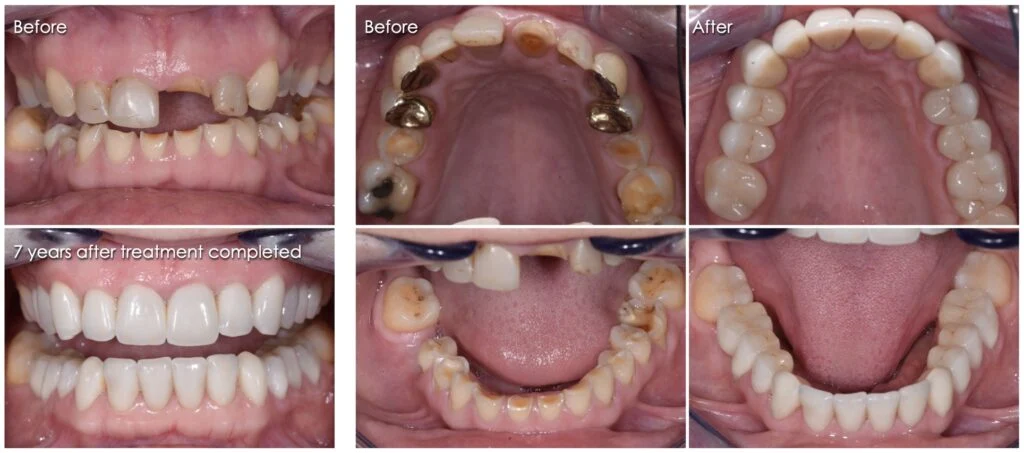
While navigating these immediate solutions, consider the long-term financial and health benefits of addressing your dental needs comprehensively. At Albania Dental Implants, we offer high-quality dental implant solutions at significantly lower costs compared to the UK. Our services include a range of implant options, from single tooth implants to full mouth reconstruction, performed by experienced professionals in a modern, state-of-the-art facility. Embrace the opportunity to achieve a healthy, confident smile without breaking the bank. Explore our options today and take the first step towards a lasting solution.