



Understanding how long does it take to remove all teeth and get implants? is a common concern for individuals considering this life-changing procedure. The timeframe varies considerably, depending on individual circumstances, the type of implant procedure chosen, and overall health. This comprehensive guide will walk you through the process, from initial extractions to the final placement of your new teeth, providing a realistic dental implant timeline and exploring the factors that can influence the duration.
What is the typical timeline for tooth removal and dental implants?
The dental implant timeline can vary significantly based on several factors, including whether you opt for immediate or delayed implants, the need for bone grafting, and your individual healing rate. Generally, the entire process can take anywhere from a few months to over a year.
What happens during tooth extraction?
Tooth extraction is the initial step in the process. The dentist will numb the area with local anaesthesia to ensure a pain-free procedure. In some cases, sedation may be used for patients with anxiety or complex extractions. The tooth is then carefully loosened and removed. If the tooth is severely damaged or impacted, a surgical extraction might be necessary, involving a small incision in the gum tissue.
How long does extraction and initial recovery take?
The initial recovery time after tooth removal typically lasts from one to two weeks. During this period, it’s essential to follow your dentist’s instructions carefully to promote healing and prevent complications. This includes taking prescribed pain medication, using a cold compress to reduce swelling, and eating soft foods. The extraction sites need time to heal before implants can be considered.
When can dental implants be placed after tooth removal?
The timing of implant placement after tooth removal is a crucial factor affecting the overall dental implant timeline. There are two primary approaches: immediate and delayed implant placement.
Can implants be placed immediately after tooth extraction?
In some cases, immediate vs delayed dental implants is a key decision. Immediate implant placement involves placing the dental implant directly into the socket immediately after tooth extraction. This approach can shorten the overall treatment time and preserve bone structure. However, it’s not suitable for everyone. Ideal candidates have sufficient bone density and are free from infection.
Why do some patients need to wait before implants?
Delayed implant placement is often recommended when there is insufficient bone density, active infection, or other factors that could compromise the success of the implant. In these cases, the extraction site is allowed to heal completely, which can take several weeks or months, before the implant is placed. Sometimes, bone grafting before implants is needed to create a stable foundation for the implant. This adds to the overall timeline but is crucial for long-term success.
Step-by-step: Full mouth extraction to implant placement
The full mouth implants process is a complex journey that involves several stages, each with its own timeline. Understanding these steps can help you prepare for the procedure and manage your expectations.
Consultation and planning stage
The first step is a comprehensive consultation with a dental professional. This involves a thorough examination of your oral health, including X-rays and possibly a CT scan to assess bone density and identify any underlying issues. The dentist will discuss your treatment options, explain the procedure in detail, and create a personalized treatment plan. This plan will outline the number of implants needed, the type of restoration, and the estimated timeline and cost of dental implants in Albania.
Tooth extraction procedure
If you require tooth extractions, this will be the next step. As mentioned earlier, the dentist will use local anaesthesia to numb the area and carefully remove the teeth. In some cases, a bone graft may be placed at the time of extraction to preserve bone volume for future implant placement.
Initial healing period
Following tooth extraction, there is an initial healing period for dental implants. The gums need time to heal, which typically takes one to two weeks. During this time, you’ll need to follow your dentist’s instructions carefully to prevent infection and promote healing.
Bone grafting (if needed)
If you have insufficient bone density in the jaw, a bone graft may be necessary to create a stable foundation for the implants. Bone grafting in Albania can add several months to the overall treatment timeline, as the bone graft needs time to fuse with the existing bone.
Implant surgery and placement
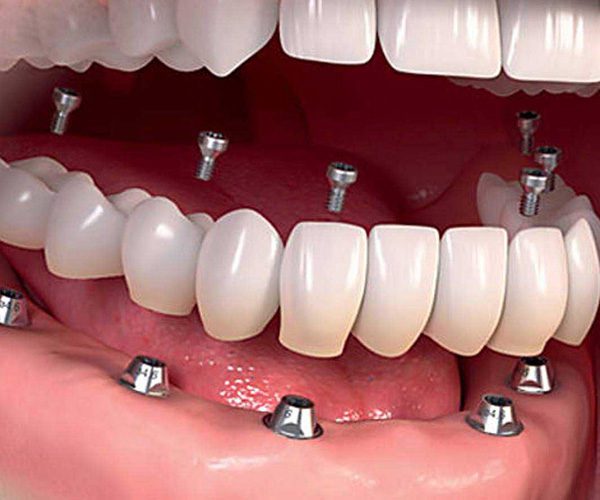
Once the extraction sites have healed and any necessary bone grafting has been completed, the implant surgery can proceed. This involves making a small incision in the gum tissue and placing the dental implants into the jawbone. The number of implants needed will depend on the type of restoration you’re receiving, such as a full arch of teeth or individual crowns.
Osseointegration and healing
After implant placement, the implants need to fuse with the jawbone in a process called osseointegration. This is a critical step for the long-term success of the implants. The healing period for dental implants can take several months, typically three to six months, during which the bone grows around the implants, providing a secure and stable foundation for the final restoration.
Final restoration (placement of teeth/prosthesis)
Once osseointegration is complete, the final restoration can be placed. This involves attaching the abutments (connectors) to the implants and then securing the final teeth or prosthesis. The final restoration can be individual crowns, a bridge, or a full arch of teeth, depending on your treatment plan. With a skilled professional such as Albania Dental Implants Services, you can be certain your treatment is completed with care.
How long is the total recovery process?
The recovery time after tooth removal and implant placement varies depending on the type of procedure and your individual healing rate. However, understanding the general timeline can help you prepare for the process.
Timeline with immediate implants
With immediate implants, the total treatment time can be significantly shorter. In some cases, you may be able to receive temporary teeth on the same day as the implant placement. However, it’s still important to allow adequate time for osseointegration, which can take several months. The entire process, from extraction to final restoration, may be completed in as little as three to six months.
Timeline with delayed implants
With delayed implants, the total treatment time will be longer, as you need to allow time for the extraction sites to heal and any necessary bone grafting to be completed. The entire process can take anywhere from six months to over a year, depending on the complexity of your case.
When can you eat normally and return to daily life?
After implant placement, you’ll need to follow a soft food diet for several weeks to allow the gums to heal. As the gums heal and the implants osseointegrate, you can gradually introduce more solid foods. Most patients can return to their normal daily activities within a few days after implant placement, although strenuous activities should be avoided for a week or two. The experts at Albania Dental Implants can consult with you on the proper plan for recovery.
What are the alternatives and variations in treatment timing?
Several alternatives and variations in treatment timing can affect the overall dental implant timeline. These include same-day implants, standard staged implants, and All-on-4 implants.
Same-day (immediate load) dental implants
Same day dental implants, also known as immediate load implants, allow you to receive implants and temporary teeth on the same day. This approach can significantly shorten the treatment time and provide immediate aesthetic benefits. However, it’s not suitable for everyone, as it requires excellent bone density and stability. The final restoration is typically placed several months later, after osseointegration is complete. To learn more, contact Albania dental implants today.
Standard staged implants
Standard staged implants involve multiple stages, including tooth extraction, bone grafting (if needed), implant placement, osseointegration, and final restoration. This approach is more traditional and can take longer, but it allows for careful monitoring and ensures optimal implant stability.
All-on-4 full arch implants timeline
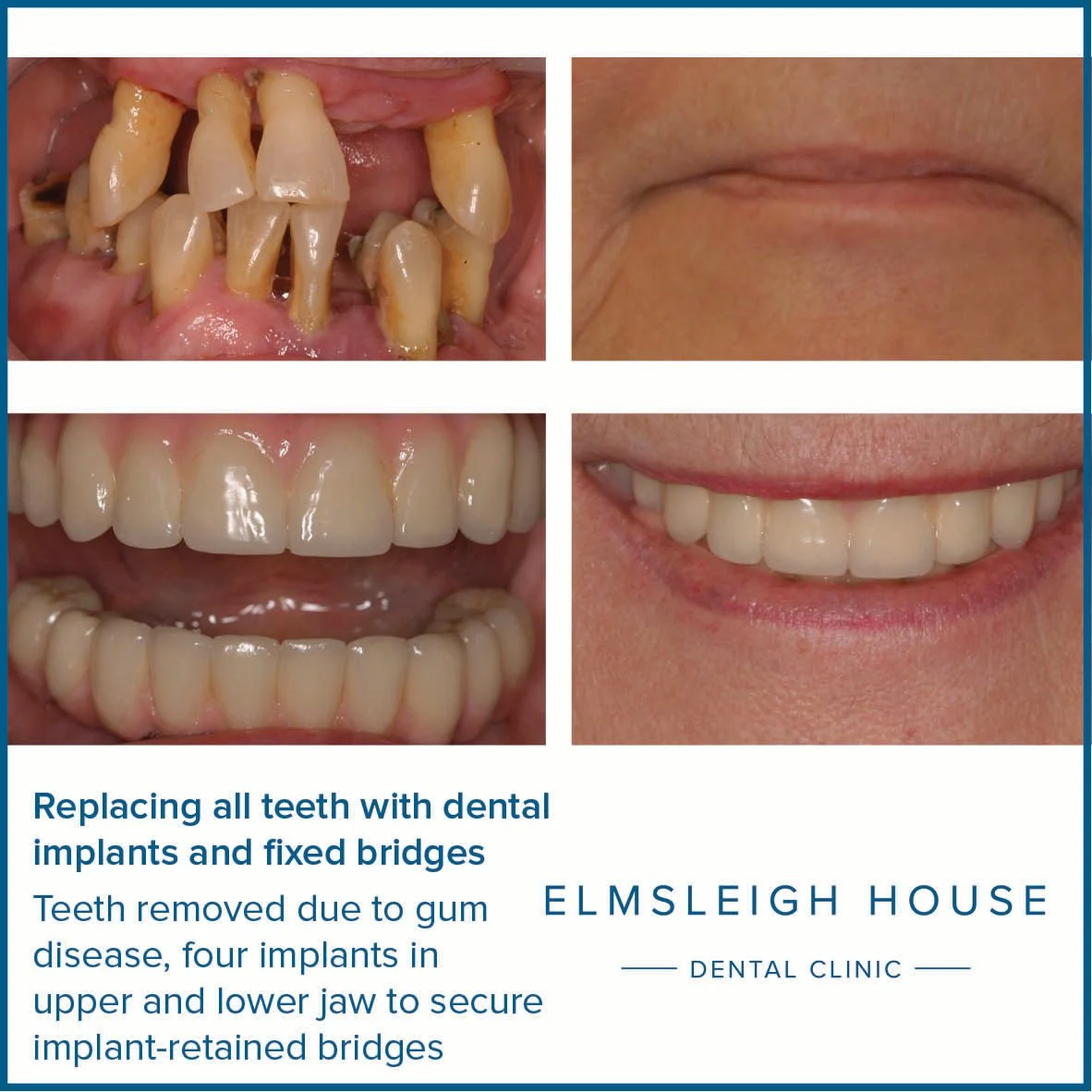
The All-on-4 implant timeline is a popular option for patients who need to replace an entire arch of teeth. This technique involves placing four dental implants in the upper or lower jaw and then attaching a full arch of replacement teeth to the implants. The All-on-4 procedure can often be completed in a single day, and the total treatment time is typically shorter than with traditional implants. The all on 4 dental implants in Albania are a great option for a fast and permanent solution.
What factors influence how long the process takes?
Several factors can influence how long it takes to remove all teeth and get implants?, including patient health, bone quality, and lifestyle habits.
Patient health and bone quality
Your overall health and bone quality play a significant role in the success and timeline of dental implant treatment. Patients with good general health and sufficient bone density are typically better candidates for implants and may experience shorter treatment times. Pre-existing medical conditions, such as diabetes or autoimmune disorders, can affect healing and may prolong the process.
Need for bone grafting or sinus lift
As mentioned earlier, the need for bone grafting or a sinus lift can add several months to the overall treatment timeline. Bone grafting is necessary when there is insufficient bone density in the jaw to support the implants. A sinus lift is a procedure that increases the amount of bone in the upper jaw, often required when implants are placed in the back of the mouth.
Smoking, age, and chronic health issues
Smoking, age, and chronic health issues can all affect healing and implant success. Smoking can impair blood flow to the gums and bone, which can slow down healing and increase the risk of implant failure. Older patients may also experience slower healing rates. Chronic health issues, such as diabetes, can also compromise healing and increase the risk of complications.
Possible complications prolonging treatment
Although dental implants have a high success rate, complications can occur that may prolong the treatment timeline. These complications can include infection, nerve damage, implant failure, and rejection. In such cases, additional treatment may be required to address the complication and ensure the long-term success of the implants. Understanding risks and complications is a key component of the decision-making process.
What does aftercare and long-term maintenance involve?
Aftercare for dental implants is crucial for ensuring their long-term success and maintaining good oral health.
Follow-up visits and care tips
After implant placement, you’ll need to attend regular follow-up visits with your dentist to monitor healing and implant stability. Your dentist will provide you with specific care tips, such as brushing and flossing regularly, using a special interdental brush to clean around the implants, and avoiding hard or sticky foods that could damage the implants.
Monitoring healing and implant stability
During follow-up visits, your dentist will monitor the healing of the gums and bone around the implants. They may also take X-rays to assess implant stability and ensure that osseointegration is progressing as expected. If any issues are detected, your dentist will provide appropriate treatment to address the problem and prevent further complications.
Cost and financing options for teeth implants
The cost and financing teeth implants are important considerations for many patients. Understanding the average costs and available financing options can help you make an informed decision.
Average UK pricing by treatment type
The average cost of dental implants in the UK can vary depending on the type of implant, the number of implants needed, and the complexity of the procedure. Single tooth implants can range from £2,000 to £4,000 per implant, while full mouth implants can cost anywhere from £10,000 to £30,000 or more. However, choosing dental tourism in Albania might be a great way to reduce your expenses.
Payment and financing plans
Many dental clinics offer payment plans and financing options to help patients manage the cost of dental implants. These plans may involve spreading the cost over several months or years, with interest charges. Some clinics also offer discounts for patients who pay in full upfront. It’s important to discuss your payment options with your dentist and explore all available financing options to find a plan that fits your budget. For a more affordable option, consider the cost of dental implants in Albania.
Frequently Asked Questions
How long does it take to remove all teeth and get implants?
The entire process can take anywhere from a few months to over a year, depending on individual circumstances and the type of procedure chosen.
Can dental implants be placed immediately after tooth removal?
Yes, in some cases, implants can be placed immediately after tooth extraction, but it’s not suitable for everyone.
How long is the recovery after extractions and before implants?
The initial recovery after extractions typically lasts one to two weeks. If delayed implants are planned, the extraction sites need several weeks or months to heal completely before implants can be placed.
What affects the length of the dental implant process?
Factors that can affect the length of the process include patient health, bone quality, the need for bone grafting, smoking, age, and possible complications.
Is it possible to have teeth in a day?
Yes, with same-day implants (immediate load implants) or the All-on-4 procedure, it’s possible to receive implants and temporary teeth on the same day.
How long until I can eat and speak normally again?
You’ll need to follow a soft food diet for several weeks after implant placement. Most patients can return to normal eating and speaking habits within a few weeks to a few months, depending on the complexity of their case.
What are the risks if I get implants soon after removal?
Possible risks include infection, implant failure, and poor osseointegration. Careful evaluation and planning are essential to minimize these risks.
Do I need bone grafting before implants?
You may need bone grafting if you have insufficient bone density in the jaw to support the implants.
How much do full mouth dental implants cost in the UK?
Full mouth dental implants in the UK can cost anywhere from £10,000 to £30,000 or more, depending on the complexity of the case and the materials used.
How do I care for my new implants after surgery?
Care involves brushing and flossing regularly, using a special interdental brush to clean around the implants, and attending regular follow-up visits with your dentist.
Embarking on the journey to replace all your teeth with implants can seem daunting, but with proper planning and care, it can be a life-changing experience. At Albania Dental Implants, we are committed to providing you with the highest quality dental care at an affordable price. We offer a range of implant options to suit your individual needs and budget, and our experienced team will guide you through every step of the process, from initial consultation to final restoration. Consider a full mouth reconstruction in Albania to change your life!
Ready to transform your smile and regain your confidence? Contact us today to schedule a consultation and learn more about how we can help you achieve a healthy, beautiful smile with dental implants. Contact Albania Dental Implants now!