



Understanding how long it takes to get a full set of teeth? is crucial for parents tracking their child’s development and adults considering restorative dental procedures. This comprehensive guide explores the timelines for baby teeth and permanent teeth, the factors that influence tooth development, and what to expect at each stage. Whether you’re concerned about your child’s dental milestones or exploring options for replacing missing teeth, this article provides the information you need to make informed decisions.
What is considered a “full set of teeth”?
Before delving into the timelines, let’s clarify what constitutes a “full set of teeth”. The definition differs significantly between children and adults, involving distinctions between baby teeth and permanent teeth, as well as the eventual emergence of wisdom teeth. Understanding these differences is crucial for tracking dental development and addressing any potential concerns early on.
Defining a full set of teeth: Milk teeth vs permanent teeth
In children, a full set of teeth refers to the complete set of primary or “baby” teeth, also known as milk teeth. This set typically consists of 20 teeth: 10 in the upper jaw and 10 in the lower jaw. These teeth play a crucial role in chewing, speech development, and holding space for the permanent teeth that will eventually replace them.
In adults, a full set of teeth usually comprises 32 teeth, including wisdom teeth. This includes incisors, canines, premolars, and molars. However, it’s important to note that not everyone develops wisdom teeth, and some individuals may have them removed due to impaction or other dental issues. Therefore, a “full set” can also refer to 28 teeth without wisdom teeth.
Number of teeth at different stages
Here’s a quick overview of the number of teeth at different stages of life:
- Baby teeth (milk teeth): 20 teeth
- Permanent teeth (excluding wisdom teeth): 28 teeth
- Permanent teeth (including wisdom teeth): 32 teeth
Dental development milestones
Several key dental development milestones mark the journey to a full set of teeth:
- First tooth eruption: Typically occurs around 6 months of age.
- Complete set of baby teeth: Usually present by age 3.
- First permanent tooth eruption: Around age 6, often the lower central incisors.
- Complete set of permanent teeth (excluding wisdom teeth): Generally achieved by age 12-13.
- Wisdom teeth eruption: Typically occurs between ages 17 and 25, although some people never develop them.
For adults who have experienced tooth loss, understanding how many teeth make a full set is vital when exploring restorative options like dental implants in Albania. This knowledge aids in planning treatment and setting realistic expectations.
Baby teeth eruption timeline
Understanding the baby teeth development timeline is essential for parents to monitor their child’s dental health and ensure proper oral hygiene from an early age. While the exact timing can vary, a general pattern exists for the eruption of milk teeth. This timeline helps parents anticipate developmental stages and address potential issues promptly.
When do the first teeth appear?
The first tooth typically erupts around 6 months of age, although it can range from 3 months to 1 year. The lower central incisors are usually the first to emerge, followed by the upper central incisors. Teething can be an uncomfortable process for babies, often accompanied by symptoms like drooling, gum irritation, and fussiness. Dental care during teething is crucial to ease discomfort and establish healthy habits.
Average age for complete set of baby teeth
Most children have a full set of 20 baby teeth by the age of 3. This includes incisors, canines, and molars. While variations can occur, this timeline provides a general guideline for parents to track their child’s dental development.
Order and timing of eruption
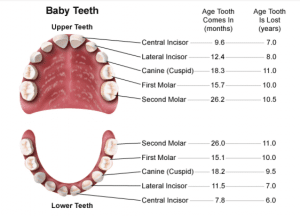
The typical order of baby teeth eruption is as follows:
- Lower central incisors (6-10 months)
- Upper central incisors (8-12 months)
- Upper lateral incisors (9-13 months)
- Lower lateral incisors (10-16 months)
- First molars (13-19 months)
- Canines (16-22 months)
- Second molars (25-33 months)
It’s important to remember that this is just a guideline, and individual variations are normal. If you have concerns about your child’s tooth eruption timeline, consult with a dentist.
Typical age for losing baby teeth
Children typically begin to lose their baby teeth around age 6. The process of tooth loss and replacement continues until early adolescence, as permanent teeth gradually erupt and replace the primary teeth. The first teeth to be lost are usually the lower central incisors, mirroring the order of eruption.
Permanent teeth development
As children transition into adolescence, permanent teeth ages become a focal point of dental development. These teeth are meant to last a lifetime, making their proper development and care essential. Understanding the timeline for permanent teeth eruption helps parents and children prepare for the changes and maintain optimal oral health.
When do permanent teeth start to appear?
Permanent teeth typically begin to erupt around age 6, with the lower central incisors often being the first to emerge. This marks the beginning of a new stage in dental development, as the mouth prepares for a full set of adult teeth.
Timeline for getting all permanent teeth (excluding/including wisdom teeth)
The timeline for permanent teeth eruption varies, but generally follows this pattern:
- First molars: 6-7 years
- Central incisors: 6-8 years
- Lateral incisors: 7-9 years
- Premolars: 10-12 years
- Canines: 9-13 years
- Second molars: 11-13 years
- Wisdom teeth: 17-25 years (or later, or never)
Excluding wisdom teeth, most individuals have a full set of 28 permanent teeth by the age of 13. Including wisdom teeth, the full set of 32 teeth is usually complete by the mid-twenties, assuming all wisdom teeth erupt successfully.
For those who have missing permanent teeth due to decay, injury, or other factors, all on 4 dental implants in Albania offer a comprehensive solution to restore a full and functional smile.
Gaps and overlaps with baby teeth loss
The process of permanent teeth eruption involves a period of overlap with baby teeth loss. As permanent teeth develop beneath the gums, they gradually resorb the roots of the baby teeth, causing them to loosen and eventually fall out. This process creates gaps in the mouth, which are gradually filled as the permanent teeth erupt.
Stages of adult dental development
Adult dental development primarily focuses on maintaining the health and integrity of the permanent teeth. This includes:
- Preventive care: Regular dental checkups, cleanings, and oral hygiene practices.
- Restorative care: Addressing cavities, gum disease, and other dental issues.
- Orthodontic treatment: Correcting misaligned teeth or jaws.
- Tooth replacement: Considering options like dental implants, bridges, or dentures for missing teeth.
Factors affecting tooth development speed
Several factors can influence the speed of tooth development, affecting both baby teeth and permanent teeth. Understanding these factors can help parents and individuals anticipate potential variations and address any underlying issues that may be affecting dental milestones in children.
Genetics
Genetics play a significant role in tooth development. The timing and order of tooth eruption can be influenced by inherited traits. If parents experienced early or late tooth eruption, their children may exhibit similar patterns.
Nutrition
Proper nutrition is crucial for healthy tooth development. A balanced diet rich in calcium, phosphorus, and vitamin D is essential for building strong teeth. Deficiencies in these nutrients can delay tooth eruption or increase the risk of dental problems.
Health and medical factors
Certain health conditions and medical treatments can affect tooth development. For example, premature birth, low birth weight, and certain genetic disorders can delay tooth eruption. Additionally, some medications can interfere with tooth development.
Early or late eruption issues
Early or late eruption issues can sometimes indicate underlying problems. While minor variations are normal, significant deviations from the typical tooth eruption timeline should be evaluated by a dentist. Early eruption may be caused by hormonal imbalances or other medical conditions, while late eruption may be due to nutritional deficiencies or genetic factors.
For adults facing challenges due to impacted or missing teeth, exploring options for oral surgery in Albania can provide effective solutions to address these issues.
Common dental milestones and what to expect
Tracking common dental milestones helps ensure healthy tooth development and allows for early intervention if any issues arise. Understanding what to expect at each stage empowers parents and individuals to proactively care for their teeth and seek professional help when needed.
Signs of normal vs delayed tooth development
While individual variations exist, certain signs indicate normal tooth development:
- Baby teeth: Eruption of the first tooth around 6 months, complete set by age 3.
- Permanent teeth: Eruption of the first permanent tooth around age 6, complete set (excluding wisdom teeth) by age 13.
Signs of delayed tooth development include:
- No tooth eruption by 1 year of age.
- Significant delays in the eruption of subsequent teeth.
- Missing teeth or abnormal tooth shape.
When to consult a dentist
Consult a dentist if you notice any of the following:
- Delayed tooth eruption.
- Abnormal tooth shape or size.
- Pain, swelling, or bleeding in the gums.
- Difficulty chewing or speaking.
- Signs of tooth decay or gum disease.
Addressing tooth loss or missing teeth
Tooth loss or missing teeth can have a significant impact on oral health and overall well-being. Several options are available to address these issues, including:
- Dental implants: A long-term solution that involves surgically placing a titanium post into the jawbone to support a replacement tooth.
- Dental bridges: A fixed appliance that replaces missing teeth by attaching artificial teeth to adjacent natural teeth.
- Dentures: Removable appliances that replace missing teeth and surrounding tissues.
The best option for addressing tooth loss or missing teeth depends on individual factors such as the number of missing teeth, the condition of the surrounding teeth and gums, and the patient’s overall health and preferences.
Dental care during tooth development
Establishing proper oral hygiene for new teeth early in life is crucial for maintaining healthy teeth and gums throughout life. Both kids and adults benefit from consistent dental care practices, which help prevent cavities, gum disease, and other dental problems. Emphasizing oral hygiene for new teeth from the start sets the foundation for a lifetime of healthy smiles.
Oral hygiene tips for kids and adults
Here are some essential oral hygiene tips:
- Brush your teeth at least twice a day with fluoride toothpaste.
- Floss daily to remove plaque and food particles from between your teeth.
- Use a soft-bristled toothbrush and replace it every 3 months.
- Limit sugary foods and drinks.
- Visit your dentist regularly for checkups and cleanings.
Caring for new teeth
Caring for new teeth requires extra attention to ensure they develop properly and remain healthy. For babies, gently wipe their gums with a soft, damp cloth after each feeding. As soon as the first tooth erupts, start brushing it gently with a soft-bristled toothbrush and fluoride toothpaste.
For older children and adults, teach them the importance of brushing and flossing correctly. Supervise young children while brushing to ensure they are cleaning all surfaces of their teeth effectively.
Preventing dental problems at different stages
Preventing dental problems requires different strategies at different stages of life:
- Infancy: Wipe gums after feeding, avoid sugary drinks in bottles.
- Childhood: Supervise brushing, limit sugary snacks, consider fluoride treatments.
- Adolescence: Maintain good oral hygiene, avoid tobacco and excessive alcohol consumption.
- Adulthood: Continue good oral hygiene, address any dental problems promptly, consider professional teeth whitening or other cosmetic procedures.
Maintaining excellent oral health is particularly important for those considering procedures such as cosmetic dentistry in Albania, ensuring the best possible outcomes.
FAQ – Frequently Asked Questions
How long does it take for all baby teeth to come in?
Most children have all 20 baby teeth by the age of 3. The eruption process typically starts around 6 months of age and continues gradually over the next two and a half years.
At what age does a child get a full set of permanent teeth?
A child typically gets a full set of permanent teeth (excluding wisdom teeth) by the age of 13. The eruption of permanent teeth starts around age 6 and continues until early adolescence.
What is the difference between milk teeth and adult teeth?
Milk teeth, also known as baby teeth or primary teeth, are the first set of teeth that erupt in childhood. They are smaller and fewer in number (20 teeth) compared to adult teeth (32 teeth). Milk teeth eventually fall out and are replaced by permanent adult teeth.
When do wisdom teeth appear?
Wisdom teeth, also known as third molars, typically appear between the ages of 17 and 25. However, some people never develop wisdom teeth, or they may remain impacted beneath the gums.
Why might tooth eruption be delayed?
Tooth eruption can be delayed due to various factors, including genetics, nutritional deficiencies, health conditions, and certain medications. In some cases, there may be no identifiable cause for delayed eruption.
Is it normal to lose baby teeth early or late?
Losing baby teeth slightly earlier or later than the typical age range (around 6 years) is usually not a cause for concern. However, significant deviations from the norm should be evaluated by a dentist to rule out any underlying problems.
How can parents support healthy tooth growth?
Parents can support healthy tooth growth by ensuring their children receive a balanced diet rich in calcium, phosphorus, and vitamin D. They should also establish good oral hygiene habits early in life, including brushing twice a day with fluoride toothpaste and flossing daily.
Can adults ever “regrow” teeth naturally?
No, adults cannot naturally “regrow” teeth. Once permanent teeth are lost, they do not regenerate. However, several tooth replacement options are available, such as dental implants, bridges, and dentures.
If you are considering Albania Dental Implants to address missing teeth, it’s important to understand the procedure, costs, and potential benefits to make an informed decision.