



Dental implants offer a robust and aesthetically pleasing solution for replacing missing teeth, but their longevity is influenced by various factors. This article will explore the typical lifespan of dental implants in the UK, the factors affecting their durability, and how proper maintenance can maximize their lifespan. We’ll also compare dental implants to other tooth replacement options and discuss the associated costs, warranties, and patient experiences. For those seeking high-quality and affordable dental solutions, exploring options such as dental tourism in Albania can be a viable alternative, combining treatment with a unique travel experience.
Dental implant lifespan in the UK
The dental implant lifespan in the UK is a primary concern for patients considering this treatment. Dental implants are designed to be a long-lasting solution, but how long can you realistically expect them to last? Let’s delve into the typical lifespan, expert opinions, and average years of use for most patients in the UK.
How long do dental implants typically last in the UK?
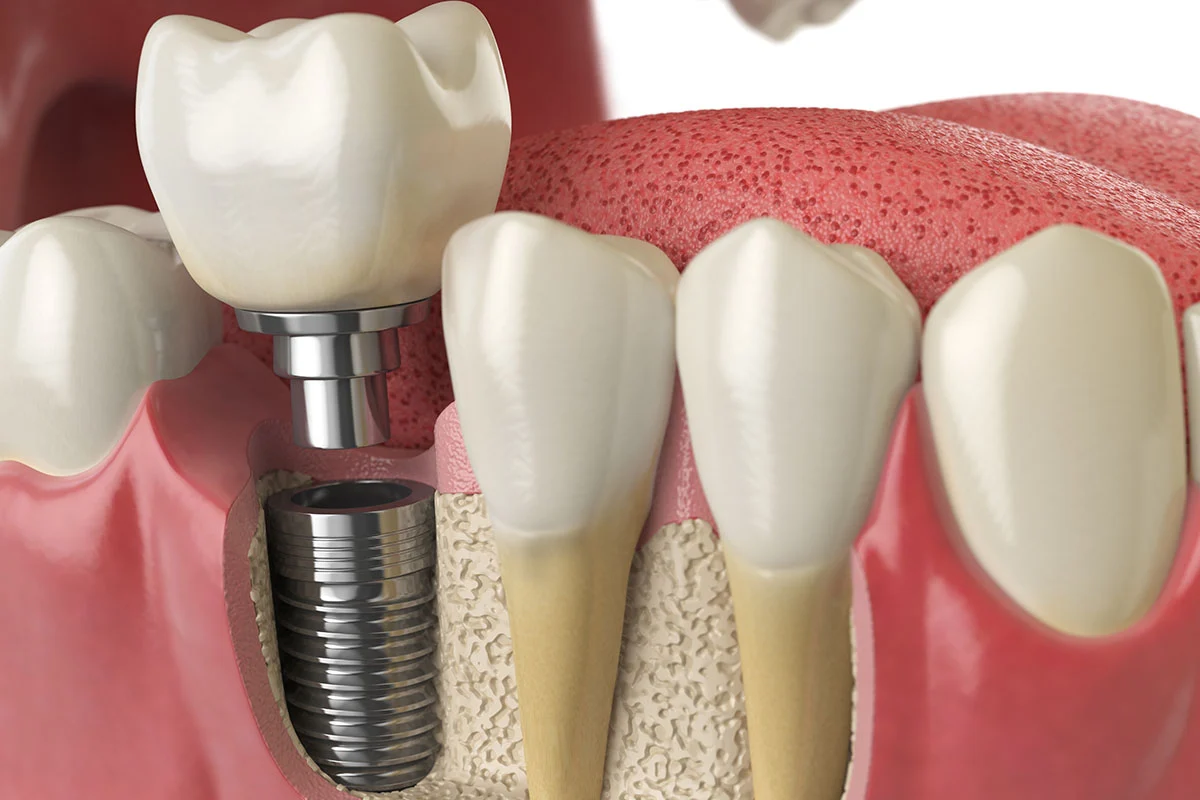
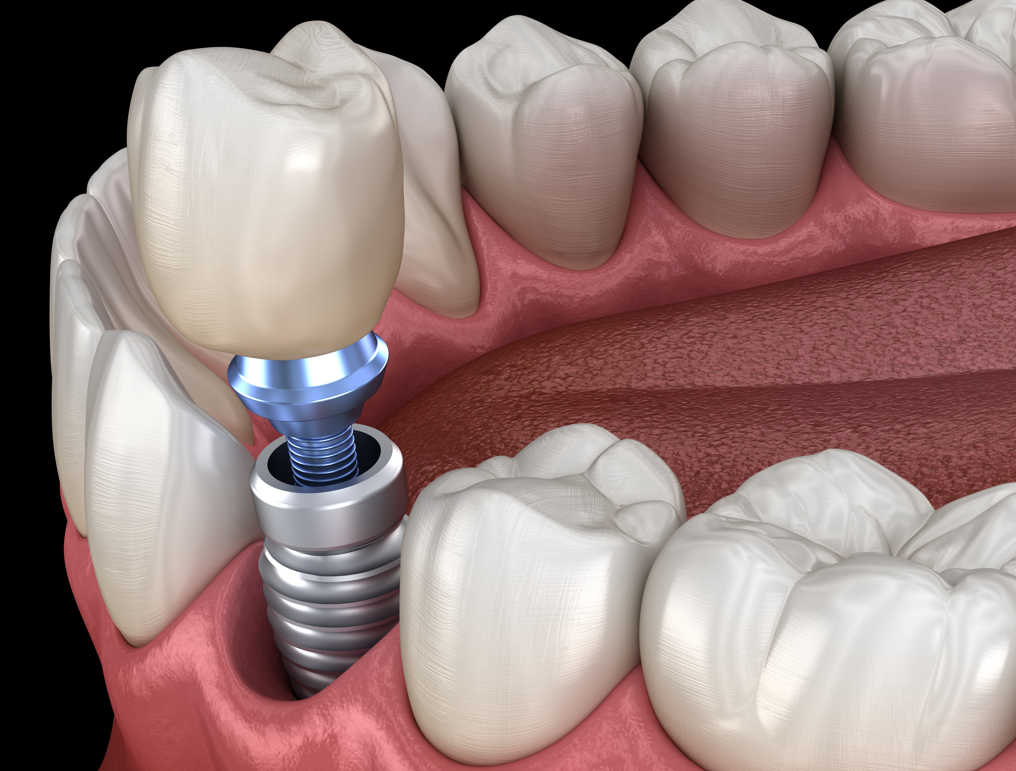
Generally, dental implants are expected to last for 15-25 years, and with proper care, they can even last a lifetime. The implant itself, which is the titanium post fused to the jawbone, is incredibly durable and can remain stable for decades. However, the crown (the visible artificial tooth) may need replacement every 10-15 years due to wear and tear.
Statistics or expert consensus on expected implant longevity
Dental professionals generally agree that the success rate of dental implants is high, with studies showing a success rate of around 95% after 10 years. According to a study published in the Journal of Oral Implantology, approximately 80% of dental implants last for more than 20 years. This highlights the long-term reliability of dental implants when properly placed and maintained.
Expert dentists emphasize the importance of regular check-ups and good oral hygiene practices to ensure the longevity of dental implants. These factors play a significant role in preventing complications and ensuring the implant remains stable and functional for many years.
Average years of use for most patients
For most patients in the UK, the average years of use for dental implants fall within the 15-25 year range. However, many individuals experience even longer-lasting results. Several factors can influence this, including the patient’s oral hygiene habits, overall health, and lifestyle choices. Proper maintenance and regular dental visits are key to maximizing the lifespan of dental implants.
Choosing a high-quality dental clinic and experienced surgeon is vital. At Albania Dental Implants, we pride ourselves on our expertise and commitment to providing top-tier dental implant services, ensuring our patients receive the best possible care for long-lasting results. Considering options such as dental tourism in Albania can provide access to affordable, high-quality dental care.
Factors affecting dental implant longevity
Many factors affecting dental implant longevity play a critical role in the success and durability of dental implants. These factors can range from oral hygiene practices to lifestyle choices and the quality of dental care received. Let’s explore these elements in detail to understand how they influence the lifespan of dental implants.
Oral hygiene impact on implant lifespan
Maintaining excellent oral hygiene is paramount for the longevity of dental implants. Poor oral hygiene can lead to the accumulation of plaque and bacteria around the implant, causing inflammation and potentially leading to peri-implantitis, a condition that can compromise the stability of the implant.
- Brushing at least twice a day with a soft-bristled toothbrush.
- Flossing daily to remove plaque and debris from hard-to-reach areas.
- Using an interdental brush to clean around the implant.
- Rinsing with an antibacterial mouthwash to reduce bacteria.
Consistent and thorough oral hygiene practices are essential for preventing complications and ensuring the long-term success of dental implants.
Smoking and its effect on implants
Smoking is a significant risk factor that can negatively impact the success and longevity of dental implants. Smoking impairs the body’s ability to heal and increases the risk of infection, both of which can lead to implant failure. Studies have shown that smokers have a higher rate of implant failure compared to non-smokers.
Smoking reduces blood flow to the gums, which is necessary for proper healing and osseointegration (the process by which the implant fuses with the jawbone). Quitting smoking before and after implant placement can significantly improve the chances of success and extend the lifespan of the implant.
Age, bone health, and implant durability
Age and bone health are crucial factors that influence the durability of dental implants. While age itself is not a contraindication for dental implants, bone density and overall health can affect the success of the procedure.
- Adequate bone density is necessary to support the implant.
- Bone grafting may be required if there is insufficient bone volume.
- Older patients may have underlying health conditions that affect healing.
A thorough evaluation of bone health and overall medical condition is essential to determine the suitability of dental implants for individual patients. Procedures like bone grafting in Albania are viable options to improve bone density and support implant success.
Quality of UK dental clinics and surgeons
The quality of dental clinics and the expertise of surgeons in the UK play a significant role in the success and longevity of dental implants. Choosing a reputable clinic with experienced and qualified professionals is essential for ensuring the best possible outcome.
Experienced surgeons can accurately assess the patient’s needs, develop a personalized treatment plan, and perform the implant procedure with precision. The use of high-quality materials and advanced techniques can also contribute to the long-term success of dental implants.
Implant type and material
The type of implant and the material used can affect the longevity of dental implants. Most dental implants are made of titanium, which is biocompatible and has a high success rate. However, other materials like zirconia are also used.
- Titanium implants are durable and well-studied.
- Zirconia implants in Albania are a metal-free alternative with good aesthetics.
- The design and surface of the implant can influence osseointegration.
The choice of implant type and material should be based on the patient’s individual needs and preferences, as well as the dentist’s recommendations.
UK-specific aftercare considerations
Aftercare considerations specific to the UK healthcare system can influence the longevity of dental implants. Access to regular check-ups and professional cleanings is essential for maintaining the health of the implant.
Patients should follow the dentist’s instructions for aftercare, which may include using specific oral hygiene products and attending regular maintenance appointments. Understanding the available resources and support within the UK healthcare system is crucial for ensuring the long-term success of dental implants.
Dental implant failure rates UK
Understanding dental implant failure rates UK is crucial for patients considering this treatment. While dental implants have a high success rate, failures can occur. Knowing the common reasons for failure, recognizing the signs and symptoms of issues, and understanding how to reduce the risk can help patients make informed decisions and take proactive steps to protect their investment.
Common reasons for dental implant failure in the UK
Several factors can contribute to dental implant failure in the UK. These include:
- Peri-implantitis: Infection and inflammation around the implant.
- Poor osseointegration: Failure of the implant to fuse with the jawbone.
- Smoking: Impairs healing and increases infection risk.
- Poor oral hygiene: Leads to plaque and bacteria accumulation.
- Underlying health conditions: Such as diabetes or autoimmune diseases.
- Implant overloading: Excessive pressure on the implant due to bruxism or poor bite alignment.
Addressing these factors through proper oral hygiene, lifestyle modifications, and managing underlying health conditions can help reduce the risk of implant failure.
Signs and symptoms of implant issues
Recognizing the signs and symptoms of potential implant issues is essential for early intervention and preventing further complications. Common signs and symptoms include:
- Pain or discomfort around the implant.
- Swelling or redness of the gums.
- Bleeding when brushing or flossing.
- Loose implant.
- Difficulty chewing.
- Receding gums around the implant.
If you experience any of these symptoms, it is essential to consult your dentist promptly for evaluation and treatment.
What can reduce the risk of failure?
Several measures can be taken to reduce the risk of dental implant failure:
- Maintain excellent oral hygiene: Brush, floss, and use an antibacterial mouthwash daily.
- Quit smoking: Smoking significantly increases the risk of implant failure.
- Manage underlying health conditions: Control diabetes and other medical conditions.
- Attend regular dental check-ups: Professional cleanings and evaluations are essential.
- Follow dentist’s instructions: Adhere to aftercare instructions and maintenance recommendations.
- Consider bone grafting: If there is insufficient bone volume, consider a bone graft.
Taking these proactive steps can significantly improve the success rate and longevity of dental implants. Furthermore, considering dental solutions abroad, such as dental implants in Albania, offers the potential for high-quality care at a more affordable cost.
Maintenance and aftercare: Maximising dental implant lifespan in the UK
Proper dental implant aftercare UK is essential for maximising the lifespan of dental implants. Consistent maintenance practices and professional check-ups play a crucial role in preventing complications and ensuring the long-term success of the implant. Let’s explore the recommended maintenance practices, professional check-up schedules, and typical aftercare expectations in the UK.
Recommended maintenance practices
Following these recommended maintenance practices can significantly extend the lifespan of dental implants:
- Brush at least twice a day: Use a soft-bristled toothbrush and fluoride toothpaste.
- Floss daily: Clean between the implant and adjacent teeth.
- Use an interdental brush: Clean around the implant to remove plaque.
- Rinse with antibacterial mouthwash: Reduce bacteria and prevent infection.
- Avoid smoking: Smoking impairs healing and increases the risk of implant failure.
- Maintain a healthy diet: A balanced diet supports overall oral health.
Adhering to these practices helps prevent peri-implantitis and other complications that can compromise the implant’s stability.
Professional check-ups and cleaning
Regular professional check-ups and cleanings are essential for maintaining the health of dental implants. These appointments allow the dentist to:
- Evaluate the implant’s stability and function.
- Check for signs of inflammation or infection.
- Remove plaque and tartar build-up.
- Adjust the bite if necessary.
Typically, patients should schedule professional check-ups every six months, but the frequency may vary based on individual needs and risk factors.
Typical aftercare expectations
Understanding the typical aftercare expectations is crucial for ensuring a smooth recovery and long-term success. These expectations include:
- Following the dentist’s instructions for pain management.
- Taking prescribed medications as directed.
- Avoiding hard or sticky foods during the initial healing period.
- Maintaining excellent oral hygiene.
- Attending all scheduled follow-up appointments.
Proper aftercare helps prevent complications and promotes optimal healing.
Cost and insurance considerations
Understanding the cost and insurance considerations associated with dental implant maintenance is essential for budgeting and financial planning. While the NHS may not cover the full cost of dental implants, private insurance plans may offer some coverage.
Patients should inquire about the specific coverage options available and consider the potential out-of-pocket expenses for maintenance and check-ups. Exploring alternatives like cost of dental implants in Albania can significantly reduce expenses while still receiving high-quality care.
Dental implant durability compared to alternatives in the UK
When considering tooth replacement options, it’s essential to compare dental implant durability UK to that of alternatives like bridges and dentures. Understanding the longevity and quality of life associated with each option can help patients make informed decisions based on their individual needs and preferences.
Implants vs bridges vs dentures
Dental implants, bridges, and dentures each offer unique benefits and drawbacks. Here’s a comparison of their durability and suitability:
- Dental Implants: Known for their long-term durability and stability, dental implants can last a lifetime with proper care. They provide excellent support and function, closely mimicking natural teeth.
- Dental Bridges: Bridges typically last 5-15 years and require support from adjacent teeth. While they are a more affordable option, they may not provide the same level of stability and can impact the health of supporting teeth.
- Dentures: Dentures are removable appliances that can replace multiple teeth. They generally last 5-10 years and may require adjustments or replacements over time. Dentures can affect speech and eating habits and may not provide the same level of comfort and function as dental implants.
Choosing the right option depends on factors such as cost, oral health, and desired outcome.
Longevity and quality of life comparison
In terms of longevity, dental implants generally offer the most durable and long-lasting solution compared to bridges and dentures. Implants fuse with the jawbone, providing stability and preventing bone loss.
In terms of quality of life, dental implants offer several advantages:
- Improved chewing ability.
- Enhanced speech.
- Natural-looking appearance.
- Increased confidence.
While bridges and dentures can restore some function and aesthetics, they may not provide the same level of comfort and confidence as dental implants.
Cost, warranty, and reviews: What to expect for dental implants in the UK
Navigating the cost of dental implants UK, understanding the available warranties, and considering patient reviews are essential steps when considering dental implants. Let’s explore the current costs, warranty options, patient reviews, and the differences between NHS and private clinics in the UK.
Current costs and typical price range
The cost of dental implants in the UK can vary widely depending on several factors, including the number of implants needed, the complexity of the case, and the location of the clinic.
As of 2024, the typical price range for a single dental implant in the UK is £2,000 to £4,000. A full mouth reconstruction with dental implants can cost between £15,000 and £30,000 or more. These costs generally include the implant placement, abutment, and crown.
Factors that can influence the cost include:
- Bone grafting: Additional cost if bone volume is insufficient.
- Implant type: Different implant systems may have varying costs.
- Clinic location: Prices may vary between cities and regions.
Considering options like dental tourism in Albania offers a chance to significantly reduce these costs while still receiving high-quality dental care from experienced professionals.
Warranties available for UK dental implants
Many dental clinics in the UK offer warranties for dental implants. These warranties typically cover the implant itself and may include the abutment and crown.
Warranty coverage can vary, but common terms include:
- Coverage for implant failure due to osseointegration issues.
- Replacement of damaged or defective components.
- Specific time periods for coverage (e.g., 5 years, 10 years, or lifetime).
Patients should carefully review the terms and conditions of the warranty before proceeding with treatment to understand the coverage and any limitations.
Patient reviews/ratings
Patient reviews and ratings can provide valuable insights into the quality of care and patient satisfaction at different dental clinics. Online review platforms, such as Google Reviews, Trustpilot, and WhatClinic, offer a wealth of information from previous patients.
When evaluating patient reviews, consider:
- Overall rating and satisfaction levels.
- Specific comments about the dentist’s expertise, communication, and bedside manner.
- Experiences with the implant procedure and aftercare.
- Any reported issues or concerns.
While patient reviews can be subjective, they can provide valuable perspectives and help patients make informed decisions.
NHS vs private clinics
In the UK, dental implants are primarily available through private clinics. The NHS may offer dental implants in limited cases where there is a medical necessity, such as following trauma or cancer treatment.
Private clinics generally offer:
- Shorter waiting times.
- A wider range of implant options.
- More personalized treatment plans.
However, private treatment typically comes at a higher cost. Patients should weigh the benefits and drawbacks of NHS versus private care when considering dental implants.
Frequently Asked Questions (FAQ)
Here are some frequently asked questions about dental implants in the UK, answered in detail to provide you with comprehensive information.
What is the average lifespan of a dental implant in the UK?
The average lifespan of a dental implant in the UK is typically between 15 to 25 years. However, with excellent oral hygiene and regular dental check-ups, they can potentially last a lifetime. The crown, or artificial tooth attached to the implant, may need replacement every 10 to 15 years due to normal wear and tear.
Can dental implants last a lifetime?
Yes, dental implants can last a lifetime with proper care and maintenance. Factors such as good oral hygiene, regular dental visits, and overall health play a significant role in the longevity of the implant. Avoiding smoking and maintaining a balanced diet also contribute to the long-term success of dental implants.
How can I ensure my dental implants last longer?
To ensure your dental implants last longer, follow these essential tips:
- Maintain excellent oral hygiene: Brush twice daily, floss daily, and use an antibacterial mouthwash.
- Visit your dentist regularly: Schedule check-ups and professional cleanings every six months.
- Avoid smoking: Smoking significantly increases the risk of implant failure.
- Eat a balanced diet: Proper nutrition supports overall oral health.
- Protect your implants: If you grind your teeth, wear a nightguard to prevent excessive pressure on the implants.
What are signs dental implants are failing?
Signs that a dental implant may be failing include:
- Pain or discomfort around the implant site.
- Swelling or redness of the gums.
- Bleeding when brushing or flossing.
- Loose implant.
- Difficulty chewing.
- Receding gums around the implant.
If you experience any of these symptoms, consult your dentist immediately for evaluation and treatment.
Are dental implants worth it compared to other treatments?
Dental implants are often considered a worthwhile investment compared to other tooth replacement options like bridges and dentures. While the initial cost may be higher, dental implants offer several advantages:
- Long-term durability: Implants can last a lifetime with proper care.
- Improved quality of life: Implants function and feel like natural teeth, improving chewing ability and speech.
- Bone health: Implants help prevent bone loss in the jaw.
- Aesthetics: Implants provide a natural-looking smile.
While bridges and dentures are more affordable, they may require more frequent replacements and do not offer the same level of stability and functionality.
How often do dental implants need replacing in the UK?
Dental implants themselves rarely need replacing if properly maintained. However, the crown (the artificial tooth attached to the implant) may need replacement every 10 to 15 years due to normal wear and tear. Regular dental check-ups can help identify any issues early and prevent the need for implant replacement.
Does the NHS provide dental implants?
The NHS may provide dental implants in limited cases where there is a medical necessity, such as following trauma or cancer treatment. However, in most cases, dental implants are primarily available through private clinics. The NHS focuses on providing essential dental care, and cosmetic procedures like dental implants are typically not covered unless there is a significant health need. You can explore affordable options like dental implants in Albania.
Are there risks unique to UK patients?
There are no specific risks unique to UK patients regarding dental implants. However, factors such as access to specialist care and the cost of treatment may influence the overall experience. Patients in the UK have access to highly qualified dental professionals and advanced dental technology, ensuring a high standard of care.
How does aftercare differ in the UK?
Aftercare for dental implants in the UK follows standard dental practices. Patients receive detailed instructions on oral hygiene, medication, and follow-up appointments. The UK has a well-established dental healthcare system, ensuring patients have access to ongoing support and maintenance. Private clinics often offer comprehensive aftercare packages to support long-term implant success.
Do dental implant costs include follow-up care?
Whether dental implant costs include follow-up care depends on the clinic and treatment package. Some clinics offer all-inclusive packages that cover the implant placement, abutment, crown, and follow-up appointments. Other clinics may charge separately for follow-up care. It is essential to clarify what is included in the cost before proceeding with treatment.
Conclusion
In summary, how long do dental implants last in the UK depends on various factors, including oral hygiene, lifestyle choices, the quality of dental care, and the materials used. With proper maintenance and regular check-ups, dental implants can provide a long-lasting and reliable solution for missing teeth, significantly improving quality of life.
We encourage you to consult with a UK-qualified dental professional or consider the benefits of Albania Dental Implants for personalised advice and to explore the best options for your individual needs. By taking proactive steps to care for your dental implants, you can enjoy a confident and healthy smile for many years to come. Contact us today to learn more about how we can help you achieve the smile you’ve always wanted.