



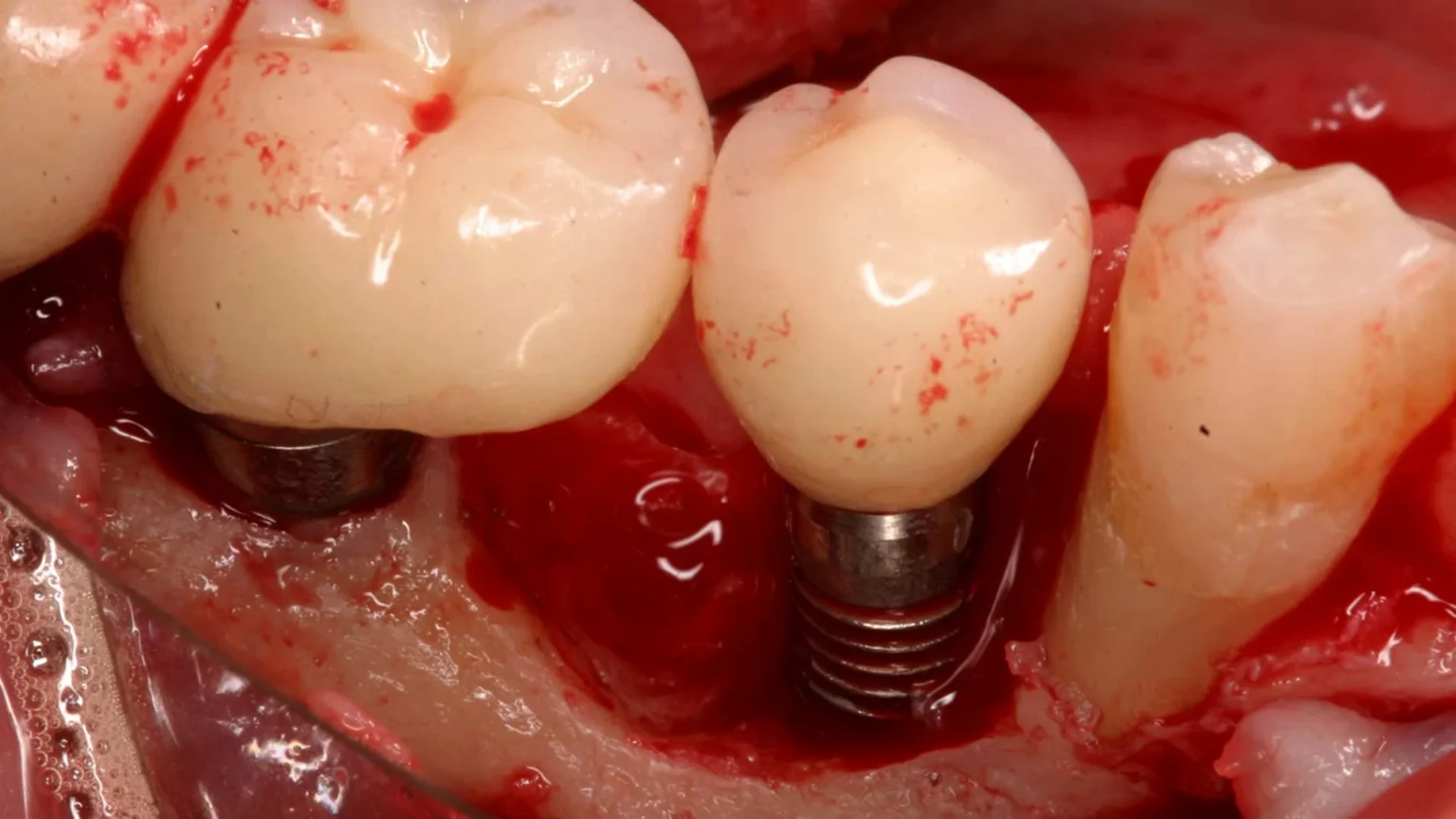

What does no one tell you about dental implants? It’s more than just a dental restoration; it’s a journey with hidden aspects, from the intricacies of the procedure to the long-term commitment required for a successful outcome. This comprehensive guide unveils the unspoken truths about dental implants, empowering you to make an informed decision about your dental health and explore options like receiving dental tourism in Albania.
Introduction: Dental Implants Unveiled
Considering a permanent solution for missing teeth? The dental implant procedure is a popular and effective option, offering numerous benefits in terms of functionality and aesthetics. However, to truly understand if dental implants are the right choice for you, it’s crucial to go beyond the surface-level information. We’ll delve into the pros and cons of dental implants, exploring the realities of this long-term dental solution.
Understanding the Basics of Dental Implants
Dental implants are designed to replace missing teeth by fusing directly with your jawbone. This provides a stable and long-lasting foundation for artificial teeth, offering a level of comfort and functionality that dentures or bridges can’t match. However, the process involves several stages and requires careful consideration of your individual circumstances.
Beyond the Hype: Honest Insights into Dental Restoration
While dental implants boast a high success rate, it’s essential to have realistic expectations. This article provides an honest overview of what to expect before, during, and after the procedure, equipping you with the knowledge to navigate your dental implant journey with confidence. We will explore the option of getting dental implants in Albania and discuss the potential benefits it can bring.
1. The Parts of a Dental Implant Nobody Talks About
When considering dental implants, the focus is often on the visible artificial tooth. However, understanding the individual dental implant components is crucial for appreciating the entire process and its long-term success. Let’s explore the less-discussed aspects of the implant structure.
The Implant Screw: The Foundation of Your New Tooth
The implant screw, typically made of titanium, is surgically placed into your jawbone. This screw acts as the artificial root, providing a strong and stable anchor for the replacement tooth. The biocompatibility of titanium allows for osseointegration, the process where the bone fuses directly to the implant surface.
The Abutment: Connecting the Implant to the Crown
The abutment serves as a connector between the implant screw and the artificial tooth (crown). This small but crucial component is usually made of titanium, gold, or porcelain and is screwed onto the implant. The abutment provides a secure base for the crown and ensures a natural-looking emergence profile.
Osseointegration: The Key to Long-Term Success
Osseointegration is the process by which the jawbone grows around and fuses with the dental implant. This biological process is vital for the implant’s stability and long-term success. Factors like bone density, surgical technique, and implant surface characteristics play a crucial role in achieving successful osseointegration.
2. The True Recovery Timeline
Dental implant healing isn’t an overnight process. Understanding the various recovery stages is essential for managing expectations and ensuring optimal results. It’s important to know what to expect and follow aftercare tips diligently.
Initial Healing: The First Few Days After Dental Surgery
The initial days after dental implant surgery typically involve some discomfort, swelling, and bruising. Your dentist will likely prescribe pain medication and provide specific instructions for managing these symptoms. Gentle rinsing with saltwater and avoiding hard or chewy foods are crucial during this phase.
Bone Integration: The Weeks and Months Following Placement
The bone integration phase, where osseointegration occurs, can take several weeks to months. During this time, the implant gradually fuses with the surrounding bone, creating a strong and stable foundation. Regular check-ups with your dentist are necessary to monitor the healing process and ensure proper integration.
How Long Do You Go Without Teeth When Getting Implants?
Many patients worry about the gap left by missing teeth during the healing period. Depending on the location of the implant and your dentist’s recommendation, temporary solutions like flippers, dentures, or temporary crowns can be used to maintain aesthetics and function during the dental implant healing process. The duration of using these temporary solutions will vary based on individual cases and the speed of bone integration.
The Importance of Proper Aftercare Tips
Following your dentist’s aftercare instructions is paramount for successful healing. This includes maintaining excellent oral hygiene, avoiding smoking, and attending all scheduled follow-up appointments. Neglecting aftercare can increase the risk of complications and implant failure.
3. Ongoing Maintenance & Unexpected Costs
While dental implants are a long-term solution, they require ongoing maintenance to ensure their longevity. It’s also crucial to be aware of the potential lifetime cost of dental implants, including routine checks and potential future repairs.
The Importance of Regular Dental Implant Aftercare
Just like natural teeth, dental implants require regular brushing, flossing, and professional cleanings. Maintaining excellent dental hygiene is essential for preventing peri-implantitis, an inflammatory condition that can damage the surrounding bone and lead to implant failure.
What Does No One Tell You About Dental Implants and Pain During Recovery?
While most people experience mild to moderate discomfort after dental implant surgery, some individuals may experience prolonged or intense pain. This can be due to factors like nerve damage, infection, or poor bone integration. Discussing pain management options with your dentist and promptly reporting any unusual pain is crucial.
Hidden Costs: Beyond the Initial Procedure
The initial cost of dental implants often doesn’t include expenses like bone grafting, sinus lifts, or the cost of replacement crowns. It’s crucial to discuss all potential costs with your dentist upfront to avoid surprises. Consider the cost of dental implants in Albania to have a better understanding of the investment.
Routine Checks: Maintaining Your Investment
Regular check-ups with your dentist are essential for monitoring the health of your dental implants and preventing potential problems. These check-ups typically include professional cleanings, X-rays, and an assessment of the surrounding tissues.
4. Potential Complications and Risks
While dental implants have a high success rate, it’s crucial to be aware of potential complications and risks. Understanding these issues allows you to make an informed decision and take proactive steps to minimize potential problems.
Can Dental Implants Fail? What Increases That Risk?
Yes, dental implants can fail, although the failure rate is relatively low. Factors that can increase the risk of failure include smoking, poor oral hygiene, uncontrolled diabetes, and certain medical conditions. Choosing an experienced and qualified implant dentist can also significantly reduce the risk of complications.
Infection Risk: Peri-Implantitis and Its Prevention
Peri-implantitis is an infection that affects the tissues surrounding the dental implant. This condition can lead to bone loss and, ultimately, implant failure. Maintaining excellent oral hygiene and attending regular dental check-ups are crucial for preventing peri-implantitis.
Nerve Damage and Sinus Problems: Rare but Serious
In rare cases, dental implant surgery can cause nerve damage, leading to numbness or tingling in the lips, chin, or tongue. Implants placed in the upper jaw can also sometimes impinge on the sinuses, causing sinus problems. Choosing a skilled surgeon and undergoing thorough pre-operative planning can minimize these risks.
Bone Grafting: Addressing Bone Loss
Insufficient bone density in the jaw can compromise the stability of dental implants. In such cases, bone grafting may be necessary to augment the bone and provide a solid foundation for the implant. Bone grafting involves transplanting bone tissue from another area of the body or using synthetic bone material.
5. Realistic Expectations for Look & Feel
While dental implants offer a significant improvement in function and aesthetics, it’s important to have realistic expectations about how they will look and feel compared to natural teeth. Understanding the nuances can enhance your patient experience.
Dental Implant Aesthetics: Achieving a Natural-Looking Smile
Modern dental implants are designed to closely resemble natural teeth in terms of shape, size, and color. However, achieving a perfectly seamless match can sometimes be challenging, especially if adjacent teeth have undergone significant wear or discoloration. Working with a skilled prosthodontist can help ensure optimal aesthetic results.
Function vs Natural Teeth: Bite Strength and Chewing
Dental implants provide excellent bite strength and chewing function, often surpassing that of dentures or bridges. However, they may not perfectly replicate the sensitivity and proprioception (awareness of tooth position) of natural teeth. This means that you may need some time to adjust to the feel of chewing with implants.
Speech Changes: Adapting to Your New Teeth
In some cases, dental implants, particularly those replacing front teeth, can temporarily affect speech. This is usually due to changes in tongue position and airflow. With practice and adaptation, most people can overcome these speech changes and speak clearly with their new implants.
6. Are You the Ideal Candidate?
Not everyone is a suitable candidate for dental implants. Factors like bone density, medical conditions, and lifestyle habits can influence the success of the procedure. Assessing your suitability for dental implants is crucial.
Suitability for Dental Implants: A Comprehensive Assessment
Your dentist will conduct a thorough evaluation to determine if you are a good candidate for dental implants. This evaluation typically includes a medical history review, a clinical examination, and X-rays or CT scans to assess bone density. Individuals with sufficient bone density, good oral hygiene, and no uncontrolled medical conditions are generally considered good candidates.
Who Should Not Get Dental Implants?
While dental implants are a great solution for many, they aren’t suitable for everyone. Conditions such as uncontrolled diabetes, severe systemic diseases, active infections, or significant bone loss can contraindicate dental implant placement. Additionally, patients undergoing certain cancer treatments or those with specific bleeding disorders may also not be ideal candidates for implants.
Bone Density: A Crucial Factor for Success
Adequate bone density in the jaw is essential for supporting dental implants. If you have experienced significant bone loss due to tooth extraction, periodontal disease, or other factors, bone grafting may be necessary before implant placement.
Age Considerations: Is There an Age Limit?
There is no upper age limit for dental implants. As long as you are in good overall health, you can be a candidate for implants regardless of your age. However, younger patients may need to wait until their jawbone has fully developed before undergoing implant surgery. What is the best age for dental implants? It’s a common question, and dental professionals assess each case individually.
Smoking and Implants: A Risky Combination
Smoking significantly increases the risk of dental implant failure. Smoking impairs blood flow to the gums and jawbone, hindering the healing process and increasing the risk of infection. Quitting smoking before and after implant surgery is strongly recommended.
7. Alternative Options and Comparisons
Dental implants are not the only option for replacing missing teeth. Understanding the alternative options and their pros and cons is crucial for making an informed decision that suits your individual needs and budget.
Dentures vs Dental Implants: Weighing the Pros and Cons
Dentures are removable appliances that replace missing teeth. While dentures are a more affordable option than dental implants, they can be less stable and comfortable. Dentures can also affect speech and chewing function and require regular adjustments.
Dental Bridges: A Traditional Tooth Replacement Solution
Dental bridges are fixed appliances that bridge the gap between missing teeth. Bridges are typically supported by adjacent natural teeth, which need to be prepared (crowned) to anchor the bridge. While bridges are less invasive than dental implants, they can put additional stress on the supporting teeth and may not last as long as implants.
How to Fix Missing Teeth Without Implants?
Apart from bridges and dentures, other options exist for addressing missing teeth. These include resin-bonded bridges, which require minimal preparation of adjacent teeth, and removable partial dentures, which are suitable for replacing multiple missing teeth. The best option depends on the number and location of missing teeth, as well as your overall oral health and preferences.
Immediate Loading Dental Implants: A Faster Solution?
Immediate loading dental implants offer the possibility of placing a temporary crown on the implant immediately after surgery. This can be appealing for patients who want to avoid the appearance of missing teeth during the healing period. However, immediate loading is not suitable for all patients and requires careful patient selection and surgical technique.
Conclusion: The Unspoken Truths of Dental Implants
Choosing dental implants is a significant decision that requires careful consideration of various factors. By understanding the unspoken truths about the procedure, including the components, recovery timeline, potential complications, and long-term maintenance, you can make an informed decision that aligns with your individual needs and expectations. Seek honest dental implant advice from a qualified professional.
Making an Informed Decision: Empowering Your Dental Health
This article has provided a comprehensive overview of the realities of dental implants. By weighing the pros and cons, considering your individual circumstances, and seeking expert advice, you can make an informed decision that empowers your dental health and restores your smile with confidence. When considering all of the details for you dental implants it may be time to contact Albania dental implants, and schedule a consultation.
Talking to Your Dentist: Your Partner in Oral Care
The information provided in this article is intended for general knowledge and should not be considered a substitute for professional dental advice. It’s crucial to discuss your specific needs and concerns with your dentist to determine if dental implants are the right choice for you. Your dentist can provide personalized recommendations and guide you through the entire process, ensuring a successful and satisfying outcome.
Frequently Asked Questions About Dental Implants
What Are the Possible Long-Term Side Effects of Dental Implants?
While dental implants are generally safe and effective, potential long-term side effects can include peri-implantitis (inflammation around the implant), nerve damage (though rare), and implant failure. Regular dental check-ups and meticulous oral hygiene are essential to minimize these risks and ensure the longevity of your implants. It’s also important to note that some individuals might experience changes in taste or sensation, though these are typically temporary.
How Natural Will My Dental Implants Look and Feel?
Modern dental implants are designed to closely mimic the look and feel of natural teeth. With careful planning and precise placement, the artificial tooth (crown) can seamlessly blend in with your existing dentition. While implants provide excellent stability and chewing function, some individuals may initially notice a slight difference in sensation compared to their natural teeth. However, with time and adaptation, most patients report a very natural feel.
How Does Oral Hygiene Change After Getting Implants?
Maintaining excellent oral hygiene is crucial for the long-term success of dental implants. While you can brush and floss implants just like natural teeth, special attention should be paid to cleaning around the implant abutment (the connector between the implant and the crown). Your dentist or hygienist may recommend specific cleaning tools, such as interdental brushes or floss threaders, to effectively remove plaque and debris from these areas. Regular professional cleanings are also essential to prevent peri-implantitis.
What Happens if You Don’t Have Enough Bone for Implants?
If you lack sufficient bone density in your jaw, bone grafting may be necessary to create a solid foundation for dental implants. Bone grafting involves transplanting bone tissue from another area of your body or using synthetic bone material to augment the jawbone. A sinus lift in Albania is a specific type of bone graft that is often performed in the upper jaw to create space for implants.
How Long Do Dental Implants Really Last?
With proper care and maintenance, dental implants can last for many years, even a lifetime. Factors that influence the longevity of implants include oral hygiene, smoking habits, overall health, and the presence of parafunctional habits like teeth grinding. Regular dental check-ups and professional cleanings are essential for ensuring the long-term success of your implants. How long do dental implants last? The answer depends on individual circumstances and adherence to proper maintenance protocols.