



If you don’t have enough bone for dental implants, you might think a perfect smile is out of reach, but that’s not necessarily true. Dental implants are a popular and effective solution for replacing missing teeth, but successful placement relies on sufficient jawbone density. Fortunately, various advanced techniques can help patients with insufficient bone achieve their dream smile. This article explores the available solutions at Albania Dental Implants, ensuring you can make an informed decision about restoring your oral health with us.
Understanding Bone Loss and Dental Implants
Cluster keyword: bone loss dental implants, jaw bone deficiency, causes of bone loss, tooth loss bone loss
The success of dental implants is intrinsically linked to the health and density of your jawbone. Implants work by fusing directly with the bone in a process called osseointegration, providing a stable and long-lasting foundation for replacement teeth. Think of it like building a house – you need solid ground to ensure the structure is secure.
The Relationship Between Bone and Dental Implants
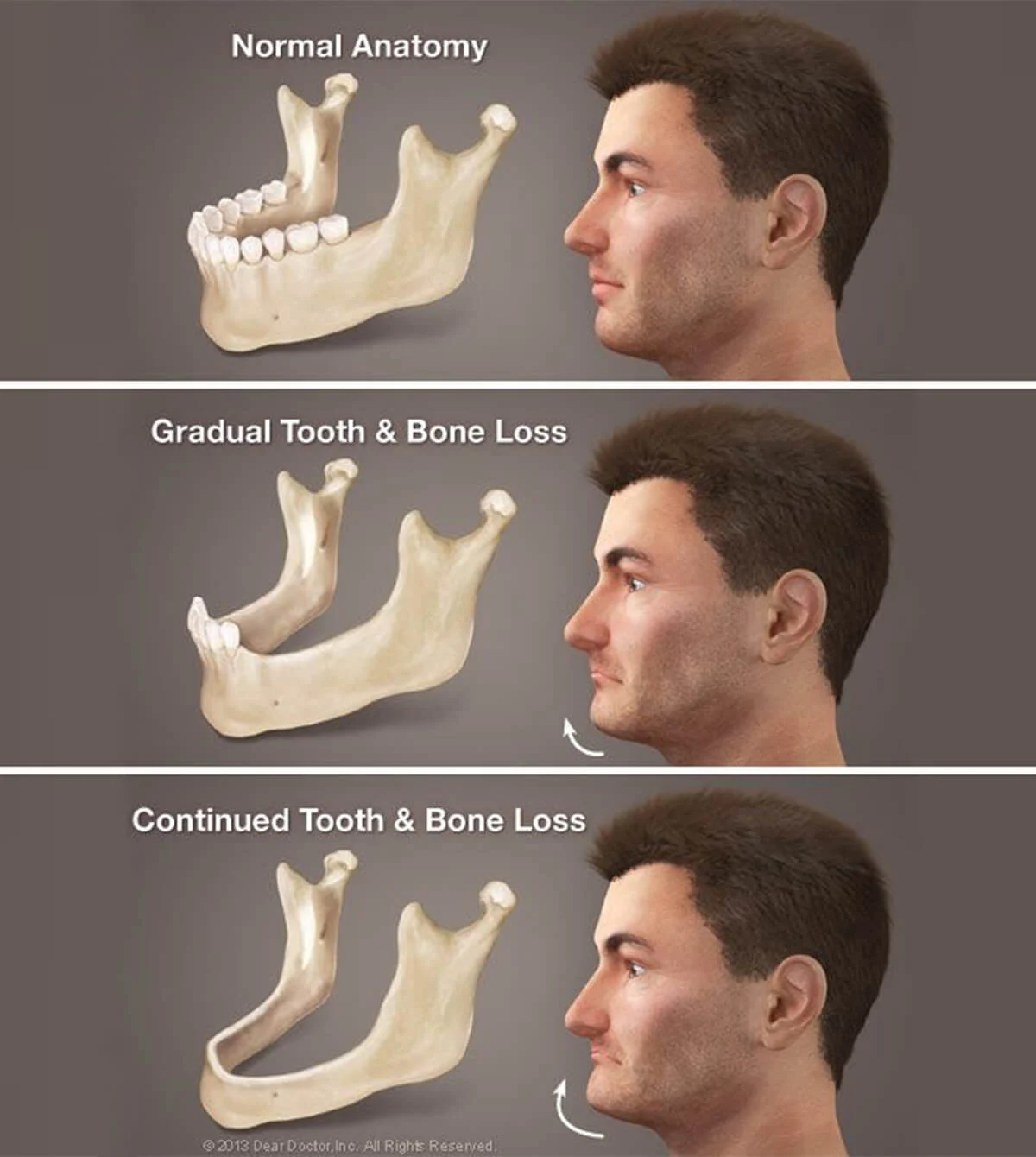
Dental implants act as artificial tooth roots, stimulating and supporting the jawbone. When a tooth is lost, the surrounding bone no longer receives this stimulation and begins to resorb or break down, leading to bone loss. This can create a jaw bone deficiency, making it difficult to place implants successfully. If you’re considering dental implants in Albania, understanding this relationship is essential for planning your treatment.
Overview of Bone Loss: Causes and Consequences
Several factors can contribute to bone loss in the jaw. These include:
- Periodontal Disease: Gum disease is a major cause of bone loss around teeth. Infection and inflammation damage the bone structure, leading to its gradual deterioration.
- Tooth Loss: As mentioned earlier, the absence of a tooth and its root no longer stimulates the bone, resulting in resorption.
- Trauma: Injuries to the face or jaw can damage the bone and disrupt its natural healing processes.
- Osteoporosis: This systemic condition weakens bones throughout the body, including the jawbone.
- Long-Term Denture Wear: Traditional dentures can put pressure on the underlying bone, accelerating bone loss over time.
The consequences of inadequate bone volume can be significant, impacting not only the feasibility of dental implants but also facial aesthetics and overall oral health.
Why Inadequate Bone Is a Problem for Implants
Without sufficient bone, dental implants lack the necessary support and stability to withstand chewing forces. This can lead to implant failure, mobility, and other complications. Moreover, inadequate bone can compromise the aesthetic outcome, resulting in an unnatural appearance of the replacement teeth. Addressing bone loss dental implants is crucial for ensuring the long-term success and satisfaction of your implant treatment.
Solutions if You Don’t Have Enough Bone for Dental Implants
Cluster keyword: bone grafting for dental implants, sinus lift, zygomatic implants, alternatives to implants, advanced bone augmentation
Don’t let insufficient bone density deter you from achieving a complete and confident smile. Thanks to advances in modern dentistry, several effective solutions are available to address this issue and pave the way for successful dental implant placement. At Albania Dental Implants, we offer a range of advanced techniques to help you overcome bone deficiencies and achieve your desired results.
Bone Grafting
Cluster keyword: dental bone graft, types of bone grafts, recovery
What is Bone Grafting and When Is It Recommended?
A dental bone graft is a surgical procedure that involves transplanting bone tissue to rebuild and augment the jawbone in areas where bone loss has occurred. It’s often recommended when there is insufficient bone volume to support dental implants. This procedure creates a solid foundation for the implant, ensuring its stability and long-term success. Bone grafting in Albania is a common and successful procedure.
Types of Bone Grafts
Several types of bone grafts are available, each with its own advantages and considerations:
- Autograft: This involves using bone taken from another part of your own body, such as the chin or hip. Autografts are considered the gold standard because they contain your own living cells, promoting faster and more predictable healing.
- Allograft: This uses bone tissue from a deceased donor that has been processed and sterilized for safe use. Allografts are readily available and eliminate the need for a second surgical site.
- Xenograft: This involves using bone from an animal source, typically bovine (cow) bone. Xenografts are also processed and sterilized for safety and provide a scaffold for new bone growth.
- Synthetic Bone Graft: These are man-made materials, such as calcium phosphate, that mimic the structure of natural bone. Synthetic grafts are biocompatible and eliminate the risk of disease transmission.
What to Expect During Recovery
Following a bone grafting for dental implants procedure, you can expect some swelling, bruising, and discomfort. Your dentist will provide pain medication to manage any discomfort. It’s important to follow post-operative instructions carefully to ensure proper healing. This includes maintaining good oral hygiene, avoiding strenuous activities, and attending follow-up appointments. The recovery time can vary depending on the type and extent of the graft, but it typically takes several months for the new bone to fully integrate with the existing jawbone.
Sinus Lift (Sinus Augmentation)
Cluster keyword: sinus lift procedure, upper jaw bone loss, implant in upper jaw
What is a Sinus Lift and Who Needs It?
A sinus lift procedure, also known as sinus augmentation, is a surgical procedure performed to add bone to the upper jaw in the area of the molars and premolars. It’s often necessary when there is insufficient bone height due to the sinuses being too close to the jaw. This procedure is typically recommended for patients who:
- Have experienced bone loss in the upper jaw due to tooth loss or periodontal disease.
- Have sinuses that are naturally located close to the jawbone.
- Require dental implants in the upper jaw but lack sufficient bone height.
Steps of the Procedure and Healing Timeline
During a sinus lift, the dentist makes an incision in the gum tissue to expose the bone. A small opening is created in the bone to access the sinus cavity. The sinus membrane is gently lifted upward, and bone grafting material is placed into the space created. The incision is then closed, and the bone graft is allowed to heal. The healing timeline for a sinus lift in Albania can vary, but it typically takes several months for the bone graft to fully integrate with the existing bone. Once the bone has healed sufficiently, dental implants can be placed.
Zygomatic Implants
Cluster keyword: zygomatic dental implants, no bone solutions
What are Zygomatic Implants and in Which Cases are They Suitable?
Zygomatic dental implants are a unique type of implant that anchors to the zygomatic bone (cheekbone) rather than the jawbone. These implants are significantly longer than traditional implants and are used in cases of severe upper jaw bone loss where conventional implants are not feasible. They offer a “no bone” solution, eliminating the need for bone grafting in many cases.
Advantages and Potential Limitations
The advantages of zygomatic implants include:
- Elimination of bone grafting in many cases.
- Shorter treatment time compared to bone grafting and traditional implants.
- Improved stability and support for dental prostheses.
- Suitable for patients with significant bone loss.
However, zygomatic implants also have some potential limitations:
- The procedure is more complex and requires a highly skilled and experienced surgeon.
- There is a slightly higher risk of complications compared to traditional implants.
- Zygomatic implants may not be suitable for all patients.
Alternative Implant Techniques or Short Implants
Cluster keyword: short dental implants, mini implants, alternatives for severe bone loss
What are Short/Mini Implants?
Short dental implants and mini implants are narrower and shorter than conventional implants. These implants can be used in areas where there is limited bone height, reducing the need for bone grafting. They are often used in the lower jaw, where the bone is typically denser.
Pros, Cons, and Candidacy
The pros of short/mini implants include:
- Less invasive procedure.
- Reduced need for bone grafting.
- Faster healing time.
- Lower cost compared to traditional implants.
The cons of short/mini implants include:
- May not be suitable for all patients.
- Potentially less stable than traditional implants.
- Higher risk of failure in certain cases.
Candidacy for short/mini implants depends on factors such as bone density, bite force, and the number of teeth being replaced.
Non-Implant Alternatives
Cluster keyword: dentures, bridges, implant alternatives, removable prosthetics
When are Non-Implant Solutions Recommended?
In some cases, non-implant solutions may be recommended for patients who are not suitable candidates for dental implants due to severe bone loss, medical conditions, or financial constraints. These alternatives include:
- Dentures: Removable dentures are a traditional option for replacing missing teeth. They can be a cost-effective solution, but they may not provide the same stability and chewing function as implants.
- Bridges: Dental bridges are fixed prostheses that attach to adjacent teeth to fill the gap left by a missing tooth. Bridges can be a good option for replacing a small number of missing teeth, but they require altering the adjacent teeth.
Modern Options for Those Unsuitable for Bone Grafts or Further Surgery
Advances in dental technology have led to modern non-implant options that offer improved aesthetics, comfort, and function. These include implant-supported dentures, which combine the stability of implants with the affordability of dentures, and flexible dentures, which are made from a comfortable and durable material. If you’re looking for alternatives to implants, consult with our dental professionals to determine the best solution for your specific needs and circumstances.
Diagnosing and Planning for Dental Implants with Insufficient Bone
Cluster keyword: dental implant consultation, 3D imaging, CBCT scan, dental surgery assessment
A comprehensive diagnosis and treatment plan is crucial for ensuring the success of dental implants, especially when dealing with insufficient bone. At Albania Dental Implants, we utilize advanced diagnostic tools and techniques to accurately assess your bone volume and develop a personalized treatment plan tailored to your specific needs. Start with your dental implant consultation to evaluate your individual situation and create a plan.
How Dentists Evaluate Bone Volume
Evaluating bone volume involves a thorough examination and diagnostic imaging. Dentists use several methods to assess the quantity and quality of bone in the jaw:
- Clinical Examination: A visual and physical examination of your mouth and jaw to assess overall oral health and identify potential issues.
- X-rays: Traditional X-rays provide a two-dimensional image of your teeth and jawbone, allowing dentists to identify areas of bone loss.
- 3D Imaging (CBCT Scan): Cone beam computed tomography (CBCT) scans provide a three-dimensional view of your jawbone, allowing for precise measurements of bone volume and density. A CBCT scan is crucial for accurate implant planning.
- Digital Planning: Using specialized software, dentists can create a virtual model of your jawbone and plan the precise placement of implants.
Importance of Personalized Treatment Planning
Based on the diagnostic findings, your dentist will develop a personalized treatment plan that addresses your specific needs and goals. This plan may include bone grafting, sinus lift, zygomatic implants, short implants, or non-implant alternatives. The treatment plan will outline the steps involved in the procedure, the expected timeline, and the associated costs. Personalized treatment planning is essential for achieving optimal results and ensuring your satisfaction with your dental implant treatment. Our dental team will perform a comprehensive dental surgery assessment to personalize your implant journey.
Risks, Benefits, and Considerations
Cluster keyword: success rate dental implants, risks of bone augmentation, cost of bone graft, healing time
Before proceeding with any dental implant treatment, it’s important to understand the potential risks, benefits, and considerations. At Albania Dental Implants, we are committed to providing you with all the information you need to make an informed decision about your oral health.
Success Rates With and Without Bone Grafting
Dental implants have a high success rate, with studies reporting success rates of over 95% over a 10-year period. However, the success rate can be affected by factors such as bone density, oral hygiene, and smoking. Bone grafting can significantly improve the success rate of dental implants in patients with insufficient bone volume. Studies have shown that implants placed with bone grafts have similar success rates to those placed in patients with adequate bone.
Potential Complications and Their Management
While dental implants are generally safe, there are some potential complications that can occur. These include:
- Infection: Infection can occur at the implant site, especially if proper oral hygiene is not maintained.
- Nerve Damage: Nerve damage can occur during implant placement, leading to numbness or tingling in the lip, chin, or tongue.
- Sinus Problems: Sinus problems can occur if implants are placed too close to the sinuses.
- Implant Failure: Implant failure can occur if the implant does not integrate properly with the bone.
Your dentist will take steps to minimize the risk of complications and will provide you with instructions on how to care for your implants to ensure their long-term success. In case of complications, our experienced dental team is equipped to provide prompt and effective treatment.
Financial and Recovery Considerations
The cost of dental implants in Albania can vary depending on the number of implants needed, the type of implant, and the complexity of the procedure. Bone grafting and other advanced techniques can add to the overall cost. It’s important to discuss the financial aspects of your treatment with your dentist and explore available payment options. The healing time after implant placement can also vary, but it typically takes several months for the implants to fully integrate with the bone. During this time, you may need to follow a special diet and avoid certain activities. Be sure to factor in these financial and recovery considerations when planning your dental implant treatment.
FAQs
Questions about bone grafts, sinus lift, alternatives, pain, recovery, age
Can you get dental implants without a bone graft?
Yes, it is sometimes possible to get dental implants without a bone graft, particularly if the bone loss is minimal. Alternative techniques such as short implants or zygomatic implants can be used in certain cases to avoid the need for bone grafting. However, the best course of action depends on individual circumstances and the extent of bone loss. Zirconia implants in Albania may also be an option.
How painful is bone grafting?
Bone grafting is typically performed under local anesthesia, so you shouldn’t feel any pain during the procedure. After the procedure, you may experience some discomfort, swelling, and bruising. Your dentist will prescribe pain medication to manage any discomfort. Most patients report that the pain is manageable and subsides within a few days.
How long does it take to get implants after a bone graft?
The waiting time for implants after a bone graft can vary depending on the type and extent of the graft. In general, it takes several months (typically 3-9 months) for the bone graft to fully integrate with the existing bone. Once the bone has healed sufficiently, dental implants can be placed.
Are there risks if I have very low bone density?
Yes, having very low bone density can increase the risk of implant failure and other complications. However, with proper planning and advanced techniques such as bone grafting or zygomatic implants, it is often possible to successfully place implants even in patients with low bone density. It is important to consult with an experienced dentist who can assess your individual situation and develop a personalized treatment plan.
What are the costs and does the NHS cover bone grafting?
The costs of bone grafting can vary depending on the type of graft, the extent of the procedure, and the location of the treatment. In the UK, the NHS typically does not cover bone grafting for dental implants unless it is deemed medically necessary. It’s best to check “Can NHS pay for my dental implants?” or explore private dental insurance options to help cover the costs. In Albania the cost of dental treatments are much lower. Contact us to know more about the cost of dental implants in Albania.
Can elderly patients with bone loss still get implants?
Yes, elderly patients with bone loss can still get implants. Age is not a contraindication for dental implants. Bone loss can be addressed with bone grafting or alternative implant techniques. The key is to have a thorough evaluation and personalized treatment plan. “Can it be too late for dental implants?” is a common question, but with proper care, implants can be a successful solution for elderly patients.
How do I know if I have enough bone for implants?
The only way to know for sure if you have enough bone for implants is to undergo a comprehensive evaluation by a dentist. This evaluation will typically include a clinical examination, X-rays, and a CBCT scan. The dentist will use these diagnostic tools to assess the quantity and quality of bone in your jaw and determine if you are a suitable candidate for dental implants.
Are there alternatives if I don’t want more surgery?
Yes, there are alternatives if you don’t want more surgery. Removable dentures and dental bridges are non-surgical options for replacing missing teeth. Another option could be mini dental implants, which are less invasive than traditional implants.
How successful are implants after bone grafts?
Implants after bone grafts are generally very successful, with success rates comparable to implants placed in patients with adequate bone volume. The success rate depends on factors such as the type and extent of the graft, the patient’s overall health, and their adherence to post-operative instructions.
What is the recovery time for bone augmentation procedures?
The recovery time for bone augmentation procedures can vary depending on the type of procedure and the individual’s healing ability. In general, it takes several months for the bone graft to fully integrate with the existing bone. During this time, you may experience some swelling, bruising, and discomfort. Your dentist will provide you with instructions on how to care for the surgical site and manage any discomfort.
Ready to Restore Your Smile?
If you’re considering dental implants and are concerned about insufficient bone, don’t hesitate to contact us at Albania Dental Implants. Our experienced team can assess your individual situation and develop a personalized treatment plan to help you achieve a complete and confident smile. With our advanced techniques and commitment to patient care, we can help you overcome bone deficiencies and enjoy the many benefits of dental implants. Explore our Albania Dental Implants Services and book a consultation today!