



What Are Mini Dental Implants?
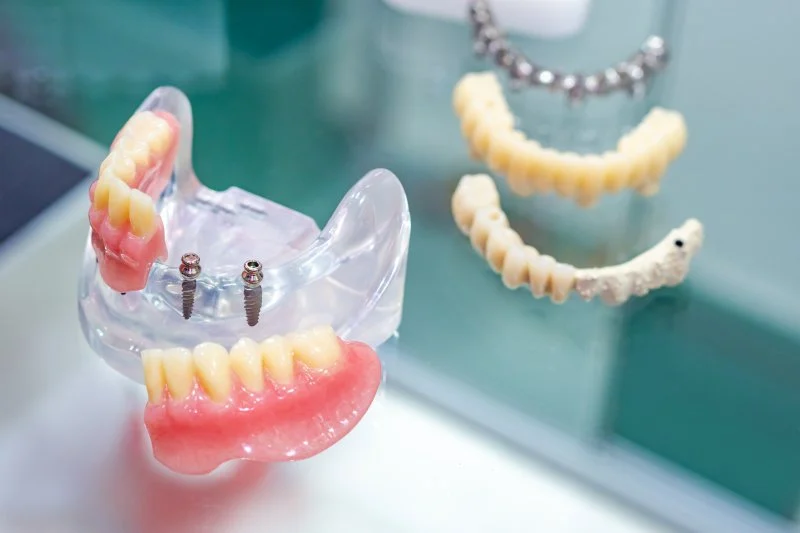
The term “mini dental implants explained” often sparks curiosity. Mini dental implants are small, screw-like posts made of titanium that are surgically placed into the jawbone. Unlike traditional implants, they are much narrower, typically about 1.8 to 3.0 millimetres in diameter. This smaller size makes them a viable option for patients who may not have sufficient bone density for conventional implants.
How Do Mini Dental Implants Differ from Traditional Implants?
The main difference lies in the size. Traditional implants are larger, usually requiring more bone volume and a more extensive surgical procedure. Mini implants, due to their smaller size, can often be placed with minimal invasiveness. The healing time is generally shorter, and the procedure is often less expensive. However, it’s essential to note that mini dental implants might not be suitable for all situations.
While traditional implants often require a longer healing period, mini implants offer a swifter return to normalcy. It’s crucial to assess your specific needs and consult with an experienced dental professional, especially those offering Albania Dental Implants services, to determine the best course of action for your oral health.
Primary Requirements for Mini Dental Implant Candidates
Several primary requirements dictate “mini dental implants suitability.” Bone density and structure play a pivotal role, as does your overall oral health. Certain medical conditions can also influence your candidacy for this procedure.
Bone Density and Structure Needs
While mini implants require less bone density than traditional implants, a certain amount of bone is still necessary for successful placement and long-term stability. A dentist will assess your bone density through X-rays or CT scans. If bone loss is significant, a procedure like bone grafting in Albania might be necessary to create a stable foundation.
Oral Health Standards
Good oral hygiene is paramount. Existing oral health issues, such as gum disease or untreated cavities, need to be addressed before considering mini dental implants. A healthy oral environment is crucial for preventing infections and ensuring the implant’s long-term success.
Patients should commit to diligent oral hygiene practices, including regular brushing, flossing, and professional cleanings. At Albania Dental Implants Services, our commitment extends beyond the procedure itself; we emphasise ongoing maintenance and care to ensure the longevity of your mini dental implants.
Medical Conditions That May Affect Candidacy
Certain medical conditions can impact the success of dental implants. Uncontrolled diabetes, autoimmune diseases, and heavy smoking can compromise the healing process and increase the risk of implant failure. A thorough medical history review is essential to determine if mini dental implants are a safe and suitable option for you.
For example, heavy smokers often experience delayed healing and a higher risk of complications. It’s vital to disclose your complete medical history with your dentist to allow for a fully informed assessment. If you have underlying medical conditions, Albania Dental Implants provides services and treatment plans tailored to your specific circumstances.
Who Is Most Suitable for Mini Dental Implants?
Determining “candidates for mini dental implants” depends on individual circumstances. However, some patients are particularly well-suited for this type of implant. These include individuals with minimal bone loss, elderly patients or those with certain health conditions, and partial or full denture wearers.
Patients with Minimal Bone Loss
One of the primary advantages of mini dental implants is their ability to be placed in areas with limited bone volume. This makes them an excellent option for patients who have experienced some bone loss but are not ideal candidates for traditional implants.
In cases where there’s been some bone resorption, mini implants can provide a stable solution without the need for extensive bone grafting procedures. This can significantly reduce treatment time and cost, making it an attractive option for many individuals.
Elderly Patients or Those with Health Conditions
The less invasive nature of mini dental implant placement makes it a safer option for elderly patients or individuals with health conditions that may make them unable to tolerate more extensive surgery. The procedure is quicker, and the recovery period is generally shorter.
For older adults or those with compromised health, mini implants can significantly enhance their quality of life by improving their ability to eat, speak, and smile with confidence. This is especially crucial for those who might otherwise struggle with traditional dental solutions.
Partial or Full Denture Wearers
Mini dental implants are often used to stabilise partial or full dentures, improving their fit and function. The implants act as anchors, preventing the dentures from slipping or moving around in the mouth. This can significantly enhance comfort and confidence for denture wearers.
Many denture wearers find traditional dentures uncomfortable and unstable. Mini dental implants can provide a much more secure and reliable solution, allowing individuals to enjoy their favorite foods and activities without worry.
Who Should Not Get Mini Dental Implants?
While mini dental implants offer several advantages, they aren’t suitable for everyone. Understanding “who is not a candidate” is essential for making informed decisions about your oral health. Certain factors, such as severe bone loss, existing oral health issues, and lifestyle habits like heavy smoking, can contraindicate the use of mini implants.
Patients with Severe Bone Loss
While mini implants require less bone than traditional implants, severe bone loss can still compromise their stability. In these cases, alternative treatments like traditional implants with bone grafting might be more appropriate. Patients facing severe bone loss may explore options for bone grafting in Albania to improve implant eligibility.
Existing Oral Health Issues (Gum Disease, Infection)
Untreated gum disease or oral infections can significantly increase the risk of implant failure. These issues must be addressed and resolved before considering mini dental implants. A healthy oral environment is crucial for successful implant integration.
Addressing oral health issues prior to considering implants is essential for long-term success. In the presence of active gum disease or infection, the implant site may not heal properly, leading to potential failure.
Heavy Smokers, Uncontrolled Diabetes
Heavy smoking and uncontrolled diabetes can impair the healing process and increase the risk of complications. Smokers often experience delayed healing and a higher risk of implant failure. Similarly, uncontrolled diabetes can compromise the body’s ability to fight infection and heal properly.
Smoking and diabetes can significantly impact the outcome of dental implant procedures. It’s important to manage these conditions or consider alternative treatments to ensure the best possible results.
Benefits and Drawbacks of Mini Dental Implants
Weighing the “pros and cons mini dental implants” is a crucial step in determining if they are the right choice for you. Mini implants offer several benefits, including being less invasive, facilitating faster recovery, and being cost-effective. However, they also have limitations, such as not being suitable for all cases and having a lower bite force capacity.
Benefits: Less Invasive, Faster Recovery, Cost-Effective
The less invasive nature of mini dental implant placement means smaller incisions, reduced discomfort, and faster healing times. The procedure is often more straightforward and can be completed in a single appointment. Additionally, mini implants are generally more affordable than traditional implants, making them an attractive option for budget-conscious patients.
The convenience and reduced recovery time associated with mini implants make them a popular choice for many patients. The ability to return to normal activities sooner can be particularly appealing for those with busy lifestyles.
Limitations: Not Suitable for All, Lower Bite Force Capacity
Mini dental implants are not suitable for all cases, particularly those requiring significant bite force or involving multiple missing teeth in a row. Their smaller size means they have a lower weight-bearing capacity compared to traditional implants. Therefore, they are best suited for stabilising dentures or replacing smaller teeth in areas with less biting force.
In scenarios where there is a high demand for biting force, traditional implants may provide a more robust and reliable solution. It’s essential to evaluate the specific functional requirements of your teeth when considering mini dental implants.
Mini Dental Implants vs Standard Implants: Suitability Compared
When comparing “mini vs standard dental implants,” understanding the suitability criteria is crucial. Mini implants are often preferred when minimal bone loss is present and a less invasive approach is desired. Standard implants, on the other hand, are better suited for cases requiring greater stability and bite force.
When Minis Are Preferred Over Traditional
Mini implants are often preferred for stabilising dentures, replacing small teeth, or in situations where patients have limited bone density or cannot tolerate extensive surgery. They offer a less invasive, more affordable, and faster solution for specific needs.
For patients seeking a quick and minimally disruptive solution, mini implants present an excellent option. The reduced surgical complexity can be particularly beneficial for those who are anxious about dental procedures.
Suitability Criteria Comparison Table
Here’s a comparison table to help you understand the suitability criteria:
| Criteria | Mini Dental Implants | Standard Dental Implants |
|---|---|---|
| Bone Density | Lower Requirement | Higher Requirement |
| Invasiveness | Less Invasive | More Invasive |
| Cost | More Affordable | More Expensive |
| Healing Time | Shorter | Longer |
| Bite Force Capacity | Lower | Higher |
| Best For | Denture Stabilisation, Small Teeth | Single Tooth Replacement, Multiple Teeth, High Bite Force |
Age Limits and Lifestyle Considerations
When considering “age for dental implants,” there is generally no strict upper age limit. However, overall health and lifestyle factors play a significant role. Young adults should have fully developed jaws before considering implants. Lifestyle factors like bruxism (teeth grinding) and oral hygiene habits can also impact the success of mini dental implants.
Young Adults, Elderly, and Special Situations
For young adults, it’s essential to ensure that their jawbone has fully developed before considering dental implants. In elderly patients, overall health is a more critical factor than age. Special situations, such as patients with disabilities or medical conditions, require careful evaluation and tailored treatment plans.
Adolescents and young adults should wait until their jawbone has fully matured before opting for dental implants to ensure long-term stability. For seniors, a comprehensive health assessment can help determine the most appropriate dental solution.
Lifestyle Factors (Bruxism, Oral Hygiene)
Lifestyle factors like bruxism can put excessive stress on dental implants, potentially leading to premature failure. Good oral hygiene is essential for preventing infections and maintaining the long-term health of the implants. Patients with bruxism may require a night guard to protect their implants.
Habits such as teeth grinding can exert undue pressure on implants, leading to complications. Maintaining exemplary oral hygiene, including regular check-ups and cleanings, is vital for extending the life of your mini dental implants.
The Procedure: What to Expect as a Candidate
Understanding the “mini dental implant procedure” can help alleviate anxiety and prepare you for the process. The process typically involves a consultation, X-rays and bone scans, planning, and the actual implant placement.
Consultation Process
The initial consultation involves a thorough examination of your oral health, a review of your medical history, and a discussion of your goals and expectations. The dentist will assess your suitability for mini dental implants and discuss alternative treatment options if necessary.
This initial assessment is crucial for ensuring that mini dental implants are the right solution for your needs. It’s an opportunity to ask questions and gain a clear understanding of what to expect.
X-Rays, Bone Scans, Planning
X-rays and bone scans are used to assess your bone density and identify any potential issues. This information is used to plan the precise placement of the mini dental implants. Advanced imaging techniques like CT scans may be used for more complex cases.
These diagnostic tools provide invaluable insights into the underlying structure of your jaw, enabling the dentist to plan the procedure with precision and accuracy. This reduces the risk of complications and enhances the overall success of the implant placement.
Step-by-Step Overview
Here is a step-by-step overview of the mini dental implant procedure:
- Anesthesia: Local anaesthesia is administered to numb the area.
- Implant Placement: The mini dental implants are surgically placed into the jawbone.
- Denture Adjustment (if applicable): If you are using mini implants to stabilise dentures, the dentures will be adjusted to fit securely onto the implants.
- Post-operative Instructions: You will receive instructions on how to care for your implants and maintain good oral hygiene.
- Follow-up Appointments: Regular follow-up appointments are necessary to monitor the health and stability of your implants.
Understanding each step of the process can help alleviate any anxiety you may have about the procedure. The aim is to make the experience as smooth and comfortable as possible.
FAQs About Mini Dental Implant Candidacy
Here are some frequently asked questions about “questions about mini implants suitability” to help you better understand if mini dental implants are right for you.
What makes someone a good candidate for mini dental implants?
A good candidate typically has sufficient bone density, seeks a less invasive procedure, and cannot tolerate traditional implant surgery. They also maintain good oral hygiene.
What oral health and bone conditions must be met?
Candidates should have healthy gums, no active infections, and adequate bone density to support the implants. Addressing existing issues like gum disease is essential.
Prioritising and resolving oral health issues prior to considering implants is essential for long-term success. A healthy oral environment is crucial for successful implant integration.
Are there age limits for mini dental implants?
There is generally no upper age limit, but young adults should have fully developed jaws. Overall health is more critical than age.
Who should avoid mini dental implants?
Patients with severe bone loss, uncontrolled medical conditions like diabetes, heavy smokers, and those with untreated oral infections should avoid mini dental implants.
How do mini dental implants differ from standard implants?
Mini implants are smaller, less invasive, and more affordable than standard implants. They require less bone density but have a lower bite force capacity.
The main difference lies in the size. Traditional implants are larger, usually requiring more bone volume and a more extensive surgical procedure. Mini implants, due to their smaller size, can often be placed with minimal invasiveness.
For those seeking an affordable and less invasive solution, consider a consultation with our team at Albania Dental Implants, where we can assess your needs and provide the best options for your oral health.
What are the risks or drawbacks?
Risks include implant failure, infection, and limited bite force capacity. They are also not suitable for all cases, especially those requiring significant bite force.
Can I upgrade to standard implants in the future?
Upgrading to standard implants is possible, but it may require bone grafting or additional procedures. A thorough evaluation is necessary to determine the feasibility.
What is the success rate for mini dental implants?
The success rate is generally high, but it depends on factors like bone density, oral hygiene, and overall health. Proper maintenance is crucial for long-term success.
Does insurance cover mini dental implants?
Insurance coverage varies depending on the plan. It’s essential to check with your insurance provider to determine the extent of coverage.
While insurance coverage can differ significantly, it’s essential to investigate the options available to you. For individuals exploring budget-friendly options, exploring cost of dental implants in Albania can present an attractive alternative.
How do I know if I’m eligible?
The best way to determine eligibility is to schedule a consultation with a dentist. They will evaluate your oral health, bone density, and medical history to determine if mini dental implants are right for you.
Mini dental implants can be a game-changer for those seeking a less invasive and more affordable tooth replacement solution. Albania Dental Implants offers state-of-the-art services, combining expertise with cost-effectiveness. For personalised advice and treatment plans, don’t hesitate to contact us and start your journey towards a confident smile.