



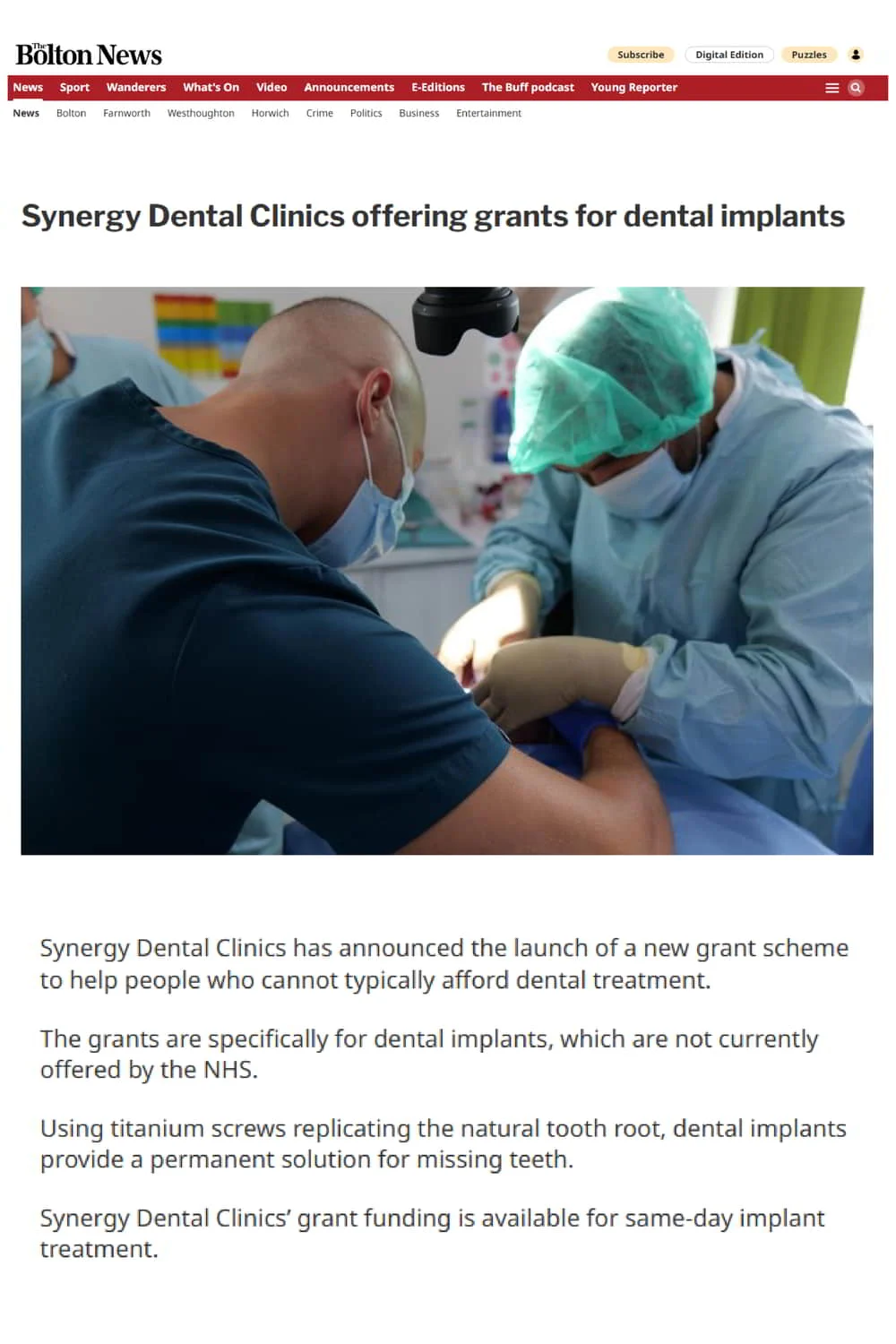

Can I get a government grant for dental implants? This is a question many UK residents ask when facing tooth loss and considering the cost of dental restoration. While the prospect of government funding can seem appealing, understanding the realities of available support is essential. This article explores the landscape of dental implant grants and financial assistance in the UK, providing clarity on eligibility, alternatives, and how you can achieve a healthy, confident smile even if funding seems out of reach. While direct government grants for dental implants are rare, we’ll uncover potential avenues for support and explore affordable options like travelling to Albania for dental tourism. Discover how Albania Dental Implants can provide you with affordable, high-quality dental care.
Dental Implant Grants UK – What Are They?
Dental implant grants UK are a frequently searched term, reflecting the public’s desire for financial assistance with this often costly procedure. It’s important to clarify what these grants entail and the current status of government schemes related to dental implants. There are also common misconceptions about how to obtain these funds.
Understanding Dental Grants
Dental grants are sums of money awarded to individuals or organizations to help cover the cost of dental treatments. These grants can come from various sources, including government programs, charitable organizations, and private foundations. The aim is usually to support individuals who cannot otherwise afford necessary dental care. Although dedicated dental implant grants are uncommon, financial aid might be obtainable through more general healthcare schemes. Dental implants can have an enormous positive influence on someone’s life and oral health.
Current Status of Government Schemes
Currently, there are very few direct government grants specifically earmarked for dental implants in the UK. The National Health Service (NHS) primarily provides dental care, but its coverage for implants is limited and subject to strict eligibility criteria, which we will explore later in this article. Most available government assistance focuses on more basic dental care, rather than advanced procedures like implants.
Common Misconceptions
- Widespread Availability: A common misconception is that government grants for dental implants are readily available to anyone who needs them. In reality, these opportunities are limited.
- Full Coverage: Many believe that a grant will cover the entire cost of dental implants. In most cases, any financial assistance will only cover a portion of the expense.
- Easy Application Process: Applying for grants or financial assistance can be a complex process, often requiring detailed documentation and a thorough assessment of your financial situation.
Free Dental Implants From Government – Is It Possible?
Free dental implants from government are a dream for many needing tooth replacement. Let’s examine the reality of NHS coverage, its limitations, and how much you might expect to be covered. The NHS provides dental care, but the level of coverage for dental implants depends on individual circumstances and specific criteria. Dental implants can significantly enhance your quality of life, and knowing what assistance is available is crucial.
NHS Coverage of Dental Implants
In most cases, the NHS doesn’t routinely provide dental implants. However, there are exceptions where implants might be considered medically necessary and therefore funded by the NHS. These circumstances are usually limited to cases where tooth loss is a direct result of:
- Trauma (e.g., an accident causing significant tooth damage)
- Cancer treatment (e.g., tooth loss due to radiation therapy)
- Certain congenital conditions (e.g., genetic disorders affecting tooth development)
Even in these situations, approval isn’t guaranteed. The NHS will assess each case individually, considering factors such as the patient’s overall health, the impact of tooth loss on their quality of life, and the clinical justification for implants as the most appropriate treatment option.
Eligibility Limitations
Eligibility for NHS-funded dental implants is highly restricted. Generally, you’ll need to demonstrate a clear medical need for implants that falls within the specific criteria outlined by the NHS. Cosmetic reasons for wanting dental implants are not covered.
Additional limitations may include:
- Financial Assessment: Even if you meet the medical criteria, your financial situation might be assessed to determine whether you can contribute to the cost of treatment.
- Geographic Restrictions: Access to NHS-funded implants can vary depending on where you live in the UK, as different regions have varying budgets and priorities for dental care.
- Availability of Specialists: Not all NHS dental practices offer implant services, so you might need to be referred to a specialist center, which could involve a longer waiting time.
Actual Cost Coverage
If you are eligible for NHS-funded dental implants, the amount of coverage can vary. In some cases, the NHS might cover the full cost of the implants. In other situations, you might be required to pay a portion of the treatment cost, similar to NHS dental charges for other procedures. These charges are divided into bands, with Band 3 being the highest and covering more complex procedures.
Bear in mind that even with NHS support, there may still be costs associated with pre-implant assessments, temporary restorations, or aftercare. Discuss these potential costs with your dentist or specialist.
NHS Dental Implant Eligibility and Coverage Criteria
Understanding NHS dental implant eligibility is crucial if you’re hoping to receive implants through the National Health Service. Knowing who qualifies for NHS dental implants and the necessary application procedures and supporting documentation required will help you navigate the process effectively. The NHS primarily focuses on essential dental care, but exceptions exist for dental implants based on medical need.
Who Qualifies for NHS Dental Implants?
As previously mentioned, NHS-funded dental implants are reserved for individuals with specific medical needs. These needs typically arise from situations beyond normal tooth loss due to decay or aging. Qualifying conditions often include:
- Traumatic Injuries: Significant tooth loss resulting from accidents or injuries to the face and mouth.
- Medical Conditions: Tooth loss as a direct consequence of certain medical conditions or their treatment, such as cancer (where radiation therapy has damaged teeth) or congenital disabilities affecting tooth development.
- Severe Functional Problems: Cases where missing teeth severely impair the ability to eat, speak, or maintain proper nutrition, and where other treatment options are unsuitable.
It’s important to note that even if you have one of these conditions, you will still need to undergo a thorough assessment by an NHS dentist or specialist to determine whether dental implants are the most appropriate treatment option for your specific case. The decision will consider your overall health, oral hygiene, and the potential benefits of implants versus alternative solutions.
Application Procedures and Supporting Documentation Required
The process for applying for NHS-funded dental implants typically involves several steps:
- Initial Consultation: Start by visiting your NHS dentist for an initial examination and discussion of your dental concerns. If they believe you might be eligible for NHS-funded implants, they will refer you to a specialist for further evaluation.
- Specialist Assessment: The specialist will conduct a comprehensive assessment of your oral health, medical history, and the reasons for your tooth loss. They will determine whether implants are clinically appropriate and the best course of treatment.
- Application Submission: If the specialist deems you eligible, they will prepare an application for funding to the NHS. This application will include detailed information about your condition, the proposed treatment plan, and the justification for implants.
- Supporting Documentation: You will need to provide supporting documentation to strengthen your application. This might include:
- Medical records related to your qualifying condition
- Letters from your doctor or other healthcare professionals
- Photographs or X-rays of your teeth and jaw
- A personal statement explaining how tooth loss has affected your life
- NHS Review: The NHS will review your application and supporting documentation to determine whether to approve funding for your dental implants. This process can take several weeks or even months.
- Treatment Approval: If your application is approved, you can then proceed with the dental implant treatment at the designated NHS facility.
Alternative Help with Dental Costs in the UK
If you are not eligible for NHS-funded dental implants, there are other avenues to explore for help with dental costs UK. Several schemes and programs offer low income dental support to help individuals access necessary dental care. These options can provide financial assistance or reduced-cost treatments, making dental care more affordable. Your dream of having a healthy, beautiful smile may still be within reach even if it means getting your dental implants in Albania.
NHS Low Income Scheme
The NHS Low Income Scheme is designed to help people on low incomes pay for NHS charges, including dental treatment. If you are eligible, you could receive full or partial help with your dental costs. The level of assistance depends on your financial circumstances and is determined through an assessment process.
There are three levels of support available:
- HC2 certificate (full help): If you qualify for full help, you will be entitled to free NHS dental treatment.
- HC3 certificate (partial help): If you qualify for partial help, you will receive assistance with some of your dental costs. The amount of help will be specified on your HC3 certificate.
- Free NHS treatment: In Scotland, qualifying for the Low Income Scheme ensures free NHS dental treatment.
To apply for the NHS Low Income Scheme, you will need to complete an HC1 form, which can be obtained from Jobcentre Plus offices, NHS hospitals, or the NHS website.
Health Support Grants
Some local councils and charitable organizations offer health support grants to help individuals with the cost of medical and dental treatments. These grants are usually means-tested and are intended to support those who cannot afford essential healthcare.
To find out about available health support grants in your area, contact your local council or search online for charitable organizations that provide health-related financial assistance. Be sure to check the eligibility criteria and application process for each grant.
Local Council Assistance
In some cases, local councils may offer assistance with dental costs through their social services departments. This assistance is typically targeted at vulnerable individuals, such as elderly people, disabled people, or those with severe medical conditions.
To inquire about local council assistance, contact your local council’s social services department and explain your situation. They will assess your needs and determine whether you are eligible for any support.
Charities and Financial Assistance for Dental Implants
When government support is limited, charities for dental implants can provide a lifeline. These organizations offer non-government options for funding dental treatment. Understanding their eligibility criteria, typical grant amounts, and how to apply is vital for accessing this support. Let’s explore charities that can help with the cost of dental implants.
Exploring Non-Government Options
Several charities in the UK provide financial assistance for dental treatment, including dental implants. These charities typically focus on helping individuals who are in financial need or who have specific medical conditions that make it difficult for them to afford dental care. Some well-known charities that may offer assistance include:
- The Oral Health Foundation: While not directly providing grants, the Oral Health Foundation offers valuable information and resources about oral health and can signpost individuals to potential sources of financial assistance.
- Dentaid: Dentaid provides dental care to people in need both in the UK and internationally. While their focus is often on basic dental care, they may be able to offer some support or advice for individuals seeking implants.
- Disasters Emergency Committee (DEC): DEC is an option for patients who have suffered trauma.
Eligibility Criteria
The eligibility criteria for charitable assistance vary depending on the organization. However, some common factors that are considered include:
- Financial Need: Most charities require applicants to demonstrate that they are in financial need and cannot afford the full cost of dental treatment.
- Medical Condition: Some charities prioritize individuals with specific medical conditions or disabilities that affect their oral health.
- Impact of Tooth Loss: You may need to explain how tooth loss has affected your quality of life, ability to eat, or overall well-being.
- Residency: Most charities require applicants to be UK residents.
Typical Grant Amounts
The amount of financial assistance offered by charities can vary widely. Some charities may provide small grants to cover a portion of the treatment cost, while others may offer more substantial funding. The amount you receive will depend on the charity’s available resources, the number of applications they receive, and your individual circumstances.
How to Apply
The application process for charitable assistance typically involves completing an application form and providing supporting documentation, such as proof of income, medical records, and a statement explaining your need for assistance. Be sure to carefully review the application guidelines and provide all the required information. Here are some general steps:
- Research Charities: Search for dental charities in the UK.
- Contact Charities: Contact the charity and ask about eligibility requirements.
- Complete an Application: Complete the application form with the necessary documents.
Private Funding and Payment Alternatives
If NHS or charitable support isn’t an option, exploring dental implant funding UK through private means is the next step. This involves considering payment plans, loans, insurance, and dental schools offering reduced-cost treatments. These alternatives can make dental implants more accessible and affordable. You may consider travelling to Albania and using your money there to receive low-cost dental implants and enjoy a vacation at the same time. The benefits of dental tourism in Albania include beautiful beaches, great food, and, most importantly, affordable dental services.
Payment Plans
Many dental practices offer payment plans that allow you to spread the cost of dental implants over a period of months or years. These plans can make the treatment more manageable by breaking it down into smaller, more affordable monthly installments. Payment plans may be offered directly by the dental practice or through a third-party finance provider.
When considering a payment plan, be sure to compare interest rates, fees, and repayment terms to find the most suitable option for your budget. Also, make sure you understand the consequences of missing payments or defaulting on the plan.
Loans
Another option for funding dental implants is to take out a personal loan from a bank or credit union. Personal loans typically have fixed interest rates and repayment terms, making it easier to budget for the treatment cost.
Before applying for a personal loan, shop around and compare offers from different lenders to find the best interest rate and terms. Consider factors such as your credit score, income, and debt-to-income ratio, as these will affect your eligibility and the interest rate you receive.
Insurance
Some private dental insurance plans may cover a portion of the cost of dental implants. However, coverage for implants is often limited, and you may need to have a high level of coverage to receive any significant benefits. Check with your insurance provider to determine whether your plan covers dental implants and what the coverage limits are.
Even if your insurance plan doesn’t fully cover the cost of implants, it may help with other related expenses, such as consultations, X-rays, and temporary restorations. Be sure to factor these potential savings into your overall budget.
Dental Schools
Dental schools often offer reduced-cost dental treatments as part of their training programs. These treatments are typically performed by dental students under the supervision of experienced faculty members.
If you are willing to be treated by a dental student, you may be able to save a significant amount of money on dental implants. Contact your local dental school to inquire about their treatment options and eligibility requirements. Be aware that treatment at a dental school may take longer than at a private practice, and you may need to attend multiple appointments.
FAQ About Government Grants and Dental Implants
Can I get a government grant for dental implants in the UK?
Direct government grants specifically for dental implants are rare in the UK. The NHS primarily funds dental care, but coverage for implants is limited. Eligibility is restricted to cases where tooth loss is a direct result of trauma, cancer treatment, or certain congenital conditions. Cosmetic reasons for dental implants are not covered.
What are the eligibility requirements for NHS-funded dental implants?
To be eligible for NHS-funded dental implants, you typically need to demonstrate a clear medical need. This might include significant tooth loss from accidents, medical conditions (like cancer), or severe functional problems that impair eating or speaking. A specialist assessment is required to determine if implants are the most appropriate treatment.
Will the NHS ever fully fund dental implants? Under what circumstances?
While it’s unlikely the NHS will routinely fund dental implants for all patients, full funding may be possible in exceptional circumstances. This usually involves cases with significant medical needs, where implants are deemed the only viable solution. Funding approval depends on individual assessments and available resources.
Are there grants or charitable schemes for adults needing dental implants?
Yes, several charitable schemes offer financial assistance for dental treatment. Organizations like the Oral Health Foundation and Dentaid may provide support or advice. Eligibility typically depends on financial need, medical condition, and the impact of tooth loss on quality of life. Grant amounts vary depending on the charity and individual circumstances.
How do I apply for help with dental costs if I am on a low income or benefits?
If you are on a low income or receive benefits, you can apply for the NHS Low Income Scheme. This scheme provides full or partial help with NHS dental costs. To apply, complete an HC1 form, available from Jobcentre Plus offices, NHS hospitals, or the NHS website. Qualification may entitle you to free or reduced-cost dental care.
What alternatives exist if I am not eligible for NHS or charitable support?
If you are not eligible for NHS or charitable support, several private funding options exist. These include payment plans offered by dental practices, personal loans from banks or credit unions, and private dental insurance. Additionally, dental schools may offer reduced-cost treatments performed by students under supervision. Another option is dental implants in Albania, which are affordable.
Are dental implants tax deductible or covered by health plans in the UK?
In the UK, dental implants are generally not tax-deductible. While some private health insurance plans may cover a portion of the cost, coverage is often limited. Check with your insurance provider to understand the extent of your plan’s coverage for dental implants and related expenses.
Why are dental implants usually not covered by the NHS?
The NHS prioritizes essential dental care and has limited resources. Dental implants are often considered a cosmetic or advanced procedure, rather than a necessity for basic oral health. As a result, NHS funding for implants is restricted to cases with clear medical needs or significant functional impairments.
Can children or people with specific medical conditions get implants through the NHS?
Children and individuals with specific medical conditions may be eligible for NHS-funded dental implants if they meet the strict criteria. This usually involves cases where tooth loss is a direct result of a congenital condition, trauma, or medical treatment. Each case is assessed individually based on medical necessity and overall health.
What steps should I take next if I can’t afford private dental implants?
If you cannot afford private dental implants, consider the following steps:
- Explore NHS options
- Apply for the NHS Low Income Scheme
- Research dental charities
- Contact your local council
- Enquire about payment plans or loans
- Consider treatment at a dental school
- Consider getting your dental implants in Albania
Conclusion
While securing a government grant for dental implants in the UK can be challenging, it’s not impossible. Understanding the NHS eligibility criteria, exploring alternative funding options, and seeking support from charities can increase your chances of accessing affordable dental care. If these options are not feasible, consider Albania Dental Implants for high-quality, affordable dental implants and services.
Don’t let financial constraints prevent you from achieving a healthy, confident smile. Contact Albania Dental Implants today to learn more about our dental tourism packages and how we can help you transform your smile at a fraction of the cost!