


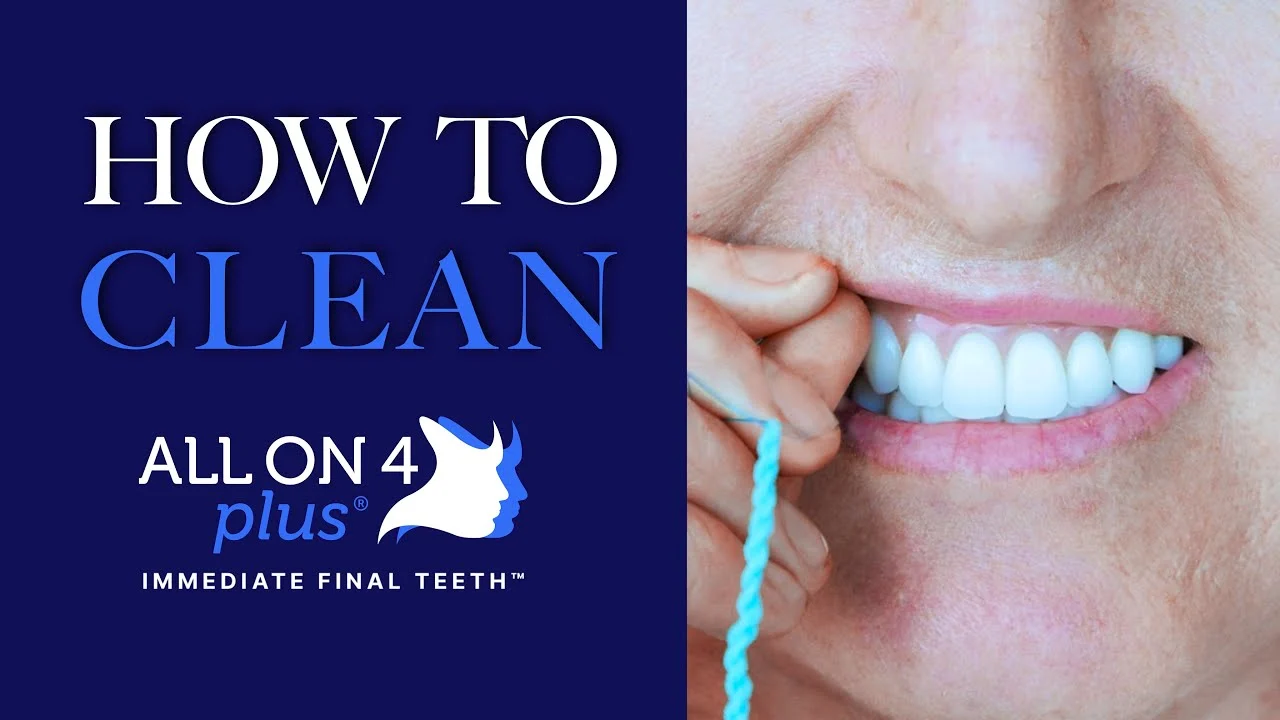

How do you clean under all 4 implants? This comprehensive guide offers a detailed, step-by-step method designed to keep your full-arch dental implants clean and healthy. We’ll explore the best tools, common mistakes to avoid, address patient concerns, and provide crucial aftercare information.
Why Cleaning Under Full-Arch Implants is Essential
Peri-implantitis prevention
Maintaining excellent oral hygiene is paramount for the longevity and health of your dental implants. Just like natural teeth, implants are susceptible to plaque and bacteria buildup. Neglecting to clean under full-arch implants, such as All-on-4 implants, can lead to serious complications.
Importance of oral hygiene for implants
Daily oral hygiene is critical to preventing peri-implantitis, a condition that affects the tissues surrounding the implant. Peri-implantitis can cause inflammation, bone loss, and eventually, implant failure. Regular cleaning removes plaque and food debris, keeping your gums healthy and your implants secure. Studies show that consistent oral hygiene practices can significantly reduce the risk of peri-implantitis. Proper hygiene around dental implants is not only about maintaining a bright smile; it’s about protecting your investment and ensuring your implants last a lifetime.
Risks of not cleaning under All-on-4
The All-on-4 dental implants system provides a fixed and stable solution for replacing missing teeth. However, the design of the All-on-4 bridge can make cleaning more challenging. Food particles and plaque can easily accumulate under the bridge and around the implant abutments. If left uncleaned, this buildup can lead to:
- Peri-implant mucositis (inflammation of the soft tissues)
- Peri-implantitis (inflammation and bone loss around the implant)
- Bad breath
- Infection
- Eventual implant failure
Therefore, a dedicated cleaning routine is absolutely necessary to maintain the health of your gums and implants. We at Albania Dental Implants emphasize the importance of preventive care. Neglecting oral hygiene can lead to needing bone grafting in Albania, adding to the overall expenses.
Step-by-Step: Cleaning Under All 4 Implants at Home
Home care for All-on-4 implants
Establishing a consistent and thorough cleaning routine is essential for the long-term success of your All-on-4 implants. This step-by-step guide will help you maintain optimal oral hygiene at home.
Pre-cleaning rinse
Begin by rinsing your mouth with an antibacterial mouthwash. This helps to loosen debris and reduce the bacterial load in your mouth. Choose a mouthwash that is specifically designed for use with dental implants, as some mouthwashes can be too harsh and damage the implant materials. A chlorhexidine-based mouthwash is often recommended by dentists for its strong antibacterial properties, but it should be used sparingly and as directed by your dentist.
Brushing technique for implant bridges
Use a soft-bristled toothbrush and a non-abrasive toothpaste to brush your implant bridge. Focus on cleaning along the gumline and around the abutments where the bridge connects to the implants. Use gentle, circular motions to remove plaque and debris. Be sure to brush all surfaces of the bridge, including the underside and the areas between the implants. Electric toothbrushes, especially those with oscillating-rotating heads, can be more effective at removing plaque than manual toothbrushes. A study published in the Journal of Periodontology found that electric toothbrushes significantly reduced plaque and gingivitis in patients with dental implants.
Using interdental brushes
Interdental brushes are essential for cleaning the hard-to-reach areas under the implant bridge and around the abutments. These small, cone-shaped brushes can effectively remove plaque and food particles from these areas. Choose an interdental brush size that fits comfortably between the implants and the bridge. Gently insert the brush and move it back and forth to clean the area. Rinse the brush frequently during use. Interdental brushes come in various sizes, so it’s best to consult with your dentist or hygienist to determine the appropriate size for your needs. For optimal dental care you can book an appointment with Albania Dental Implants Services.
Water flosser for implants
A water flosser, also known as an oral irrigator, is an excellent tool for cleaning under and around dental implants. It uses a stream of pulsating water to remove plaque, bacteria, and food debris from hard-to-reach areas. Direct the water stream along the gumline and under the bridge, paying close attention to the areas around the abutments. Water flossers are gentle on the gums and can be particularly beneficial for people with sensitive gums or those who find traditional flossing difficult. Studies have shown that water flossers are more effective at reducing gingivitis and bleeding around implants than traditional floss.
Flossing tools suitable for implants
While traditional flossing can be challenging with implant bridges, there are specialized flossing tools available that make it easier to clean between the implants and under the bridge. Floss threaders can help you guide the floss under the bridge and around the abutments. Implant-specific floss is often coated with a special material that makes it easier to slide between the implants. Be gentle when flossing to avoid damaging the implant components or irritating the gums. It is crucial to ensure that you are not using excessive force, which can lead to inflammation and discomfort.
Proper maintenance will safeguard your investment. If you are worried about the cost of dental implants in Albania, contact us. We offer quality services at competitive prices.
Recommended Tools and Products
Best implant cleaning tools
Selecting the right tools and products is crucial for maintaining optimal oral hygiene around your All-on-4 implants. Here are some recommendations:
Electric toothbrushes
Electric toothbrushes, especially those with oscillating-rotating heads, are highly effective at removing plaque and bacteria. Look for models with soft bristles and pressure sensors to avoid damaging your gums and implants. Popular brands include Oral-B and Philips Sonicare. The pressure sensor is an especially valuable feature, as it alerts you when you are brushing too hard, which can prevent gum recession and damage to the implant surfaces. In fact, a study published in the Journal of Clinical Periodontology showed that patients who used electric toothbrushes with pressure sensors experienced significantly less gum recession compared to those who used manual toothbrushes.
Specific types of floss/threaders
Traditional floss can be difficult to use with implant bridges. Instead, opt for specialized floss designed for implants, such as Super Floss or floss with a built-in threader. These products make it easier to clean under the bridge and around the abutments. Floss threaders can also be used with regular floss to help guide it under the bridge. The key is to use a gentle sawing motion to avoid snapping the floss and injuring the gums.
Interdental brushes: size and material
Interdental brushes are essential for cleaning between implants and under the bridge. Choose brushes with soft, nylon bristles and a comfortable handle. Interdental brushes come in various sizes, so it’s best to consult with your dentist or hygienist to determine the appropriate size for your needs. Brands like TePe and GUM offer a wide range of interdental brushes specifically designed for use with dental implants. When selecting an interdental brush, consider the size of the space between your implants. If the space is very small, a thin, flexible brush may be required. If the space is larger, a thicker brush may be more effective.
Water flossers – brands and features
Water flossers are a great addition to your oral hygiene routine. They use a stream of pulsating water to remove plaque, bacteria, and food debris from hard-to-reach areas. Look for models with adjustable pressure settings and a variety of tips for different cleaning needs. Popular brands include Waterpik and Philips Sonicare. When selecting a water flosser, look for one with adjustable pressure settings. This will allow you to customize the water pressure to your comfort level. Some water flossers also come with a variety of tips, such as orthodontic tips for cleaning around braces and periodontal tips for cleaning deep pockets in the gums.
Investing in these tools and products will significantly improve your ability to maintain excellent oral hygiene around your All-on-4 implants. For a consultation on multiple implants with bridges in Albania contact us for an appointment.
Common Mistakes and Problems to Avoid
Signs of infection under implants
Even with the best tools and intentions, it’s easy to make mistakes when cleaning under your All-on-4 implants. Recognizing these common pitfalls can help you avoid potential problems.
Improper technique
Using the wrong cleaning technique can be ineffective and even harmful. Avoid aggressive scrubbing, which can damage your gums and implant components. Instead, use gentle, circular motions with your toothbrush and a gentle sawing motion with your floss. When using interdental brushes and water flossers, be sure to follow the manufacturer’s instructions. If you’re unsure about the proper technique, ask your dentist or hygienist for a demonstration.
Ignoring hard-to-reach areas
It’s crucial to pay close attention to the hard-to-reach areas under the bridge and around the abutments. These areas are particularly susceptible to plaque and bacteria buildup. Use interdental brushes, floss threaders, and water flossers to ensure that you are thoroughly cleaning these areas. If you have trouble reaching certain areas, ask your dentist or hygienist for tips and techniques. Regular professional cleaning is also important for removing plaque and tartar from these areas.
Warning signs of gum disease
Be aware of the warning signs of gum disease around your implants, such as:
- Red, swollen, or tender gums
- Bleeding gums
- Receding gums
- Bad breath
- Loose implants
If you notice any of these signs, contact your dentist immediately. Early detection and treatment can help prevent serious complications. It’s important to remember that gum disease can progress quickly around dental implants, so prompt treatment is essential. Neglecting these signs can lead to bone loss around the implants and eventual implant failure.
Avoiding these mistakes and problems will help you maintain the health of your gums and implants. Remember, your oral health is an investment in your overall well-being, and taking care of your All-on-4 implants is essential for ensuring their long-term success. If you suspect an infection, contact Albania Dental Implants for prompt attention. We can help avoid more serious issues like peri-implantitis.
When to See Your Dentist
Cleaning instructions from dentist
While diligent home care is essential, professional dental care is also crucial for maintaining the long-term health of your All-on-4 implants.
How often for professional cleaning
It is generally recommended to have your implants professionally cleaned every 3 to 6 months. Your dentist or hygienist can remove plaque and tartar from hard-to-reach areas and assess the health of your gums and implants. During your professional cleaning, your dentist or hygienist will also check the fit and stability of your implant bridge. The frequency of your professional cleanings may vary depending on your individual needs and risk factors. People with a history of gum disease or those who have difficulty maintaining good oral hygiene may need to be seen more frequently.
What a dental hygienist does differently
Dental hygienists use specialized tools and techniques to clean around implants without damaging them. They can also provide personalized instructions on how to improve your home care routine. Unlike cleaning natural teeth, special plastic instruments are used to avoid scratching the titanium implant surface. A dental hygienist is also trained to identify early signs of peri-implant disease and make recommendations for treatment. Furthermore, they can provide guidance on selecting the right oral hygiene products for your specific needs.
Early detection of complications
Regular dental visits allow for the early detection of potential complications, such as:
- Peri-implant mucositis
- Peri-implantitis
- Loose abutments
- Fractured implant components
Early detection and treatment can help prevent serious problems and save you from costly and invasive procedures. Addressing issues early is key to long-term success. The cost of dental implants in Albania is competitive, but preventing issues is always better. Early intervention is also more likely to result in a successful outcome. In some cases, simple treatments, such as scaling and root planing, can be enough to resolve early-stage peri-implant disease. However, if the disease is allowed to progress, more invasive treatments, such as surgery, may be required.
Regular visits to your dentist are essential for maintaining the health of your All-on-4 implants. Call Albania Dental Implants today to schedule a checkup. We are the premiere dental clinic in Albania .
Advanced Tips for Long-Term Gum Health
Gum health around implants
Beyond the basics of brushing and flossing, there are additional steps you can take to promote long-term gum health around your All-on-4 implants.
Daily vs. weekly routines
Establish a consistent daily oral hygiene routine that includes brushing, flossing, and using a water flosser. In addition, incorporate a weekly routine that includes a more thorough cleaning of your implant bridge. This could involve using a specialized implant cleaning solution or spending extra time cleaning hard-to-reach areas. A weekly routine can also include a self-examination of your gums and implants to look for any signs of problems. If you notice any changes, such as redness, swelling, or bleeding, contact your dentist immediately. Consistency is key to long-term success.
Diet and lifestyle considerations
Your diet and lifestyle can also impact the health of your gums and implants. Avoid sugary and acidic foods, which can promote plaque and bacteria growth. Quit smoking, as smoking significantly increases the risk of gum disease and implant failure. Eat a balanced diet rich in vitamins and minerals to support healthy gums and bone. A diet rich in calcium and vitamin D is particularly important for maintaining bone density around your implants. Furthermore, staying hydrated by drinking plenty of water can help to keep your mouth moist and prevent dry mouth, which can increase the risk of gum disease. Consider the benefits of dental tourism in Albania to achieve great savings.
By following these advanced tips, you can help ensure the long-term health and success of your All-on-4 implants. We at Albania Dental Implants are dedicated to providing comprehensive care and support to help you maintain a healthy and beautiful smile.
FAQ
Can you use a standard toothbrush for cleaning under implant bridges?
While you can use a standard toothbrush, it’s not ideal. A soft-bristled toothbrush is essential to avoid scratching the implant or irritating the gums. Electric toothbrushes, especially those with oscillating-rotating heads, are more effective at plaque removal. However, the most important factor is technique. Gentle, circular motions are key.
What’s the best way to floss under an All-on-4 bridge?
Traditional flossing is challenging with All-on-4 bridges. Specialized floss threaders or implant-specific floss are best. These tools allow you to guide the floss under the bridge and around each implant abutment. Water flossers are also excellent for this purpose, using a stream of water to dislodge debris.
Are water flossers safe and effective for implants?
Yes, water flossers are both safe and effective for cleaning around dental implants. They’re gentle on the gums and can reach areas that traditional floss can’t. Studies show they reduce gingivitis and bleeding more effectively than string floss in implant patients.
Which mouthwashes are safe for dental implants?
Choose a non-alcoholic, antibacterial mouthwash specifically designed for dental implants. Avoid mouthwashes containing alcohol, as they can dry out the mouth and irritate the gums. Chlorhexidine mouthwash is often recommended for its strong antibacterial properties, but it should be used sparingly and as directed by your dentist. Looking for cosmetic dentistry in Albania? Contact our team for a consultation.
How do I know if I have an infection under my implants?
Signs of infection include red, swollen, or tender gums, bleeding when brushing or flossing, persistent bad breath, a bad taste in your mouth, loose implants, and pus around the implant site. If you experience any of these symptoms, see your dentist immediately.
How often should I have my implants professionally cleaned?
Most dentists recommend professional implant cleaning every 3 to 6 months. This allows your dentist or hygienist to remove plaque and tartar from hard-to-reach areas and assess the overall health of your implants.
What should I do if I can’t clean under the implant properly?
If you’re struggling to clean under your implants, consult your dentist or hygienist. They can provide personalized instructions and recommend specialized tools to help you improve your technique. Don’t hesitate to seek guidance to prevent complications.
Are there foods or habits that help or harm implant hygiene?
Avoid sugary and acidic foods, as they promote plaque and bacteria growth. Quit smoking, as it significantly increases the risk of gum disease and implant failure. Eat a balanced diet rich in vitamins and minerals to support healthy gums and bone. Staying hydrated is also essential for maintaining a healthy oral environment.
At Albania Dental Implants, we want to see you smile. Our immediate loading dental implants in Albania are a great option for those who want to replace their missing teeth quickly.
Conclusion
Maintaining impeccable oral hygiene around your All-on-4 dental implants is paramount for their long-term success and your overall oral health. By following the step-by-step cleaning techniques outlined in this guide, using the recommended tools and products, avoiding common mistakes, and visiting your dentist regularly for professional cleanings, you can ensure that your implants remain healthy and functional for years to come. Remember, your oral health is an investment in your overall well-being, and taking care of your All-on-4 implants is an essential part of that investment.
If you’re considering All-on-4 dental implants or are looking for expert care for your existing implants, contact Albania Dental Implants today. Our experienced team is dedicated to providing comprehensive and personalized care to help you achieve a healthy and beautiful smile. We offer a range of services, including implant placement, maintenance, and cosmetic enhancements. Schedule a consultation today to learn more about how we can help you achieve your oral health goals. Don’t wait, your dream smile awaits!