



Is it hard to talk with all four dental implants? For many considering full-mouth restoration, this is a primary concern. All-on-4 dental implants, also known as full arch implants, offer a revolutionary solution for replacing an entire arch of teeth using just four strategically placed implants, providing a stable and functional set of new teeth.
What Are All Four Dental Implants?
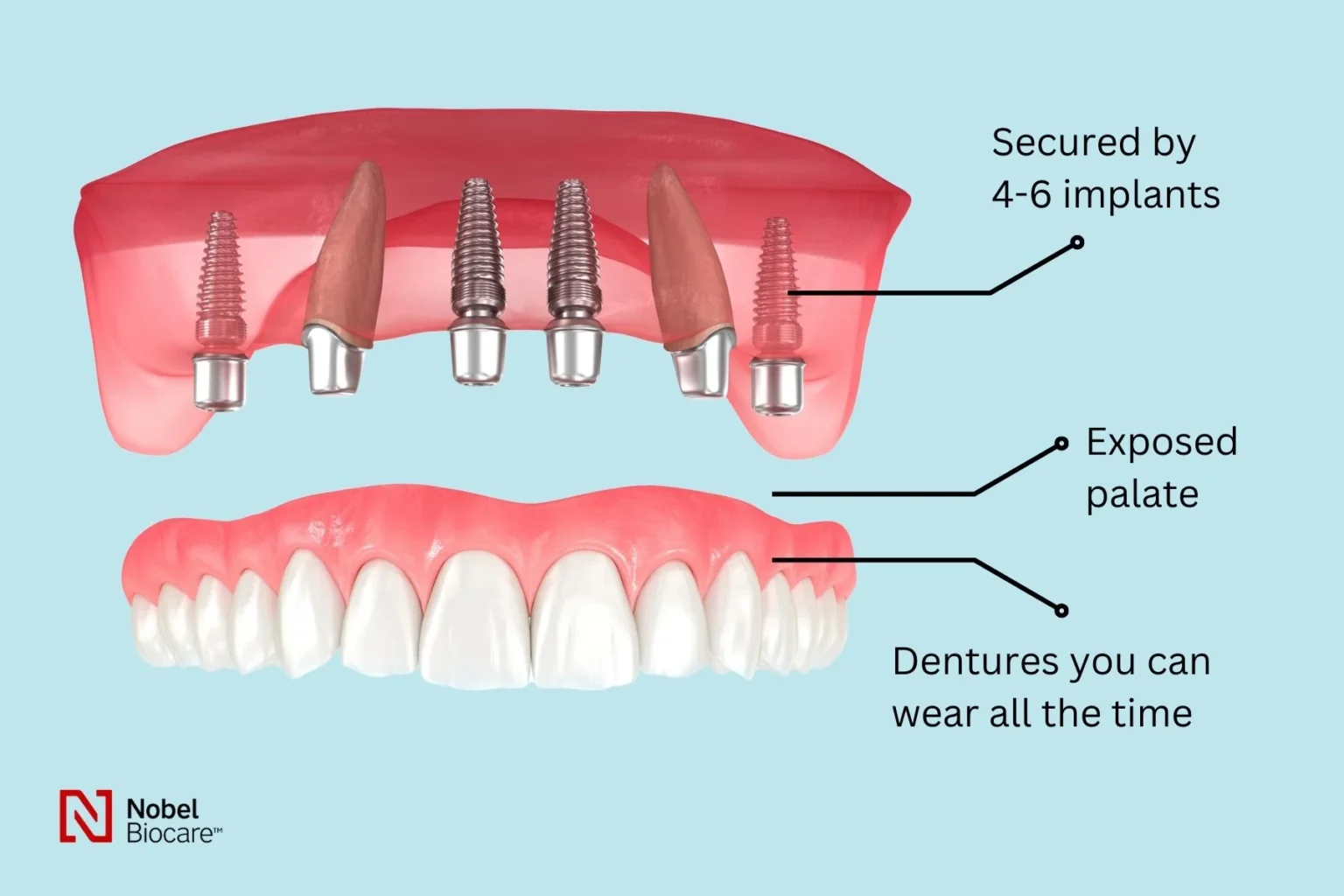
When exploring options for replacing missing teeth, understanding the procedure for all-on-4 dental implants is essential. Also referred to as full arch implants, the four dental implants meaning refers to a specific dental implant procedure designed to replace an entire arch of teeth, whether upper or lower, using only four implants.
Brief Explanation of All-on-4 Implants
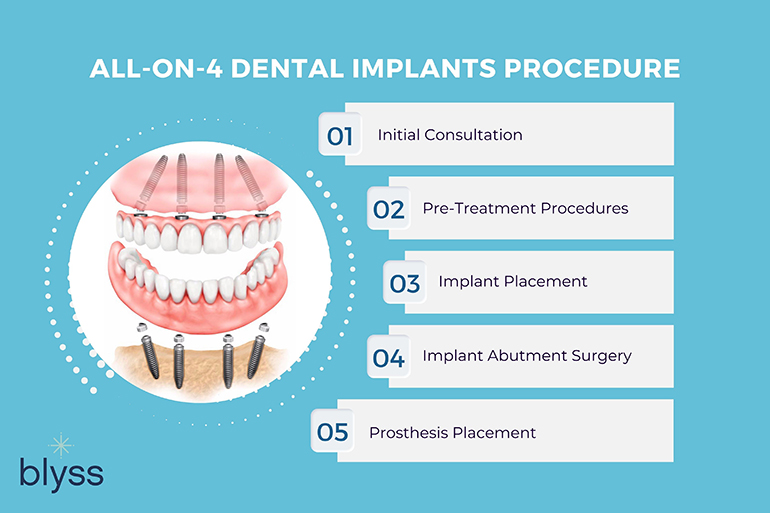
The All-on-4 technique involves placing four dental implants in the jawbone. Two implants are placed vertically in the front of the jaw, while the other two are placed at an angle in the back. This angled placement maximizes contact with the existing bone, often eliminating the need for bone grafting. Once the implants are in place, a full set of prosthetic teeth is attached, providing a complete and functional smile.
How All-on-4 Differs from Other Implants
Unlike traditional single tooth or multiple tooth implants, which require one implant per missing tooth or a few implants supporting a bridge, All-on-4 addresses an entire arch with just four implants. This can significantly reduce the complexity, cost, and recovery time associated with full-mouth restoration. In cases where patients require the replacement of several teeth, multiple implants with bridges in Albania may be a suitable option, but All-on-4 offers a streamlined solution for complete arch replacement.
Speech After Getting All-on-4 Implants
One of the most common concerns for patients undergoing All-on-4 treatment is the potential impact on speech. Understanding how talking with dental implants may change is key to preparing for the procedure. Patients often wonder about speech issues after implants and what to expect during the adaptation period.
Immediate Post-Surgery Speech Effects
Immediately following All-on-4 surgery, it’s common to experience some changes in speech. Swelling, discomfort, and the presence of a new dental prosthesis can temporarily affect pronunciation. It’s important to note that these changes are typically temporary and improve as the mouth heals and adjusts.
Common Temporary Speech Changes
Common speech with dental implants challenges immediately post-surgery include:
- Lisping: The new prosthetic can alter the way air flows in the mouth, leading to a temporary lisp.
- Pronunciation Difficulties: Certain sounds, especially those involving the tongue touching the roof of the mouth, may be challenging to pronounce clearly.
- Slurred Speech: Anesthesia and swelling can contribute to temporary slurring.
These issues are usually mild and resolve as the patient becomes accustomed to the new dental structure. If you’re seeking a less invasive solution for minor misalignments, consider exploring invisalign aligners in Albania.
Typical Adaptation Timeline
The adaptation period varies from person to person, but most patients find that their speech returns to normal within a few weeks to a few months. Regular practice, speech exercises, and dental check-ups can help speed up the adjustment process.
Why Can Speech Feel Different with All Four Dental Implants?
Several factors contribute to the initial speech differences experienced after receiving All-on-4 implants. It’s not uncommon to wonder why hard to talk with dental implants right after the surgery. The implant adjustment period is crucial, and understanding the changes in tongue and palate adaptation helps patients prepare and adjust effectively.
Role of Prosthetic Design
The design, shape, and fit of the prosthetic teeth play a significant role in speech. A well-designed prosthetic should mimic the natural shape of the teeth and gums, allowing for proper tongue movement and air flow. If the prosthetic is too bulky or doesn’t fit correctly, it can interfere with speech.
Impact of Swelling and Healing Tissue
Swelling, healing tissue, and nerve adaptation also affect speech. Post-surgical swelling can alter the shape and feel of the mouth, making it difficult to pronounce certain sounds. As the tissues heal and the nerves adapt, speech gradually improves.
Psychological Factors
Psychological factors, such as confidence and anxiety, also influence speech. Some patients may feel self-conscious about their new teeth, leading to hesitation and speech difficulties. Practice and positive reinforcement can help build confidence and improve speech over time.
Overcoming Speech Difficulties with Dental Implants
While initial speech challenges are common, there are several strategies to improve speech after implants. With the right approach and support, patients can regain their natural speaking ability. Exploring options like speech therapy, adhering to proper dental implant aftercare, and adopting useful adaptation tips can greatly assist in the adjustment period.
Tips for Adjusting to New Implants
Here are some practical tips for adjusting to new implants and improving speech:
- Reading Aloud: Practice reading aloud to become more comfortable with your new teeth and improve pronunciation.
- Specific Exercises: Work with a speech therapist or follow online resources for exercises that target specific sounds or words that are difficult to pronounce.
- Patience: Allow yourself time to adjust and be patient with the process.
Role of Dental Check-Ups and Adjustments
Regular dental check-ups are essential for ensuring proper fit and function of the prosthetic teeth. Your dentist can make adjustments to the prosthetic if needed to improve comfort and speech.
Seeking Professional Speech Therapy Support
In some cases, professional speech therapy may be beneficial. A speech therapist can provide targeted exercises and techniques to improve pronunciation and overall speech clarity. Don’t hesitate to contact Albania dental implants to discuss additional support options that might be available.
Long-Term Outlook: Will Talking Feel Normal with Four Dental Implants?
For most patients, the long-term results all-on-4 are highly positive. The goal is always talking normally after dental implants. Understanding the success rate and the potential for long-term comfort is crucial for those considering this procedure.
Adaptation Over Time
Most patients fully adapt to their All-on-4 implants over a period of weeks to months. With practice and proper care, speech becomes natural and comfortable. Patients often report feeling as though their new teeth are their own.
Factors for Positive Long-Term Outcome
Several factors contribute to a positive long-term outcome, including:
- Proper Prosthetic Fit: A well-fitting prosthetic is essential for comfortable speech and function.
- Good Oral Hygiene: Maintaining good oral hygiene helps prevent complications and ensures the longevity of the implants.
- Regular Dental Check-Ups: Regular check-ups allow your dentist to monitor the implants and make any necessary adjustments.
If you have concerns about the amount of bone available for implants, exploring options like bone grafting in Albania might be necessary to ensure the success of the procedure.
FAQs About Talking with All Four Dental Implants
Here are some frequently asked questions about speech and All-on-4 dental implants:
Is it hard to talk with all four dental implants immediately after surgery?
Yes, it is common to experience some difficulty speaking immediately after surgery. Swelling, discomfort, and the presence of a new dental prosthesis can temporarily affect pronunciation. However, these effects are usually temporary and improve as the mouth heals.
How long does it take to speak clearly with All-on-4 implants?
The adaptation period varies, but most patients find that their speech returns to normal within a few weeks to a few months. Regular practice, speech exercises, and dental check-ups can help speed up the adjustment process. We also provide more information on this topic, answering the question, How long do you go without teeth when getting implants?
Do all patients experience speech problems with All-on-4?
While some degree of speech alteration is common, not all patients experience significant problems. The severity of speech difficulties can depend on factors such as individual anatomy, prosthetic design, and adaptation abilities. It is important to consider if Can you get implants on a NHS dentist to save on costs.
Are speech difficulties permanent?
No, speech difficulties are rarely permanent. With proper care, practice, and adjustments, most patients regain their natural speaking ability over time. Should you have concerns about the longevity of dental implants, it is good to read about How long do dental implants last?
What can I do to speed up speech adaptation after getting dental implants?
To speed up speech adaptation, consider:
- Practicing reading aloud.
- Performing specific speech exercises.
- Maintaining regular dental check-ups.
- Being patient and persistent with the process.
Why is it harder to talk with upper implants compared to lower ones?
Upper implants can sometimes be more challenging due to the greater surface area covered by the upper prosthetic, which can affect tongue movement and resonance. Additionally, the upper jaw tends to have more variation in bone density, which can impact implant stability and prosthetic fit.
Can the implants be adjusted to help with speech?
Yes, the prosthetic teeth attached to the implants can be adjusted to improve speech. Your dentist can make modifications to the shape, size, and position of the teeth to optimize tongue movement and air flow, ultimately enhancing speech clarity.
Is eating and chewing also affected after getting four dental implants?
Yes, eating and chewing can be affected initially after getting four dental implants. It’s important to start with soft foods and gradually introduce more solid foods as the mouth heals and adjusts. With time, most patients regain the ability to eat and chew normally. You may find it helpful to also read this article, Can I eat normally with All-on-4 dental implants?
Conclusion
While initial speech challenges are common with All-on-4 dental implants, the vast majority of patients adapt fully and regain their natural speaking ability. By understanding the process, practicing regularly, and working closely with your dental team, you can overcome any speech difficulties and enjoy the many benefits of a complete and functional smile. Remember that if the cost of dental implants in Albania is an issue, there are ways to manage payments. If you’re considering All-on-4 implants, don’t let concerns about speech hold you back. Contact Albania Dental Implants today to schedule a consultation and learn more about how this life-changing procedure can restore your confidence and quality of life.





