



Is it hard to eat with All-on-4 implants? For many people considering this innovative dental solution, the answer is a resounding no, although there is an initial adjustment period. All-on-4 dental implants offer a revolutionary way to restore a full arch of teeth, improving not only your smile but also your ability to enjoy a wide range of foods. Understanding the process, the dietary adjustments, and the long-term benefits is crucial for making an informed decision about whether All-on-4 is right for you. At Albania Dental Implants, we’re committed to providing you with the best solutions for restoring your smile and quality of life through dental tourism in Albania.
Eating with All-on-4 dental implants
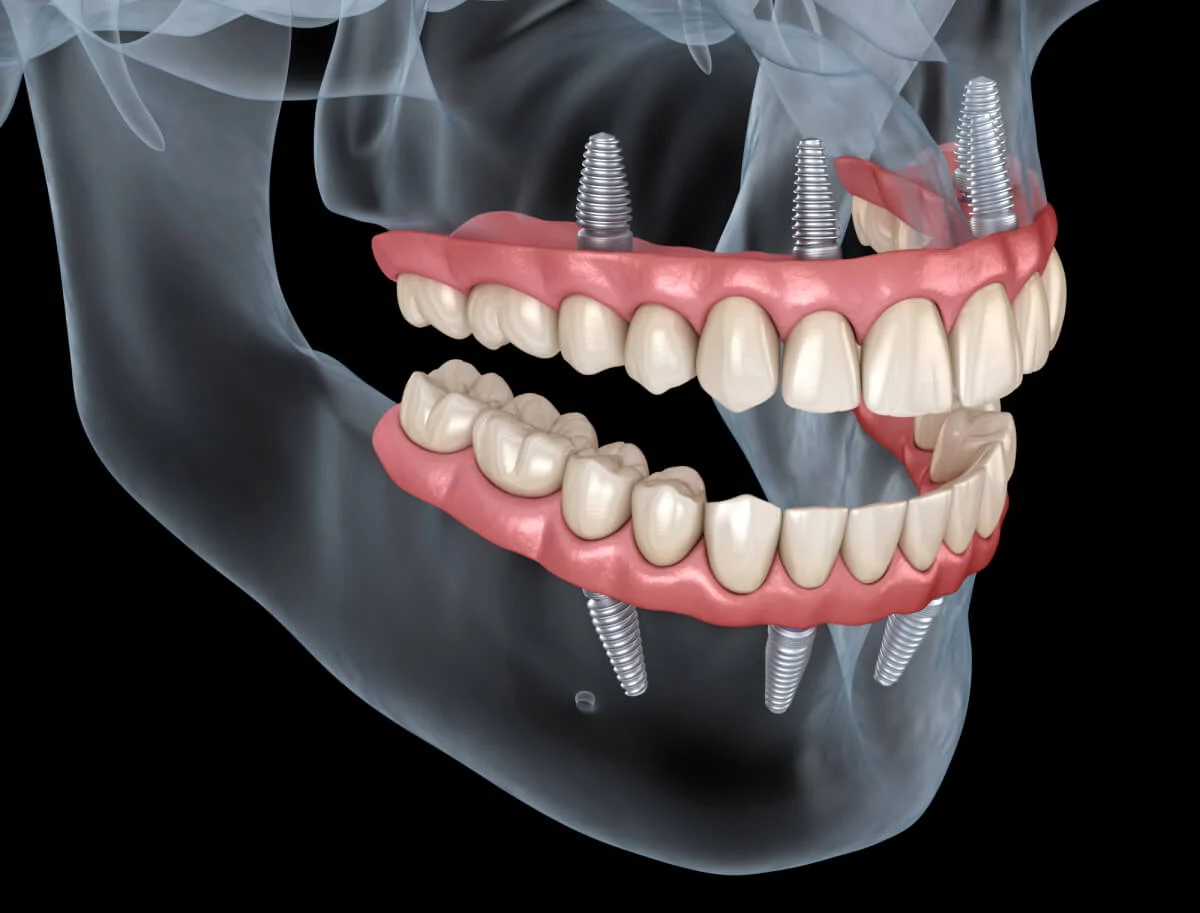
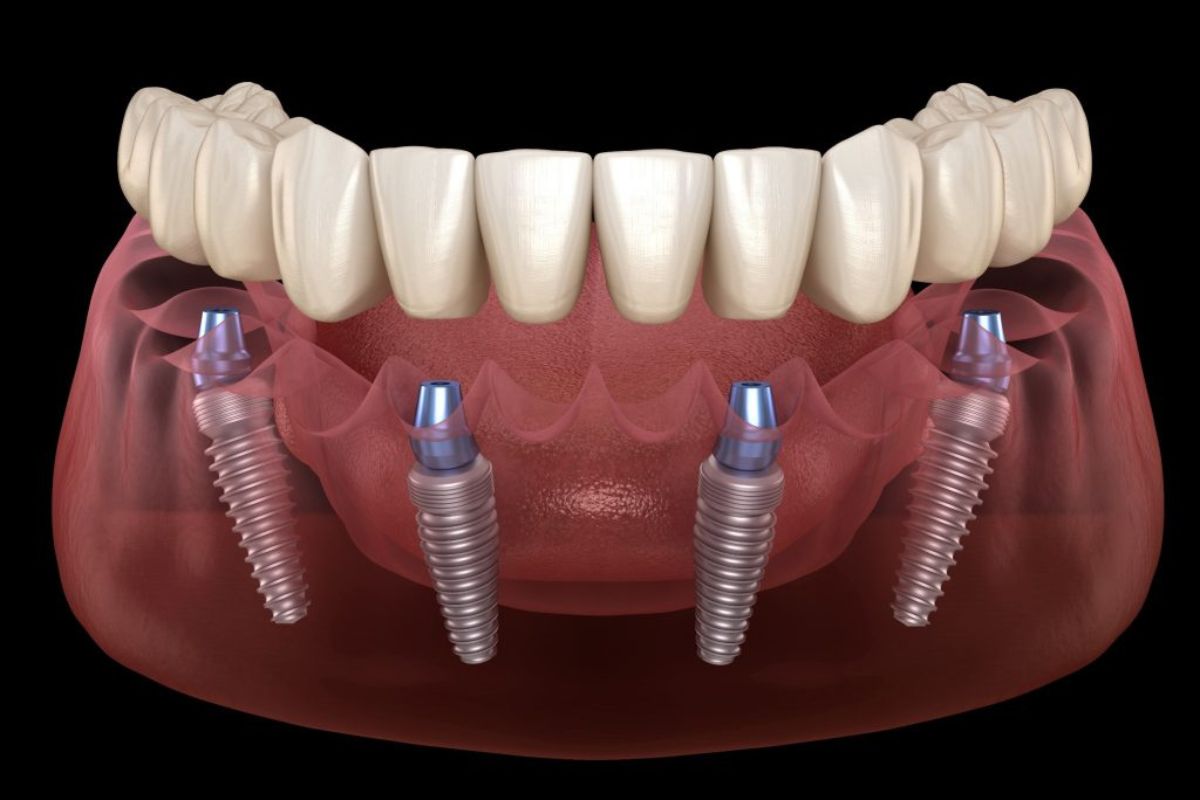
The experience of eating with All-on-4 dental implants differs significantly from traditional dentures. The All-on-4 technique involves placing four dental implants in the jawbone to support a full arch of replacement teeth. This provides a stable and secure foundation, allowing for improved chewing ability and confidence while eating. Unlike dentures, which can sometimes slip or feel uncomfortable, All-on-4 implants are fixed in place, offering a more natural and comfortable eating experience. Albania Dental Implants Services can help you determine if this is right for you.
Immediate post-surgical experience
In the immediate aftermath of the All-on-4 surgery, it’s essential to follow your dentist’s specific post-operative instructions. During this initial phase, the focus is on allowing the implants to properly integrate with the jawbone. This typically involves adhering to a strict liquid diet to avoid putting excessive pressure on the implants. As the healing process progresses, you’ll gradually transition to softer foods before eventually reintroducing more solid foods.
Typical sensations and challenges adjusting to eating
Adjusting to eating with All-on-4 dental implants requires some patience and adaptation. At first, you might experience some altered sensations or slight discomfort as you learn to chew with your new teeth. It’s crucial to start with softer foods and gradually increase the texture and consistency as you become more comfortable. With time and practice, most patients find that they can enjoy a wide variety of foods without any significant issues. Our team at Albania Dental Implants provides comprehensive support to help you navigate this adjustment period.
Chewing ability after All-on-4 treatment
One of the primary benefits of All-on-4 dental implants is the restoration of your chewing ability after All-on-4 treatment. Unlike dentures, which can reduce chewing efficiency, All-on-4 implants provide a solid foundation for biting and chewing, allowing you to enjoy a wider range of foods with greater ease and confidence. The implants act as artificial tooth roots, stimulating the jawbone and preventing bone loss, which further enhances long-term chewing function.
Bite strength
All-on-4 dental implants can significantly improve your bite strength compared to traditional dentures. The implants are securely anchored in the jawbone, providing a stable base for your new teeth. This increased stability translates to greater biting force, allowing you to chew tougher foods without fear of slippage or discomfort. Many patients are surprised at how much their chewing ability is restored with All-on-4 implants.
Chewing efficiency compared to natural teeth and dentures
While All-on-4 implants may not perfectly replicate the chewing efficiency of natural teeth, they offer a substantial improvement over dentures. Studies have shown that patients with All-on-4 implants experience significantly better chewing function compared to those with traditional dentures. This is because the implants provide a more stable and secure base, allowing for more efficient biting and grinding of food.
Long-term expectations
The long-term expectations for chewing ability after All-on-4 treatment are generally very positive. With proper care and maintenance, All-on-4 implants can provide a lasting solution for restoring chewing function. Regular dental check-ups and good oral hygiene practices are essential for maintaining the health of your implants and ensuring optimal chewing efficiency for years to come. At Albania Dental Implants, we offer comprehensive aftercare support to help you maximize the longevity and functionality of your implants.
All-on-4 aftercare and diet
Proper All-on-4 aftercare and diet are crucial for ensuring the successful integration of your implants and a smooth recovery. Following your dentist’s instructions regarding diet and oral hygiene is essential during the initial healing phase. This typically involves adhering to a specific diet plan and practicing meticulous oral hygiene to prevent infection and promote healing. Our dental clinic in Albania provides detailed aftercare guidelines to all of our patients.
Post-surgery dietary recommendations
Immediately following All-on-4 surgery, your dentist will recommend a specific dietary plan to minimize stress on the implants and promote healing. This typically involves consuming a liquid diet for the first few days, gradually transitioning to softer foods as you become more comfortable. It’s essential to avoid hard, crunchy, or chewy foods that could potentially damage the implants or interfere with the healing process.
Timeline from liquids to solids
The timeline for transitioning from liquids to solids after All-on-4 surgery varies from patient to patient. However, a general guideline involves starting with a liquid diet for the first few days, followed by a week or two of soft foods before gradually reintroducing more solid foods. Your dentist will provide personalized recommendations based on your individual healing progress and comfort level.
Dentist’s guidelines for safe healing
Your dentist will provide specific guidelines for safe healing after All-on-4 surgery. These guidelines typically include instructions on diet, oral hygiene, and medication. It’s crucial to follow these instructions carefully to minimize the risk of complications and promote optimal healing. Regular follow-up appointments with your dentist are also essential for monitoring your progress and addressing any concerns. Albania Dental Implants Resources can help you prepare for the procedure and aftercare.
Types of food you can eat with All-on-4 implants
The types of food you can eat with All-on-4 implants will evolve over time as you heal and adjust to your new teeth. While there are some initial restrictions, most patients are eventually able to enjoy a wide variety of foods without any significant limitations. Understanding the dietary progression and knowing which foods to avoid is crucial for protecting your implants and ensuring long-term success.
Foods to eat immediately after surgery
Immediately after All-on-4 surgery, you’ll need to stick to a liquid diet. Good choices include:
- Broths
- Smoothies
- Protein shakes
- Yogurt (without chunks)
These foods are gentle on the surgical site and provide essential nutrients to support healing.
Foods to gradually reintroduce
As you heal, you can gradually reintroduce softer foods such as:
- Mashed potatoes
- Scrambled eggs
- Cooked vegetables
- Soft fruits
- Ground meat
Be sure to cut your food into small pieces and chew carefully. If you experience any discomfort, revert to a softer diet.
Foods to avoid indefinitely
Certain foods should be avoided indefinitely to protect your All-on-4 implants. These include:
- Hard candies
- Nuts
- Popcorn
- Chewy or sticky candies
- Ice
These foods can damage your implants or cause them to loosen over time.
Recovery timeline for eating normally
The recovery timeline for eating normally after All-on-4 surgery can vary, but generally follows a predictable progression. Understanding what to expect each week can help you stay on track and ensure a smooth transition back to your regular diet. Consistent communication with your dental team is essential for personalized guidance. You can contact Albania dental implants to learn more about your options.
Week-by-week expectations
Here’s a general week-by-week guide:
- Week 1: Liquid diet only. Focus on broths, smoothies, and protein shakes.
- Week 2-3: Soft foods. Introduce mashed potatoes, scrambled eggs, and cooked vegetables.
- Week 4-6: Gradually add more solid foods. Cut food into small pieces and chew carefully.
When most patients return to regular diet
Most patients can return to a near-normal diet within 2-3 months after All-on-4 surgery. However, it’s essential to continue avoiding hard, crunchy, or chewy foods that could potentially damage your implants. Following your dentist’s recommendations is crucial for ensuring long-term success.
Permanent adjustments vs. short-term restrictions
While some dietary restrictions are temporary, others may be permanent. Short-term restrictions focus on allowing the implants to heal properly. Permanent adjustments involve avoiding foods that could damage the implants over time. Maintaining good oral hygiene and attending regular dental check-ups are essential for long-term success.
Comparing eating with All-on-4 vs. traditional dentures
Comparing eating with All-on-4 vs. traditional dentures reveals significant differences in stability, comfort, and functionality. All-on-4 implants offer a fixed and secure solution, while dentures are removable and can sometimes feel unstable. Understanding these differences can help you make an informed decision about which option is best for you.
Stability and confidence when biting
All-on-4 implants provide much greater stability and confidence when biting compared to dentures. The implants are securely anchored in the jawbone, providing a solid base for your new teeth. This eliminates the risk of slippage or movement while eating, allowing you to enjoy a wider range of foods with greater ease and comfort.
Functional and comfort differences
The functional and comfort differences between All-on-4 implants and dentures are substantial. All-on-4 implants feel more like natural teeth, allowing for improved chewing efficiency and a more comfortable eating experience. Dentures, on the other hand, can feel bulky and uncomfortable, and may require adjustments to ensure a proper fit.
Taste and chewing ability
All-on-4 implants typically have less impact on taste compared to dentures. Because dentures cover a portion of the palate, they can sometimes interfere with your ability to taste food. All-on-4 implants, on the other hand, leave the palate exposed, allowing for a more natural taste experience. Additionally, All-on-4 implants generally provide better chewing ability compared to dentures due to their increased stability and support.
Potential eating problems with All-on-4
While All-on-4 dental implants offer many benefits, it’s important to be aware of potential eating problems with All-on-4. These issues are usually temporary and can be addressed with proper care and attention. Understanding these potential challenges can help you prepare for the recovery process and minimize any discomfort.
Common difficulties and how to address them
Some common eating difficulties after All-on-4 surgery include:
- Difficulty chewing hard or crunchy foods
- Soreness or discomfort while eating
- Altered taste sensations
- Difficulty swallowing
These issues can often be addressed by following your dentist’s dietary recommendations, practicing good oral hygiene, and taking pain medication as prescribed.
When to contact your dentist
It’s important to contact your dentist if you experience any of the following:
- Severe pain or discomfort
- Swelling or inflammation
- Bleeding
- Loose implants
These symptoms could indicate a complication that requires prompt attention. Our team at Albania Dental Implants is always available to answer your questions and address any concerns.
Long-term dietary considerations and maintenance tips
Long-term dietary considerations All-on-4 are essential for maintaining the health and longevity of your implants. While you’ll be able to enjoy a wide variety of foods, it’s important to follow some general guidelines to protect your investment. Combining healthy eating habits with proper maintenance tips can ensure your implants last for many years to come.
Best practices for healthy eating with implants
Some best practices for healthy eating with implants include:
- Eating a balanced diet
- Limiting sugary and acidic foods
- Drinking plenty of water
- Avoiding excessive alcohol consumption
Avoiding implant damage (hard foods, sticky foods)
To avoid damaging your implants, it’s important to limit or avoid hard, crunchy, or sticky foods. These foods can put excessive stress on the implants and potentially cause them to loosen or fracture. Some examples include:
- Hard candies
- Nuts
- Popcorn
- Chewy candies
- Ice
Hygiene tips after meals
Practicing good oral hygiene after meals is crucial for maintaining the health of your implants. This includes:
- Brushing your teeth at least twice a day
- Flossing daily
- Using an interdental brush to clean around the implants
- Rinsing with an antibacterial mouthwash
Regular dental check-ups and professional cleanings are also essential for long-term implant maintenance.
FAQs
Is it hard to eat with All-on-4 implants?
Initially, there will be an adjustment period as you get used to your new teeth and learn how to chew effectively. You’ll start with a soft diet and gradually reintroduce more solid foods. However, with time and practice, most patients find that eating with All-on-4 dental implants becomes comfortable and natural.
What foods can you eat after getting All-on-4 implants?
Immediately after surgery, you’ll be limited to liquids. As you heal, you can gradually introduce softer foods such as mashed potatoes, scrambled eggs, and cooked vegetables. Eventually, you’ll be able to enjoy a wide variety of foods, but you’ll still need to avoid hard, crunchy, or chewy items that could damage your implants.
How long before you can eat normally with All-on-4 dental implants?
Most patients can return to a near-normal diet within 2-3 months after All-on-4 surgery. However, it’s essential to follow your dentist’s recommendations and gradually reintroduce more solid foods as you become comfortable. Remember that some dietary restrictions may be permanent to protect your implants.
Are there food restrictions with All-on-4?
Yes, there are some food restrictions with All-on-4 implants. While you’ll be able to enjoy a wide variety of foods, you’ll need to limit or avoid hard, crunchy, or chewy items that could damage your implants. Some examples include hard candies, nuts, popcorn, and ice.
How does eating with All-on-4 compare to eating with dentures?
Eating with All-on-4 implants is generally much more comfortable and natural compared to eating with dentures. All-on-4 implants are fixed in place, providing a stable and secure base for chewing. Dentures, on the other hand, can slip or feel uncomfortable, making it difficult to enjoy certain foods. Additionally, All-on-4 implants typically have less impact on taste compared to dentures.
Do All-on-4 implants affect taste or chewing strength?
All-on-4 implants typically have minimal impact on taste compared to dentures. Because dentures cover a portion of the palate, they can sometimes interfere with your ability to taste food. All-on-4 implants, on the other hand, leave the palate exposed, allowing for a more natural taste experience. All-on-4 implants also generally provide better chewing strength compared to dentures due to their increased stability and support.
What are the most common eating difficulties after All-on-4 surgery?
Some common eating difficulties after All-on-4 surgery include difficulty chewing hard or crunchy foods, soreness or discomfort while eating, altered taste sensations, and difficulty swallowing. These issues are usually temporary and can be addressed with proper care and attention.
Are there risks of damaging the implants while eating?
Yes, there are risks of damaging the implants while eating. Eating hard, crunchy, or chewy foods can put excessive stress on the implants and potentially cause them to loosen or fracture. That’s why it’s important to follow your dentist’s dietary recommendations and avoid these types of foods.
How do you maintain oral hygiene after eating with All-on-4?
Maintaining good oral hygiene after eating with All-on-4 implants is crucial for preventing infection and ensuring the long-term health of your implants. This includes brushing your teeth at least twice a day, flossing daily, using an interdental brush to clean around the implants, and rinsing with an antibacterial mouthwash.
What advice do dentists give for adapting to eating with All-on-4?
Dentists typically advise patients to start with a soft diet and gradually reintroduce more solid foods as they become comfortable. They also recommend cutting food into small pieces, chewing carefully, and avoiding hard, crunchy, or chewy items that could damage the implants. Regular dental check-ups and professional cleanings are essential for long-term implant maintenance.
Conclusion
While there’s an initial adjustment, eating with All-on-4 dental implants ultimately becomes a comfortable and natural experience. All-on-4 implants offer a stable and secure solution for restoring chewing function and improving your overall quality of life. By following your dentist’s recommendations, practicing good oral hygiene, and making smart dietary choices, you can enjoy a wide variety of foods with confidence.
If you’re considering All-on-4 implants, we invite you to contact Albania Dental Implants to learn more about our services and how we can help you restore your smile and your ability to enjoy life to the fullest. Our dedicated team is committed to providing you with the highest quality care and support throughout your dental journey. Don’t hesitate to reach out and schedule a consultation to discuss your individual needs and goals. Start your journey toward a healthier, happier smile today! You can learn more about all on 4 dental implants in Albania by clicking the link.





