



Can All-on-4 implants become loose? Yes, they can, and understanding why and what to do about it is crucial for anyone considering or already having this life-changing dental procedure.
What Are All-on-4 Dental Implants?
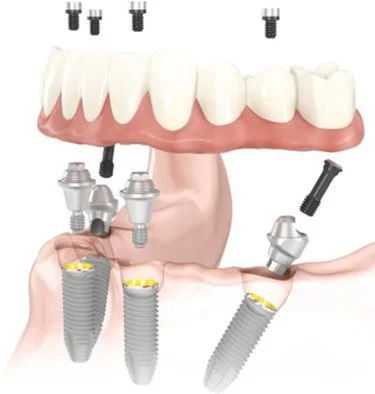
Let’s explore the all-on-4 meaning, dental implant procedure, and how they function as full-arch implants. The All-on-4 dental implant system is a revolutionary technique designed to replace an entire arch of missing teeth using only four dental implants.
Overview of the All-on-4 System
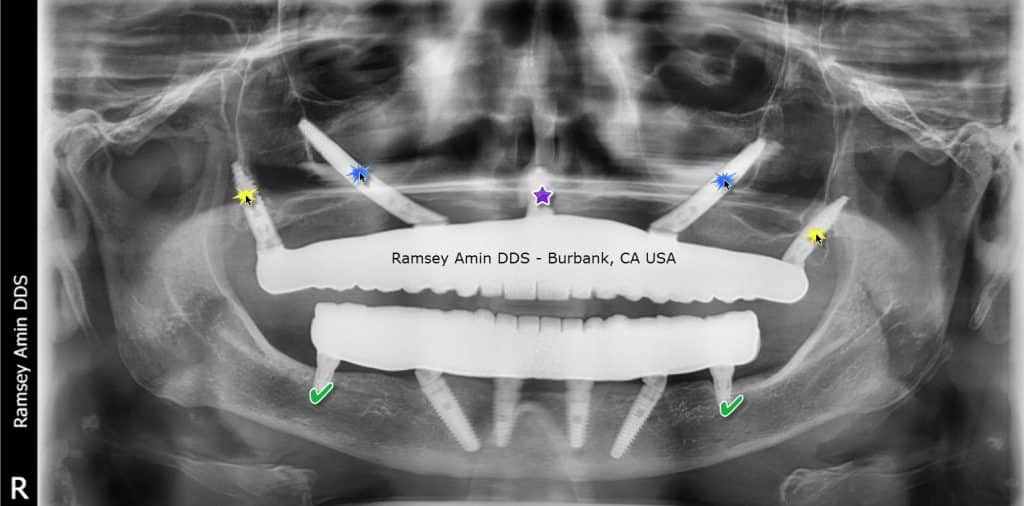
The All-on-4 system involves placing four dental implants in either the upper or lower jaw. Two implants are placed vertically in the front, while two are placed at an angle in the back of the jaw. This strategic placement provides maximum support and stability for a full set of replacement teeth.
- Efficient: Replaces an entire arch of teeth with just four implants.
- Stable: Angled implants provide enhanced support.
- Time-saving: Often allows for immediate loading of a temporary prosthesis.
How All-on-4 Differs From Traditional Implants
Traditional dental implants typically require more implants per arch (often six to eight) and may necessitate bone grafting procedures if bone density is insufficient. All-on-4 offers several advantages over traditional implants:
- Fewer Implants: Reduces the need for multiple surgical sites.
- Less Invasive: Often eliminates the need for bone grafting.
- Faster Treatment Time: Allows for quicker placement of replacement teeth.
For many patients, All-on-4 offers a more streamlined and cost-effective solution for restoring a full set of teeth. Consider exploring the dental tourism in Albania options available for affordable and high-quality dental care.
Can All-on-4 Implants Become Loose?
Addressing the core question: can all-on-4 implants become loose? The answer is yes, although it’s not as common as with traditional dentures. Understanding the potential for loose dental implants, implant instability, and possible all-on-4 complications is crucial.
Explanation of How and Why All-on-4 Implants Can Become Loose
While the All-on-4 system is designed for stability, several factors can contribute to loosening. These include:
- Bone Loss: Insufficient bone support around the implants.
- Infection: Peri-implantitis (infection around the implants) can weaken bone.
- Mechanical Issues: Loosening of screws connecting the prosthesis to the implants.
- Improper Bite: Uneven distribution of biting forces.
These issues can compromise the integrity of the implant-bone connection, leading to instability and loosening.
Differences Between Loose Implant Screws vs. Loose Prosthesis
It’s important to distinguish between a loose implant screw and a loose prosthesis. A loose screw means the connection between the implant and the artificial teeth is compromised. A loose prosthesis means the entire set of replacement teeth is moving independently of the implants. Both require prompt attention but indicate different underlying problems.
If you need to replace missing teeth, find out “How many teeth do you need for implants?”
Typical Signs and Symptoms
Recognizing the signs of a loosening All-on-4 implant is essential for early intervention. Common symptoms include:
- Movement of the Prosthesis: Feeling the replacement teeth shift or rock.
- Pain or Discomfort: Tenderness or soreness around the implant sites.
- Difficulty Chewing: Inability to bite down firmly without discomfort.
- Swelling or Redness: Inflammation around the gums near the implants.
- Changes in Bite: Feeling that your bite no longer aligns properly.
If you experience any of these symptoms, it’s crucial to seek immediate dental attention.
Causes of Loosening in All-on-4 Implants
Several factors can lead to implant failure and loosening, including bone loss, peri-implantitis, improper placement, and excessive biting forces. Understanding these causes helps in prevention and early detection.
Biological Causes: Bone Loss, Infection, Peri-implantitis
Biological factors play a significant role in the long-term stability of All-on-4 implants.
- Bone Loss: Gradual reduction in bone density around the implants, often due to osteoporosis or other systemic conditions.
- Infection: Peri-implantitis, an inflammatory condition caused by bacterial infection, can destroy the bone supporting the implant.
- Poor Oral Hygiene: Inadequate cleaning allows bacteria to thrive, leading to infection and bone loss.
Maintaining excellent oral hygiene and addressing underlying health issues are crucial for preventing these biological complications.
Mechanical Causes: Screw Loosening, Prosthesis Fracture, Biting or Trauma
Mechanical factors can also compromise the stability of All-on-4 implants.
- Screw Loosening: The screws connecting the prosthesis to the implants can loosen over time due to normal wear and tear.
- Prosthesis Fracture: Excessive biting forces or trauma can cause the prosthesis to crack or break, leading to instability.
- Improper Bite Alignment: If the bite is not properly aligned, it can create uneven stress on the implants.
- Trauma: Accidents or injuries can directly impact the implants, causing them to loosen.
Regular dental check-ups and proper maintenance can help identify and address these mechanical issues before they lead to significant problems. You might also be interested in “bone grafting in Albania“.
What is the Most Common Cause of Implant Loosening?
The most common cause of implant loosening is peri-implantitis, an infection that affects the soft and hard tissues surrounding the implant. This condition can lead to bone loss, which in turn destabilizes the implant. Regular dental check-ups and diligent oral hygiene practices are essential to prevent peri-implantitis.
What To Do If Your All-on-4 Implants Feel Loose
If you suspect your implants are loose, taking immediate action is crucial. Here are the steps to follow if you notice implant maintenance issues or need to seek dental help for fixing loose implants.
Immediate Steps for Patients
If you feel any movement or discomfort, here’s what you should do:
- Avoid Chewing on the Affected Side: Reduce stress on the implants.
- Maintain Excellent Oral Hygiene: Gently clean around the implant area.
- Contact Your Dentist Immediately: Schedule an appointment for evaluation.
Do not attempt to self-diagnose or treat the problem. Professional intervention is necessary to prevent further complications.
When to See a Dentist
It’s essential to see your dentist as soon as you notice any of the following:
- Movement of the Prosthesis: Any noticeable shifting or rocking.
- Persistent Pain or Discomfort: Soreness that doesn’t subside.
- Swelling or Redness: Signs of inflammation around the implants.
- Changes in Bite: Feeling that your bite is misaligned.
Prompt treatment can often save the implant and prevent the need for more extensive procedures. Dental implants are not suitable for everyone; check “who is not suitable for implants” to know if you are a good candidate for it.
What Not to Do at Home
Avoid these actions, as they can worsen the problem:
- Do Not Attempt to Tighten Screws: This can damage the implants or prosthesis.
- Do Not Use Over-the-Counter Adhesives: These are not designed for dental implants and can cause infection.
- Do Not Ignore the Symptoms: Delaying treatment can lead to further bone loss and implant failure.
Always seek professional dental care for any issues with your All-on-4 implants.
How to Prevent Loose All-on-4 Implants
Prevention is key to ensuring the longevity and stability of your All-on-4 implants. Focus on consistent oral hygiene for implants, adhering to a strict maintenance schedule, and attending regular dental check-ups.
Daily Care and Oral Hygiene
Proper oral hygiene is crucial for preventing infection and maintaining bone health.
- Brush Regularly: Use a soft-bristled toothbrush and non-abrasive toothpaste to clean around the implants and prosthesis.
- Floss Daily: Use interdental brushes or floss designed for implants to clean between the teeth and around the implants.
- Use an Oral Irrigator: A water flosser can help remove debris and bacteria from hard-to-reach areas.
- Antimicrobial Mouthwash: Rinse with an antimicrobial mouthwash to reduce bacteria in the mouth.
A consistent oral hygiene routine will significantly reduce the risk of peri-implantitis and bone loss.
Maintenance by Professionals
Regular professional maintenance is essential for identifying and addressing potential issues early.
- Routine Check-ups: Visit your dentist every six months for a comprehensive examination.
- Professional Cleaning: Have your implants professionally cleaned to remove plaque and tartar buildup.
- Bite Evaluation: Ensure your bite is properly aligned to prevent uneven stress on the implants.
- Screw Tightening: Your dentist can check and tighten the screws connecting the prosthesis to the implants.
Professional maintenance helps ensure the long-term stability and function of your All-on-4 implants. It’s also useful to know the “What is the best age for dental implants?”
Risks of Missing Check-Ups
Skipping regular dental check-ups can have serious consequences.
- Undetected Problems: Small issues can escalate into major problems.
- Increased Risk of Infection: Plaque and tartar buildup can lead to peri-implantitis.
- Bone Loss: Untreated infection can cause significant bone loss around the implants.
- Implant Failure: Severe bone loss can result in implant failure and the need for replacement.
Regular check-ups are a small investment compared to the cost and inconvenience of treating advanced implant problems.
Frequently Asked Questions About All-on-4 Implant Loosening
Addressing common concerns is essential for informed decision-making. Here are some frequently asked questions about the risks, durability, and recovery after repair of All-on-4 implants.
Can All-on-4 Implants Really Become Loose, or Is It Always the Prosthesis?
While it’s more common for the prosthesis to loosen due to screw issues, the implants themselves can indeed become loose if there is bone loss or infection. Distinguishing between the two requires a professional evaluation.
How Long Do All-on-4 Implants Last If Properly Maintained?
With proper care and maintenance, All-on-4 implants can last for many years, often exceeding 10-15 years or even longer. Regular check-ups and diligent oral hygiene are critical for long-term success. For those who want to replace their teeth permanently, read “Can I get rid of all my teeth and get implants?”
Are Loose Implants a Dental Emergency?
Yes, loose implants should be considered a dental emergency. Prompt treatment is essential to prevent further bone loss and potential implant failure. Contact your dentist immediately if you notice any signs of loosening.
Can a Loose Implant Fixture Be Saved, or Does It Always Need Replacing?
In many cases, a loose implant fixture can be saved with timely intervention. Treatment options include cleaning the implant site, bone grafting to restore lost bone, and adjusting the prosthesis to distribute biting forces evenly. However, if the bone loss is too severe, the implant may need to be replaced.
Is the Risk of Loosening Higher Than With Traditional Implants?
The risk of loosening is comparable between All-on-4 and traditional implants. The All-on-4 technique relies on strategic implant placement to maximize stability, but it is still subject to the same biological and mechanical factors that can affect traditional implants.
What Does a Loose All-on-4 Implant Feel Like?
A loose All-on-4 implant typically feels like movement or rocking of the prosthesis. You may also experience pain, discomfort, difficulty chewing, swelling, or changes in your bite.
How Is a Loose All-on-4 Implant Repaired?
Repairing a loose All-on-4 implant depends on the underlying cause. Treatment options include:
- Tightening Loose Screws: If the screws connecting the prosthesis to the implants are loose, your dentist can tighten them.
- Treating Peri-implantitis: This involves cleaning the implant site, removing infected tissue, and administering antibiotics.
- Bone Grafting: If bone loss is the cause, bone grafting can help restore bone density around the implant.
- Prosthesis Adjustment: Adjusting the prosthesis to distribute biting forces evenly can reduce stress on the implants.
- Implant Replacement: In severe cases, the implant may need to be replaced.
Will Insurance Cover the Cost of Repair?
Insurance coverage for All-on-4 implant repair varies depending on your specific policy. It’s best to check with your insurance provider to understand your coverage and any out-of-pocket expenses. Many patients find that dental implants in Albania are more affordable.
Competing Articles to Outperform
To create a superior article, we need to address the gaps in existing content and provide more comprehensive and actionable information than the competition. Here’s a summary of what we aim to improve upon:
- Deeper Dive into Causes: Provide more detailed explanations of the biological and mechanical causes of implant loosening.
- Actionable Prevention Tips: Offer more specific and practical advice on preventing implant loosening.
- Comprehensive FAQ: Address a wider range of frequently asked questions about All-on-4 implant loosening.
- Focus on Long-Term Maintenance: Emphasize the importance of ongoing maintenance and professional care for long-term success.
By addressing these areas, we can create a more valuable and informative resource for readers.
Conclusion: Minimising the Risk of Loose All-on-4 Implants
Ensuring the long-term success of All-on-4 dental implants requires a commitment to proper aftercare, thorough patient education, and a focus on achieving long-term success. While the risk of loosening exists, it can be minimized through diligent oral hygiene, regular professional maintenance, and prompt treatment of any issues.
If you are considering All-on-4 implants or are experiencing issues with your current implants, we invite you to contact Albania dental implants for a consultation. Our experienced team can provide personalized care and guidance to help you achieve a healthy, stable, and confident smile. Don’t let the fear of complications hold you back from the life-changing benefits of All-on-4 dental implants.





