



How often do you have to remove All-on-4? is one of the most common questions for anyone considering this implant-supported denture system. Understanding the maintenance and care involved is crucial for making an informed decision about whether All-on-4 is the right solution for you. This comprehensive guide will cover everything you need to know about All-on-4 removal frequency, cleaning, maintenance, and long-term care, ensuring you have realistic expectations and can enjoy the benefits of a restored smile for years to come. Discover if traveling to Albania for Albania Dental Implants may be the most cost-effective way to enhance your quality of life.
Understanding the All-on-4 System
Understanding the All-on-4 system is the first step in appreciating the maintenance required. This section will address what All-on-4 is, whether All-on-4 teeth are removable, and the difference between fixed and removable All-on-4 solutions. The All-on-4 cleaning frequency is largely determined by whether the prosthetic is designed to be fixed or removable.
What is All-on-4?
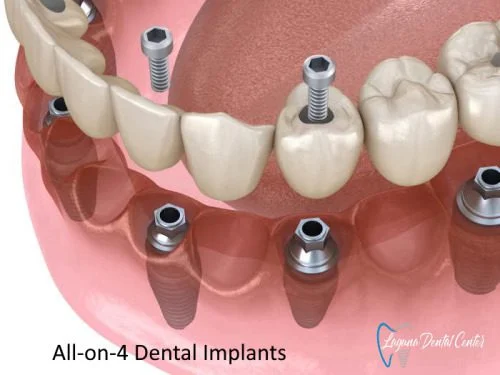
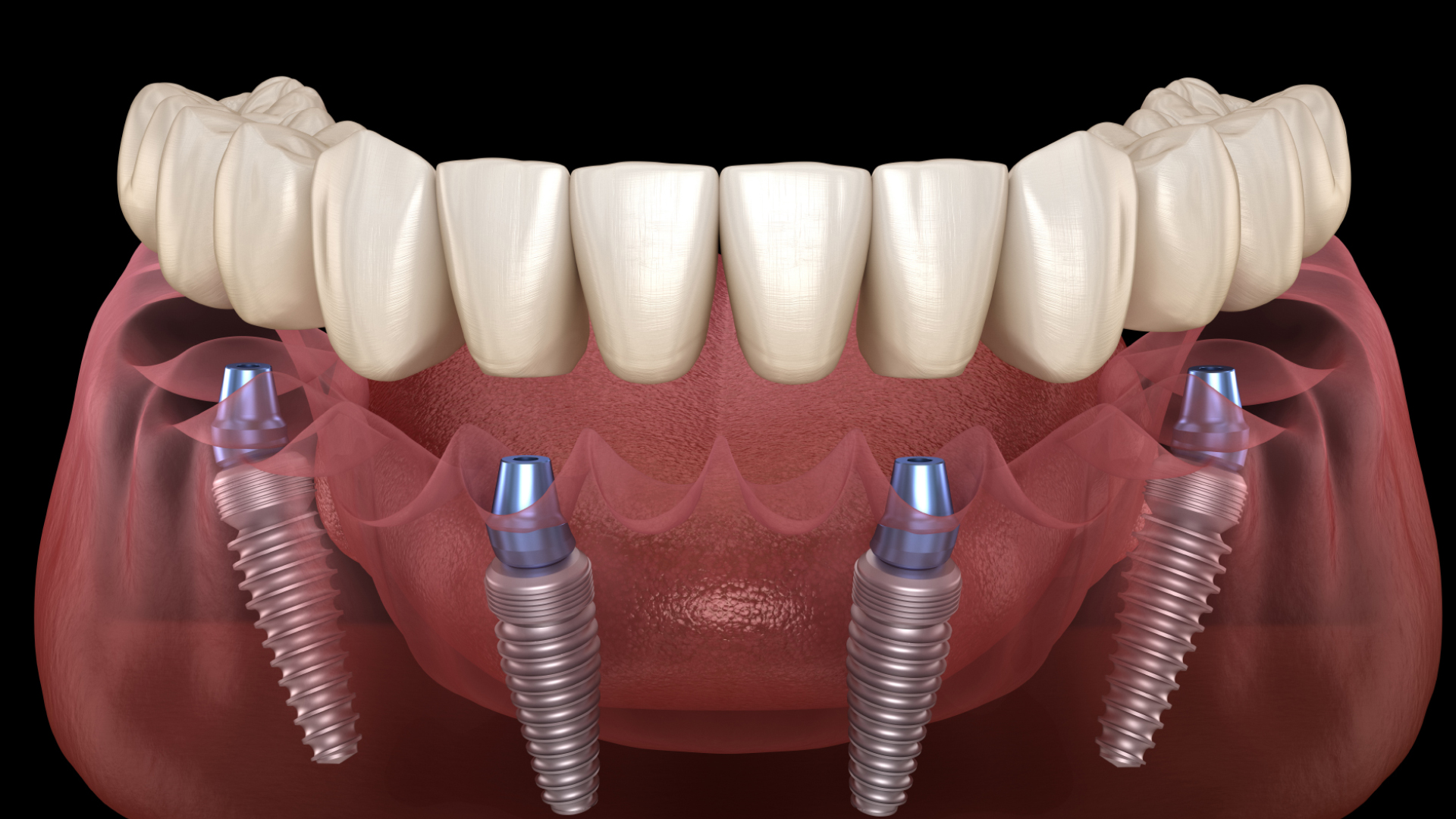
All-on-4 is a revolutionary dental implant technique used to replace an entire arch of missing teeth (upper or lower) with a fixed denture supported by only four dental implants. These implants are strategically placed in the jawbone to provide maximum stability and support for the prosthetic teeth. The All-on-4 technique is popular because it often avoids the need for bone grafting and offers a faster, more cost-effective solution compared to traditional full arch dental implants.
The procedure typically involves an initial consultation, implant placement surgery, and the attachment of a temporary denture. After a healing period, a permanent, custom-fitted denture is secured to the implants. All-on-4 provides patients with a functional, natural-looking smile and improved chewing ability.
Are All-on-4 teeth removable?
One of the most frequently asked questions is, “Are All-on-4 teeth removable?”. The standard All-on-4 system is designed to be a fixed solution, meaning the patient cannot remove the denture themselves. The prosthetic teeth are securely attached to the implants by a dentist using screws or cement. This fixed design provides greater stability, functionality, and a more natural feel compared to traditional removable dentures.
However, it’s important to note that while patients cannot remove the All-on-4 denture, a dentist can remove it for professional cleanings, maintenance, or repairs. This ensures proper hygiene and the longevity of the implant system.
Difference between fixed and removable All-on-4 solutions
While the traditional All-on-4 system is fixed, there are variations that offer removable options. These removable All-on-4 dentures, sometimes referred to as “implant-supported overdentures,” are attached to the implants using clips or other retentive mechanisms. Patients can remove these overdentures for daily cleaning and maintenance.
Here’s a breakdown of the key differences:
- Fixed All-on-4: Provides greater stability and a more natural feel, but requires professional removal for cleaning and maintenance.
- Removable All-on-4 (Implant-Supported Overdentures): Offers easier daily cleaning, but may not feel as stable or natural as a fixed solution.
The best option for you depends on your individual needs, preferences, and oral health. Discussing the pros and cons of each solution with your dentist will help you make an informed decision.
How Often Do You Have to Remove All-on-4 for Cleaning?
This section dives into the specifics of how to clean All-on-4 implants and the required All-on-4 cleaning frequency. We’ll address daily cleaning at home, professional removal and cleaning by a dentist, and whether patients can remove All-on-4 by themselves.
Daily cleaning at home
While you can’t remove a fixed All-on-4 denture at home, daily cleaning is crucial to maintain optimal oral hygiene and prevent complications. Food particles and plaque can accumulate around the implants and under the denture, leading to inflammation, infection, and potential implant failure.
Here’s a recommended daily cleaning routine:
- Brush: Use a soft-bristled toothbrush and a low-abrasive toothpaste to gently brush the denture and the surrounding gum tissue. Pay close attention to the areas where the denture meets the gums.
- Interdental Brushes: Use interdental brushes or floss to clean between the implants and under the denture. These brushes are designed to reach areas that a regular toothbrush can’t.
- Water Flosser: A water flosser can help dislodge food particles and bacteria from hard-to-reach areas. Use it on a low setting to avoid damaging the gum tissue.
- Specialised Cleaning Solutions: Your dentist may recommend specific cleaning solutions or mouthwashes designed for All-on-4 dentures.
Professional removal and cleaning by a dentist
Even with diligent home care, professional cleaning by a dentist is essential for the long-term health of your All-on-4 implants. During a professional cleaning, the dentist will remove the denture (if it’s a fixed solution) to thoroughly clean it and the underlying tissues.
The dentist will use specialized tools and techniques to remove plaque, tartar, and bacteria from the implants and denture. They will also inspect the implants for any signs of complications, such as inflammation, infection, or loosening. This All-on-4 professional cleaning is a critical step in preventing problems and ensuring the longevity of your investment in dental tourism in Albania.
Can patients remove All-on-4 by themselves?
As mentioned earlier, patients cannot remove a fixed All-on-4 denture themselves. Attempting to do so can damage the denture or the implants. Only a qualified dentist has the tools and expertise to safely remove and reattach a fixed All-on-4 prosthesis.
If you have a removable All-on-4 denture (implant-supported overdenture), you can remove it for daily cleaning as instructed by your dentist. However, it’s important to follow your dentist’s instructions carefully to avoid damaging the denture or the implants.
Recommended Maintenance Schedule for All-on-4
Maintaining your All-on-4 system requires a commitment to both daily home care and regular professional visits. This section outlines a recommended All-on-4 maintenance schedule, covering daily home care routines, the frequency of dental visits for professional cleaning, and signs that you need professional attention.
Daily home care routines
Consistency is key when it comes to daily home care. Neglecting your oral hygiene can lead to plaque buildup, gum disease, and ultimately, implant failure. Here’s a recap of the essential steps:
- Brush twice a day: Use a soft-bristled toothbrush and low-abrasive toothpaste.
- Clean between implants: Use interdental brushes or floss.
- Use a water flosser: Gently dislodge food particles and bacteria.
- Rinse with mouthwash: Use a dentist-approved mouthwash.
Consider using a Sonicare toothbrush with a small head and a thin neck. Studies show they are gentle on the gums and can help to reach around the All-on-4 implant.
How often to visit your dentist for professional cleaning
The recommended frequency for professional cleanings is typically every 3-6 months. However, your dentist may recommend more frequent visits depending on your individual needs and oral health. Regular professional cleanings allow the dentist to:
- Thoroughly clean the denture and implants
- Assess the health of the surrounding tissues
- Identify and address any potential problems early on
- Adjust the denture as needed
These professional visits are vital for maintaining the All-on-4 long-term care and lifespan of your implants. Many patients choose to combine their regular dental visits with a holiday, by having their dental clinic in Albania visits and relaxing in the beautiful country.
Signs you need professional attention
Even if you maintain a diligent home care routine and attend regular professional cleanings, it’s important to be aware of signs that indicate a potential problem. Contact your dentist immediately if you experience any of the following:
- Pain or discomfort around the implants
- Swelling or redness of the gums
- Bleeding gums
- Loose implants or denture
- Difficulty chewing or speaking
- Changes in your bite
- Unpleasant taste or odour
Addressing these issues promptly can prevent them from escalating into more serious complications. Early intervention often leads to more successful and less invasive treatment options.
Long-Term Care and Longevity of All-on-4
The All-on-4 lifespan can vary depending on several factors, but with proper care and maintenance, you can expect your All-on-4 system to last for many years. This section explores what affects how long All-on-4 lasts, strategies for preventing complications and failures, and the typical lifespan of an All-on-4 prosthesis.
What affects how long All-on-4 lasts?
Several factors can influence the longevity of your All-on-4 implants. These include:
- Oral Hygiene: Diligent daily cleaning and regular professional cleanings are crucial for preventing plaque buildup and gum disease, which can lead to implant failure.
- Bone Density: Sufficient bone density is necessary to support the implants. Bone loss can occur over time, compromising the stability of the implants.
- Overall Health: Certain medical conditions, such as diabetes and osteoporosis, can affect bone health and increase the risk of implant failure.
- Lifestyle Habits: Smoking and excessive alcohol consumption can impair healing and increase the risk of complications.
- Diet: A balanced diet that is low in sugar and acidic foods is important for maintaining oral health and preventing damage to the denture.
- Bite Forces: Excessive clenching or grinding of the teeth can put excessive stress on the implants and denture, leading to premature wear and tear.
- Maintenance: Regular check-ups and maintenance appointments with your dentist are essential for identifying and addressing any potential problems early on.
According to a study published in the Journal of Prosthodontics, the 5-year survival rate for All-on-4 implants is approximately 95%, highlighting the importance of proper maintenance and care ( источник: J Prosthodont. 2017;26(7):576-582).
Choosing an experienced implantologist, like those at implantology in Albania is key to the success of the procedure, as it can greatly influence the All-on-4 lifespan.
Preventing complications and failures
Proactive measures can significantly reduce the risk of complications and failures. Here are some key strategies:
- Maintain Excellent Oral Hygiene: Follow your dentist’s instructions for daily cleaning and attend regular professional cleanings.
- Manage Underlying Health Conditions: Work with your doctor to manage any medical conditions that could affect bone health or healing.
- Quit Smoking: Smoking significantly increases the risk of implant failure.
- Limit Alcohol Consumption: Excessive alcohol consumption can impair healing and increase the risk of complications.
- Follow a Healthy Diet: A balanced diet that is low in sugar and acidic foods is important for maintaining oral health.
- Wear a Nightguard: If you clench or grind your teeth, wear a nightguard to protect the implants and denture from excessive stress.
- Attend Regular Check-ups: See your dentist for regular check-ups and maintenance appointments to identify and address any potential problems early on.
Typical lifespan of All-on-4 prosthesis
While the implants themselves can last a lifetime with proper care, the All-on-4 prosthesis (the denture) may need to be replaced or repaired over time. The typical lifespan of an All-on-4 prosthesis is 10-15 years, but it can last longer with meticulous care and maintenance.
Factors that can affect the lifespan of the prosthesis include:
- Wear and Tear: The denture can experience normal wear and tear over time, such as chipping, cracking, or staining.
- Bite Forces: Excessive clenching or grinding of the teeth can put excessive stress on the denture, leading to premature wear and tear.
- Trauma: Accidents or injuries can damage the denture.
Regular check-ups with your dentist can help identify any signs of wear and tear early on. They can make any necessary repairs or recommend replacement of the prosthesis as needed.
Troubleshooting: When Removal or Adjustment Might Be Needed
Even with the best care, issues can sometimes arise that require professional intervention. This section covers common issues prompting professional removal or adjustment of your All-on-4, whether All-on-4 can break or become loose, and what to do if you suspect a problem.
Common issues prompting professional removal
Several issues can necessitate the professional removal of your All-on-4 denture. These include:
- Implant Failure: If one or more of the implants fail, the denture may need to be removed to allow for bone grafting or other treatments.
- Denture Fracture: If the denture fractures or breaks, it will need to be removed for repair or replacement.
- Significant Gum Recession: Significant gum recession around the implants can compromise their stability and require removal of the denture for treatment.
- Severe Infection: In rare cases, a severe infection around the implants may necessitate removal of the denture and implants.
- Screw Loosening or Fracture: The screws that attach the denture to the implants can sometimes loosen or fracture, requiring removal of the denture for repair.
Can All-on-4 break or become loose?
Yes, All-on-4 dentures can break or become loose. While the implants themselves are very strong and durable, the denture is made of acrylic or other materials that can be susceptible to wear and tear, fracture, or loosening over time.
Factors that can contribute to breakage or loosening include:
- Excessive Bite Forces: Clenching or grinding your teeth can put excessive stress on the denture, leading to fracture or loosening.
- Trauma: Accidents or injuries can damage the denture or loosen the screws that attach it to the implants.
- Poor Fit: A poorly fitting denture can put uneven stress on the implants, leading to loosening or failure.
What to do if you suspect a problem
If you suspect a problem with your All-on-4 denture, it’s important to contact your dentist immediately. Early intervention can often prevent the problem from escalating into a more serious complication.
Here are some steps you can take:
- Contact Your Dentist: Schedule an appointment with your dentist as soon as possible.
- Describe the Problem: Be prepared to describe the problem in detail, including when it started and any symptoms you’re experiencing.
- Avoid DIY Repairs: Do not attempt to repair the denture yourself. This can damage the denture or the implants and make the problem worse.
- Follow Your Dentist’s Instructions: Follow your dentist’s instructions carefully. They may recommend removing the denture, adjusting your diet, or taking medication.
Remember, proactive care and prompt attention to any issues are key to maintaining the long-term health and success of your All-on-4 implants. You may want to consider a dental holiday to the clinic in Albania Dental Implants, offering a more affordable solution, and combine it with a vacation.
Frequently Asked Questions
This section addresses common questions about All-on-4 maintenance and care. These All-on-4 FAQ will provide detailed answers to help you better understand how to care for your All-on-4 system.
Can you sleep with All-on-4 in place?
Yes, you can sleep with your All-on-4 denture in place. Unlike traditional removable dentures, All-on-4 dentures are designed to be worn 24 hours a day. However, it’s important to maintain excellent oral hygiene to prevent plaque buildup and gum disease. Be sure to follow your dentist’s instructions for daily cleaning, and attend regular professional cleanings.
Is it painful to have All-on-4 removed by a dentist?
No, it is generally not painful to have your All-on-4 denture removed by a dentist. The procedure is typically quick and straightforward. Your dentist will use specialized tools to gently unscrew or detach the denture from the implants. You may feel some pressure or vibration, but you should not experience any significant pain. If you are particularly anxious, discuss sedation options with your dentist.
How do you know if your All-on-4 needs attention?
There are several signs that may indicate your All-on-4 needs professional attention. These include:
- Pain or discomfort around the implants
- Swelling or redness of the gums
- Bleeding gums
- Loose implants or denture
- Difficulty chewing or speaking
- Changes in your bite
- Unpleasant taste or odour
- Chipped or cracked denture
If you experience any of these symptoms, contact your dentist immediately for an evaluation.
Are there different cleaning requirements for upper vs lower All-on-4?
While the basic cleaning principles are the same for both upper and lower All-on-4 dentures, there may be some slight variations depending on the specific design of your denture and your individual needs. Your dentist will provide you with personalized instructions for cleaning your All-on-4 denture. However it is essential to brush, use interdental brushes, and a water flosser to clean under the cleaning permanent dentures every day.
Can you use a water flosser or mouthwash with All-on-4?
Yes, you can and should use a water flosser and mouthwash with your All-on-4 denture. A water flosser can help dislodge food particles and bacteria from hard-to-reach areas, while mouthwash can help kill bacteria and freshen your breath. Choose a mouthwash that is specifically designed for use with dental implants and does not contain alcohol. Your dentist can recommend the best products for your needs.
In conclusion, while fixed All-on-4 dentures are not removed by the patient, professional removal for cleaning and maintenance is essential for long-term success. By following a diligent home care routine and attending regular professional cleanings, you can enjoy the benefits of a healthy, functional smile for years to come. For those seeking affordable solutions, consider exploring all on 4 dental implants in Albania.





