



Maintaining dental implants is crucial for their long-term success and your overall oral health. But what dissolves plaque on dental implants? This article delves into effective methods for preventing and removing plaque, ensuring your implants remain healthy and functional for years to come. We’ll explore both at-home and professional techniques, highlighting the best practices to keep your smile bright and your investment secure.
Understanding Plaque Buildup on Dental Implants
Related Keywords: dental plaque, biofilm, implant health, oral bacteria
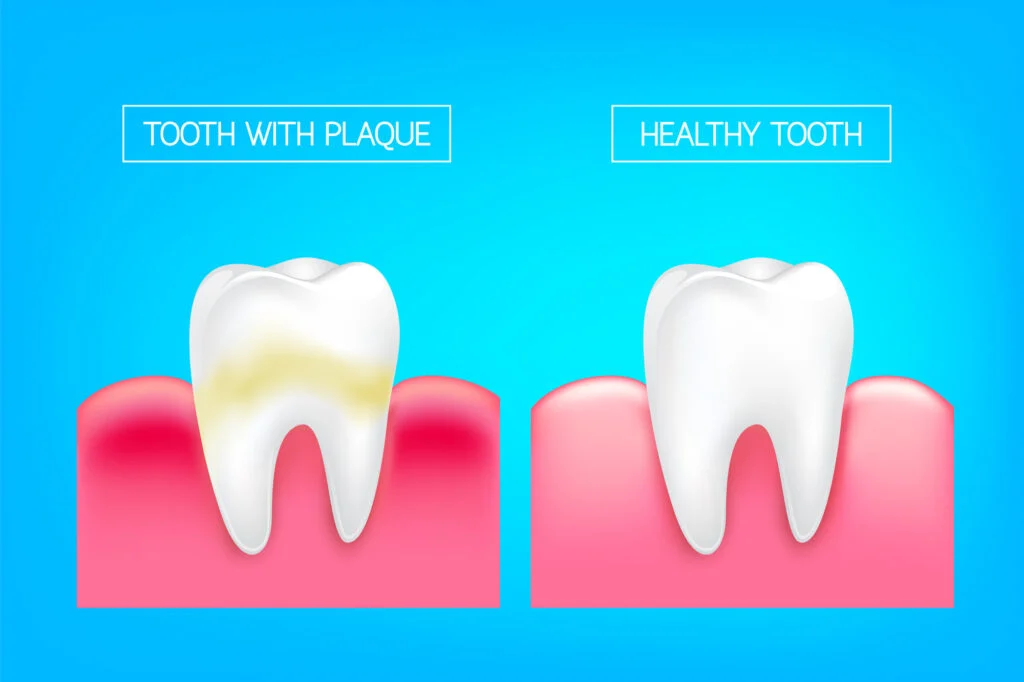
Dental implants, like natural teeth, are susceptible to plaque buildup. Understanding how and why this happens is the first step toward effective prevention. Dental plaque is a sticky biofilm composed of bacteria, saliva, and food debris. It constantly forms on all surfaces in the mouth, and if not removed regularly, it can lead to various oral health issues, including problems specific to implants.
How Plaque Forms on Dental Implants
The process of plaque formation is relatively straightforward. Oral bacteria metabolize sugars and carbohydrates, producing acids that contribute to the demineralization of tooth enamel and, in the case of implants, irritate the surrounding gum tissues. Over time, this accumulation hardens into tartar or calculus, which is much more difficult to remove and requires professional cleaning. Regular and proper cleaning are essential to disrupt this process and maintain healthy implant health.
Differences Between Implant Plaque and Natural Teeth Plaque
While the composition of plaque around implants is similar to that found on natural teeth, the implications can be different. Natural teeth have a protective layer of enamel, while implants directly interface with the gum tissue and underlying bone. This makes implants more vulnerable to infection and inflammation. The junction between the implant and the gum is a critical area, as it can be a breeding ground for bacteria if not properly maintained. This heightened vulnerability emphasizes the need for specialized oral hygiene practices tailored for dental implants.
What Dissolves Plaque on Dental Implants?
Related Keywords: dissolving dental plaque, plaque removal agents, oral hygiene, implant cleaning solutions
Effectively removing plaque from dental implants involves a combination of mechanical and chemical methods. The best approach is a consistent daily routine combined with regular professional cleanings. Let’s explore these methods in detail.
Mechanical Methods for Plaque Removal
Mechanical plaque removal refers to the physical disruption and removal of plaque biofilm through brushing, flossing, and other cleaning aids. These methods are crucial for daily maintenance.
- Brushing: Use a soft-bristled toothbrush and non-abrasive toothpaste. Angle the brush towards the gum line to effectively clean the area around the implant. According to the American Dental Association, soft-bristled brushes are less likely to damage gum tissue and implant surfaces.
- Interdental Brushes: These small brushes are designed to clean between teeth and around implants, reaching areas that a regular toothbrush cannot. They are especially useful for cleaning around the abutment, the part that connects the implant to the crown.
- Dental Floss: Specific types of floss, such as implant-specific floss or floss threaders, are designed to navigate around implants and remove plaque from hard-to-reach areas.
- Water Flossers: Water flossers, also known as oral irrigators, use a stream of pulsating water to remove plaque and debris. They are gentle on the gums and effective at cleaning around implants.
Chemical Methods for Plaque Removal
Chemical plaque removal involves the use of antimicrobial mouth rinses and toothpastes to kill bacteria and prevent plaque formation. These are often used as adjuncts to mechanical methods.
- Chlorhexidine Mouth Rinse: Chlorhexidine is a powerful antiseptic that kills a wide range of bacteria. It is often prescribed by dentists for short-term use after implant surgery or to manage peri-implant mucositis (inflammation of the gums around the implant). However, long-term use can cause staining of the teeth and alterations in taste perception.
- Hydrogen Peroxide Mouth Rinse: Hydrogen peroxide is another antiseptic that can help reduce plaque and inflammation. It is milder than chlorhexidine and can be used for longer periods. A diluted solution (1.5% hydrogen peroxide) is generally recommended.
- Enzymatic Toothpastes: Some toothpastes contain enzymes that help break down plaque and prevent its formation. These are a good option for daily use and are often less abrasive than traditional toothpastes.
The Role of Professional Cleanings vs. At-Home Care
While at-home oral hygiene is essential, professional cleanings are also crucial for maintaining the long-term health of dental implants. Dentists and hygienists have specialized tools and techniques to remove hardened plaque and tartar that cannot be removed at home. Regular check-ups also allow the dentist to assess the health of the implant and surrounding tissues and address any potential problems early on. The American Academy of Implant Dentistry recommends professional cleanings every 3 to 6 months, depending on individual needs and risk factors.
Booking regular appointments for check-ups and cleanings at a trusted dental clinic in Albania can help you maintain the health and longevity of your dental implants.
Best Practices for Preventing and Removing Plaque
Related Keywords: implant oral hygiene, daily cleaning routine, plaque prevention, brushing technique, water flossers
Establishing a consistent and effective oral hygiene routine is essential for preventing plaque buildup around dental implants. Here’s a step-by-step guide to help you maintain optimal implant health.
Step-by-Step Daily Cleaning Routine for Dental Implants
- Brush Gently: Use a soft-bristled toothbrush and non-abrasive toothpaste. Brush twice daily, paying careful attention to the area around the implant and gum line. Use gentle, circular motions to avoid damaging the implant surface or gum tissue.
- Floss Regularly: Use implant-specific floss or floss threaders to clean between the implant and adjacent teeth. Gently move the floss up and down to remove plaque and debris.
- Use Interdental Brushes: Clean around the abutment and other hard-to-reach areas with an interdental brush. Choose a brush size that fits comfortably without forcing it.
- Rinse with Antimicrobial Mouthwash: After brushing and flossing, rinse with an antimicrobial mouthwash to kill any remaining bacteria. Chlorhexidine or hydrogen peroxide mouth rinses are effective options.
- Water Floss Daily: Use a water flosser to flush out plaque and debris from around the implant. Adjust the pressure to a comfortable level and aim the stream of water at the gum line.
Recommended Tools for Dental Implant Care
- Soft Toothbrush: Essential for gentle and effective cleaning.
- Non-Abrasive Toothpaste: Prevents scratching and damage to the implant surface.
- Implant-Specific Floss or Floss Threaders: Designed to navigate around implants.
- Interdental Brushes: Reach areas that regular brushes cannot.
- Water Flosser: Gentle and effective for removing plaque and debris.
Professional vs. At-Home Care Comparison
At-home care is critical for daily maintenance, but professional cleanings are essential for removing hardened plaque and tartar. Regular dental check-ups also allow the dentist to assess the health of the implant and surrounding tissues and address any potential problems early on.
- At-Home Care: Daily brushing, flossing, interdental brushing, and antimicrobial mouth rinse.
- Professional Care: Professional cleanings every 3 to 6 months, dental check-ups, and assessment of implant health.
Investing in Albania Dental Implants Services is a great option for anyone considering dental implants because of the high standard of care and affordable pricing.
Potential Risks if Plaque is Not Removed From Dental Implants
Related Keywords: peri-implantitis, implant failure, gum disease, inflammation, bone loss
Neglecting plaque removal around dental implants can lead to serious complications, including peri-implant mucositis and peri-implantitis. Understanding these risks can motivate you to maintain a rigorous oral hygiene routine.
Consequences of Unchecked Plaque: Peri-Implant Mucositis
Peri-implant mucositis is an inflammation of the soft tissues surrounding the dental implant. It is characterized by redness, swelling, and bleeding of the gums. While it is reversible with proper oral hygiene and professional treatment, if left untreated, it can progress to peri-implantitis.
Peri-Implantitis: A More Severe Condition
Peri-implantitis is a more advanced stage of inflammation that affects both the soft tissues and the supporting bone around the implant. It is characterized by bone loss, which can eventually lead to implant loosening and failure. Peri-implantitis is more difficult to treat than peri-implant mucositis and often requires surgical intervention.
How Plaque Leads to Implant Complications and Potential Loss
Plaque accumulation leads to an inflammatory response, which damages the tissues surrounding the implant. This inflammation can cause bone loss, which weakens the support for the implant. Over time, the implant can become loose and eventually fail. According to a study published in the Journal of Periodontology, peri-implantitis is a significant cause of implant failure, affecting up to 47% of implants after 5 to 10 years. Regular plaque removal and professional maintenance are essential to prevent these complications and ensure the long-term success of your dental implants. For instance, full mouth reconstruction in Albania is a great option if you have extensive damage to your teeth from plaque.
Professional Support and When to Seek Help
Related Keywords: implant dentist, hygienist, dental check-ups, maintenance visits
While at-home care is crucial, professional support from an implant dentist and hygienist is essential for maintaining the long-term health of your dental implants. Regular check-ups and maintenance visits can help prevent complications and ensure your implants remain healthy and functional.
How Often to See a Professional for Implant Cleaning
The frequency of professional implant cleanings varies depending on individual needs and risk factors. However, most dentists recommend professional cleanings every 3 to 6 months. During these visits, the dentist or hygienist will remove any hardened plaque and tartar, assess the health of the implant and surrounding tissues, and provide personalized oral hygiene instructions.
Signs of Trouble: When to Call Your Dentist
It’s important to be aware of the signs of potential problems with your dental implants. Contact your dentist immediately if you experience any of the following:
- Redness, swelling, or bleeding of the gums around the implant
- Pain or discomfort around the implant
- Loose implant or crown
- Changes in your bite
- Receding gums around the implant
- Bad taste or odor coming from the implant area
Early detection and treatment are essential for preventing serious complications and preserving the health of your dental implants. Don’t hesitate to contact Albania dental implants if you have any concerns about your implants.
If you are experiencing these signs it may be time for a check up! You can easily contact Albania dental implants online today.
Frequently Asked Questions (FAQ)
This section addresses common questions about plaque removal and maintenance of dental implants, providing detailed answers to help you better care for your implants.
What home remedies can dissolve plaque on dental implants?
While there aren’t home remedies that completely dissolve plaque, some can help manage it. Saltwater rinses can reduce inflammation and kill bacteria. Mix a teaspoon of salt in warm water and rinse for 30 seconds after brushing. Baking soda, when used as a paste, can help neutralize acids in the mouth but should be used sparingly as it can be abrasive. Oil pulling with coconut oil is another traditional remedy that some find helpful, though scientific evidence is limited. Remember, these are supplements to, not replacements for, regular brushing and flossing.
Are there any safe natural solutions for dissolving plaque on implants?
Certain natural solutions can aid in managing plaque, but they won’t dissolve it entirely. Aloe vera juice can reduce inflammation and fight bacteria. Green tea contains antioxidants that can prevent plaque formation. Cranberry extract has also been shown to inhibit bacterial adhesion to surfaces. Always ensure these solutions are used in conjunction with, not instead of, mechanical cleaning methods. Consult with your dentist before incorporating any new natural remedies into your routine to ensure they are safe for your specific implant type and condition. Zirconia implants in Albania are an effective solution when traditional implants are not.
Can mouthwash alone remove or dissolve plaque from dental implants?
Mouthwash alone cannot remove or dissolve plaque effectively. While it can help kill bacteria and reduce inflammation, it doesn’t provide the mechanical disruption needed to remove the plaque biofilm. Mouthwash should be used as an adjunct to brushing and flossing, not as a replacement. Antimicrobial mouthwashes like chlorhexidine can be beneficial, but they should be used as directed by your dentist due to potential side effects like staining.
What’s the best way to clean around the gum line of an implant?
Cleaning around the gum line of an implant requires a gentle but thorough approach. Use a soft-bristled toothbrush and angle it towards the gum line. Use small, circular motions to clean the area, ensuring you reach all surfaces. Interdental brushes are also very effective for cleaning this area, as they can reach into the sulcus (the space between the implant and the gum). A water flosser can help flush out debris and bacteria from around the gum line as well.
Do ultrasonic cleaning devices help with plaque on implants?
Ultrasonic cleaning devices can be helpful for removing plaque and tartar from around dental implants, but they must be used carefully. These devices use high-frequency vibrations to loosen and remove deposits. While effective, they can potentially damage the implant surface if used improperly. It’s best to have an ultrasonic cleaning performed by a trained dental professional who understands the specific requirements for implant care.
Are electric toothbrushes more effective for implant plaque removal?
Electric toothbrushes can be more effective than manual toothbrushes for removing plaque around dental implants, especially if you have mobility issues or difficulty reaching certain areas. Electric toothbrushes often have features like timers and pressure sensors that help ensure you brush for the correct amount of time and with the right amount of pressure. However, the effectiveness of an electric toothbrush depends on proper technique. Be sure to follow your dentist’s recommendations for brushing technique and brush head type.
How does plaque on implants lead to peri-implantitis or implant failure?
Plaque accumulation around dental implants triggers an inflammatory response. This inflammation, if left unchecked, leads to peri-implant mucositis, characterized by red, swollen, and bleeding gums. If the inflammation progresses, it destroys the bone supporting the implant, resulting in peri-implantitis. The bone loss associated with peri-implantitis can cause the implant to loosen and eventually fail. Regular plaque removal is critical to prevent this inflammatory cascade.
Is chlorhexidine safe for long-term use on dental implants?
Chlorhexidine is a powerful antiseptic that can effectively kill bacteria and reduce inflammation. However, it is not recommended for long-term use due to potential side effects, such as staining of the teeth and alterations in taste perception. If you need long-term antimicrobial support, consider using a milder mouthwash, such as hydrogen peroxide, or an enzymatic toothpaste. Always follow your dentist’s recommendations for mouthwash use.
How often should dental implants be professionally cleaned?
Dental implants should be professionally cleaned every 3 to 6 months, depending on individual needs and risk factors. People who have multiple implants with bridges in Albania should seek regular cleaning and maintenance services. Regular professional cleanings allow the dentist or hygienist to remove hardened plaque and tartar, assess the health of the implant and surrounding tissues, and provide personalized oral hygiene instructions. These visits are essential for preventing complications and ensuring the long-term success of your dental implants.
Conclusion
Maintaining dental implants requires a consistent and thorough oral hygiene routine, combined with regular professional cleanings. By understanding how plaque forms, the risks associated with unchecked plaque, and the best practices for prevention and removal, you can ensure the long-term health and success of your implants. Don’t hesitate to seek professional support from your dentist or hygienist if you have any concerns. Investing in the care of your dental implants is an investment in your overall oral health and quality of life. Schedule a consultation with Albania Dental Implants today to learn more about how we can help you maintain a healthy and beautiful smile for years to come!
If you are interested in learning more about dental implants, we can help! Schedule a consultation online today!





