



What does it mean for a dentist to mess up an implant?
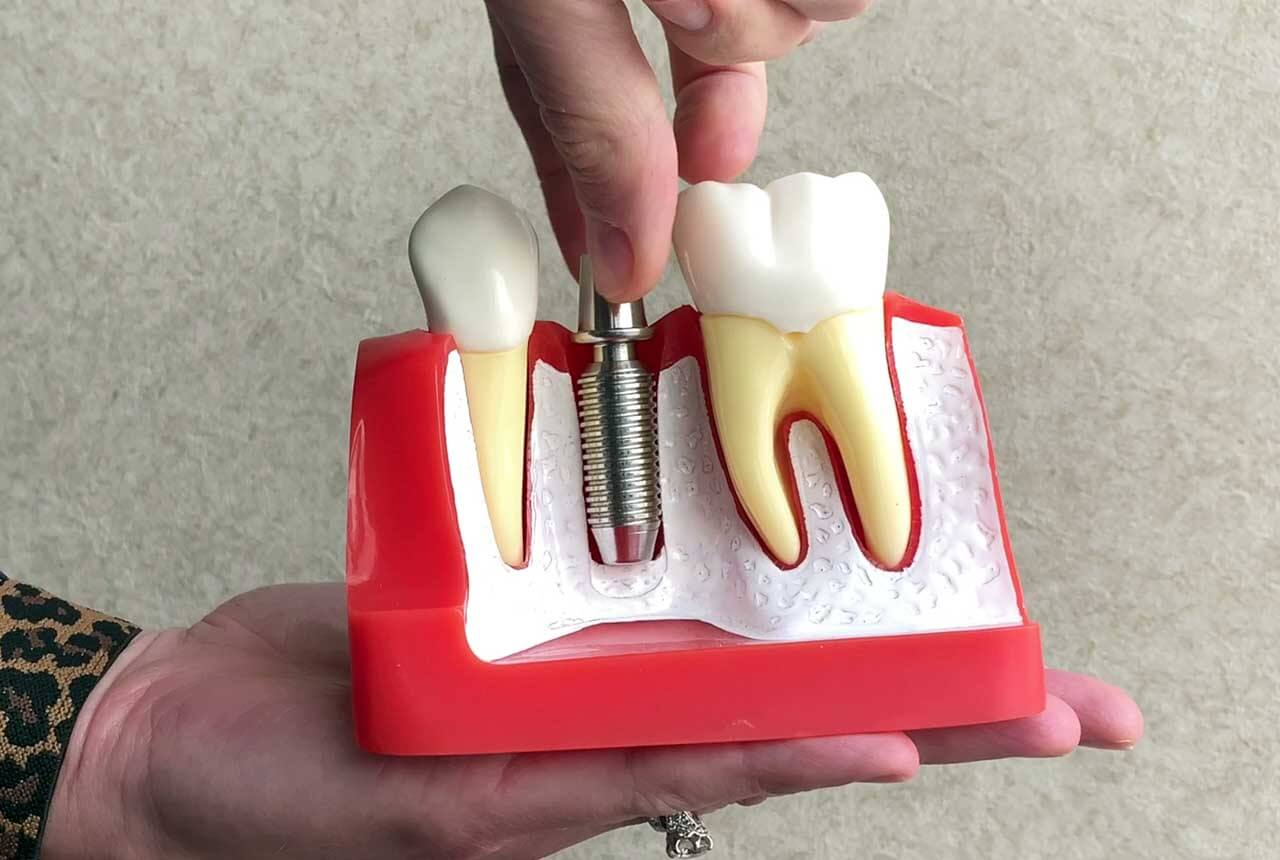
When we talk about “messing up” a dental implant, we’re referring to a range of issues that can compromise the implant’s stability, function, or aesthetics. Dentist mistakes with implants can stem from various sources, ultimately leading to implant failure or other complications. This can include improper placement, nerve damage, or even using the wrong type of implant for your specific needs.
A botched implant can result in significant discomfort, additional expenses for corrective procedures, and even long-term health problems. It’s essential to recognise the potential consequences of dentist errors and take proactive steps to minimise your risk.
What happens when implant placement goes wrong?
Incorrect implant placement can have several detrimental effects:
- Compromised Stability: If the implant isn’t placed in the ideal location or angle, it might not integrate properly with the jawbone, leading to instability and potential failure.
- Aesthetic Issues: Poor placement can result in an unnatural-looking smile, with the implant crown appearing misaligned or out of proportion.
- Nerve Damage: In some cases, incorrect placement can damage nearby nerves, causing pain, numbness, or tingling in the face, lips, or tongue.
- Sinus Problems: For upper implants, improper placement can penetrate the sinus cavity, leading to sinus infections or other complications.
To help avoid implant issues it’s best to explore dental implants in Albania with our expert team.
Common dental implant complications and their causes
Even with the best care, dental implant complications can sometimes occur. Understanding the potential causes of dental implant complications is vital for prevention and early intervention. Here’s a breakdown of some common issues:
Surgical errors (e.g. incorrect placement)
Surgical errors are a significant factor in implant complications. Incorrect placement can lead to biomechanical overload, making the implant more susceptible to failure. A study in the Journal of Oral Implantology found that inaccurate implant positioning contributed to peri-implantitis in a significant number of cases.
Reasons for surgical errors:
- Inadequate planning: Lack of proper imaging and assessment can lead to misjudging the optimal implant site.
- Insufficient surgical skill: Inexperience or lack of training can increase the risk of errors during the procedure.
- Poor visibility: Limited access or poor lighting can make precise placement challenging.
Poor planning and diagnosis
Successful dental implant placement relies on meticulous planning and accurate diagnosis. Failing to adequately assess the patient’s oral health and bone structure can lead to complications.
Aspects of poor planning:
- Insufficient bone density: Implants require sufficient bone to integrate properly. Without enough bone, a bone graft may be necessary, which adds complexity and cost to the procedure.
- Unidentified medical conditions: Certain health conditions, such as uncontrolled diabetes or autoimmune diseases, can impair healing and increase the risk of implant failure.
- Ignoring bite alignment: Failing to consider the patient’s bite can lead to excessive stress on the implant, increasing the risk of fractures or loosening.
Inadequate aftercare or follow-up
Proper aftercare is crucial for the long-term success of dental implants. Inadequate aftercare or lack of follow-up can lead to infections, inflammation, and eventual implant failure.
Reasons for inadequate aftercare:
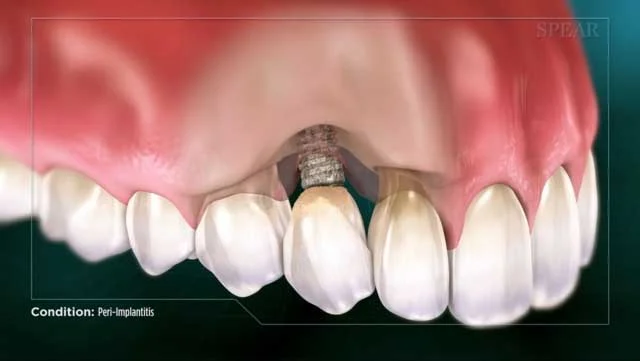
- Poor oral hygiene: Neglecting to brush, floss, and use antibacterial mouthwash can lead to peri-implantitis (inflammation of the tissues surrounding the implant).
- Failure to address complications: Ignoring early signs of problems, such as pain, swelling, or bleeding, can allow infections to progress and compromise the implant.
- Lack of regular check-ups: Regular dental check-ups are essential for monitoring the implant and addressing any potential issues early on.
To ensure success, consider a consultation with our dental clinic in Albania .
How to identify signs of a failed dental implant
Recognising the signs of dental implant problems early on is essential for prompt intervention and potentially saving the implant. Being aware of the key indicators can help you seek timely professional help.
What are the telltale signs that something is wrong?
Here are some common signs of a failing dental implant:
- Pain or discomfort: Persistent pain, tenderness, or throbbing around the implant site can indicate infection or inflammation.
- Swelling or redness: Swelling, redness, or pus discharge around the implant can signal an infection.
- Loose implant: If the implant feels loose or moves when you touch it, it’s a sign that it hasn’t integrated properly with the bone or that the bone around it is deteriorating.
- Difficulty chewing: Pain or discomfort when chewing can indicate that the implant is not stable or that the bite is misaligned.
- Receding gums: If the gums around the implant are receding, it can expose the implant threads and increase the risk of infection.
- Changes in bite: A noticeable change in your bite or the way your teeth fit together can indicate that the implant is shifting or causing other teeth to move.
If you experience any of these symptoms, it’s crucial to consult with your dentist or an implant specialist as soon as possible. Early diagnosis and treatment can improve the chances of saving the implant and preventing further complications.
Remember to explore Albania Dental Implants Albania Dental Implants for further information.
What should you do if your dental implant goes wrong?
Discovering that your dental implant has gone wrong can be a stressful experience. However, taking prompt and decisive action is essential to address the issue and minimise any long-term consequences. Here’s a step-by-step guide on how to handle the situation:
Seeking a second opinion
If you suspect that your dental implant has failed or that the procedure was not performed correctly, the first step is to seek a second opinion from another qualified dentist or implant specialist. A fresh perspective can provide valuable insights and help you understand the full extent of the problem.
When seeking a second opinion:
- Choose a qualified professional: Look for a dentist or implant specialist with extensive experience in implant dentistry and a proven track record of success.
- Provide complete information: Share all relevant information about your initial implant procedure, including the type of implant used, the dentist who performed the procedure, and any records or X-rays you have.
- Ask specific questions: Prepare a list of questions to ask the dentist, such as:
- What is the likely cause of the implant failure?
- What are the available treatment options?
- What is the prognosis for each treatment option?
Legal recourse and complaints
If you believe that your implant failure was due to dental malpractice in implantology, you may have grounds for legal recourse. Dental malpractice occurs when a dentist’s negligence or incompetence results in harm to a patient.
Steps to consider:
- Consult with a solicitor: Contact a solicitor experienced in dental malpractice cases to discuss your options and assess the strength of your claim.
- Gather evidence: Collect all relevant evidence, including dental records, X-rays, photographs, and any communication you had with the dentist.
- File a complaint: Consider filing a complaint with the General Dental Council (GDC), the regulatory body for dentists in the UK. The GDC can investigate allegations of professional misconduct and take disciplinary action against dentists who violate their standards of care.
It is important to be aware of your patient rights after implant issues to navigate the legal considerations effectively.
Corrective procedures or implant removal
Depending on the nature and severity of the implant problem, various corrective procedures may be necessary. In some cases, the implant may need to be removed altogether.
Possible corrective procedures:
- Bone grafting: If bone loss is the cause of the implant failure, a bone graft may be necessary to rebuild the bone and provide a stable foundation for a new implant.
- Soft tissue grafting: If gum recession is an issue, a soft tissue graft can be used to restore the gum line and protect the implant from infection.
- Implant replacement: In some cases, the failed implant may need to be removed and replaced with a new one.
- Peri-implantitis treatment: If peri-implantitis is present, a thorough cleaning and disinfection of the implant surface may be necessary, along with antibiotics and other medications.
If you are considering dental tourism in Albania to save money, please contact our team and speak about options.
How to choose a dentist and avoid implant mistakes
Choosing the right implant dentist is the most critical step in ensuring a successful and complication-free implant procedure. Taking the time to research and select a qualified professional can significantly reduce your risk of dentist mistakes with implants.
What should you look for in an implant dentist?
Here are some key factors to consider:
- Qualifications and experience: Look for a dentist with extensive training and experience in implant dentistry. Check their credentials, certifications, and professional affiliations.
- Success rate: Ask about the dentist’s implant success rate. A high success rate indicates that the dentist has the skills and expertise to perform implant procedures effectively.
- Technology and equipment: Ensure that the dentist uses state-of-the-art technology and equipment, such as 3D cone beam CT scans, computer-guided surgery, and advanced implant systems.
- Patient reviews and testimonials: Read online reviews and testimonials from other patients to get an idea of the dentist’s reputation and patient satisfaction.
- Consultation and communication: Schedule a consultation with the dentist to discuss your needs and expectations. Pay attention to how well they communicate with you and whether they take the time to answer all of your questions.
Questions to ask during your consultation
Here are some essential questions to ask during your consultation with a potential implant dentist:
- What is your experience with dental implants?
- What is your success rate with dental implants?
- What type of implant do you recommend for me, and why?
- What are the risks and benefits of dental implants?
- What is the cost of the procedure, and what does it include?
- What is the recovery process like?
- What happens if there are complications?
Frequently Asked Questions (FAQs)
Navigating the world of dental implants can be confusing, especially when considering the potential for things to go wrong. Here are some frequently asked questions to help you make informed decisions:
Can a dentist really mess up an implant?
Yes, a dentist can indeed mess up an implant. While dental implants have a high success rate, the procedure is complex and requires precision. Dentist errors, inadequate planning, or poor execution can lead to implant failure, nerve damage, or aesthetic problems. The risks of improper dental implant placement are significant, highlighting the importance of choosing a qualified and experienced professional.
What are the most common mistakes dentists make during dental implant surgery?
The most common mistakes dentists make during dental implant surgery include:
- Incorrect placement: Placing the implant in the wrong location or angle can compromise its stability and aesthetics.
- Inadequate bone assessment: Failing to assess bone density properly can lead to implant failure due to lack of support. Bone grafting in Albania is a reliable option.
- Nerve damage: Damaging nearby nerves during surgery can cause pain, numbness, or tingling.
- Infection: Poor sterile technique can lead to infection around the implant, hindering its integration with the bone.
- Using the wrong implant size or type: Selecting an inappropriate implant can lead to biomechanical problems and failure.
How do I know if my dental implant has failed?
Signs of a failed dental implant include:
- Pain or discomfort: Persistent pain, tenderness, or throbbing around the implant site.
- Swelling or redness: Inflammation around the implant.
- Loose implant: The implant feels loose or moves when touched.
- Difficulty chewing: Pain or discomfort when chewing.
- Receding gums: Gums receding around the implant, exposing the threads.
- Changes in bite: A noticeable change in your bite or the way your teeth fit together.
Experiencing any of these signs requires immediate consultation with your dentist.
Is implant failure always the dentist’s fault?
No, implant failure isn’t always the dentist’s fault. While dentist errors can contribute, other factors can also play a role:
- Patient’s health: Medical conditions like uncontrolled diabetes, autoimmune diseases, or smoking can impair healing and increase the risk of failure.
- Poor oral hygiene: Inadequate brushing, flossing, and professional cleanings can lead to peri-implantitis and implant failure.
- Accidents or trauma: A blow to the face can damage the implant or the surrounding bone.
- Bruxism (teeth grinding): Grinding or clenching teeth can put excessive stress on the implant, leading to fractures or loosening.
What are the signs of a poorly placed dental implant?
Signs of a poorly placed dental implant include:
- Aesthetic problems: The implant crown appears misaligned, too long, or too short.
- Difficulty cleaning: The implant is difficult to clean due to its position or proximity to other teeth.
- Gum recession: Gums receding around the implant, exposing the threads.
- Nerve damage: Pain, numbness, or tingling in the face, lips, or tongue.
- Sinus problems: Sinus infections or pain in the sinus area (for upper implants).
Contact contact Albania Dental Implants today to assess your treatment.
What should I do if I suspect my implant was done incorrectly?
If you suspect your implant was done incorrectly:
- Seek a second opinion: Consult with another qualified dentist or implant specialist.
- Gather records: Collect all relevant dental records, X-rays, and photographs.
- Document your concerns: Write down all of your concerns and symptoms in detail.
- Consider legal action: If you believe the dentist was negligent, consult with a solicitor experienced in dental malpractice cases.
Can a bad implant be fixed, and by whom?
Yes, a bad implant can often be fixed, but the specific approach depends on the nature of the problem. Potential solutions include bone grafting, soft tissue grafting, implant replacement, or peri-implantitis treatment. It’s crucial to seek treatment from a qualified implant specialist or a prosthodontist with experience in complex implant cases.
How do I choose a qualified dentist for implants?
Choosing the right dentist for implants involves:
- Checking qualifications and experience: Look for a dentist with extensive training and experience in implant dentistry.
- Asking about success rates: Inquire about the dentist’s implant success rate.
- Evaluating technology and equipment: Ensure the dentist uses state-of-the-art technology.
- Reading patient reviews: Look for online reviews and testimonials from other patients.
- Having a consultation: Schedule a consultation to discuss your needs and expectations.
What legal steps can I take if my implant procedure was performed incorrectly?
If your implant procedure was performed incorrectly, you can:
- Consult with a solicitor: Contact a solicitor experienced in dental malpractice cases.
- Gather evidence: Collect all relevant dental records, X-rays, and photographs.
- File a complaint: Consider filing a complaint with the General Dental Council (GDC).
How much does repairing a messed-up implant cost?
The cost of repairing a messed-up implant can vary widely depending on the nature and extent of the problem. Simple corrections may cost a few hundred pounds, while more complex procedures, such as bone grafting or implant replacement, can cost several thousand pounds. It’s essential to get a detailed treatment plan and cost estimate from your dentist before proceeding with any corrective procedures.
Dental implants offer a long-lasting and effective solution for missing teeth, but potential complications can arise. By understanding the risks, choosing a qualified dentist, and following proper aftercare, you can significantly increase your chances of a successful implant experience.
At Albania Dental Implants, we are committed to providing our patients with the highest quality care and expertise in dental implantology. Our team of experienced dentists uses state-of-the-art technology and techniques to ensure that your implant procedure is performed safely and effectively.
Explore cost of dental implants in Albania with Albania Dental Implants today.
If you’re considering dental implants, we encourage you to schedule a consultation with us to discuss your needs and expectations. We’ll take the time to answer all of your questions and develop a personalised treatment plan that’s right for you. Contact us today to learn more!





