



Whole Mouth Dental Implants – Transforming Your Smile and Oral Health
Whole mouth dental implants offer a comprehensive solution for people seeking to restore a full set of teeth with stability, function, and aesthetics. For those suffering from extensive tooth loss due to decay, injury, or disease, this treatment can dramatically improve their quality of life. Replacing an entire arch of teeth with dental implants provides a long-lasting, functional, and aesthetically pleasing result.
What Are Whole Mouth Dental Implants?
Whole mouth dental implants, also known as full arch implants or whole mouth restoration, are a comprehensive dental solution designed to replace all teeth in either the upper or lower jaw, or both. Unlike traditional dentures, which rest on the gums, whole mouth dental implants are anchored directly into the jawbone, providing superior stability and support. This approach not only restores a complete set of teeth but also helps preserve the jawbone, preventing further bone loss. Albania Dental Implants offers state-of-the-art dental implants in Albania, ensuring high-quality treatment at an affordable price.
Full Arch Implants Explained
Full arch implants involve placing multiple dental implants strategically along the jawbone. These implants then serve as anchors for a custom-made prosthetic arch that mimics the appearance and function of natural teeth. This prosthetic arch is securely attached to the implants, providing a stable and durable foundation for chewing, speaking, and smiling. The result is a natural-looking and fully functional set of teeth that can last a lifetime with proper care. Many patients choose dental tourism in Albania for this complex procedure, combining high-quality dental care with an opportunity to explore a beautiful country.
Benefits of Whole Mouth Restoration
Whole mouth restoration with dental implants offers numerous benefits compared to traditional dentures. Here are some key advantages:
- Improved Stability: Implants are anchored in the jawbone, providing a secure base for the prosthetic teeth, eliminating slipping and movement.
- Enhanced Functionality: Patients can eat, speak, and smile with confidence, without worrying about their dentures shifting or falling out.
- Preserved Jawbone: Implants stimulate bone growth, preventing bone loss and maintaining facial structure.
- Natural Appearance: The prosthetic teeth are custom-made to match the patient’s natural teeth, providing a seamless and aesthetically pleasing result.
- Long-Term Solution: With proper care, dental implants can last a lifetime, making them a cost-effective solution in the long run.
Types of Full Mouth Dental Implants
When considering full mouth dental implants, it’s essential to understand the different types available. Each option offers unique benefits and may be more suitable depending on individual needs and circumstances. Understanding these different options is crucial for making an informed decision about your full mouth restoration.
All-on-4 Implants
All-on-4 implants are a popular choice for full mouth restoration. This technique involves placing just four dental implants in each jaw to support a full arch of prosthetic teeth. The All-on-4 method is often less invasive and requires less bone grafting compared to traditional implant procedures. It also offers a faster treatment timeline, with some patients receiving their new teeth in just one day. For those seeking all on 4 dental implants in Albania, Albania Dental Implants provides expert care and exceptional results.
All-on-6 Implants
Similar to All-on-4, the All-on-6 technique uses six dental implants to support a full arch of prosthetic teeth. The additional implants provide even greater stability and support, making this option ideal for patients with weaker jawbones or those who require more robust support for their prosthetic teeth. All-on-6 implants can also distribute the biting forces more evenly, reducing the risk of implant failure. If you need more support and want to compare it with all-on-4, you may want to explore all on 6 dental implants in Albania.
Implant-Supported Dentures
Implant-supported dentures, also known as overdentures, combine the benefits of dental implants with the affordability of traditional dentures. This option involves placing a few dental implants in the jawbone, which then serve as anchors for a removable denture. The implants provide added stability and retention, preventing the denture from slipping or moving during eating and speaking. Implant-supported dentures are a cost-effective solution for patients who want a more secure and functional denture without the expense of full mouth dental implants. For those looking into implant overdentures in Albania, Albania Dental Implants offers customized solutions to suit individual needs.
Teeth in a Day
The “teeth in a day” procedure offers a revolutionary approach to full mouth restoration. This technique involves placing dental implants and attaching a temporary set of prosthetic teeth all in a single appointment. Patients can walk out of the dental office with a brand-new smile on the same day as their surgery. While the temporary teeth are eventually replaced with a permanent set, this option provides immediate aesthetic and functional benefits. Many patients find the “teeth in a day” option appealing due to its convenience and quick results.
Who Should Consider Whole Mouth Dental Implants?
Determining whether whole mouth dental implants are the right solution involves careful consideration of several factors. Understanding candidate eligibility, assessing bone loss, and evaluating existing health conditions are crucial steps in the decision-making process. The question of dental implant vs dentures also plays a significant role in determining the best course of action.
Candidate Eligibility
Good candidates for whole mouth dental implants typically include individuals who have lost most or all of their teeth due to decay, injury, or disease. They should be in good general health, with no uncontrolled medical conditions that could interfere with healing after surgery. A thorough evaluation of your medical history will be performed by Albania Dental Implants to ensure you’re a good candidate for dental implants in Albania.
Bone Loss Considerations
Sufficient bone density in the jaw is essential for successful implant placement. Patients with significant bone loss may require bone grafting to augment the jawbone and provide adequate support for the implants. Bone grafting involves transplanting bone tissue to the jawbone, which can be done using the patient’s own bone, donor bone, or synthetic materials. Albania Dental Implants offers expert bone grafting in Albania to restore adequate bone volume for successful implant placement.
Health Conditions
Certain health conditions, such as uncontrolled diabetes, autoimmune disorders, and smoking, can increase the risk of implant failure. Patients with these conditions may still be eligible for whole mouth dental implants, but they may require additional precautions and closer monitoring during and after surgery. A comprehensive health assessment is essential to identify and manage any potential risk factors. It is important to know who is not suitable for implants to achieve successful treatments.
Dental Implants vs. Dentures: Making the Right Choice
The decision between dental implants and dentures depends on individual needs, preferences, and budget. Dental implants offer superior stability, functionality, and long-term benefits compared to dentures. However, they also come with a higher initial cost. Dentures, on the other hand, are more affordable but may require more maintenance and can be less comfortable than implants. Discussing your options with a qualified dentist is essential to determine the best solution for your specific situation. To those wondering, “Is a dental bridge better than an implant?” the answer lies in individual circumstances, oral health, and desired long-term outcomes.
The Procedure: What to Expect
Undergoing whole mouth dental implants involves a series of carefully planned steps to ensure a successful outcome. Understanding the treatment planning, surgery, recovery, and healing timeline can help patients feel more prepared and confident throughout the process.
Treatment Planning
The first step in the process is a comprehensive evaluation, including a thorough examination of your teeth, gums, and jawbone. X-rays and CT scans are typically taken to assess bone density and identify any underlying issues. A detailed treatment plan is then developed, outlining the number and placement of implants, the type of prosthetic teeth to be used, and the overall timeline for the procedure. Albania Dental Implants offers comprehensive dental clinic in Albania services, ensuring personalized treatment plans for each patient.
Surgery
The surgical procedure involves placing dental implants into the jawbone. In most cases, local anesthesia is used to numb the area, but some patients may opt for sedation to help them relax during the procedure. Small incisions are made in the gums to expose the jawbone, and the implants are carefully inserted into the prepared sites. After the implants are placed, the gums are stitched closed, and a temporary set of teeth may be attached. The question of “Are you put to sleep for dental implants?” depends on individual anxiety levels and the complexity of the procedure.
Recovery
Following surgery, it’s normal to experience some discomfort, swelling, and bruising. Pain medication can help manage any pain, and cold compresses can reduce swelling. Patients are typically advised to follow a soft diet for the first few weeks after surgery to allow the implants to heal properly. Good oral hygiene is also essential to prevent infection and promote healing. It’s important to know how long does it take to recover from full mouth dental implant surgery to prepare for the healing process.
Healing Timeline
The healing timeline for whole mouth dental implants varies depending on individual factors, but it typically takes several months for the implants to fully integrate with the jawbone. During this time, a process called osseointegration occurs, where the bone grows around the implants, creating a strong and stable foundation. Once osseointegration is complete, the permanent prosthetic teeth are attached to the implants, providing a functional and aesthetically pleasing result. If you are wondering “How long does it take to get a full mouth of dental implants?” you should take into account this timeframe.
Benefits of Whole Mouth Dental Implants
Choosing whole mouth dental implants can significantly improve your overall quality of life. The benefits extend beyond just aesthetics, offering long-term improvements in function and oral health. Let’s explore the key advantages of this comprehensive dental solution.
Improved Function
One of the most significant benefits of whole mouth dental implants is the improved functionality they provide. Unlike dentures, which can slip or move during eating and speaking, dental implants are securely anchored in the jawbone, allowing patients to eat, speak, and smile with confidence. Patients can enjoy a wide range of foods without worrying about discomfort or embarrassment. With implants you may find that “Can you eat steak with all on four implants?” or other foods is no longer a concern.
Aesthetic Advantages
Whole mouth dental implants offer significant aesthetic advantages over traditional dentures. The prosthetic teeth are custom-made to match the patient’s natural teeth, providing a seamless and aesthetically pleasing result. Implants can also help restore facial structure by preventing bone loss, which can lead to a sunken or aged appearance. The result is a more youthful and attractive smile that can boost self-esteem and confidence. Many people want to know “How much is it to get a perfect set of teeth?” and implants can offer that desired outcome.
Long-Term Oral Health
Whole mouth dental implants offer long-term benefits for oral health. Implants stimulate bone growth in the jaw, preventing bone loss and maintaining facial structure. They also make it easier to maintain good oral hygiene, as patients can brush and floss their teeth just like natural teeth. This can help prevent gum disease, tooth decay, and other oral health problems. Understanding “How many teeth make a full set?” helps to appreciate the comprehensive nature of this treatment.
What are whole mouth dental implants, and how do they work?
Whole mouth dental implants are a comprehensive solution for replacing all teeth in the upper or lower jaw, or both. They work by surgically inserting dental implants into the jawbone, which then serve as anchors for a custom-made prosthetic arch. These implants fuse with the jawbone through a process called osseointegration, providing a stable and durable foundation for the prosthetic teeth. This process ensures long-term stability and functionality, closely mimicking the look and feel of natural teeth.
Risks and Possible Complications
While whole mouth dental implants offer numerous benefits, it’s essential to be aware of the potential risks and complications associated with the procedure. Understanding the dental implant pros and cons can help patients make informed decisions and prepare for any potential challenges.
Potential Complications
Like any surgical procedure, dental implant surgery carries some risks, including infection, bleeding, nerve damage, and sinus problems. These complications are rare but can occur. Proper planning, careful surgical technique, and good aftercare can help minimize these risks. The risk of “Can a dentist mess up an implant?” is minimized by choosing a skilled and experienced professional.
Dental Implant Pros and Cons
Weighing the pros and cons of dental implants is crucial before making a decision. The advantages include improved stability, enhanced functionality, aesthetic benefits, and long-term oral health. The disadvantages include the higher initial cost, the need for surgery, and the potential for complications. Discussing these factors with a qualified dentist can help patients make the best choice for their individual needs and circumstances. You should consider “Which is the disadvantage of the dental implants?” when weighing your options.
Longevity of Dental Implants
The longevity of dental implants depends on various factors, including oral hygiene, lifestyle, and overall health. With proper care, dental implants can last a lifetime. However, poor oral hygiene, smoking, and certain medical conditions can increase the risk of implant failure. Regular dental check-ups and good oral hygiene practices are essential to ensure the long-term success of dental implants. A common question is “How long do dental implants last?” and understanding the factors that influence their lifespan is crucial for patients.
What can go wrong with dental implants?
Several issues can arise with dental implants, including infection around the implant site (peri-implantitis), nerve damage, sinus problems, and implant failure. These complications are relatively rare but can occur. Regular dental check-ups and good oral hygiene practices are essential to prevent and manage any potential problems. Addressing problems early can significantly improve the long-term success of the implants.
Cost of Whole Mouth Dental Implants in the UK
Understanding the cost of whole mouth dental implants is a crucial factor for patients considering this treatment. The price can vary depending on several factors, and it’s essential to explore options for financing and payment to make this life-changing procedure accessible. Understanding how much does a full set of teeth implants cost in the UK is vital for budgeting and financial planning.
Price Range
The cost of whole mouth dental implants in the UK can range from £15,000 to £30,000 or more, depending on the complexity of the case, the type of implants used, and the location of the dental practice. This is a significant investment, but many patients find that the long-term benefits outweigh the initial cost. Getting clarity on what is the average UK price for full dental implants helps patients compare costs and make informed decisions.
Factors Affecting Cost
Several factors can affect the cost of whole mouth dental implants, including:
- Type of Implants: Different types of implants, such as All-on-4 or All-on-6, have varying costs.
- Bone Grafting: Patients who require bone grafting may incur additional expenses.
- Prosthetic Teeth: The material used for the prosthetic teeth, such as porcelain or zirconia, can affect the overall cost.
- Location: Dental practices in major cities or affluent areas may charge higher fees.
- Dentist’s Experience: Experienced and highly skilled dentists may charge more for their services.
Also, understanding why are dental implants so expensive in UK, many consider seeking treatment abroad.
NHS vs. Private
Dental implants are rarely available on the NHS, except in cases of severe medical need. Most patients opt for private dental care, which offers a wider range of treatment options and more personalized care. Private dental practices may also offer financing options to help patients manage the cost of whole mouth dental implants. This is an important consideration when wondering “Can NHS pay for my dental implants?“.
Payment and Finance
Many dental practices offer payment plans and financing options to help patients afford whole mouth dental implants. These may include:
- Payment Plans: Spreading the cost of treatment over several months or years.
- Dental Loans: Borrowing money from a bank or financial institution to cover the cost of treatment.
- Insurance: Some dental insurance plans may cover a portion of the cost of dental implants.
Exploring these options can make whole mouth dental implants more accessible and affordable. You may wonder “Can I pay monthly for dental implants?” and finding a clinic that offers flexible payment options can make a big difference.
What is the cost of whole mouth dental implants in the UK?
The cost of whole mouth dental implants in the UK typically ranges from £15,000 to £30,000 or more. This price can vary depending on factors such as the type of implants used (e.g., All-on-4, All-on-6), the need for bone grafting, the materials used for the prosthetic teeth, and the location and experience of the dental practice. NHS coverage is rare, so most patients opt for private dental care.
Aftercare and Maintenance
Proper aftercare and maintenance are essential for the long-term success of whole mouth dental implants. Following these guidelines can help ensure that your implants last a lifetime. Understanding How do you clean under all 4 implants is vital for maintaining the longevity of the investment.
Cleaning
Good oral hygiene is crucial for preventing infection and maintaining the health of your implants. Brush your teeth at least twice a day with a soft-bristled toothbrush and fluoride toothpaste. Use interdental brushes or floss to clean between your teeth and around the implants. Regular cleaning helps remove plaque and bacteria, preventing gum disease and implant failure. Finding What is the best toothpaste for All-on-4 implants will further enhance your cleaning routine.
Check-Ups
Regular dental check-ups are essential for monitoring the health of your implants and identifying any potential problems early on. Your dentist will examine your implants, gums, and jawbone to ensure that everything is healthy and stable. They may also take X-rays to assess bone density and check for any signs of bone loss. Regular check-ups allow for timely intervention and can help prevent complications. It is important to discuss this with Albania Dental Implants or any dental clinic in Albania that you choose.
Diet
Following a healthy diet is important for maintaining the health of your implants and overall oral health. Avoid sugary and acidic foods, which can contribute to tooth decay and gum disease. Eat a balanced diet rich in vitamins and minerals to support bone health and promote healing. After the healing period, it is important to know if you “Can you eat chips with implants?” so you do not damage your implants.
Long-Term Care
Long-term care for whole mouth dental implants includes:
- Regular Dental Visits: Visiting your dentist for check-ups and cleanings at least twice a year.
- Good Oral Hygiene: Brushing and flossing daily to remove plaque and bacteria.
- Avoiding Harmful Habits: Quitting smoking and avoiding excessive alcohol consumption, which can increase the risk of implant failure.
- Protecting Your Implants: Wearing a mouthguard during sports or other activities that could damage your implants.
Following these guidelines can help ensure the long-term success and longevity of your whole mouth dental implants.
What care do implants need after surgery?
After dental implant surgery, it’s crucial to maintain excellent oral hygiene to promote healing and prevent infection. This includes gently brushing your teeth with a soft-bristled toothbrush, using interdental brushes or floss to clean around the implants, and rinsing with an antibacterial mouthwash. A soft diet is recommended during the initial healing period, and regular follow-up appointments with your dentist are essential to monitor the implants’ progress and address any concerns.
Comparing Whole Mouth Dental Implants vs. Other Options
When considering options for replacing a full set of teeth, it’s essential to compare whole mouth dental implants with other alternatives, such as dentures, bridges, and single implants. Each option offers unique benefits and drawbacks, and the best choice depends on individual needs and circumstances. Here’s a comparative overview to help you make an informed decision.
Dentures
Dentures are removable prosthetic teeth that rest on the gums. They are a more affordable option compared to dental implants, but they can be less stable and comfortable. Dentures may slip or move during eating and speaking, and they can also contribute to bone loss over time. While Are snap-in dentures cheaper than implants, implants offer significant long-term benefits.
Bridges
Bridges are fixed prosthetic teeth that are anchored to adjacent natural teeth. They are a good option for replacing a few missing teeth, but they are not suitable for replacing a full set of teeth. Bridges also require the alteration of adjacent teeth, which can weaken them and increase the risk of tooth decay. It is important to compare the advantages and disadvantages of “Is a dental bridge better than an implant?“.
Single Implants
Single implants are used to replace individual missing teeth. They are a good option for patients who have only a few missing teeth and sufficient bone density in the jaw. However, they are not a practical solution for replacing a full set of teeth, as it would require placing numerous implants, which can be expensive and time-consuming. When determining “How many teeth do you need for implants?“, consider the overall health and structure of your jaw.
Is there a cheaper alternative to dental implants?
Yes, there are several cheaper alternatives to dental implants. Dentures are the most affordable option, followed by dental bridges. Snap-in dentures, which are supported by a few dental implants, offer a balance between affordability and stability. The best choice depends on individual needs, budget, and desired level of stability and functionality.
Real Patient Results and Testimonials
Hearing from real patients who have undergone whole mouth dental implants can provide valuable insights and help you make an informed decision. Success stories, before-and-after photos, and patient reviews can offer a realistic view of the potential benefits and outcomes of this transformative procedure.
Success Stories
Many patients have experienced life-changing results with whole mouth dental implants. They report improved confidence, enhanced functionality, and a better quality of life. These success stories highlight the positive impact that dental implants can have on patients’ lives. Reading about these experiences can be inspiring and motivating.
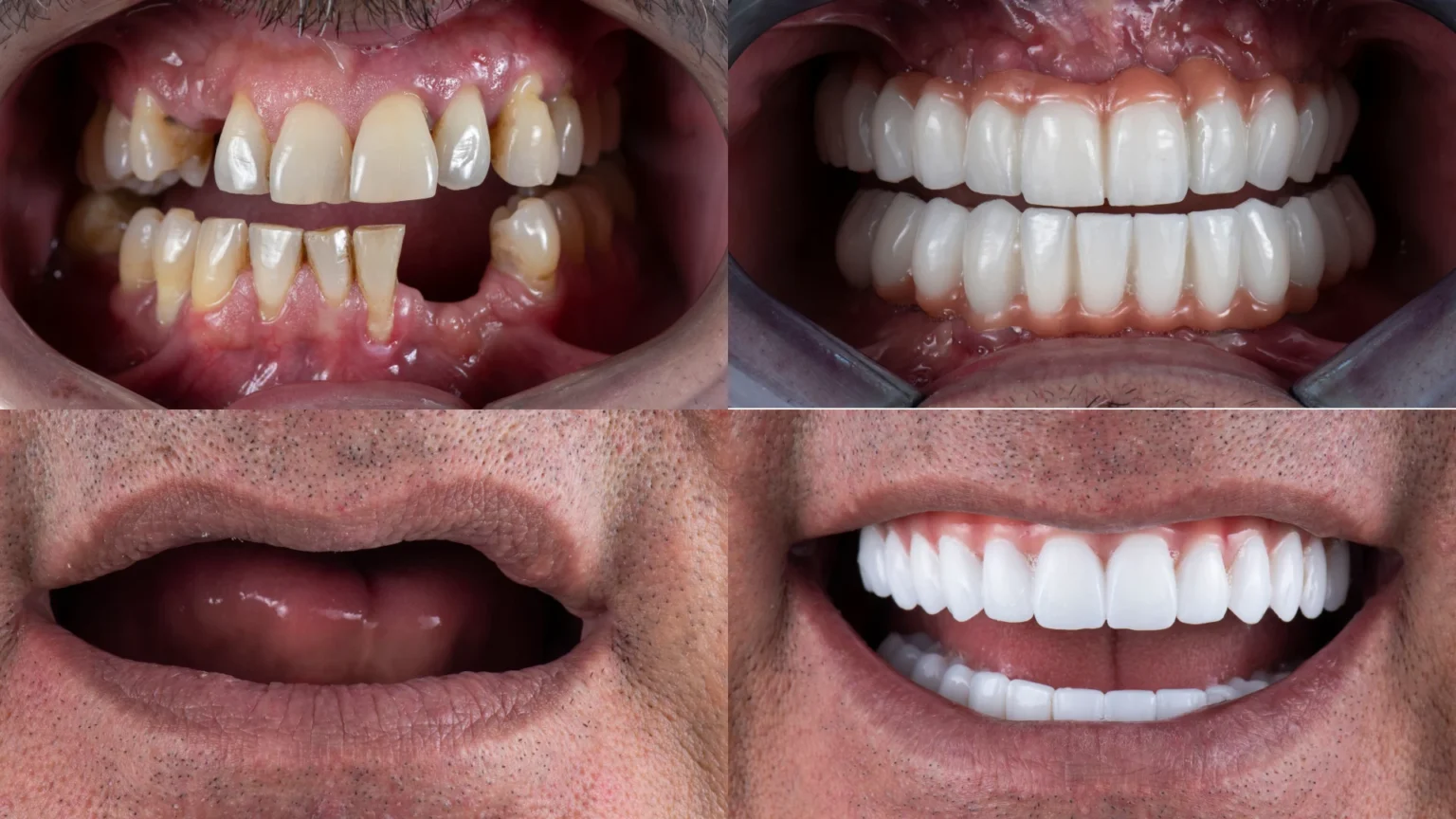
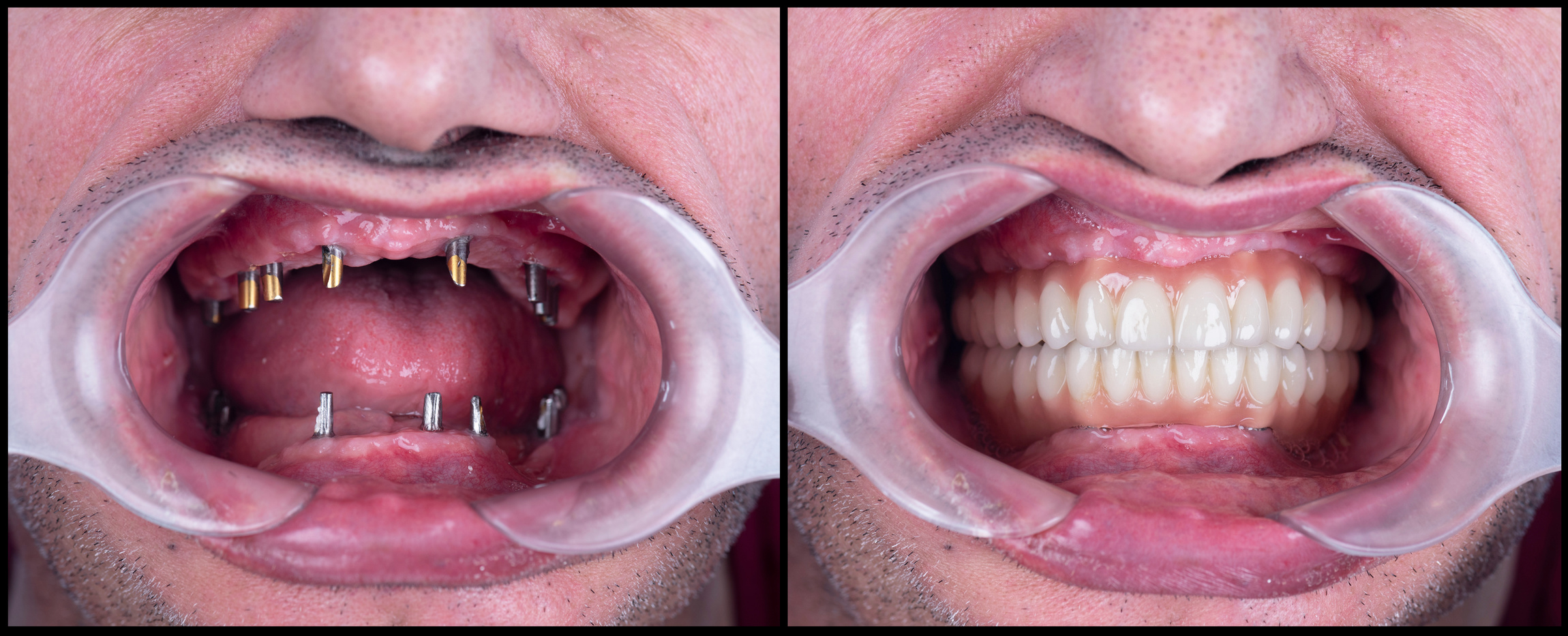
Before and After
Before-and-after photos provide a visual representation of the dramatic transformation that can be achieved with whole mouth dental implants. These photos showcase the natural-looking and aesthetically pleasing results that can be obtained, restoring patients’ smiles and self-esteem. Seeing these visual results can help you understand the potential aesthetic benefits of this procedure.
Patient Reviews
Patient reviews offer valuable feedback on the overall experience of undergoing whole mouth dental implants. These reviews provide insights into the quality of care, the professionalism of the dental team, and the level of satisfaction with the results. Reading patient reviews can help you choose a qualified and reputable dentist for your treatment. Reviews on Albania dental implants reviews can help you make informed decisions about your dental care provider.
Frequently Asked Questions about Whole Mouth Dental Implants
Choosing whole mouth dental implants is a significant decision, and it’s natural to have many questions. Below are answers to some of the most frequently asked questions to help you gain a clearer understanding of this transformative dental solution.
How long do whole mouth dental implants last?
With proper care and maintenance, whole mouth dental implants can last a lifetime. Good oral hygiene practices, regular dental check-ups, and a healthy lifestyle are essential for ensuring the longevity of your implants. Avoiding harmful habits, such as smoking and excessive alcohol consumption, can also help prolong the lifespan of your implants.
Are whole mouth dental implants painful?
The surgical procedure for placing dental implants is typically performed under local anesthesia, and some patients may opt for sedation to minimize discomfort. Following surgery, it’s normal to experience some pain and swelling, but this can be managed with pain medication. Most patients report that the pain is manageable and subsides within a few days. The question of “How painful are dental implants?” is a common concern, and understanding the pain management options can alleviate anxiety.
How long does the procedure take?
The duration of the whole mouth dental implant procedure depends on several factors, including the number of implants being placed, the need for bone grafting, and the complexity of the case. In general, the surgery can take several hours. However, the “teeth in a day” procedure offers a faster treatment timeline, with some patients receiving their new teeth in just one appointment. The time it takes is also something you might want to consider when looking at how long does it take to remove all teeth and get implants.
Are there financing options for dental implants?
Yes, many dental practices offer financing options to help patients afford whole mouth dental implants. These may include payment plans, dental loans, and insurance coverage. Exploring these options can make dental implants more accessible and affordable. Talking to Albania Dental Implants about possible finance for dental implants can ensure that the financial aspect is not a hindrance to a successful outcome.
Can smokers get dental implants?
Smoking can increase the risk of implant failure, as it impairs blood flow and hinders the healing process. However, smokers may still be eligible for dental implants if they are willing to quit smoking before and after surgery. Quitting smoking can significantly improve the success rate of dental implants and promote long-term oral health. This is important information regarding who is a poor candidate for dental implants.
Transform Your Smile with Albania Dental Implants
If you’re considering whole mouth dental implants, Albania Dental Implants is here to help. We offer state-of-the-art dental implant services at affordable prices, combined with the opportunity to enjoy a beautiful and culturally rich country. Our experienced team of dentists and specialists will provide you with personalized care and exceptional results. Contact us today to schedule a consultation and learn more about how whole mouth dental implants can transform your smile and improve your quality of life. Also, for those wondering “Can I get dental implants if I have no teeth?” the answer is yes, and we can provide a comprehensive solution.