



Are full mouth dental implants worth it? For individuals facing extensive tooth loss, this is a critical question. Restoring a full set of teeth with dental implants is a significant investment, demanding careful consideration of the costs, benefits, and potential drawbacks.
Introduction
Losing most or all of your teeth can dramatically impact your quality of life. It affects your ability to eat, speak clearly, and feel confident in your smile. Full mouth dental implants offer a permanent solution by replacing an entire arch of teeth with a stable, natural-looking set. This procedure not only restores oral function and aesthetics but can also improve your overall well-being.
The Importance of Restoring Full Oral Function and Aesthetics
The ability to properly chew and speak is essential for nutrition and communication. A complete set of teeth supports facial structure and prevents premature aging. Replacing missing teeth with dental implants can revitalize your smile, boost your self-esteem, and enhance your social interactions.
The Primary Question: Are Full Mouth Dental Implants Worth It?
Deciding whether full mouth dental implants are right for you requires weighing the potential advantages against the financial commitment and potential risks. This article explores all aspects of full mouth dental implants to help you make an informed decision, especially if you are considering dental implants in Albania with Albania Dental Implants.
What are Full Mouth Dental Implants? (Full mouth dental implants procedure, dental implant process)
Full mouth dental implants are a comprehensive solution for replacing all teeth in either the upper or lower jaw, or both. Unlike traditional dentures that sit on the gums, dental implants are surgically anchored into the jawbone, providing a strong foundation for replacement teeth.
Overview of the Procedure
The full mouth dental implant procedure typically involves several steps, from initial consultation and planning to implant placement and final restoration. This process might also include preliminary treatments like bone grafting in Albania if the bone structure is inadequate for supporting the implants.
Types: All-on-4, All-on-6, Implant-Supported Dentures
Several techniques exist for full mouth dental implants, including:
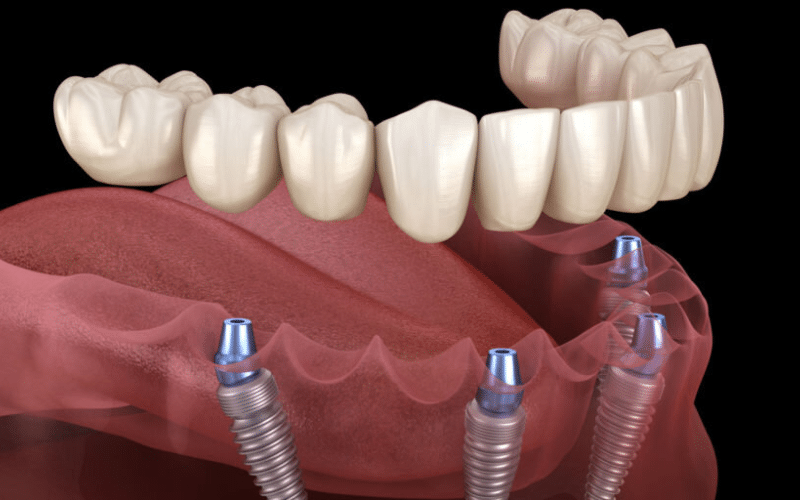
- All-on-4: This innovative technique uses just four dental implants to support an entire arch of teeth. The implants are strategically placed at an angle to maximize contact with existing bone, often eliminating the need for bone grafting.
- All-on-6 dental implants in Albania: Similar to All-on-4, this method uses six implants for added stability and support.
- Implant-Supported Dentures: These dentures attach to dental implants for a more secure and comfortable fit compared to traditional dentures.
Step-by-Step Implant Process
The dental implant process generally includes these stages:
- Consultation and Planning: A thorough examination, including X-rays and CT scans, to assess your oral health and bone structure. A treatment plan is created to address your specific needs.
- Implant Placement: The dental implants are surgically placed into your jawbone. This is typically done under local anesthesia, or sedation may be used.
- Healing Period (Osseointegration): Over several months, the implants fuse with the jawbone in a process called osseointegration.
- Abutment Placement: Once the implants are fully integrated, abutments (connectors) are attached to the implants.
- Final Restoration: A custom-made bridge or denture is attached to the abutments, providing you with a complete set of functional and natural-looking teeth.
How Much Do Full Mouth Dental Implants Cost? (Full mouth dental implants cost, financing and payment options dental implants)
The full mouth dental implants cost is a major factor in your decision. However, quality should be your main consideration while looking at all options, including the cost of dental implants in Albania. Keep reading to see a cost breakdown and financial options available.
Cost Breakdown (UK Specific, Average Range)
In the UK, the cost of full mouth dental implants can vary significantly. As a general guideline, expect to pay anywhere from £7,000 to £25,000 or more per arch (upper or lower jaw). The final price will depend on the number of implants needed, the type of restoration, and the complexity of the case.
Factors Affecting Price (Materials, Clinic, Location)
Several factors influence the overall cost of full mouth dental implants:
- Materials: The type of implant (titanium or zirconia implants in Albania) and the material used for the final restoration (acrylic, porcelain, or zirconia) can affect the price.
- Clinic: Experienced clinics with advanced technology may charge more than less established practices.
- Location: Dental implant costs tend to be higher in major cities and certain regions of the UK.
- Additional Procedures: Procedures like bone grafting or sinus lift in Albania will increase the overall cost.
Financing and Insurance Coverage Options
Since full mouth dental implants can be a significant investment, exploring financing and payment options dental implants is a great idea. Many dental clinics offer financing plans that allow you to spread the cost over several months or years. Some insurance companies may cover a portion of the cost, particularly if tooth loss is due to an accident or medical condition. It’s essential to check with your insurance provider to understand your coverage.
Advantages of Full Mouth Dental Implants (Advantages of full mouth dental implants, benefits of dental implants)
The advantages of full mouth dental implants extend far beyond just replacing missing teeth. They offer significant improvements in oral function, aesthetics, and overall quality of life.
Improved Chewing, Speech, and Confidence
Dental implants restore your ability to chew a wide variety of foods without discomfort. They eliminate the slurring and speech problems associated with traditional dentures. Dental implants can also boost your confidence and self-esteem, enabling you to smile, speak, and laugh without hesitation.
Appearance and Stability (Compared to Dentures/Bridges)
Full mouth dental implants provide a natural-looking and stable solution for missing teeth. Unlike removable dentures, implants are firmly anchored in the jawbone, preventing slipping and movement. Implants also help preserve the jawbone, preventing the sunken facial appearance that often occurs with tooth loss. Compared to fixed bridges, implants do not require altering adjacent healthy teeth.
Oral Health Benefits (Bone Preservation)
One of the most significant benefits of dental implants is their ability to preserve jawbone density. When teeth are lost, the jawbone begins to deteriorate. Dental implants stimulate bone growth and prevent further bone loss, maintaining your facial structure and supporting long-term oral health.
Disadvantages and Risks (Disadvantages of full mouth dental implants, risks of dental implants)
Like any surgical procedure, full mouth dental implants have potential disadvantages and risks that you should be aware of. Open and frank discussion with your dentist is critical to making the right decision.
Surgical Risks
Although implant surgery is generally safe, potential surgical risks include:
- Infection at the implant site
- Nerve damage, which can cause pain, numbness, or tingling in the gums, lips, or chin
- Sinus problems (for upper implants)
- Bleeding
Long-Term Maintenance Requirements
Dental implants require diligent oral hygiene to prevent peri-implantitis (inflammation of the tissues around the implant). Regular brushing, flossing, and professional dental cleanings are essential to maintain the health and longevity of your implants. Your dentist will work with you to develop an oral hygiene regimen for long-term success.
Possible Complications
Possible complications associated with dental implants include:
- Implant failure (failure of the implant to fuse with the jawbone)
- Damage to adjacent teeth or tissues
- Loosening of the implant or restoration
- Fracture of the implant
Who is a Good Candidate? (Who is a candidate for full mouth dental implants, eligibility for dental implants)
Determining who is a candidate for full mouth dental implants involves a comprehensive assessment of your oral and overall health. Not everyone is suitable for this procedure.
Age and Health Considerations
While there is no strict age limit for dental implants, certain health conditions can affect your eligibility. People with uncontrolled diabetes, severe heart disease, or compromised immune systems may face higher risks of complications. Your dentist will evaluate your medical history to determine whether dental implants are a safe and appropriate option for you.
Jawbone and Gum Health
Sufficient jawbone density and healthy gums are essential for successful implant placement. If you have significant bone loss or gum disease, you may need to undergo additional treatments, such as bone grafting or gum surgery, before you can receive dental implants.
Lifestyle and Commitment to Oral Hygiene
Your lifestyle and commitment to oral hygiene also play a crucial role in the long-term success of dental implants. Smokers have a higher risk of implant failure. You must be willing to maintain a rigorous oral hygiene routine, including regular brushing, flossing, and dental check-ups.
Alternatives to Full Mouth Dental Implants (Alternatives to full mouth dental implants, dentures vs implants, bridges vs implants)
Before committing to full mouth dental implants, it’s essential to explore the alternatives to full mouth dental implants and understand their pros and cons.
Removable Dentures
Removable dentures are a more traditional and less expensive option for replacing missing teeth. They consist of a set of artificial teeth attached to a gum-colored base that fits over your gums. Dentures can be a suitable option for individuals who are not candidates for dental implants or who cannot afford the cost of implants.
Fixed Bridges
Fixed bridges are another alternative for replacing missing teeth. A bridge consists of one or more artificial teeth that are anchored to adjacent natural teeth. Bridges can be a good option for replacing a small number of missing teeth, but they require altering the adjacent teeth and do not provide the same level of stability as dental implants.
Pros and Cons Compared to Full Mouth Implants
Here’s a comparison of dentures, bridges, and full mouth implants:
- Dentures: Lower cost, non-surgical, but less stable, can affect speech and taste, require daily removal and cleaning, accelerate bone loss.
- Bridges: Lower cost than implants, but require altering adjacent teeth, do not prevent bone loss, shorter lifespan than implants.
- Implants: Higher cost, surgical procedure, but highly stable, natural-looking, preserve bone density, long-lasting.
Real Results: Reviews and Patient Experiences (Full mouth dental implants reviews and results, testimonials)
Exploring full mouth dental implants reviews and results from real patients can provide valuable insights into what to expect from the procedure.
Typical Patient Satisfaction
Most patients who receive full mouth dental implants report high levels of satisfaction. They appreciate the improved chewing ability, natural-looking smile, and increased confidence that implants provide. Many patients also report a significant improvement in their overall quality of life.
Before-and-After Examples
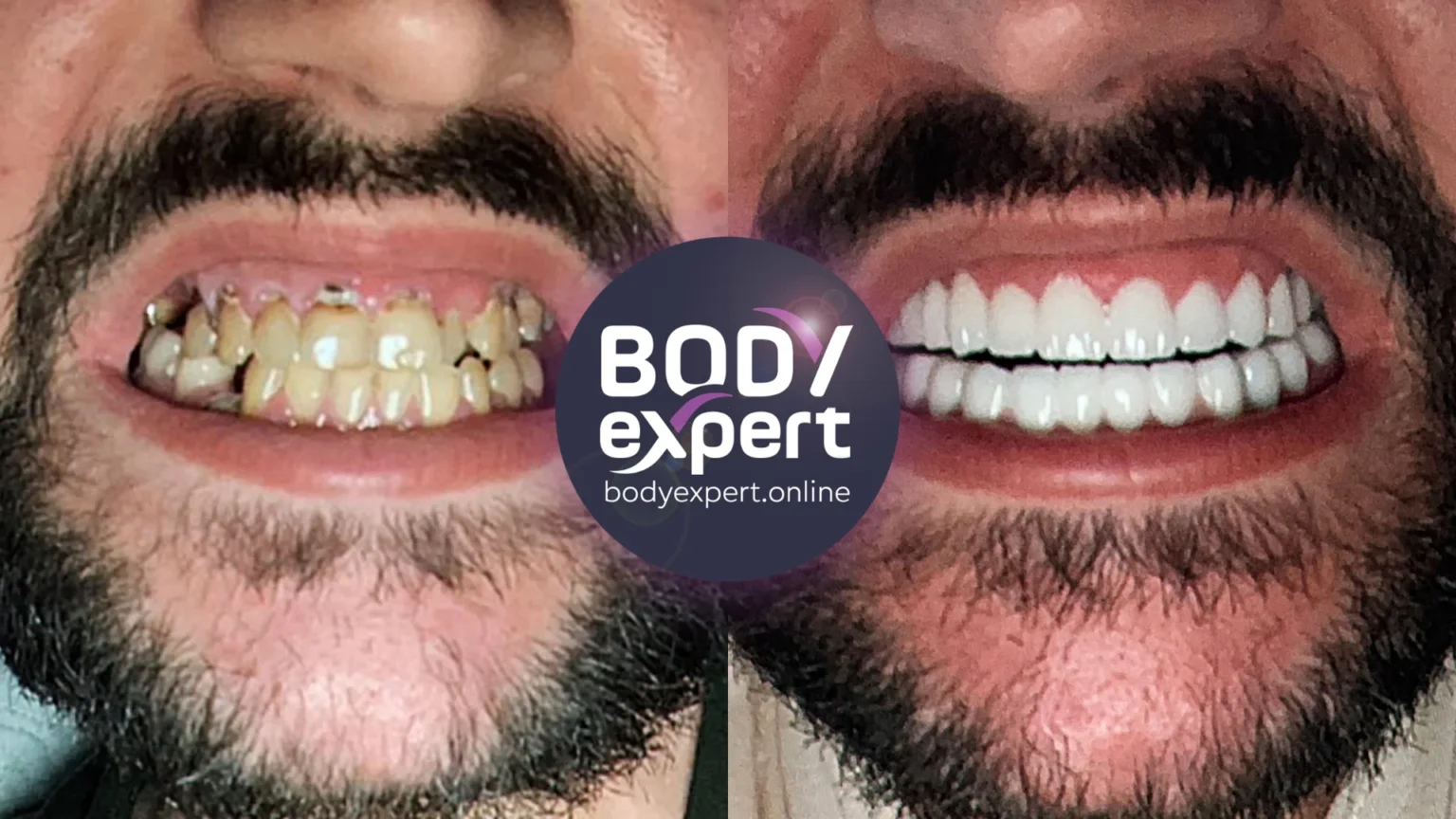
Seeing before-and-after photos of patients who have undergone full mouth dental implants can give you a realistic idea of the potential aesthetic improvements. These examples showcase the dramatic transformation that implants can achieve, restoring a youthful and vibrant smile.
Longevity: How Long Do Full Mouth Dental Implants Last?
With proper care and maintenance, full mouth dental implants can last for many years, even a lifetime. The longevity of full mouth dental implants depends on factors such as oral hygiene, lifestyle, and overall health. Regular dental check-ups and professional cleanings are essential for ensuring the long-term success of your implants.
Recovery and Aftercare (Recovery and aftercare for full mouth dental implants)
Understanding the recovery and aftercare for full mouth dental implants is crucial for a smooth and successful healing process.
Expected Healing Timeline
The initial healing period after implant placement typically lasts for several weeks. During this time, you may experience some discomfort, swelling, and bruising. It’s essential to follow your dentist’s instructions carefully and take any prescribed medications to manage pain and prevent infection. The osseointegration process, where the implants fuse with the jawbone, can take several months.
Aftercare and Maintenance
Proper aftercare and maintenance are essential for the long-term success of your dental implants. This includes:
- Brushing your teeth at least twice a day with a soft-bristled toothbrush
- Flossing daily to remove plaque and food debris from around the implants
- Using an antimicrobial mouthwash to help prevent infection
- Visiting your dentist for regular check-ups and professional cleanings
Tips for Long-Term Success
Here are some additional tips for ensuring the long-term success of your full mouth dental implants:
- Avoid smoking, as it can increase the risk of implant failure
- Maintain a healthy diet to support bone health
- Avoid chewing on hard or sticky foods that could damage the implants or restorations
- Protect your implants from injury by wearing a mouthguard during sports or other activities
Conclusion: Are Full Mouth Dental Implants Worth It?
Deciding whether full mouth dental implants are worth it is a personal decision based on your individual circumstances, priorities, and budget.
Summary of Pros vs Cons
Here’s a summary of the pros and cons to help you weigh your options:
- Pros: Improved chewing ability, natural-looking smile, increased confidence, preservation of jawbone density, long-lasting solution.
- Cons: Higher cost, surgical procedure, potential surgical risks, long-term maintenance requirements.
When They Are and Aren’t Worth It
Full mouth dental implants may be worth it if you:
- Are missing most or all of your teeth
- Have sufficient jawbone density or are willing to undergo bone grafting
- Are committed to maintaining good oral hygiene
- Are willing to invest the time and money required for the procedure
Full mouth dental implants may not be worth it if you:
- Have significant health conditions that increase the risk of complications
- Have insufficient jawbone density and are not willing to undergo bone grafting
- Are not committed to maintaining good oral hygiene
- Cannot afford the cost of the procedure
Guidance on Making Your Decision
The best way to decide whether full mouth dental implants are right for you is to consult with a qualified dentist who can assess your individual needs and provide personalized recommendations. During your consultation, be sure to ask any questions you have and discuss your concerns openly. Together, you can determine the best course of treatment for restoring your smile and improving your oral health, considering also the benefits of dental tourism in Albania.
Frequently Asked Questions (FAQs)
Here are detailed answers to some frequently asked questions about full mouth dental implants:
What are full mouth dental implants and how do they work?
Full mouth dental implants are a comprehensive solution for replacing all teeth in either the upper or lower jaw, or both. The procedure involves surgically placing dental implants, typically made of titanium, into the jawbone. These implants act as artificial tooth roots, providing a stable foundation for replacement teeth. Over time, the implants fuse with the jawbone through a process called osseointegration, creating a strong and permanent bond. Once the implants are fully integrated, custom-made replacement teeth, such as a bridge or denture, are attached to the implants, restoring your smile and oral function.
How much does a full set of dental implants typically cost in the UK?
The cost of a full set of dental implants in the UK varies significantly based on several factors, including the number of implants required, the type of restoration (e.g., All-on-4, All-on-6, or implant-supported denture), the materials used (e.g., titanium or zirconia), the location of the clinic, and the experience of the dentist. As a general estimate, you can expect to pay between £7,000 to £25,000 or more per arch (upper or lower jaw) for a full set of dental implants in the UK. For a more accurate estimate, it’s best to consult with a dentist and receive a personalized treatment plan.
What are the main benefits of full mouth dental implants?
The main benefits of full mouth dental implants include: Restored chewing ability, allowing you to enjoy a wide variety of foods without discomfort. Improved speech clarity, eliminating the slurring or mumbling that can occur with dentures. Enhanced aesthetics and a natural-looking smile, boosting your confidence and self-esteem. Increased stability and comfort compared to removable dentures, which can slip or move around in the mouth. Preservation of jawbone density, preventing bone loss and maintaining your facial structure. Long-lasting solution, with the potential to last for many years or even a lifetime with proper care. Improved oral health, as implants do not require altering adjacent teeth like bridges do, and they are easier to clean and maintain than dentures.
What are the potential drawbacks and risks?
Potential drawbacks and risks associated with full mouth dental implants include: Higher cost compared to other tooth replacement options, such as dentures or bridges. Surgical procedure, which carries inherent risks, such as infection, bleeding, nerve damage, and sinus problems. Longer treatment time, as the osseointegration process can take several months. Potential complications, such as implant failure, damage to adjacent teeth or tissues, loosening of the implant or restoration, and fracture of the implant. Maintenance requirements, including regular brushing, flossing, and professional dental cleanings, to prevent peri-implantitis.
Who is suitable for full mouth dental implants?
Suitable candidates for full mouth dental implants typically: Are missing most or all of their teeth in one or both jaws. Have sufficient jawbone density to support the implants, or are willing to undergo bone grafting to augment the bone. Are in good overall health, with no uncontrolled medical conditions that could compromise the success of the procedure. Are committed to maintaining good oral hygiene and attending regular dental check-ups. Are non-smokers or are willing to quit smoking, as smoking can increase the risk of implant failure. Have realistic expectations about the outcome of the procedure and are willing to invest the time and money required.
How long do full mouth dental implants last?
With proper care and maintenance, full mouth dental implants can last for many years, even a lifetime. The longevity of dental implants depends on factors such as oral hygiene, lifestyle, and overall health. Regular dental check-ups and professional cleanings are essential for ensuring the long-term success of your implants. Additionally, avoiding smoking, maintaining a healthy diet, and protecting your implants from injury can help extend their lifespan.
Are there alternatives to full mouth dental implants?
Yes, alternatives to full mouth dental implants include: Removable dentures: A traditional and less expensive option, but less stable and can affect speech and taste. Fixed bridges: A good option for replacing a small number of missing teeth, but requires altering adjacent teeth and does not prevent bone loss. Implant-supported dentures: A more stable and comfortable option than traditional dentures, but still require daily removal and cleaning. Each of these alternatives has its own pros and cons, and the best option for you will depend on your individual needs, preferences, and budget.
What is the recovery process like?
The recovery process after full mouth dental implant surgery typically involves: Initial healing period of several weeks, during which you may experience some discomfort, swelling, and bruising. Pain management with prescribed medications or over-the-counter pain relievers. Dietary restrictions, such as avoiding hard or chewy foods, to allow the implants to heal properly. Gentle oral hygiene practices, such as rinsing with saltwater or an antimicrobial mouthwash. Follow-up appointments with your dentist to monitor healing and ensure proper osseointegration. Osseointegration process, which can take several months, during which the implants fuse with the jawbone. Final restoration placement, after the implants are fully integrated, to complete your smile and restore oral function.
Can I get dental implants if I have bone loss or gum disease?
If you have bone loss or gum disease, you may still be able to get dental implants, but you may need to undergo additional treatments first. Bone grafting can be performed to augment the jawbone and provide sufficient support for the implants. Gum disease must be treated and controlled before implant placement to prevent infection and ensure successful osseointegration. Your dentist will evaluate your individual situation and recommend the appropriate treatments to prepare you for dental implants.
Are there affordable financing options for full mouth implants?
Yes, there are several affordable financing options for full mouth implants, including: Dental insurance: Some insurance companies may cover a portion of the cost of dental implants, particularly if tooth loss is due to an accident or medical condition. Dental financing plans: Many dental clinics offer financing plans that allow you to spread the cost of treatment over several months or years. Medical credit cards: Medical credit cards, such as CareCredit, offer low-interest or interest-free financing options for healthcare expenses, including dental implants. Personal loans: You may be able to obtain a personal loan from a bank or credit union to finance your dental implant treatment. Dental tourism: Traveling to another country, such as Albania, for dental implant treatment can significantly reduce costs, as dental procedures are often more affordable in other countries. It’s essential to explore all available financing options and choose the one that best fits your budget and financial situation.
What do real patients say about the experience and results?
Real patients who have undergone full mouth dental implants often report: High levels of satisfaction with the outcome of the procedure. Improved chewing ability and a wider range of food choices. Enhanced aesthetics and a natural-looking smile. Increased confidence and self-esteem. Improved speech clarity. Greater comfort and stability compared to dentures. Overall improvement in quality of life. Reading patient testimonials and reviews can provide valuable insights into the experience and results of full mouth dental implants.





