



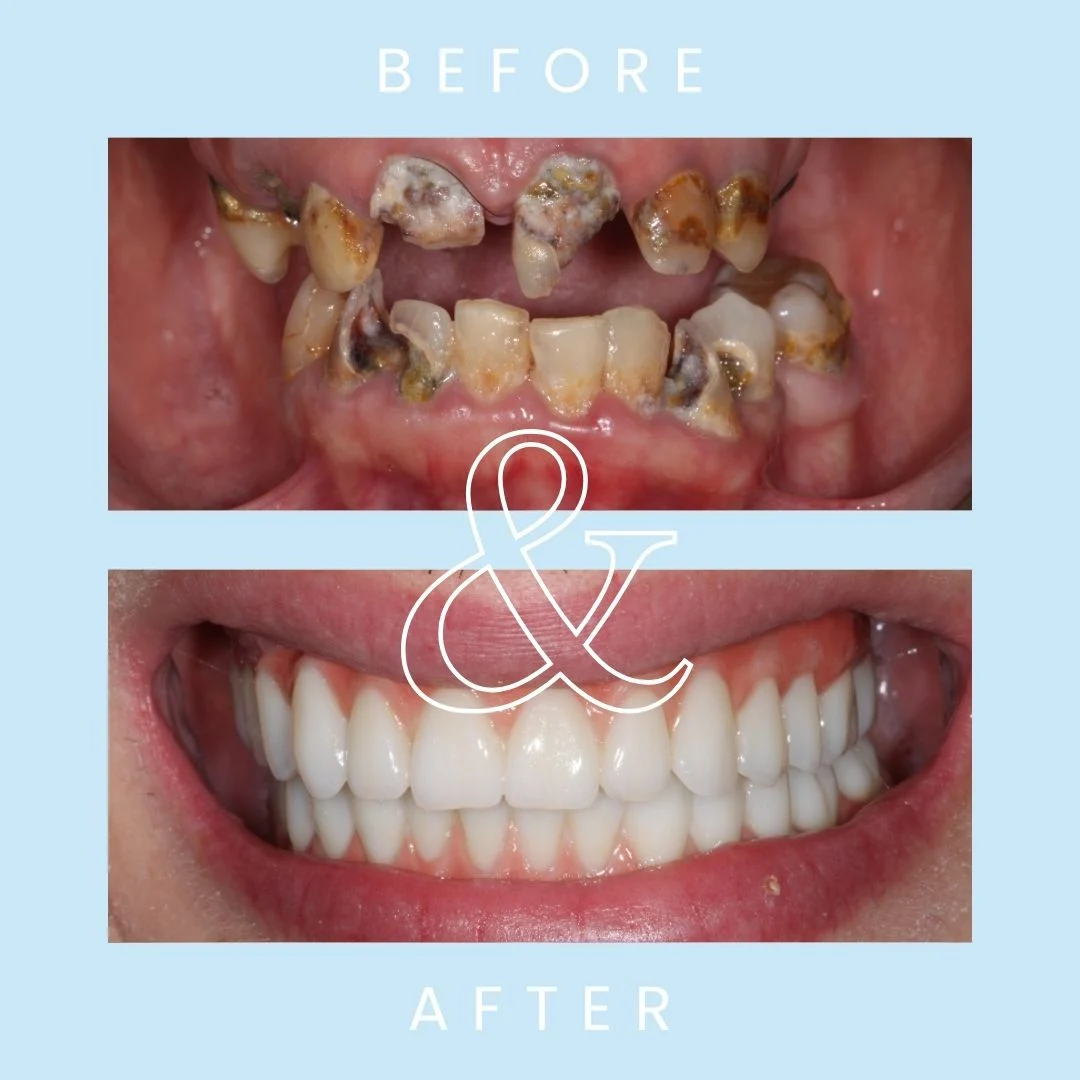
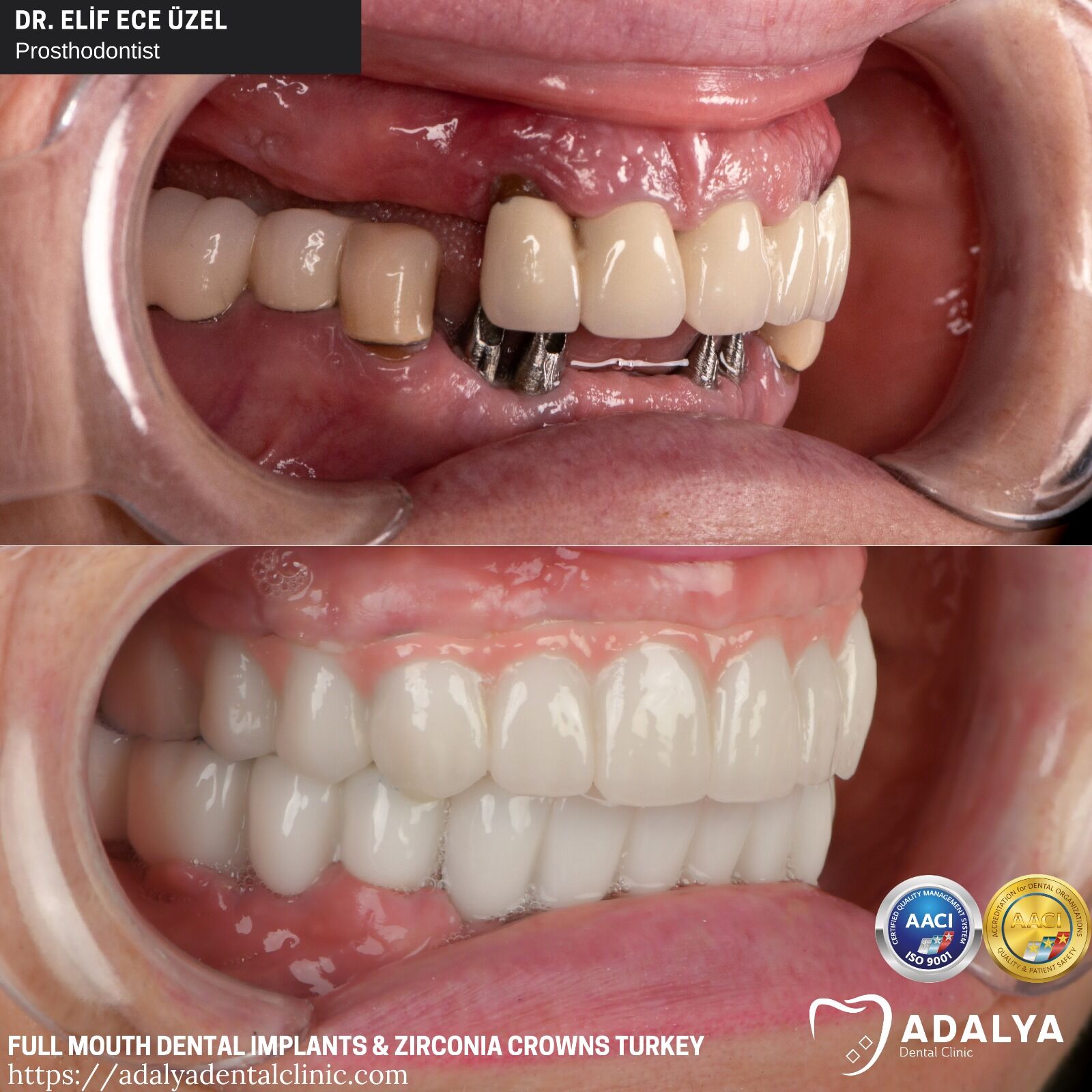
What are full set teeth implants?
When considering a full mouth restoration, understanding the teeth implant procedure is critical. Full set teeth implants, also known as full mouth dental implants, offer a permanent solution for replacing all teeth in either the upper or lower jaw, or both. Unlike traditional dentures, implants are anchored in the jawbone, providing stability and preventing bone loss. Dental implants in Albania provides information for those seeking more affordable options.
Overview of full mouth implant options
There are several approaches to full mouth implant treatment:
- Traditional implants: Each missing tooth is replaced with an individual implant. This method requires a large number of implants and is typically the most expensive.
- All-on-4: A full arch of teeth is supported by just four implants. This innovative technique is often more cost-effective and less invasive than traditional implants.
- All-on-6: Similar to All-on-4, but uses six implants for added stability, particularly beneficial if considering all on 6 dental implants in Albania.
- Same day teeth implants: In some cases, it’s possible to have implants placed and a temporary set of teeth fitted on the same day, offering immediate aesthetic improvement.
Who qualifies for a full set of implants?
Ideal candidates for full set implants generally:
- Have lost most or all of their teeth due to decay, gum disease, or injury.
- Have sufficient bone density in the jaw to support implants (or are willing to undergo bone grafting).
- Are in good overall health.
- Are committed to maintaining good oral hygiene after the procedure.
A thorough assessment by a qualified dentist or implantology in Albania is essential to determine suitability.
Full mouth dental implants cost in the UK
Understanding the full mouth dental implants cost UK is often the first step for many considering this treatment. The price of full mouth dental implants in the UK can vary significantly depending on several factors, including the type of implant, the materials used, and the clinic’s location. This section will delve into the typical costs associated with private treatment and the limited availability of NHS coverage.
Typical price ranges for private treatment
The cost of full mouth dental implants in the UK can range from £7,000 to £25,000 or more per arch (upper or lower jaw). This wide range is due to variations in:
- Implant type: Traditional implants are generally more expensive than All-on-4 or All-on-6 solutions.
- Materials: The type of material used for the implants and the replacement teeth (e.g., titanium, zirconia, porcelain) will affect the price.
- Clinic location: Prices tend to be higher in London and other major cities.
- Surgeon’s experience: More experienced surgeons may charge higher fees.
For a more accurate estimate, it’s best to consult with a few different clinics and obtain personalized quotes. Many patients explore options outside of the UK to manage costs, such as cost of dental implants in Albania.
Availability and limitations of NHS coverage
Unfortunately, NHS dental implants are rarely available. The NHS typically only provides dental implants in cases of:
- Severe trauma resulting in tooth loss.
- Congenital defects.
- Certain medical conditions that affect the teeth.
Even in these cases, access to implants on the NHS is limited and subject to strict eligibility criteria. Most people seeking full mouth dental implants will need to pursue private dental implants UK.
How much does a full set of teeth implants cost in the UK?
The cost of a full set of teeth implants in the UK varies significantly. You can expect to pay anywhere from £14,000 to £50,000 or more for both arches.
Main factors affecting the price of full set teeth implants
Several factors affecting implant cost can influence the overall expense of full set teeth implants. These factors range from the materials used to the experience of the dental professional performing the procedure. Understanding these elements can help you make informed decisions and potentially find ways to manage costs. The teeth implant procedure itself also has different components, each adding to the final price.
Material and implant type
The materials used for the implants and the replacement teeth play a significant role in the overall cost. Titanium implants are the most common and generally more affordable option. Zirconia implants, while biocompatible and aesthetically pleasing, tend to be more expensive. Similarly, the choice of material for the replacement teeth (e.g., porcelain, composite resin) will impact the price.
Number of implants needed
The number of implants required directly affects the cost. Traditional full mouth implants, where each tooth is replaced individually, will be more expensive than All-on-4 or All-on-6 solutions that use fewer implants to support an entire arch of teeth.
Experience of the clinic/surgeon
Clinics with highly experienced and qualified surgeons often charge higher fees. While this may seem like an unnecessary expense, choosing a skilled professional can increase the likelihood of a successful outcome and minimize the risk of complications.
Location of the clinic
Dental implant costs vary depending on the location of the clinic. Clinics in London and other major cities typically have higher overhead costs and, therefore, charge more for their services. Traveling to a clinic in a less expensive area could save you a significant amount of money.
Additional procedures (bone grafts, sinus lifts)
<
In some cases, additional procedures may be necessary to prepare the mouth for implants. Bone grafts are required when there is insufficient bone density in the jaw to support the implants. Sinus lifts are performed when the sinuses are too close to the upper jaw, creating space for the implants. These procedures add to the overall cost of treatment.
What affects the total cost the most?
The type of implant procedure (traditional, All-on-4, All-on-6), the materials used, and the need for additional procedures like bone grafts significantly impact the total cost.
How do All-on-4 and same day teeth implants compare in cost?
The All-on-4 dental implants price and the cost of same-day teeth implants are important considerations for individuals seeking efficient and affordable solutions for full mouth restoration. While both options offer distinct advantages, understanding their cost structures can help you make an informed decision.
All-on-4/All-on-6 solution explained
The All-on-4 and All-on-6 techniques involve placing a full arch of replacement teeth on just four or six dental implants, respectively. These methods are often more cost-effective than traditional implants because they require fewer implants and can sometimes avoid the need for bone grafting. The implants are strategically placed at an angle to maximize support and stability.
Cost comparison: All-on-4 vs traditional full set
All-on-4 implants generally cost between £7,000 and £15,000 per arch in the UK. Traditional full set implants, where each tooth is replaced individually, can cost upwards of £20,000 to £50,000 per arch. Same-day teeth implants may fall within the All-on-4 price range, but can be more depending on materials and the complexity of the case.
- All-on-4: More affordable, less invasive, quicker treatment time.
- Traditional implants: More expensive, more invasive, longer treatment time, potentially better long-term stability in some cases.
- Same-day implants: Offers immediate results, but not suitable for everyone and may require additional adjustments.
What are All-on-4 dental implants and how much do they cost?
All-on-4 dental implants are a full-arch restoration technique using just four implants to support a complete set of teeth. The cost in the UK typically ranges from £7,000 to £15,000 per arch.
Dental implant financing, payment plans and insurance
Exploring dental implant financing options is essential for making this life-changing treatment accessible. Many clinics offer payment plans and financing solutions to help patients manage the cost of full set teeth implants.
Typical payment plans in the UK
Most private dental clinics offer payment plans that allow you to spread the cost of treatment over several months or years. These plans may involve:
- Interest-free credit: Some clinics offer interest-free payment plans for a limited period.
- Low-interest loans: You can take out a loan specifically for dental treatment, with repayment terms ranging from one to five years.
- In-house payment plans: Some clinics offer their own payment plans with flexible terms.
Insurance and financing options
While most standard dental insurance plans don’t cover the full cost of dental implants, some may contribute towards specific parts of the treatment, such as consultations or extractions. It’s worth checking with your insurance provider to see what coverage is available. Other financing options include:
- Personal loans: You can take out a personal loan to cover the cost of treatment.
- Credit cards: Using a credit card with a low-interest rate or a 0% introductory offer can be a way to spread the cost.
NHS versus private payment realities
As mentioned earlier, NHS dental implants are rarely available. If you’re not eligible for NHS treatment, you’ll need to explore private payment options. While this can seem daunting, the availability of financing and payment plans can make full set teeth implants more affordable.
What payment options and finance plans are available?
Typical payment options include interest-free credit, low-interest loans, in-house payment plans, personal loans, and credit cards.
Alternatives to full set dental implants
While full set dental implants offer a permanent and stable solution, they’re not the only option available. Exploring dental implant alternatives is crucial for making an informed decision based on your individual needs and budget. Full set dentures vs implants is a common comparison point, with each offering unique advantages and disadvantages.
Fixed dentures, removable dentures, implant-supported bridges
- Fixed dentures (implant-supported): These dentures are anchored to dental implants, providing greater stability and retention than traditional dentures.
- Removable dentures: These dentures rest on the gums and are held in place by suction or adhesive. They are the most affordable option but can be less stable and comfortable.
- Implant-supported bridges: These bridges are similar to traditional bridges but are supported by dental implants rather than natural teeth. They can be a good option for replacing a few missing teeth.
Cost, advantages, and disadvantages
- Fixed dentures (implant-supported): More expensive than removable dentures but more stable and comfortable. They also help prevent bone loss.
- Removable dentures: The most affordable option but can be less stable, uncomfortable, and may require frequent adjustments. They can also accelerate bone loss.
- Implant-supported bridges: A good option for replacing a few missing teeth, but not suitable for full mouth restoration. More expensive than traditional bridges but more stable and long-lasting.
What is the difference in cost between implants and dentures?
Dentures are significantly cheaper than full set dental implants. A full set of dentures can cost between £500 and £2,000, while full set implants can range from £14,000 to £50,000 or more.
Are there cheaper alternatives to full set implants?
Yes, cheaper alternatives include removable dentures, fixed dentures (implant-supported), and implant-supported bridges.
The process: What to expect from full set dental implants
Understanding the teeth implant procedure is important for anyone considering full set dental implants. The process typically involves several stages, from initial consultation to final restoration. Understanding what to expect can help alleviate anxiety and ensure a smooth treatment journey. Same day teeth implants are also an option to discuss.
Consultation and assessment
The first step is a consultation with a dentist or oral surgeon. During this appointment, your medical history will be reviewed, and your mouth will be examined. X-rays and CT scans may be taken to assess bone density and identify any potential problems. The dentist will then discuss your treatment options and create a personalized plan.
The surgical procedure and recovery
The surgical procedure involves placing the dental implants into the jawbone. This is typically done under local anesthesia, but sedation may be used for anxious patients. After the implants are placed, it takes several months for the bone to fuse with the implants (osseointegration). During this time, you may wear temporary dentures or a temporary bridge. Once osseointegration is complete, the replacement teeth are attached to the implants.
Aftercare and follow-up costs
Proper aftercare is essential for ensuring the success of your implants. This includes:
- Maintaining good oral hygiene (brushing, flossing, and using an antibacterial mouthwash).
- Attending regular check-ups with your dentist.
- Avoiding smoking and excessive alcohol consumption.
In addition to the initial cost of treatment, there may be ongoing costs associated with maintaining your implants, such as professional cleanings and occasional repairs.
Is the implant procedure painful?
The implant procedure is typically performed under local anesthesia, so you shouldn’t feel any pain during the surgery. Some discomfort is normal after the procedure, but this can be managed with pain medication.
Can I get same day teeth implants in the UK?
Yes, some clinics offer same-day teeth implants, where the implants and temporary teeth are placed in a single visit. However, this option is not suitable for everyone and depends on individual factors.
Frequently Asked Questions (FAQs)
Here are some frequently asked questions about full set teeth implants:
Are dental implants available on the NHS?
Dental implants are rarely available on the NHS and are typically only offered in cases of severe trauma, congenital defects, or certain medical conditions.
How long do full set teeth implants last?
With proper care, full set teeth implants can last for 15-20 years or even longer.
How many teeth make a full set?
A full set of adult teeth typically consists of 32 teeth, including wisdom teeth.
What is the most expensive part of a dental implant?
The most expensive part of a dental implant is typically the implant post and the associated surgical procedure.
Can you get teeth pulled and implants the same day?
Yes, it is possible through a procedure known as same-day dental implants or immediate dental implants.
How do you pay for dental implants UK?
You can pay for dental implants in the UK through a combination of savings, credit, financing plans offered by dental clinics, and sometimes, partial coverage from insurance.
Can I have all my teeth removed and replaced with implants UK?
Yes, this is possible through procedures such as full mouth dental implants or All-on-4 implants.
When is it too late to get an implant after tooth extraction?
It is generally not too late to get an implant after tooth extraction, even years later; however, bone loss may require a bone graft.
Why are dental implants so expensive in UK?
Dental implants are so expensive in the UK due to high lab costs, the cost of materials, specialist fees, and regulations.
Conclusion
Full set teeth implants are a significant investment in your oral health and overall well-being. While the cost can be substantial, the benefits of restoring your smile, confidence, and ability to eat and speak comfortably are invaluable. By understanding the factors that influence the price of treatment and exploring different financing options, you can make an informed decision and find a solution that fits your needs and budget. Consider options like Albania Dental Implants for more affordable solutions without sacrificing quality. Contact Albania Dental Implants today to discuss your options and start your journey towards a confident, healthy smile.





