



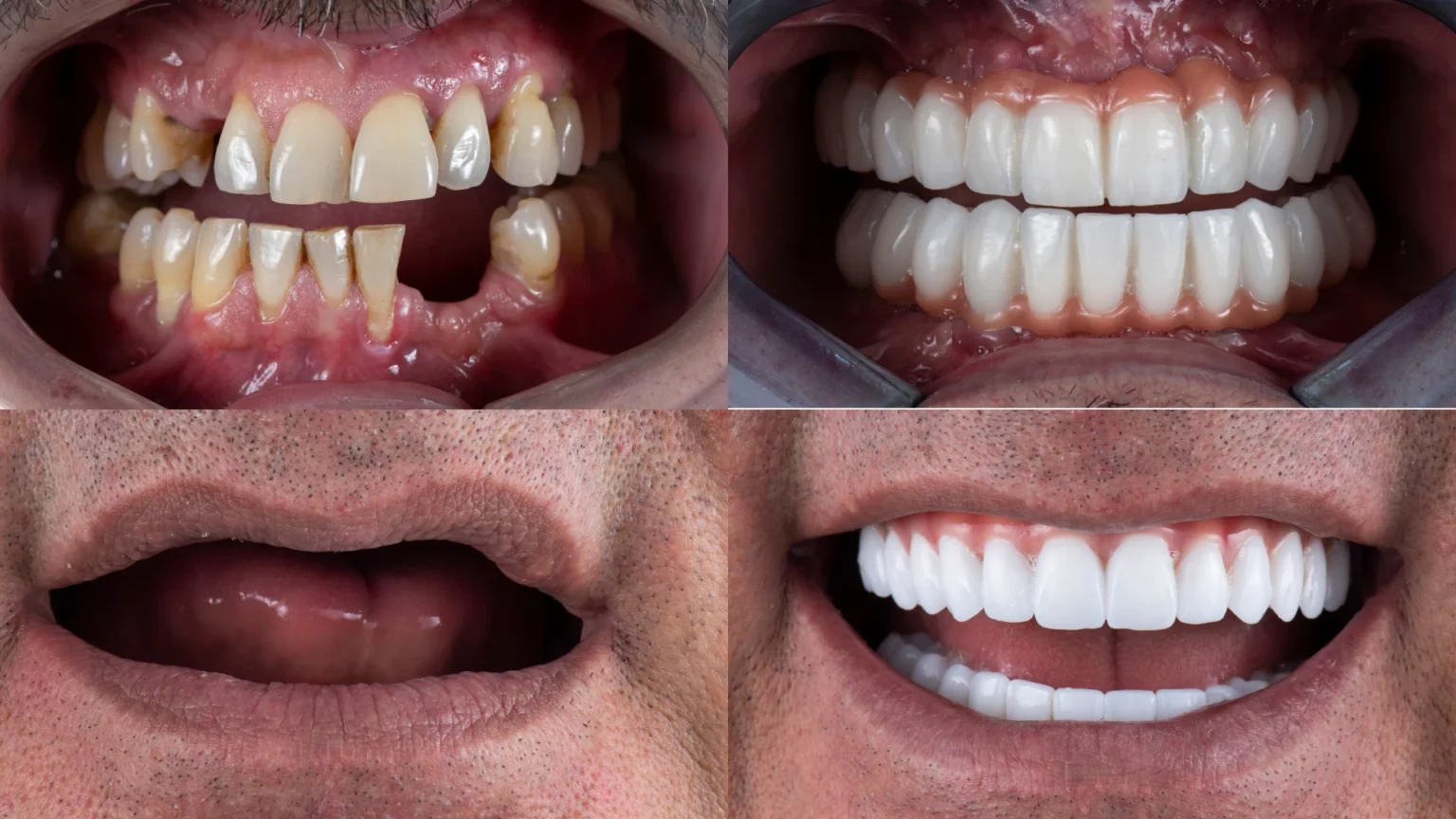
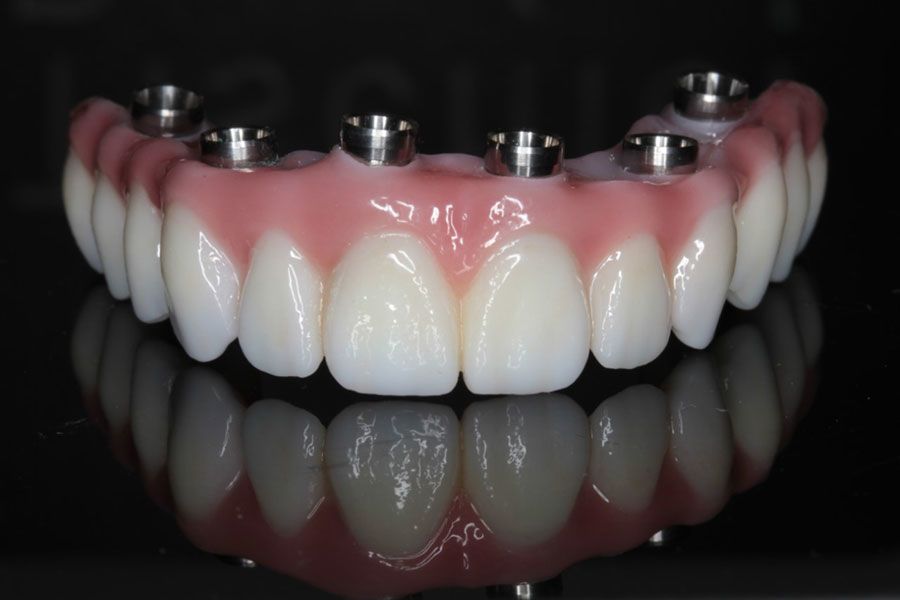
Determining how many implants for full mouth is a crucial decision for anyone considering a complete dental restoration. The number of implants, the specific type used, and the overall treatment process will significantly impact the cost, comfort, and ultimate success of your new smile. At Albania Dental Implants, we understand this is a big decision, and we are committed to providing comprehensive and personalized solutions.
Full Mouth Dental Implants Overview
When exploring options for comprehensive teeth replacement, understanding the different types of full mouth dental implants is essential. The best solution for you depends on your individual needs, bone structure, and budget. Options include full arch dental implants, All-on-4 implants, All-on-6 implants, full mouth reconstruction, and implant-supported dentures. Albania Dental Implants offer high-quality Albania Dental Implants to restore your smile.
What are Full Mouth Dental Implants?
Full mouth dental implants are a comprehensive solution for replacing all teeth in either the upper or lower jaw (full arch) or both (full mouth). Unlike traditional dentures, which rest on the gums, dental implants are surgically anchored into the jawbone, providing superior stability and a more natural feel. There are various teeth replacement options including conventional implants and All-on-X systems.
Advancements in material and technology have significantly improved the durability and aesthetics of dental implants. Options like zirconia implants in Albania offer excellent biocompatibility and a natural look.
How Many Dental Implants Do You Need?
The standard number of implants needed for a full mouth restoration isn’t a one-size-fits-all answer. Factors like bone density and the shape of your mouth play a significant role. Some patients may only need four implants per arch (All-on-4), while others may require six or even more. The requirements for the upper jaw often differ from those of the lower jaw due to variations in bone density.
How is the Number of Implants Decided?
The number of implants is carefully decided through a comprehensive clinical evaluation. This includes:
- Clinical Examination: A thorough assessment of your oral health, including gum health and bite.
- Imaging: X-rays and CT scans to evaluate bone quality and quantity.
- Consultation: Discussing your goals, concerns, and medical history.
A detailed custom treatment planning ensures optimal placement and stability. At Albania Dental Implants Services, we tailor your treatment plan to meet your unique requirements.
Typical Implant Numbers for Full Mouth Restoration
The most common protocols include All-on-4, All-on-6, and traditional implant systems. The number of implants depends on whether you’re getting a full arch (upper or lower) or a full mouth restoration (both arches).
- All-on-4: Uses four implants per arch.
- All-on-6: Uses six implants per arch, offering increased stability.
- Traditional: May involve 8 or more implants per arch for individual tooth replacement.
The minimum and maximum numbers vary based on individual needs and bone structure. In some cases, fewer implants can be used with implant-supported dentures.
Treatment Steps and What to Expect
Knowing what to expect during the full mouth implant process can ease anxiety and prepare you for a successful outcome. This includes understanding the implant surgery process, the recovery and healing period, and the use of temporary versus permanent prosthesis.
What is the Process for Getting Full Mouth Implants?
The process typically involves several key steps:
- Consultation and Imaging: Initial assessment, including X-rays and CT scans.
- Implant Placement: Surgical placement of the implants into the jawbone.
- Healing Period: Allowing time for osseointegration (the fusion of the implant with the bone).
- Restoration: Attaching the final fixed or removable teeth (prosthesis) to the implants.
Our team at Albania Dental Implants ensures each step is carefully managed for the best possible results.
Alternatives and Comparisons
It’s crucial to consider the alternatives to full mouth implants to make an informed decision. Options include implant-supported dentures versus individual implants, with varying cost and longevity comparisons. Each method has its pros and cons, which must be carefully evaluated.
Full Mouth Implants vs. Dentures: Key Differences
The key differences between full mouth implants and dentures lie in stability, function, and long-term cost-effectiveness:
- Stability and Function: Implants offer superior stability and a more natural feel compared to dentures.
- Maintenance and Cleaning: Implants require similar maintenance to natural teeth, while dentures need to be removed and cleaned separately.
- Cost-Effectiveness Over Time: While implants have a higher initial cost, they can be more cost-effective over time due to their longevity and reduced need for replacements.
Considering these factors can help you decide whether full mouth implants or dentures are the right choice for you.
Candidacy, Risks, and Benefits
Determining who is suitable for full mouth implants involves evaluating health considerations and potential complications. Understanding the risks and benefits is crucial for making an informed decision about your dental health. The benefits of full mouth dental implants are numerous including a better smile through cosmetic dentistry in Albania.
Who is a Good Candidate for Full Mouth Implants?
A good candidate for full mouth implants typically meets the following criteria:
- Good Overall Health: No uncontrolled medical conditions that could interfere with healing.
- Adequate Bone Density: Sufficient bone in the jaw to support the implants (or the ability to undergo bone grafting in Albania).
- Commitment to Oral Hygiene: Willingness to maintain good oral hygiene practices.
Age and lifestyle factors, as well as pre-existing medical conditions, can also play a role in determining candidacy.
Cost, Longevity, and Value Questions
Addressing cost, longevity, and value questions is essential when considering full mouth dental implants. A detailed cost breakdown, understanding the long-term value, and knowing the warranties and guarantees can help you make a confident decision. Full mouth dental implants may even be cheaper depending on where you are coming from when getting dental tourism in Albania
How Much Do Full Mouth Implants Cost?
The cost of full mouth implants varies significantly based on several factors:
- Number of Implants: More implants typically mean a higher cost.
- Materials: The type of materials used for the implants and prosthesis can affect the price.
- Clinic Location: Prices can vary depending on the clinic’s location and overhead costs.
Many clinics offer payment plans and work with insurance companies to help make the treatment more affordable. While the initial investment is higher, comparing the cost to traditional dentures reveals the long-term value and benefits of implants.
FAQ – Must-Answer Questions
How many implants do you need for a full mouth?
The number of implants needed for a full mouth varies based on individual factors such as bone density, jaw structure, and the chosen implant system. Generally, options range from All-on-4 (four implants per arch) to All-on-6 (six implants per arch) or even more with traditional implant systems. A thorough evaluation is necessary to determine the best approach for your specific needs.
How much do full mouth dental implants cost in the UK?
The cost of full mouth dental implants in the UK can vary significantly depending on the clinic, materials used, and the complexity of the case. Generally, you can expect to pay anywhere from £15,000 to £30,000 or more for a full mouth restoration. Exploring options like dental tourism in Albania can provide more affordable alternatives.
What is the difference between All-on-4 and All-on-6 implants?
All-on-4 and All-on-6 are both full-arch restoration techniques, but the main difference is the number of implants used. All-on-4 uses four implants per arch, while All-on-6 uses six. The additional implants in All-on-6 can provide increased stability and support, particularly for patients with lower bone density. Deciding between the two depends on a thorough assessment of your oral health.
Can you get dental implants if you have bone loss?
Yes, it is possible to get dental implants even with bone loss. Bone grafting techniques can be used to rebuild the jawbone and provide sufficient support for the implants. Procedures like a sinus lift in Albania can also help augment bone in the upper jaw.
How long do full mouth dental implants last?
With proper care and maintenance, full mouth dental implants can last for many years, often a lifetime. Factors that influence longevity include oral hygiene, regular dental check-ups, and avoiding habits like smoking. High-quality dental implants in Albania have a long life expectancy, making them a worthwhile investment.
What is the recovery time after full mouth implant surgery?
The initial recovery period after full mouth implant surgery typically lasts about 1 to 2 weeks. During this time, you may experience some swelling, bruising, and discomfort. However, the complete osseointegration process (the fusion of the implants with the bone) can take several months. Following your dentist’s post-operative instructions is crucial for a smooth recovery.
Are full mouth implants worth it compared to dentures?
Many people find that full mouth implants are worth the investment compared to dentures. Implants offer superior stability, a more natural feel, and improved function, allowing you to eat, speak, and smile with confidence. While the initial cost is higher, the long-term benefits and improved quality of life often make implants the preferred choice. If you are seeking a hollywood smile in Albania then this is the best option.
What is the process from initial consult to final teeth?
The process begins with an initial consultation and comprehensive evaluation, including X-rays and CT scans. Next, the implants are surgically placed into the jawbone. After a healing period of several months, the final restoration (fixed or removable teeth) is attached to the implants. Regular follow-up appointments are necessary to ensure proper healing and function.
Is everyone eligible for full mouth dental implants?
Not everyone is eligible for full mouth dental implants. Factors such as uncontrolled medical conditions, inadequate bone density, and poor oral hygiene can affect candidacy. A thorough evaluation by a qualified dentist is necessary to determine if you are a good candidate for the procedure.
How do maintenance and hygiene differ from regular dentures?
Maintenance and hygiene for full mouth implants are similar to natural teeth. You’ll need to brush, floss, and attend regular dental check-ups. Unlike dentures, which need to be removed and cleaned separately, implants can be cared for like natural teeth, making them a more convenient option.
Conclusion
Determining how many implants for full mouth is a critical step in achieving a confident, functional smile. The ideal number varies based on your unique needs and oral health. At Albania Dental Implants, we offer personalized treatment plans, high-quality materials, and expert care to ensure the best possible outcome. Contact us today to schedule a consultation and discover how full mouth implants can transform your life. Consider dental tourism in Albania for cost-effective, high-quality dental care.





