



How long after full mouth extraction can I get implants? This is a common question for those considering a full mouth reconstruction and seeking to restore their smile and oral function. Understanding the timeline for dental implant placement after full-mouth tooth removal is crucial for planning your treatment journey. This comprehensive guide explains the practical timeline, addressing related concerns, procedures, and factors that influence recovery and eligibility for dental implants, especially if you are considering dental tourism in Albania.
Understanding the Dental Implant Process
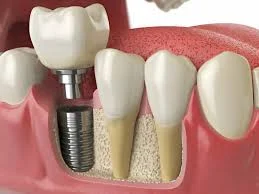
Before diving into the timeline, it’s important to understand the overall dental implant process. The procedure involves surgically placing titanium posts into the jawbone, which then fuse with the bone over time, a process called osseointegration. Once integrated, these posts serve as anchors for replacement teeth that look, feel, and function like natural teeth. Albania Dental Implants offers comprehensive services, including initial consultations, extractions, implant placement, and restoration, all within a state-of-the-art dental clinic in Albania .
Dental Implant Procedure Steps
- Consultation and Evaluation: A thorough examination, including X-rays and scans, to assess your bone density and overall oral health.
- Tooth Extraction (if necessary): Removal of any remaining compromised teeth.
- Bone Grafting (if necessary): If bone density is insufficient, a bone graft may be needed to create a stable foundation for the implants.
- Implant Placement: Surgical placement of the titanium posts into the jawbone.
- Osseointegration: A healing period of several months, allowing the bone to fuse with the implants.
- Abutment Placement: Attachment of abutments, which connect the implants to the replacement teeth.
- Crown/Prosthesis Placement: Attachment of the final replacement teeth, such as crowns, bridges, or dentures.
Recovery After Full Mouth Extraction
Recovery after full mouth extraction involves managing pain, swelling, and ensuring proper healing. During the initial days, it’s crucial to follow your dentist’s instructions, which typically include taking prescribed medications, using ice packs to reduce swelling, and eating soft foods. Good oral hygiene, such as gentle rinsing with salt water, is essential to prevent infection. The entire recovery process significantly impacts the dental implant healing time.
Immediate vs Delayed Implant Placement
The timing of implant placement relative to tooth extraction is a critical consideration. There are two main approaches: immediate and delayed implant placement. Understanding the pros and cons of each can help you make an informed decision in consultation with your dentist at Albania Dental Implants. Choosing immediate loading dental implants in Albania can be a good option to consider.
Immediate Dental Implants (Same Day)
Immediate dental implants, also known as same-day implants, involve placing implants immediately after tooth extraction. This approach offers the advantage of reduced treatment time and fewer surgical procedures. However, it requires sufficient bone density and a healthy extraction site. According to a study published in the “Journal of Oral Implantology,” immediate implants have a success rate comparable to delayed implants when performed under ideal conditions.
Delayed Dental Implants (Healing Period)
Delayed dental implants involve waiting for the extraction site to heal before placing the implants. This approach allows for better bone regeneration and reduces the risk of infection. It is often recommended for patients with compromised bone density or infection at the extraction site.
What is the Standard Healing Time Before Implants?
The standard healing time before implants varies depending on individual factors, but it typically ranges from 3 to 6 months. This period allows the bone to heal and regenerate, creating a stable foundation for the implants. In some cases, bone grafting may be necessary to enhance bone density, which can further extend the healing time. Proper oral hygiene and following your dentist’s instructions are crucial during this phase.
Factors Affecting Implant Timing
Several factors can influence the ideal timing for implant placement after full mouth extraction. These include bone health, underlying medical conditions, and medications. Addressing these factors can optimize the success of your implant treatment and improve the overall recovery after full mouth extraction.
Bone Health and Bone Density
Bone health and density are critical for successful implant placement. Implants require a sufficient amount of healthy bone to fuse with and provide stable support. If bone density is insufficient, bone grafting may be necessary. A study in the “International Journal of Oral & Maxillofacial Implants” found that bone grafting significantly improves the success rate of implants in patients with deficient bone volume.
Bone Grafting After Tooth Extraction
Bone grafting is a procedure to augment bone volume and density in areas where it is lacking. It involves transplanting bone tissue from another part of the body or using synthetic bone materials. Bone grafting after tooth extraction helps preserve the alveolar ridge, the bony ridge that supports the teeth, preventing bone loss and creating a stable foundation for future implants. Consider bone grafting in Albania if necessary.
Underlying Medical Conditions
Certain underlying medical conditions, such as diabetes, autoimmune diseases, and osteoporosis, can affect the healing process and implant success. These conditions may require careful management and optimization before proceeding with implant placement. A systematic review in the “Journal of Periodontology” concluded that well-controlled diabetes does not significantly impact implant success rates.
Medications and Healing
Certain medications, such as bisphosphonates (used to treat osteoporosis), can interfere with bone healing and increase the risk of implant failure. It’s crucial to inform your dentist about all medications you are taking, as they may need to be adjusted or discontinued before implant placement. Your dentist will evaluate the risks and benefits to provide a safe and effective treatment plan.
Step-by-Step Timeline After Extraction
Understanding the step-by-step timeline after extraction can help you prepare for the dental implant process. This includes knowing what to expect in the first week, the following months, and when to schedule your implant consultation. Keep in mind that you can contact Albania dental implants for more information.
First Week Post-Extraction
The first week after full mouth extraction is focused on managing pain, swelling, and preventing infection. Key steps include:
- Taking prescribed pain medication as directed.
- Applying ice packs to the face to reduce swelling.
- Eating soft foods, such as soups, yogurt, and mashed potatoes.
- Avoiding strenuous activities and smoking.
- Gently rinsing your mouth with salt water after meals.
1-2 Months After Extraction
During the next 1-2 months after extraction, the initial healing process continues. The gums begin to heal, and bone regeneration starts. It’s important to maintain good oral hygiene and attend follow-up appointments with your dentist to monitor healing progress.
3-6 Months: Bone Healing and Osseointegration
The period of 3-6 months after extraction is crucial for bone healing and osseointegration. During this time, the jawbone fuses with the implant posts, creating a stable foundation for the replacement teeth. Regular check-ups with your dentist are necessary to assess bone integration and overall oral health. This phase determines the success of the dental implants in Albania.
When to Schedule a Consultation for Implants
It’s advisable to schedule a consultation for implants soon after your full mouth extraction. Your dentist can evaluate your bone health, discuss your treatment options, and create a personalized timeline for implant placement. Early consultation allows for better planning and preparation, optimizing the chances of a successful outcome.
Risks of Early Dental Implant Placement
While immediate implant placement offers advantages, it also carries certain risks. Understanding these risks is crucial for making an informed decision about the timing of your implant procedure. You can discuss all the risks with Albania Dental Implants services.
Complications of Immediate Placement
Immediate implant placement can lead to complications such as infection, poor bone integration, and implant failure. Insufficient bone density or an unhealthy extraction site can increase these risks. A study in the “Clinical Implant Dentistry and Related Research” journal reported a higher failure rate for immediate implants compared to delayed implants in compromised extraction sites.
Failed Osseointegration
Failed osseointegration occurs when the implant does not properly fuse with the jawbone. This can result in implant instability and eventual failure. Factors contributing to failed osseointegration include infection, poor bone quality, and excessive stress on the implant during the healing period. Proper aftercare and regular check-ups are essential to prevent this complication.
Aftercare and Recovery for Dental Implants
Proper aftercare and recovery are essential for the success of your dental implants. This includes managing pain and swelling, maintaining oral hygiene, and avoiding certain activities that could compromise healing.
Managing Pain and Swelling
Managing pain and swelling after implant surgery involves taking prescribed pain medication, applying ice packs to the face, and getting adequate rest. It’s important to follow your dentist’s instructions and report any unusual symptoms or persistent pain. A cold compress should be applied for 15-20 minutes at a time, several times a day, during the first 24-48 hours to minimize swelling.
Maintaining Oral Hygiene
Maintaining oral hygiene is crucial for preventing infection and promoting healing. Gently brush your teeth with a soft-bristled toothbrush, avoiding the surgical site. Rinse your mouth with an antiseptic mouthwash or salt water after meals. Your dentist may also recommend using interdental brushes or floss to clean around the implants.
What to Avoid After Implant Surgery
After implant surgery, it’s important to avoid certain activities and habits that could compromise healing. These include:
- Smoking, as it impairs blood flow and bone healing.
- Eating hard, crunchy, or sticky foods that could damage the implants.
- Using a straw, as the sucking motion can dislodge blood clots.
- Engaging in strenuous physical activity.
- Probing the surgical site with your tongue or fingers.
Alternatives to Dental Implants
While dental implants are a popular and effective tooth replacement option, they are not the only choice. Alternatives include dentures and bridges, each with its own advantages and disadvantages. Considering alternatives to dental implants when exploring tooth replacement options is crucial for patients.
Dentures
Dentures are removable appliances that replace missing teeth. They can be either full dentures, replacing all teeth in an arch, or partial dentures, replacing a few missing teeth. Dentures are a more affordable option than implants, but they can be less stable and may require adjustments over time. At Albania Dental Implants, we also offer implant overdentures in Albania for increased stability.
Bridges
Bridges are fixed dental restorations that span the gap created by missing teeth. They are anchored to adjacent teeth, providing a stable and natural-looking replacement. Bridges are less invasive than implants but require altering the adjacent teeth, which can increase the risk of decay and other dental problems. Discover multiple implants with bridges in Albania.
Pros and Cons Compared to Implants
When comparing dentures and bridges to implants, consider the following:
- Stability: Implants are more stable and provide better support than dentures or bridges.
- Longevity: Implants are a long-term solution that can last a lifetime with proper care, while dentures and bridges may need to be replaced periodically.
- Bone Preservation: Implants help preserve bone density, while dentures and bridges can lead to bone loss over time.
- Aesthetics: Implants look and feel more like natural teeth than dentures or bridges.
- Cost: Implants are typically more expensive than dentures or bridges.
Frequently Asked Questions About Implants After Extraction
Here are some frequently asked questions about getting implants after extraction to help clarify the process and address common concerns.
How long do I need to wait after full mouth extraction to get dental implants?
The waiting time after full mouth extraction to get dental implants typically ranges from 3 to 6 months. This period allows the bone to heal and regenerate, creating a stable foundation for the implants. However, in some cases, immediate implants can be placed on the same day as the extraction if sufficient bone density and a healthy extraction site are present.
Can dental implants be placed immediately after tooth extraction?
Yes, dental implants can be placed immediately after tooth extraction, a procedure known as immediate implant placement. This approach reduces treatment time and the number of surgical procedures. However, it requires careful evaluation to ensure sufficient bone density and a healthy extraction site to support the implant.
What does the healing process involve before implants?
The healing process before implants involves several stages. Initially, the gums heal, and inflammation subsides. Next, bone regeneration occurs, gradually filling in the extraction site. During this time, maintaining good oral hygiene, following your dentist’s instructions, and attending follow-up appointments are essential to monitor healing progress.
Is bone grafting always required for full mouth implants?
No, bone grafting is not always required for full mouth implants. However, it may be necessary if there is insufficient bone density to support the implants. Your dentist will evaluate your bone health and determine if bone grafting is needed to ensure a stable and successful outcome. You can also consider sinus lift in Albania as an option.
What factors might delay getting implants after extraction?
Several factors can delay getting implants after extraction. These include poor bone health, underlying medical conditions (such as diabetes or osteoporosis), certain medications (such as bisphosphonates), and infection at the extraction site. Addressing these factors and optimizing your overall health can help expedite the implant process.
What are the risks if implants are placed too soon?
Placing implants too soon after extraction can increase the risk of complications such as infection, poor bone integration, and implant failure. Insufficient bone healing and regeneration can compromise the stability of the implant, leading to long-term problems. It’s crucial to allow adequate healing time before proceeding with implant placement.
Will I need to wear dentures while waiting for implants?
Yes, you may need to wear dentures while waiting for implants to maintain aesthetics and function. Temporary dentures can be placed immediately after extraction, providing support for chewing and speaking. Once the implants are placed and have fully integrated with the bone, the final, permanent replacement teeth will be attached.
How do I care for my mouth after extractions and implants?
Caring for your mouth after extractions and implants involves maintaining good oral hygiene, following your dentist’s instructions, and attending regular check-ups. Gently brush your teeth with a soft-bristled toothbrush, rinse with an antiseptic mouthwash, and avoid smoking and eating hard or sticky foods. Proper aftercare is essential for preventing infection and promoting healing.
How soon can I eat normally after getting implants?
The timeline for returning to a normal diet after getting implants varies depending on individual factors and the extent of the procedure. Initially, you will need to eat soft foods, gradually transitioning to a more normal diet as healing progresses. Avoid hard, crunchy, and sticky foods that could damage the implants or cause discomfort. It is important to avoid certain foods to ensure long-term results for dental implants.
Is the procedure different for full mouth implants compared to one or two teeth?
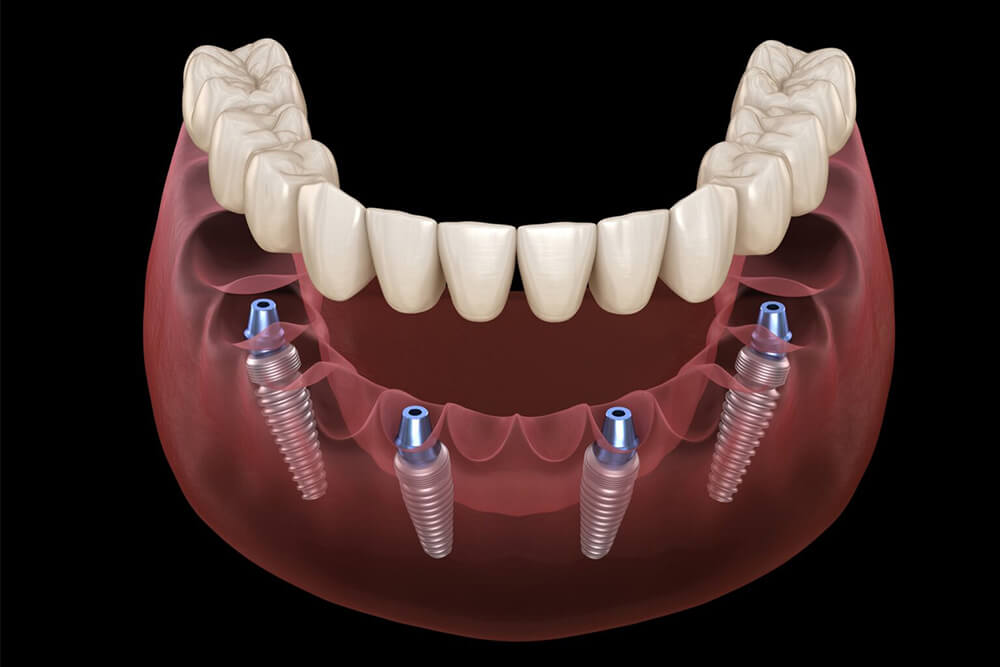
Yes, the procedure for full mouth implants is different compared to one or two teeth. Full mouth implants typically involve a more extensive surgical procedure, as multiple implants are placed to support a full arch of replacement teeth. The planning and execution of full mouth implants require careful consideration of bone density, bite alignment, and aesthetics. In some cases, all on 4 dental implants may be recommended to restore a full arch of teeth using only four implants.
Conclusion: Making the Right Choice for Your Smile
Deciding on the timing for dental implants after full mouth extraction requires careful consideration of various factors, including bone health, medical conditions, and personal preferences. Understanding the dental implant healing time, the benefits of immediate vs. delayed placement, and the importance of proper aftercare is crucial for achieving a successful outcome. Albania Dental Implants is committed to providing personalized and comprehensive care, guiding you through every step of the implant process to restore your smile and confidence. Our team of experienced professionals utilizes state-of-the-art technology and advanced techniques to ensure optimal results. Contact Albania dental implants today to schedule a consultation and take the first step towards a healthier, more beautiful smile.
- Summary of Implant Timing: The ideal time to get implants after full mouth extraction ranges from immediate placement to 3-6 months, depending on individual factors.
- Tips for Best Outcome: Maintain good oral hygiene, follow your dentist’s instructions, and attend regular check-ups to optimize the success of your implant treatment.





