



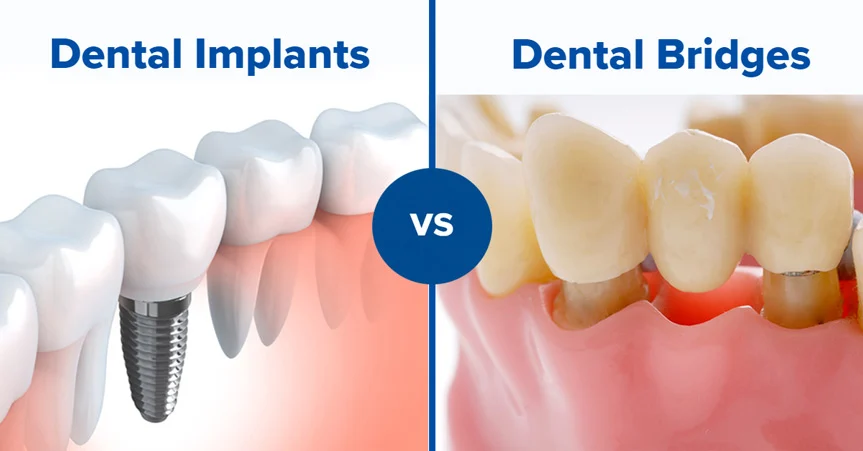
What is a Dental Bridge?
A dental bridge is a restoration that spans the gap where one or more teeth are missing. It consists of a false tooth (pontic) anchored by crowns placed on the adjacent teeth (abutments). Dental bridges offer a quicker and often more affordable solution to missing teeth compared to implants, but they do have limitations. When evaluating if a dental bridge is the correct solution for you, always seek advice from a dental expert for your unique needs.
How does a dental bridge work?
A dental bridge works by using the adjacent teeth as anchors to support a false tooth that fills the gap of a missing tooth. This involves preparing the abutment teeth, taking impressions, and fitting a custom-made bridge that blends in with your natural teeth. The bridge effectively “bridges” the gap, restoring your smile and bite.
Types of dental bridges (traditional, cantilever, Maryland, implant-supported)
There are several types of dental bridges. Traditional bridges involve crowns on either side of the gap. Cantilever bridges are used when there’s only one adjacent tooth. Maryland bridges use a metal or porcelain framework bonded to the backs of adjacent teeth. Implant-supported bridges are anchored to dental implants, providing extra stability and are an option that Albania Dental Implants offer.
Pros and cons of dental bridges
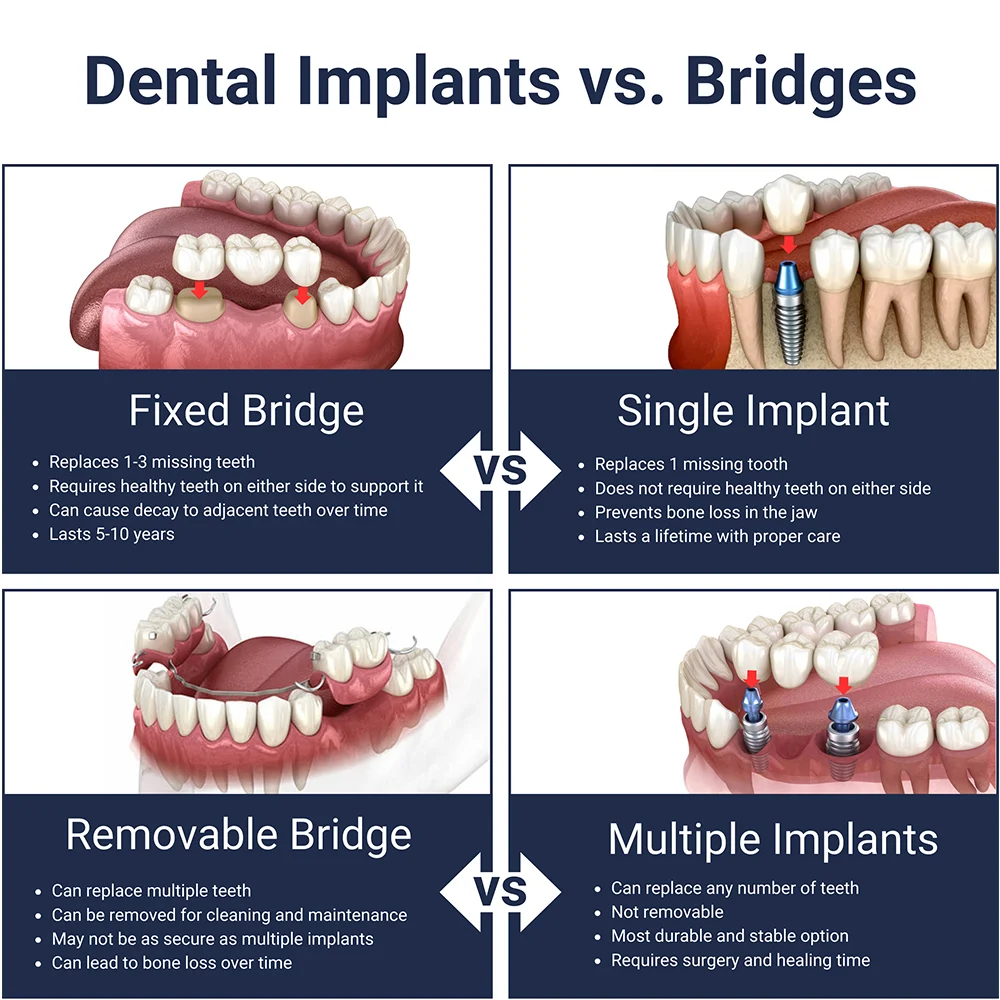
Dental bridges have several advantages. They are typically less expensive than implants and can be placed in fewer appointments. However, they require altering adjacent teeth, and they don’t prevent bone loss in the jaw. Bridges also have a shorter lifespan compared to implants, usually lasting 5-15 years. Knowing the pros and cons will help you decide “Is a dental bridge better than an implant?”
- Pros: Faster treatment, lower initial cost, non-surgical procedure.
- Cons: Affects adjacent teeth, potential for decay under crowns, does not prevent bone loss.
Who is a good candidate for a bridge?
Good candidates for a bridge are individuals with healthy adjacent teeth, sufficient bone support, and who are looking for a quicker and more affordable solution to missing teeth. Bridges may also be suitable for those who cannot undergo implant surgery due to health reasons. However, it’s essential to consider the long-term impact on the adjacent teeth. A consultation with a dentist will help determine if you’re a good candidate.
What is a Dental Implant?
A dental implant is a titanium post that is surgically placed into the jawbone to replace the root of a missing tooth. Once the implant integrates with the bone (osseointegration), a crown is attached, providing a permanent and natural-looking replacement. Dental implants are considered the gold standard for tooth replacement due to their longevity and benefits for oral health. In our dental clinic in Albania, dental implants are a popular tooth-replacement choice.
How does a dental implant work?
A dental implant works by fusing directly to your jawbone through a process called osseointegration. This creates a stable foundation for a replacement tooth. The process involves several steps: initial consultation, implant placement, healing period, abutment placement, and crown placement. The result is a tooth replacement that looks, feels, and functions like a natural tooth.
Types of dental implants (endosteal, subperiosteal, mini implants)
There are different types of dental implants. Endosteal implants are the most common, placed directly into the jawbone. Subperiosteal implants are placed on top of the jawbone but under the gum, which may be an option if you are considering a dental tourism trip to Albania. Mini implants are smaller and used in situations where space is limited or for denture stabilization. Albania Dental Implants offer a range of implant options to suit individual needs.
Pros and cons of dental implants
Dental implants boast numerous advantages, including longevity, prevention of bone loss, and a natural look and feel. However, they are more expensive than bridges and require a longer treatment time. There are also risks associated with surgery, such as infection or nerve damage. It’s important to weigh these factors carefully, but the team at Albania Dental Implants is ready to answer all of your questions.
- Pros: Long-lasting, prevents bone loss, doesn’t affect adjacent teeth, natural appearance.
- Cons: Higher cost, longer treatment time, surgical procedure with associated risks.
Who is a good candidate for an implant?
Ideal candidates for implants have good overall health, sufficient bone density in the jaw, and are committed to maintaining excellent oral hygiene. Implants may not be suitable for individuals with certain medical conditions, such as uncontrolled diabetes or heavy smokers. Albania Dental Implants thoroughly assess each patient to determine implant suitability.
Dental Bridge vs Implant: Key Differences
When comparing a dental bridge vs implant, it’s important to consider several key factors. Cost, longevity, recovery time, and maintenance all play a role in determining which option is best for you. Both bridges and implants can restore your smile, but their long-term impact on your oral health differs significantly.
Cost comparison: bridge vs implant
The initial cost of dental bridge vs implant is a significant consideration. Dental bridges are typically less expensive upfront, ranging from £700 to £2,500 per unit. Dental implants, on the other hand, can range from £2,000 to £4,000 per implant, including the abutment and crown. However, it’s essential to consider the long-term costs, as bridges may need to be replaced multiple times, while implants can last a lifetime with proper care. If you’re looking for affordable alternatives, you may be asking “Is there a cheaper alternative to dental implants in the UK?”. Don’t hesitate to contact Albania Dental Implants to discuss costs.
Longevity: how long do bridges and implants last?
In terms of longevity of bridge vs implant, dental implants generally last much longer. A well-maintained dental implant can last a lifetime, while a dental bridge typically lasts 5-15 years. The lifespan of a bridge depends on factors such as oral hygiene, diet, and the health of the abutment teeth. The long-term durability of implants makes them a more cost-effective solution over time.
Recovery time: bridge vs implant
The recovery time bridge vs implant also differs significantly. Getting a dental bridge typically requires minimal recovery, with most patients returning to normal activities within a few days. Dental implant surgery, however, requires a longer healing period, usually several months, to allow for osseointegration. While the initial recovery is longer for implants, the long-term benefits often outweigh this inconvenience.
Pain and discomfort: which is less painful?
Regarding pain and discomfort: which is less painful? Getting a dental bridge usually involves minimal discomfort, with any soreness easily managed with over-the-counter pain relievers. Dental implant surgery may involve more discomfort, but this can be controlled with local anesthesia and pain medication. Most patients report that the pain is manageable and subsides within a few days. You may also be wondering “How painful are dental implants?”.
Maintenance and oral hygiene
Maintaining oral hygiene is crucial for both bridges and implants. Bridges require special attention to clean under the pontic and around the crowns to prevent decay. Implants, on the other hand, can be brushed and flossed like natural teeth. However, regular dental check-ups are essential to ensure the health of the implant and surrounding tissues. If you’re in Albania for a dental tourism visit, ask our staff about tips for taking care of your teeth and implants.
Appearance: which looks more natural?
In terms of appearance: which looks more natural?, both bridges and implants can provide a natural-looking result. However, implants generally have an edge because they emerge from the gum line like natural teeth. Bridges can sometimes appear bulky or artificial, especially if the pontic doesn’t perfectly match the surrounding teeth. Implants offer a seamless and aesthetically pleasing solution.
Which is Better: Bridge or Implant for One Tooth?
Deciding which is better: bridge or implant for one missing tooth depends on individual circumstances. Both options have their pros and cons, but implants are often favored for their long-term benefits and preservation of natural tooth structure.
Bridge for a single missing tooth
A bridge for a single missing tooth involves placing crowns on the adjacent teeth to support a pontic that fills the gap. This is a quicker and more affordable solution, but it requires altering healthy teeth. If the adjacent teeth are already crowned or heavily filled, a bridge may be a suitable option. If you want to know more information, then be sure to contact Albania Dental Implants.
Implant for a single missing tooth
An implant for a single missing tooth involves surgically placing a titanium post into the jawbone and attaching a crown. This option doesn’t affect adjacent teeth and prevents bone loss. While it’s more expensive and requires a longer treatment time, it offers a permanent and natural-looking solution. Single tooth implants in Albania are popular!
Which option preserves more natural tooth structure?
Implants preserve more natural tooth structure because they don’t require altering adjacent teeth. Bridges, on the other hand, require grinding down the adjacent teeth to accommodate the crowns. Preserving natural tooth structure is crucial for long-term oral health, making implants a preferred option for many patients.
Bridge or Implant for Multiple Missing Teeth
When considering a bridge or implant for multiple missing teeth, the choice becomes more complex. Bridges can replace multiple teeth, but they may not be as stable or long-lasting as implant-supported solutions. Implants offer a more robust and durable option, especially for larger gaps.
Bridges for multiple teeth
Bridges for multiple teeth involve using multiple abutment teeth to support several pontics. This can be a viable option for replacing a few missing teeth in a row. However, the more teeth a bridge replaces, the greater the strain on the abutment teeth, increasing the risk of failure. When considering multiple teeth replacement, it is also important to consider the cost of dental implants vs dental bridges. This is another area where Albania Dental Implants are the best choice!
Implants for multiple teeth (implant-supported bridge, All-on-4)
Implants for multiple teeth can be done using individual implants for each missing tooth or by using an implant-supported bridge. An implant-supported bridge involves placing implants at either end of the gap and attaching a bridge to them. The All-on-4 technique is another option, using four implants to support a full arch of teeth. All on 4 dental implants in Albania is a fantastic option for those needing multiple implants.
Which is more stable and long-lasting?
Implant-supported solutions are generally more stable and long-lasting than traditional bridges for multiple missing teeth. Implants provide independent support for each tooth, reducing the strain on adjacent teeth and preventing bone loss. The All-on-4 technique offers a particularly stable and efficient solution for full arch replacement.
Bridge or Implant for Front Tooth vs Back Tooth
The location of the missing tooth, whether it’s a bridge or implant for front tooth vs back tooth, can influence the choice between a bridge and an implant. Aesthetics and function are both important considerations.
Aesthetics: which looks better for front teeth?
Aesthetics are crucial for front teeth. Implants generally offer a more natural-looking result because they emerge from the gum line like natural teeth. Bridges can sometimes appear bulky or artificial, especially if the pontic doesn’t perfectly match the adjacent teeth. Cosmetic dentistry in Albania is excellent and you will walk away with a beautiful smile.
Function: which is better for chewing (back teeth)?
Function is paramount for back teeth, which bear the brunt of chewing forces. Implants provide superior stability and support for chewing compared to bridges. Bridges can sometimes feel less secure, especially when biting down on hard foods. Implants restore full chewing function, allowing you to enjoy a wide range of foods.
Bridge or Implant for Elderly Patients
When considering a bridge or implant for elderly patients, it’s important to take into account age-related factors such as bone density, overall health, and lifestyle. Both options can be viable, but implants require careful assessment and planning.
Considerations for older adults
Older adults may have age-related health issues that can affect the success of dental implants. Conditions such as osteoporosis, diabetes, and heart disease can increase the risk of complications. It’s essential to have a thorough medical evaluation before considering implants.
Bone density and health factors
Bone density often decreases with age, which can impact the stability of dental implants. Bone grafting may be necessary to increase bone volume and ensure successful implant placement. Overall health factors, such as immune function and healing ability, also play a crucial role.
Which option is safer for seniors?
The “safer” option depends on the individual’s health status. Bridges may be a safer option for seniors with significant health issues that contraindicate surgery. However, if the senior is in good health and has sufficient bone density, implants can provide a long-lasting and stable solution. Make an appointment at Albania Dental Implants so we can assess your needs!
Bridge or Implant for Smokers
Smoking can significantly impact the success of both bridges and implants. When discussing a bridge or implant for smokers, it’s essential to understand the risks and take steps to mitigate them.
How smoking affects implant success
Smoking impairs blood flow to the gums, which can hinder healing and increase the risk of infection. Smokers have a higher risk of implant failure compared to non-smokers. Smoking also increases the risk of gum disease, which can compromise the stability of both bridges and implants.
Can smokers get bridges or implants?
Smokers can get bridges or implants, but they need to be aware of the increased risks and take extra precautions. Quitting smoking is the best way to improve the chances of success. If quitting isn’t possible, meticulous oral hygiene and regular dental visits are essential.
Bridge or Implant for Bone Loss
When considering a bridge or implant for bone loss, it’s important to assess the extent of the bone loss and choose the appropriate treatment approach. Implants require sufficient bone volume for stability, while bridges can be used even with some bone loss.
Can you get an implant with bone loss?
Getting an implant with bone loss is possible, but it may require bone grafting to increase bone volume. Bone grafting involves adding bone material to the jawbone to create a stable foundation for the implant. In some cases, alternative implant techniques, such as mini implants or zygomatic implants, may be used.
Can you get a bridge with bone loss?
Getting a bridge with bone loss is possible, as bridges rely on the support of adjacent teeth rather than bone volume. However, bone loss can compromise the long-term stability of the bridge, especially if the abutment teeth are weakened. In such cases, an implant-supported bridge may be a better option.
Bone grafting and alternatives
Bone grafting is a common procedure used to restore bone volume for dental implants. It involves adding bone material to the jawbone, either from the patient’s own body or from a donor source. Alternatives to bone grafting include mini implants, zygomatic implants, and All-on-4 implants, which can be used in cases of severe bone loss. For bone grafting in Albania, contact us today!
Risks and Complications of Bridges and Implants
Both dental bridges and implants have potential risks and complications. Understanding these risks is crucial for making an informed decision and taking steps to minimize them.
Common risks of dental bridges
Common risks of dental bridges include decay in the abutment teeth, gum disease, and bridge failure. Decay can occur if the bridge doesn’t fit properly or if oral hygiene is poor. Gum disease can compromise the stability of the abutment teeth. Bridges can also fail due to excessive stress or trauma.
Common risks of dental implants
Common risks of dental implants include infection, nerve damage, and implant failure. Infection can occur during or after surgery. Nerve damage can cause numbness or tingling in the lips, chin, or tongue. Implants can fail due to poor bone integration, infection, or excessive stress.
How to reduce complications
To reduce complications with bridges, maintain excellent oral hygiene, have regular dental check-ups, and avoid biting down on hard foods. To reduce complications with implants, choose an experienced implant dentist, follow post-operative instructions carefully, quit smoking, and maintain excellent oral hygiene. Selecting a high-quality dental clinic in Albania, you will be well taken care of and well-informed to ensure lasting results.
Cost and Insurance Coverage
Understanding the cost and insurance coverage for dental bridges and implants is essential for making an affordable decision. Both options have different price points and insurance implications.
Average cost of a bridge vs implant
The average cost of a dental bridge ranges from £700 to £2,500 per unit, while the average cost of a dental implant ranges from £2,000 to £4,000 per implant, including the abutment and crown. The cost can vary depending on the location, materials used, and complexity of the case. While the question you may be asking is “Is a bridge cheaper than an implant?”, keep in mind the long-term costs as well. For great prices on dental implants in Albania, reach out now!
Does insurance cover bridges or implants?
Insurance coverage for bridges and implants varies depending on the plan. Some plans may cover a portion of the cost of bridges, while others may not. Implant coverage is less common, but some plans may cover a portion of the cost if it’s deemed medically necessary. It’s important to check with your insurance provider to understand your coverage.
Long-term costs: which is more cost-effective?
While bridges are less expensive upfront, implants are often more cost-effective in the long run. Bridges may need to be replaced multiple times, while implants can last a lifetime with proper care. The long-term stability and durability of implants make them a worthwhile investment for many patients. To know how you will pay, you may be wondering “Can I pay monthly for dental implants?”.
How to Choose Between a Bridge and an Implant
Deciding how to choose between a bridge and an implant involves considering several factors, including your budget, oral health, lifestyle, and preferences. A thorough consultation with your dentist is essential for making the right decision.
Factors to consider (budget, oral health, lifestyle)
Budget is a significant factor, as implants are more expensive than bridges. Oral health is also crucial, as implants require sufficient bone density and good overall health. Lifestyle factors, such as smoking and oral hygiene habits, can also influence the success of both options.
When to choose a bridge
Choose a bridge if you’re looking for a quicker and more affordable solution, and if the adjacent teeth are already crowned or heavily filled. Bridges may also be suitable if you cannot undergo implant surgery due to health reasons.
When to choose an implant
Choose an implant if you’re looking for a long-lasting and natural-looking solution, and if you have sufficient bone density and good overall health. Implants are also a good option if you want to preserve natural tooth structure and prevent bone loss.
Questions to ask your dentist
Ask your dentist about the pros and cons of each option, the risks and complications, the long-term costs, and the insurance coverage. Also, ask about their experience with each procedure and their recommendations for your specific case. Contact Albania Dental Implants to ask all of your questions!
Frequently Asked Questions (FAQs)
Here are some frequently asked questions to help you make the decision: Is a dental implant better than a bridge? Can you get a bridge instead of an implant? Which lasts longer: bridge or implant?
Is a dental implant better than a bridge?
Generally, a dental implant is considered superior to a bridge due to its longevity, ability to prevent bone loss, and minimal impact on adjacent teeth. However, the best option depends on individual circumstances.
Can you get a bridge instead of an implant?
Yes, you can get a bridge instead of an implant. Bridges are a viable option for replacing missing teeth, especially if you’re looking for a quicker and more affordable solution. You may be asking if “Is a dental bridge better than an implant?”.
Which lasts longer: bridge or implant?
Implants typically last much longer than bridges. A well-maintained implant can last a lifetime, while a bridge typically lasts 5-15 years. For those in the UK asking “How long do dental implants last in the UK?”, you can rest assured that these are permanent solutions!
Is a bridge cheaper than an implant?
Yes, a bridge is generally cheaper than an implant upfront. However, the long-term costs may be higher if the bridge needs to be replaced multiple times.
Can you get an implant years after tooth loss?
Yes, you can often get an implant years after tooth loss. However, bone loss may have occurred, requiring bone grafting to restore sufficient bone volume. In fact, you may be wondering “Can I get a dental implant 10 years later?”.
Do bridges or implants hurt more?
Bridges typically involve less discomfort than implants. Implant surgery may involve some pain, but this can be managed with local anesthesia and pain medication. With the top dental care in Albania, you will be back to normal in no time.
Which option is better for elderly patients?
The better option for elderly patients depends on their overall health and bone density. Bridges may be safer for those with significant health issues, while implants can provide a long-lasting solution for those in good health.
Can smokers get implants?
Smokers can get implants, but they have a higher risk of implant failure. Quitting smoking is the best way to improve the chances of success.
Can you get a bridge or implant with bone loss?
You can get a bridge with some bone loss, but implants may require bone grafting to restore sufficient bone volume. The team at Albania Dental Implants are experts in this area.
Conclusion: Is a Bridge or Implant Better for You?
Ultimately, the decision of is a bridge or implant better for you? depends on your individual needs, preferences, and circumstances. Both options can restore your smile and improve your quality of life, but they have different advantages and disadvantages. Consulting with a qualified dentist is essential for making the right choice.
- Bridges: A quicker, cheaper option, affecting adjacent teeth.
- Implants: A long-term investment in oral health, preserving tooth structure.
For personalized advice and expert dental care, consider reaching out to Albania Dental Implants. With affordable prices and top-quality services, we can help you achieve the smile you’ve always dreamed of. Don’t hesitate – contact us today to schedule a consultation and explore your options!





