



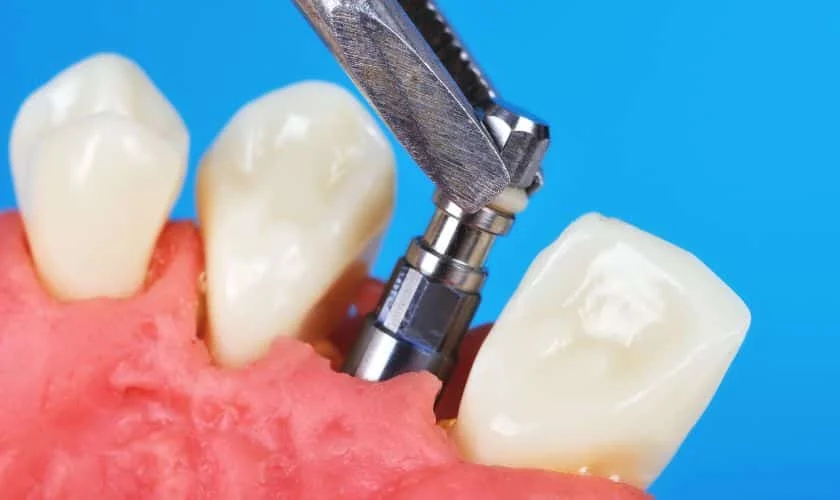
What not to do before a dental implant is crucial for ensuring a successful procedure and avoiding complications. The success of your dental implant depends not only on the skill of your surgeon but also on how well you prepare for the surgery. Failing to adhere to pre-operative guidelines can increase the risk of infection, delay healing, and even lead to implant failure. This comprehensive guide will walk you through the essential steps to take and, more importantly, the common pitfalls to avoid before undergoing dental implant surgery. At Albania Dental Implants, we prioritize patient safety and successful outcomes, and this guide aims to provide you with the knowledge you need for a smooth and successful dental implant journey.
Common Mistakes to Avoid Before Dental Implant Surgery
When preparing for dental implant surgery, avoiding certain common mistakes is crucial for a successful outcome. Understanding the dental implant dos and don’ts can significantly reduce the risk of complications and improve the overall healing process. Here’s what you should avoid:
Smoking or Using Tobacco Products
Smoking is one of the biggest threats to dental implant success. Nicotine and other chemicals in tobacco can impair blood flow to the gums, hindering the healing process. According to a study published in the Journal of Oral Implantology, smokers have a significantly higher risk of implant failure compared to non-smokers. Quitting smoking, even temporarily, before and after the surgery can dramatically improve your chances of a successful implant. The study showed that smoking cessation for just 2 weeks before surgery and 8 weeks post surgery almost equated the same success rate of dental implants as non smokers. If you are considering Albania dental implants, speak to your doctor about smoking cessation programs before you fly.
Drinking Alcoholic Beverages
Alcohol can interfere with the anesthesia used during surgery and can also thin the blood, increasing the risk of bleeding. It can also negatively affect your immune system, making you more susceptible to infection. Dentists typically recommend avoiding alcohol for at least 48 hours before the procedure and until you have fully recovered. The same applies to any Albania Dental Implants Services.
Ignoring Your Dentist’s Instructions or Skipping Appointments
Your dentist provides specific instructions tailored to your individual needs. Ignoring these instructions or skipping pre-operative appointments can lead to unforeseen complications. These appointments are crucial for assessing your oral health, addressing any existing issues, and ensuring you are a suitable candidate for the procedure. Make sure you communicate any concerns or questions you have with your dentist to ensure proper dental implant preparation.
Taking Non-Prescribed Medications or Supplements
Certain medications and supplements can interfere with blood clotting and anesthesia. It’s important to provide your dentist with a complete dental implant medication list, including all prescription drugs, over-the-counter medications, and herbal supplements you are taking. Some supplements, like garlic, ginkgo biloba, and vitamin E, can increase the risk of bleeding. Your dentist can advise you on which medications to avoid before the surgery. This is extremely important for your safety. When booking your dental tourism in Albania, you must declare these to your dentist during the consultation.
Neglecting Oral Hygiene
Good oral hygiene is essential for a successful dental implant. Neglecting to brush, floss, and use mouthwash can increase the risk of infection and inflammation. Bacteria in the mouth can migrate to the surgical site, leading to complications. Improve your oral hygiene routine in the weeks leading up to the surgery to minimize the risk of infection.
Lifestyle and Medication Restrictions Prior to Dental Implants
Adhering to specific lifestyle and medication restrictions is vital for ensuring the success of your dental implant procedure. These best practices pre-implant are designed to minimize potential risks and optimize healing. Here’s what you need to know:
Fasting or Eating Certain Foods (as Instructed)
Your dentist may provide specific instructions regarding fasting or dietary restrictions before the surgery. This is typically to ensure the anesthesia works effectively and to minimize the risk of nausea or vomiting during or after the procedure. Make sure you understand and follow these instructions carefully. Usually only clear fluids like water and apple juice are allowed with no pulps. You may be asked not to eat 6 hours before the surgery.
Continuing Blood Thinners, Aspirin, or Anti-Inflammatories Without Clearance
Blood thinners, aspirin, and anti-inflammatory medications can increase the risk of bleeding during and after the surgery. It is crucial to consult with both your dentist and your primary care physician to determine whether it is safe to temporarily discontinue these medications. Do not stop taking any prescribed medications without professional guidance. If you are taking Warfarin this may cause problems in the surgery, so it is important to declare this to your dentist at the consultation.
Using Herbal Supplements That Affect Bleeding/Healing
Some herbal supplements can interfere with blood clotting and healing. Supplements like garlic, ginger, ginkgo biloba, ginseng, and St. John’s Wort can increase the risk of bleeding. It’s important to inform your dentist about all herbal supplements you are taking so they can advise you on which ones to avoid before the surgery. It is important that all supplements are ceased at least 1 week before.
Can I eat normally before a dental implant?
Following your dentist’s specific instructions about food restrictions is vital for a successful dental implant procedure. In general, you can eat normally up to a certain point before the surgery. You will be asked to fast. However, your dentist might advise you to avoid heavy, greasy, or spicy foods in the days leading up to the procedure to minimize the risk of nausea or discomfort. It is also recommended that foods high in Vitamins such as citrus fruits are eaten to improve healing.
Medical and Health Considerations
Proper medical and health considerations are essential for ensuring a successful dental implant procedure. Understanding the potential health conditions affecting dental implants and taking the necessary pre-surgical health checks can significantly reduce the risk of complications. Here’s what you need to consider:
Uncontrolled Diabetes or Chronic Illness Management
Uncontrolled diabetes can impair the body’s ability to heal, increasing the risk of infection and implant failure. It’s crucial to manage your blood sugar levels effectively before undergoing dental implant surgery. Consult with your primary care physician to ensure your diabetes is well-controlled. Similarly, other chronic illnesses, such as autoimmune disorders, can affect the success of dental implants. Make sure these conditions are properly managed before proceeding with the procedure. If you have a weakened immune system it may not be advised to undergo Dental Tourism in Albania.
Failing to Disclose Full Medical History to Your Dentist
Your dentist needs a complete and accurate picture of your medical history to assess your suitability for dental implants. Failing to disclose relevant medical information, such as allergies, heart conditions, or previous surgeries, can lead to serious complications. Be honest and thorough when providing your medical history to your dentist.
Delaying Treatment for Infections or Gum Diseases
Existing infections or gum diseases can compromise the success of dental implants. Infections can spread to the surgical site, leading to implant failure. Gum disease can cause bone loss, which can affect the stability of the implant. Treat any existing infections or gum diseases before undergoing dental implant surgery. You may be required to take antibiotics or have specialist hygienist appointment.
Should I stop taking my medication before the procedure?
Consulting your dentist and primary care physician before making any changes to your medication regimen is crucial for a safe and successful procedure. Whether you should stop taking your medication before the procedure depends on the specific medication and your individual health condition. Your dentist can provide personalized guidance based on your medical history and the medications you are currently taking. Do not stop taking any medications without professional guidance.
FAQs
Here we address some frequently asked questions and dental implant patient concerns to better prepare you.
Is it safe to smoke or drink alcohol before getting dental implants?
It is not safe to smoke or drink alcohol before getting dental implants. Both smoking and alcohol consumption can negatively impact the success of the procedure. Smoking impairs blood flow and hinders healing, while alcohol can interfere with anesthesia and increase the risk of bleeding. You should avoid both for several days before the procedure and for at least two weeks after. Even better, if you are considering All on 4 dental implants in Albania, plan to stop smoking for long-term benefits.
What happens if I forget to follow the pre-op instructions?
If you forget to follow the pre-op instructions, it’s important to contact your dentist as soon as possible. Depending on the specific deviation from the instructions, your dentist may need to reschedule the procedure or take additional precautions to minimize the risk of complications. For example, if you ate or drank something when you were supposed to be fasting, the procedure may need to be postponed to ensure your safety. If you don’t declare medication, you are putting your safety at risk.
Why do dentists advise against certain lifestyles before implants?
Dentists advise against certain lifestyles before implants to minimize the risk of complications and ensure the success of the procedure. Certain habits, such as smoking, drinking alcohol, and neglecting oral hygiene, can impair healing, increase the risk of infection, and compromise the stability of the implant. By advising against these lifestyles, dentists are working to optimize your chances of a successful and long-lasting dental implant. If you are considering Cosmetic Dentistry in Albania, its important to maintain your teeth once you are back home.
Competing Articles to Outperform
To provide you with the best dental implant advice, we’ve analyzed some of the top dental implant preparation guides in the UK market. Our goal is to offer more comprehensive and actionable information than our competitors.
- Bupa Dental Care – “Dental implants: the procedure, recovery and risks”
- NHS.uk – “Dental implants”
- MyImplantDentist.co.uk – “Preparing for dental implant surgery”
- Dentaly.org – “Dental implants: step-by-step procedure & risks”
- Colgate.com – “Preparing for dental implants: everything you need to know”
Search Intent Classification
Our target audience consists of individuals actively considering or preparing for a dental implant procedure. They are seeking information to minimize risks, maximize success, and understand the overall process. This indicates a search intent that is both commercial and transactional. People want information, but are also looking to book a dental implant consultation.
Conclusion
Undergoing dental implant surgery is a significant step toward restoring your smile and improving your oral health. However, it’s crucial to remember that the success of the procedure depends not only on the skill of your surgeon but also on how well you prepare for the surgery. By avoiding the common mistakes outlined in this guide, you can minimize the risk of complications and optimize your chances of a successful and long-lasting dental implant.
Remember to consult with your dentist for personalized advice and guidance before your dental implant procedure. At Albania Dental Implants, we are committed to providing you with the highest quality care and ensuring your dental implant journey is as smooth and successful as possible. Contact Albania Dental Implants today to book your consultation.





