


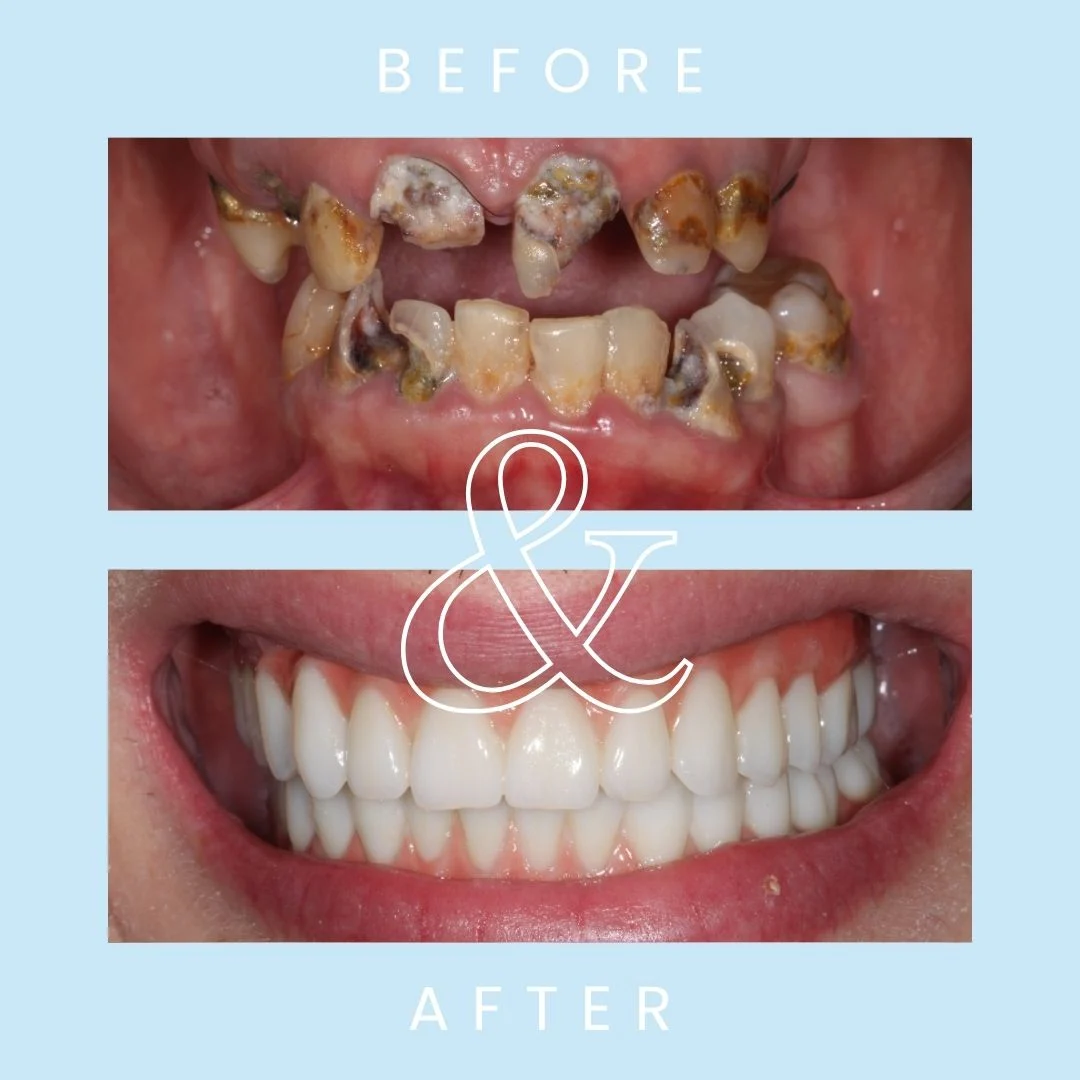

Wondering, can you get implants if you have bad teeth? The answer is often yes, but it requires careful assessment and planning. Even with existing dental issues, dental implants can be a viable solution to restore your smile and improve your oral health, especially when considering options for dental tourism in Albania. At Albania Dental Implants, we specialize in transforming smiles, even for those with challenging dental histories.
Who is a candidate for dental implants with bad teeth?
Determining candidacy for dental implants for bad teeth involves a thorough evaluation. Just because your teeth aren’t perfect doesn’t automatically disqualify you. Factors like the extent of tooth loss and dental implants suitability, the health of your gums, and the density of your jawbone all play a role. Understanding the candidates for dental implants is the first step in exploring your options.
Assessing your oral health status
Before considering implants, a comprehensive assessment of your oral health is essential. This involves identifying existing problems and determining the best course of action. At Albania Dental Implants, we pride ourselves on our meticulous approach, ensuring the best possible outcome for every patient.
What defines “bad teeth”?
“Bad teeth” can encompass a range of issues, including:
- Severe decay
- Advanced gum disease (periodontitis)
- Cracked or broken teeth beyond repair
- Significant tooth loss
These conditions can compromise the support structure for implants, making careful planning and pre-treatment necessary.
How dentists evaluate candidates
Dentists use several methods to evaluate potential candidates:
- Clinical examination: A visual inspection of your teeth, gums, and overall oral hygiene.
- X-rays: To assess bone density and identify any underlying issues not visible to the naked eye.
- CT scans: In some cases, a CT scan may be necessary to provide a more detailed view of your jawbone and surrounding structures.
- Medical history: Understanding your overall health is crucial, as certain medical conditions can impact the success of dental implants.
These assessments help determine if you meet the dental implant requirements or if preparatory procedures are needed.
Does gum disease or bone loss prevent dental implants?
The presence of implants with gum disease or bone loss and implants can complicate the implant process, but they don’t necessarily rule it out. Addressing these issues is crucial for ensuring the long-term success of your implants. If you don’t have enough bone, consider bone grafting in Albania.
Treating underlying gum disease
Gum disease, or periodontitis, is a bacterial infection that damages the soft tissues and bone that support your teeth. Untreated gum disease can lead to implant failure, so it’s essential to address it before proceeding with implant placement.
Necessary pre-implant treatments include:
- Scaling and root planing: A deep cleaning procedure to remove plaque and tartar from below the gum line.
- Antibiotics: To control the bacterial infection.
- Gum surgery: In severe cases, surgery may be needed to repair damaged tissues and restore healthy gum contours.
Successful treatment of gum disease is one of the most important preparation for implants.
Bone grafts and other preparatory procedures
Sufficient bone density is essential for supporting dental implants. If you have experienced bone loss due to periodontal disease, tooth extraction, or other factors, a bone graft may be necessary.
Bone augmentation for successful implants can involve:
- Bone grafting: Adding bone material to the jawbone to increase its density and volume.
- Sinus lift: A procedure to elevate the sinus membrane and create space for bone grafting in the upper jaw.
These procedures ensure a stable foundation for your implants, increasing their long-term success rate. At Albania Dental Implants, we utilize the latest techniques in bone augmentation to provide our patients with the best possible outcomes. Did you know, you can undergo a sinus lift in Albania.
How are dental implants placed when you have bad teeth?
The placement of dental implants when you have bad teeth requires a carefully orchestrated approach. It’s not a one-size-fits-all process and often involves multiple steps to ensure the best possible outcome. Understanding the dental implant requirements and the overall preparation for implants is crucial.
Step-by-step process
The dental implant process typically involves the following steps:
- Comprehensive evaluation: As mentioned earlier, this includes a thorough assessment of your oral health, medical history, and bone density.
- Extractions: Any remaining unsalvageable teeth will need to be extracted.
- Bone grafting (if needed): To augment the jawbone and create a stable foundation for the implants.
- Implant placement: The dental implants are surgically placed into the jawbone.
- Healing period: A period of several months is required for the implants to fuse with the bone (osseointegration).
- Abutment placement: Once osseointegration is complete, an abutment (a connector) is attached to the implant.
- Crown placement: Finally, a custom-made crown is attached to the abutment, completing the restoration.
The extractions, recovery, planning phase is critical for setting the stage for successful implant integration.
If you’re worried about the duration, consider that immediate loading dental implants in Albania are an option in some cases.
Risks and complications
While dental implants are generally safe and effective, there are potential risks of dental implants with poor oral health. These include:
- Infection
- Implant failure
- Nerve damage
- Sinus problems
Proper planning, meticulous surgical technique, and diligent aftercare can minimize these risks. Special considerations for patients with “bad teeth” may involve:
- More frequent check-ups and cleanings
- Special oral hygiene instructions
- The use of antimicrobial mouth rinses
At Albania Dental Implants, we take every precaution to ensure the safety and success of your implant procedure, even in challenging cases. Our team of experienced professionals is equipped to handle oral surgery in Albania. We also offer zirconia implants in Albania as a metal-free option for certain patients.
Alternatives to dental implants if you are not eligible
If dental implants are not the right choice for you, there are several effective alternatives to dental implants. Understanding these options can help you make an informed decision about restoring your smile and oral function. Perhaps look into cosmetic dentistry in Albania.
Dentures, bridges, and other solutions
Common alternatives to dental implants include:
- Dentures: Removable appliances that replace missing teeth.
- Bridges: Fixed appliances that attach to adjacent teeth to fill the gap created by a missing tooth.
The best option depends on your individual needs and preferences. While dentures are often the most affordable option, they can be less stable and require more maintenance than implants or bridges. Bridges, on the other hand, require altering adjacent teeth, which can increase the risk of decay and other problems.
Who should consider them? Dentures may be a good option for those who:
- Have significant bone loss
- Are not good candidates for surgery
- Are looking for a more affordable solution
Bridges may be suitable for those who:
- Have healthy adjacent teeth
- Are missing only one or a few teeth
- Prefer a fixed appliance over dentures
If you are missing all of your teeth, you could look into full mouth dental implants or full mouth reconstruction in Albania.
Recovery, maintenance, and long-term outlook
The success of dental implants depends not only on the initial procedure but also on proper recovery after dental implants and ongoing maintenance. Understanding what to expect and how to care for your implants is crucial for ensuring their long-term success. If you are missing how many teeth make a full set then you could consider dental implants.
Caring for implants with a history of bad teeth
If you have a history of “bad teeth,” maintaining your dental implants requires extra diligence. This includes:
- Regular check-ups and cleanings: More frequent visits to your dentist and hygienist are essential for monitoring the health of your implants and preventing problems.
- Meticulous oral hygiene: Brushing and flossing at least twice a day, using a soft-bristled toothbrush and fluoride toothpaste.
- The use of interdental brushes or floss threaders: To clean hard-to-reach areas around the implants.
- Avoiding smoking and excessive alcohol consumption: These habits can increase the risk of implant failure.
Importance of oral hygiene can not be overstated.
Expected prognosis depends on several factors, including:
- Your overall health
- Your commitment to oral hygiene
- The quality of the implant procedure
With proper care and maintenance, dental implants can last for many years, providing you with a confident smile and improved quality of life. Keep in mind how long do dental implants last.
For those considering dental tourism in Albania, Albania Dental Implants offers comprehensive care, including detailed post-operative instructions and support to ensure a smooth recovery and long-lasting results.
Frequently Asked Questions
Can you get dental implants if your other teeth are decayed or failing?
Yes, it’s often possible to get dental implants even if your other teeth are decayed or failing. However, the decayed or failing teeth will likely need to be extracted first to prevent infection from spreading to the implant site. Bone grafting may also be required to ensure sufficient support for the implant. We can also provide general dentistry in Albania.
Do you need all your teeth removed before getting implants?
No, you don’t necessarily need all your teeth removed before getting implants. Implants can be used to replace single missing teeth or multiple teeth. However, if you have several severely decayed or damaged teeth, your dentist may recommend removing them to improve your overall oral health and create a more stable foundation for the implants. Some dental patients are looking to see if they can i have all my teeth removed and replaced with implants.
Is gum disease a permanent barrier to implants?
No, gum disease is not a permanent barrier to implants. However, it must be treated and brought under control before implant placement. Untreated gum disease can lead to implant failure. With proper treatment and diligent oral hygiene, you can still be a candidate for dental implants.
How long does the dental implant process take if you have bad teeth?
The dental implant process can take longer if you have “bad teeth” due to the need for extractions, bone grafting, or gum disease treatment. The entire process can take anywhere from several months to a year or more. This includes the initial evaluation, any necessary preparatory procedures, implant placement, healing period, and final restoration placement. Do you know how long does it take to remove all teeth and get implants.
How much do dental implants cost for people with bad teeth?
The cost of dental implants can be higher for people with “bad teeth” due to the need for additional procedures, such as extractions, bone grafting, and gum disease treatment. The exact cost will depend on the complexity of your case and the number of implants needed. A better question is to ask, how much does a full set of teeth implants cost in the UK.
Are implants painful if you had severe dental problems before?
While some discomfort is normal after implant placement, the procedure itself is typically not painful. Most dentists use local anesthesia to numb the area during the surgery. You may experience some soreness, swelling, and bruising after the procedure, but this can be managed with pain medication. Keep in mind how painful are dental implants?
What are the risks of dental implants in patients with poor oral health?
Patients with poor oral health have a higher risk of implant failure, infection, nerve damage, and other complications. Maintaining good oral hygiene is essential for ensuring the long-term success of your implants. At Albania Dental Implants, we provide detailed instructions and support to help our patients maintain optimal oral health. Always review what is the downside to dental implants.
How do you know if you are a good candidate for dental implants?
The best way to determine if you are a good candidate for dental implants is to consult with an experienced dentist or oral surgeon. They will evaluate your oral health, medical history, and bone density to determine if implants are the right choice for you. This will help figure out who is not suitable for implants.
What happens if you don’t have enough bone for implants?
If you don’t have enough bone in your jaw to support dental implants, a bone graft may be necessary. This procedure involves adding bone material to the jawbone to increase its density and volume. Bone grafting can be done before or during implant placement. If you want to learn more then ask, what can you do if you don’t have enough bone for dental implants?
Are there financing options or NHS support for implants with bad teeth in the UK?
Financing options are available for dental implants in the UK. The NHS typically does not cover the cost of dental implants unless there is a medical necessity. At Albania Dental Implants, we offer affordable implant solutions and can help you explore financing options to make your dream smile a reality. You could ask, can NHS pay for my dental implants or can i get a government grant for dental implants.
Considering restoring your smile? Albania Dental Implants offers comprehensive solutions, including dental implants in Albania. With our affordable prices and high-quality care, you can achieve the smile you’ve always wanted. Contact us today to schedule a consultation and learn more about our services. Whether you need a single implant or a full mouth restoration, we can help you regain your confidence and improve your oral health. Learn how to afford dental implants in the uk.