



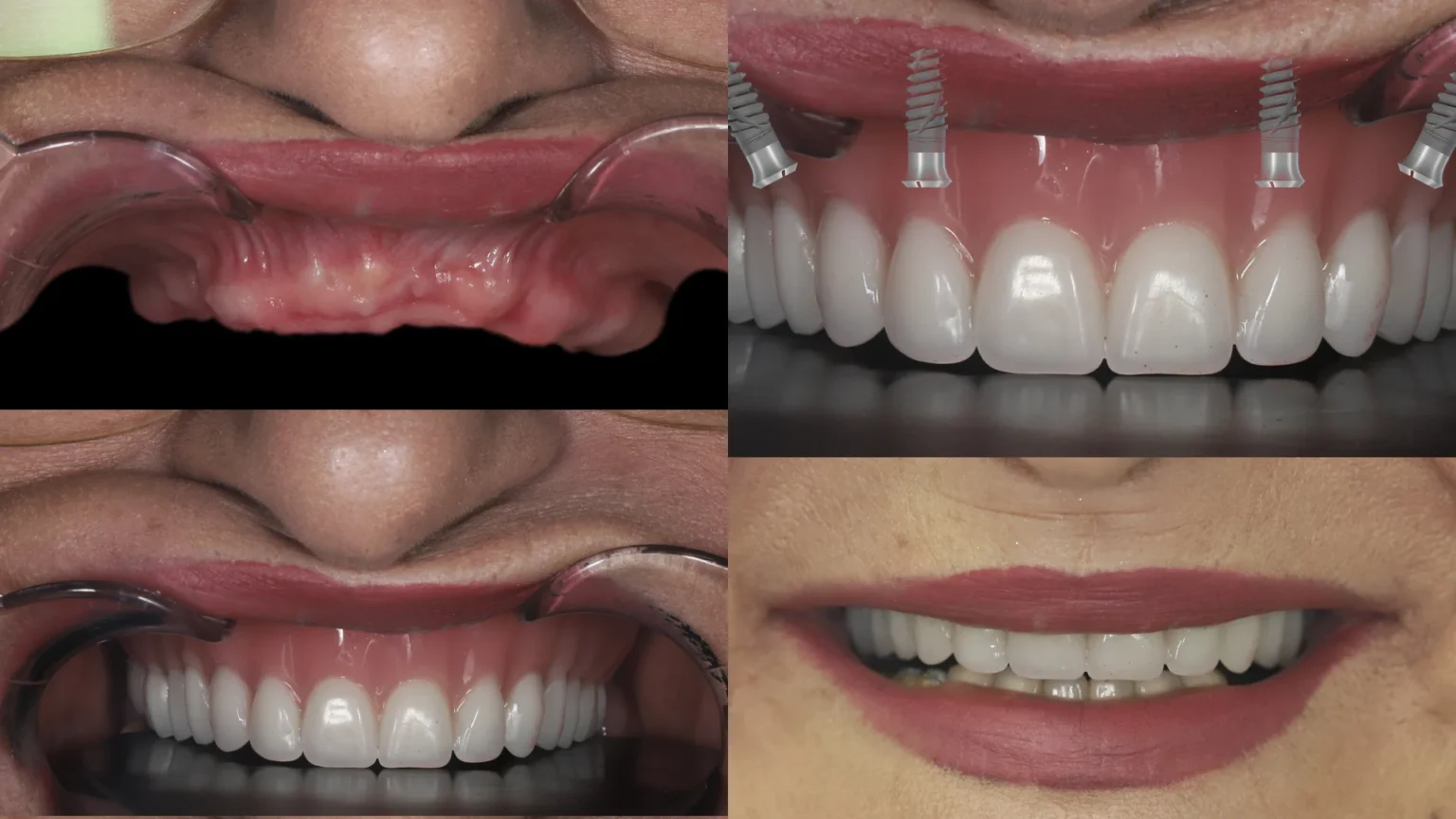

Complete dental implants are a comprehensive solution for replacing missing teeth, offering durability, aesthetics, and improved oral function. If you’re struggling with multiple missing teeth, understanding your options is the first step towards regaining your smile and confidence. This guide explores everything you need to know about complete dental implants, helping you make an informed decision about your oral health and considering options such as the dental tourism in Albania.
What Are Complete Dental Implants?
When exploring solutions for extensive tooth loss, it’s essential to understand what constitutes complete dental implants. This involves replacing all or most of the teeth in either the upper or lower jaw, or both. Unlike single tooth implants or partial dentures, complete dental implants offer a fixed, permanent solution, providing stability and functionality that closely mimics natural teeth.
The Complete Dental Implant System
A complete dental implant system consists of several components working together:
- Implant Post: A titanium screw surgically implanted into the jawbone, acting as the artificial tooth root.
- Abutment: A connector piece that attaches to the implant post and extends above the gum line.
- Prosthesis (Crown/Bridge/Denture): The visible part of the replacement teeth, which can be a full arch of crowns, a bridge, or a specialized denture designed to attach to the implants.
Complete dental implants can involve several approaches. The “All-on-4” technique, for example, uses just four implants to support an entire arch of replacement teeth. Other methods may use six or more implants for added stability, or consider multiple implants with bridges in Albania. The choice depends on individual factors such as bone density and jaw structure.
Complete vs. Single/Partial Solutions
The key difference lies in the extent of tooth replacement. Single tooth implants replace individual missing teeth, while partial dentures fill gaps where some natural teeth remain. Complete dental implants, on the other hand, address situations where most or all teeth are missing in an arch. This offers a more stable and long-lasting solution compared to dentures, preventing bone loss and improving overall oral health. Many patients also find complete dental implants more comfortable and aesthetically pleasing than removable options.
Benefits of Complete Dental Implants
The advantages of dental implant benefits extend far beyond just aesthetics. Complete dental implants offer a transformative solution for those suffering from extensive tooth loss, providing significant improvements in oral health, function, and overall quality of life. Understanding these benefits can help you make an informed decision about whether this treatment option is right for you.
Stability and Longevity
One of the primary benefits of complete dental implants is their exceptional stability. Unlike dentures, which can slip or shift, implants are anchored directly into the jawbone, providing a secure and reliable foundation for replacement teeth. This stability translates to improved chewing ability, clearer speech, and greater confidence in social situations. Additionally, with proper care, dental implants can last a lifetime, making them a cost-effective long-term solution.
Bone Preservation
When teeth are lost, the jawbone begins to deteriorate due to lack of stimulation. Dentures can accelerate this process, leading to changes in facial structure and reduced support for the lips and cheeks. Dental implants, however, stimulate the jawbone through osseointegration (the process of the implant fusing with the bone), helping to preserve bone density and maintain a more youthful facial appearance. This bone preservation is a crucial long-term advantage of implants over dentures.
Appearance and Comfort
Complete dental implants are designed to look and feel like natural teeth. The replacement teeth are custom-made to match the size, shape, and color of your existing teeth, creating a seamless and natural-looking smile. Because implants are securely anchored in the jawbone, they provide a level of comfort and confidence that dentures simply cannot match. You can eat, speak, and smile without worrying about slippage or discomfort.
Compare to Dentures: A Clear Winner
While dentures remain a more affordable option initially, the long-term advantages of complete dental implants often outweigh the higher upfront cost. Implants offer superior stability, bone preservation, aesthetics, and comfort compared to dentures. They also eliminate the need for messy adhesives and the hassle of removing and cleaning dentures daily. In the long run, implants can be a more convenient and cost-effective solution, providing a higher quality of life.
The Complete Dental Implant Procedure
Understanding the dental implant process can alleviate anxiety and help you prepare for this life-changing treatment. The complete dental implant procedure involves several stages, from the initial consultation to the final crown fitting. Each step is crucial for ensuring the success and longevity of your implants.
Step-by-Step Breakdown
Here’s a detailed breakdown of what to expect during the complete dental implant procedure:
- Consultation and Evaluation: The first step involves a comprehensive examination by a dentist or oral surgeon. This includes assessing your oral health, bone density, and overall medical condition. X-rays and CT scans may be taken to create a detailed treatment plan.
- Pre-Surgical Planning: Based on the evaluation, a personalized treatment plan is developed. This plan outlines the number and placement of implants, the type of prosthesis to be used, and any necessary pre-surgical procedures (such as bone grafting).
- Implant Placement: The surgical placement of the implant posts into the jawbone. This is typically performed under local anesthesia, with sedation options available for anxious patients. In some cases, immediate loading dental implants in Albania may be possible, where temporary teeth are placed on the implants the same day.
- Healing (Osseointegration): This is the crucial period where the implant posts fuse with the jawbone. It typically takes several months (3-6 months) for osseointegration to complete. During this time, you may wear temporary dentures or a temporary bridge.
- Abutment Placement: Once osseointegration is complete, the abutments are attached to the implant posts. This may require a minor surgical procedure to expose the implants if they were covered during the initial placement.
- Crown/Bridge Fitting: The final step involves attaching the custom-made crowns, bridges, or dentures to the abutments. These replacement teeth are designed to fit perfectly and match the appearance of your natural teeth.
Stages of Dental Implant: From Consultation to Completion
The complete dental implant process is a journey that requires patience and commitment. However, the end result – a stable, functional, and beautiful smile – is well worth the effort. By understanding each stage of the process, you can approach your treatment with confidence and achieve a successful outcome.
Who Is Suitable for Complete Dental Implants?
Determining dental implant suitability is crucial for ensuring the success of the procedure. While complete dental implants are an excellent solution for many, not everyone is an ideal candidate. Several factors, including medical conditions, bone density, and lifestyle choices, can affect your eligibility.
Ideal Candidates
The best candidates for complete dental implants generally meet the following criteria:
- Good Overall Health: Patients should be in good general health, without any underlying medical conditions that could compromise healing.
- Adequate Bone Density: Sufficient bone density in the jaw is essential for supporting the implants. If bone loss has occurred, bone grafting may be necessary.
- Healthy Gums: Patients should have healthy gums, free from periodontal disease.
- Commitment to Oral Hygiene: Maintaining good oral hygiene is crucial for the long-term success of implants.
Medical and Bone Requirements
Certain medical conditions can affect your suitability for dental implants. Uncontrolled diabetes, autoimmune diseases, and bleeding disorders can increase the risk of complications and implant failure. Similarly, inadequate bone density in the jaw can make it difficult to achieve successful osseointegration. In these cases, procedures like bone grafting or sinus lift in Albania may be necessary to improve bone volume and density.
Risks and Contraindications
There are also specific contraindications that may make complete dental implants unsuitable:
- Active Infections: Any active oral infections must be treated before implant placement.
- Smoking: Smoking significantly increases the risk of implant failure due to impaired healing.
- Certain Medications: Some medications, such as bisphosphonates (used to treat osteoporosis), can interfere with bone healing and implant integration.
- Bruxism (Teeth Grinding): Untreated bruxism can put excessive stress on implants, leading to damage or failure.
It’s important to be honest and transparent with your dentist about your medical history and lifestyle choices to determine whether complete dental implants are a safe and appropriate option for you. For those who are not suitable candidates, alternatives like implant-supported dentures or traditional dentures may be considered.
How Much Do Complete Dental Implants Cost in the UK?
Understanding the dental implant cost UK is a significant factor in deciding whether to proceed with this treatment. The cost of complete dental implants can vary widely depending on several factors, including the number of implants needed, the type of prosthesis used, and the location of the dental clinic.
Average UK Prices
In the UK, the average cost of complete dental implants can range from £15,000 to £30,000 per arch (upper or lower jaw). This cost typically includes the initial consultation, pre-surgical planning, implant placement surgery, abutment placement, and the final prosthesis (crowns, bridges, or dentures). The “All-on-4” technique, which uses fewer implants, may be slightly less expensive than traditional methods requiring more implants.
NHS vs. Private Dental Implants
Dental implants are rarely available on the NHS, except in very specific circumstances where tooth loss is the result of trauma or certain medical conditions. In most cases, patients seeking complete dental implants will need to pursue private dental care. While private dental implants are more expensive, they often offer higher-quality materials, more experienced surgeons, and more personalized treatment plans.
Factors Affecting Costs
Several factors can influence the overall cost of complete dental implants:
- Number of Implants: The more implants required, the higher the cost.
- Type of Prosthesis: Full arch of individual crowns will be more expensive than an implant-supported denture.
- Bone Grafting: If bone grafting is necessary to improve bone density, this will add to the overall cost.
- Location of Clinic: Dental clinics in major cities or affluent areas may charge more than those in smaller towns or rural areas.
- Dentist’s Experience: More experienced and highly qualified dentists may charge higher fees.
Affordable Dental Implants and Finance Options
For many patients, the cost of complete dental implants can be a significant barrier. However, several finance options are available to help make this treatment more accessible. Many dental clinics offer payment plans that allow you to spread the cost of treatment over several months or years. Additionally, some patients may consider traveling abroad for dental tourism in Albania, where the cost of dental implants can be significantly lower than in the UK.
Aftercare and Recovery for Complete Dental Implants
Proper dental implant aftercare is crucial for ensuring the long-term success of your treatment. The recovery period following complete dental implant surgery can vary depending on individual factors, but understanding the typical timeline and care instructions can help you minimize discomfort and promote optimal healing.
Recovery Timeline
The initial recovery period typically lasts for 1-2 weeks. During this time, you may experience some pain, swelling, and bruising. It’s important to follow your dentist’s instructions carefully, taking prescribed pain medication and using ice packs to reduce swelling. A soft food diet is recommended during the first few days to avoid putting excessive pressure on the implants.
Care Instructions
Here are some essential care instructions to follow during the recovery period:
- Maintain Good Oral Hygiene: Gently brush your teeth and gums with a soft-bristled toothbrush. Use an antibacterial mouthwash to help prevent infection.
- Avoid Hard or Crunchy Foods: Stick to soft foods that are easy to chew.
- Avoid Smoking and Alcohol: Smoking and alcohol can interfere with healing.
- Attend Follow-Up Appointments: Regular check-ups with your dentist are essential for monitoring healing and ensuring the implants are properly integrated.
Possible Complications
While complete dental implant surgery is generally safe, there are some potential complications to be aware of:
- Infection: Infection at the implant site can lead to implant failure.
- Nerve Damage: Nerve damage can cause numbness or tingling in the lips, chin, or tongue.
- Sinus Problems: Implants placed in the upper jaw can sometimes protrude into the sinus cavity, causing sinus problems.
- Implant Failure: In rare cases, the implant may fail to fuse with the jawbone, requiring removal and replacement.
Long-Term Maintenance Tips
To ensure the longevity of your complete dental implants, it’s essential to maintain good oral hygiene and attend regular dental check-ups. This includes brushing and flossing daily, using an interdental brush to clean around the implants, and visiting your dentist for professional cleanings and examinations every 6 months. With proper care, your complete dental implants can last a lifetime, providing a stable, functional, and beautiful smile.
Alternatives to Complete Dental Implants
While dental bridges and dentures remain traditional options, understanding their pros and cons against full implant solutions is vital in making informed decisions about your oral health. This section explores alternative tooth replacement options, helping you determine which solution best suits your needs and circumstances.
Dental Bridges
Dental bridges are a fixed solution used to replace one or more missing teeth by anchoring an artificial tooth (pontic) to adjacent natural teeth (abutment teeth). While bridges can be a cost-effective option for replacing a few missing teeth, they are not suitable for complete tooth replacement. Bridges also require altering the structure of the abutment teeth, which can increase the risk of decay or damage. Compared to complete dental implants, bridges do not provide the same level of stability or bone preservation.
Dentures
Dentures are removable appliances used to replace missing teeth. Complete dentures replace all the teeth in an arch (upper or lower jaw), while partial dentures replace some missing teeth. Dentures are a more affordable option than complete dental implants, but they have several drawbacks. Dentures can be uncomfortable, unstable, and can make it difficult to eat and speak properly. They also do not stimulate the jawbone, which can lead to bone loss and changes in facial structure. Compared to implants, dentures require more maintenance and may need to be replaced every few years.
Implant-Supported Dentures
Implant-supported dentures combine the benefits of dentures and dental implants. These dentures are anchored to a few dental implants, providing greater stability and retention than traditional dentures. Implant-supported dentures are a more affordable alternative to complete dental implants, but they still offer significant improvements in comfort, function, and bone preservation compared to traditional dentures. This option can be particularly beneficial for patients who lack sufficient bone density for full implant solutions.
Frequently Asked Questions
Choosing the right tooth replacement option can be overwhelming. Here are some frequently asked questions about complete dental implants to help you make an informed decision.
How long do complete dental implants last?
With proper care and maintenance, complete dental implants can last a lifetime. The longevity of implants depends on factors such as oral hygiene, overall health, and lifestyle choices. Regular dental check-ups and professional cleanings are essential for ensuring the long-term success of your implants.
Is the implant procedure painful?
The implant procedure is typically performed under local anesthesia, so you should not feel any pain during the surgery. Some discomfort, swelling, and bruising are normal after the procedure, but these can be managed with pain medication and ice packs. Many patients report that the discomfort is less than they expected.
Can smokers get complete dental implants?
Smoking significantly increases the risk of implant failure due to impaired healing. Smokers are advised to quit smoking before undergoing dental implant surgery. If you are unable to quit, your dentist may recommend alternative tooth replacement options.
What are the risks or potential complications?
While complete dental implant surgery is generally safe, there are some potential risks and complications, including infection, nerve damage, sinus problems, and implant failure. Choosing an experienced and qualified dentist can help minimize these risks.
How do I find a trusted dental implant provider?
Finding a trusted dental implant provider is crucial for ensuring the success of your treatment. Look for a dentist or oral surgeon who is experienced in implant dentistry and has a good track record. Check online reviews and testimonials, and ask for before-and-after photos of previous patients. It’s also important to choose a provider who uses high-quality materials and follows strict infection control protocols. Consider the possibility of dental tourism in Albania for cost-effective options.
Are dental implants noticeable?
Complete dental implants are designed to look and feel like natural teeth. The replacement teeth are custom-made to match the size, shape, and color of your existing teeth, creating a seamless and natural-looking smile. In most cases, it is difficult to tell the difference between dental implants and natural teeth.
Can implants be done in one day?
In some cases, immediate loading dental implants can be done in one day. This involves placing the implants and attaching temporary teeth on the same day. However, immediate loading is not suitable for all patients. Your dentist will assess your individual circumstances to determine whether this option is right for you.
Choosing the Best Provider for Complete Dental Implants
Selecting the right clinic is crucial for a successful and satisfying outcome. Here’s how to find the best dental implant clinic and ensure you receive top-quality care.
Researching Providers
Start by researching dental implant providers in your area. Look for clinics that specialize in implant dentistry and have a team of experienced dentists and oral surgeons. Check online reviews and testimonials to get an idea of other patients’ experiences. Consider clinics offering services like oral surgery in Albania, as they may provide a more comprehensive approach.
Checking Qualifications and Expertise
Verify the qualifications and expertise of the dentists and oral surgeons at the clinic. Look for providers who are board-certified and have extensive training in implant dentistry. Ask about their experience with complete dental implants and their success rates. A reputable provider will be happy to answer your questions and provide you with information about their qualifications and experience.
Assurance of Aftercare
Ensure the clinic provides comprehensive aftercare services. This includes regular follow-up appointments, maintenance tips, and support for any potential complications. A good clinic will be committed to your long-term oral health and will provide you with the resources and support you need to maintain your complete dental implants for life. Excellent aftercare is as vital as the implant procedure itself. You may also consider dental clinics in Albania dental implants reviews which often provide detailed information about patient experience.
Conclusion
Complete dental implants offer a life-changing solution for those suffering from extensive tooth loss. By providing stability, functionality, and aesthetics that closely mimic natural teeth, implants can significantly improve your oral health, confidence, and overall quality of life. If you’re considering complete dental implants, it’s essential to consult with an experienced and qualified dentist to determine whether this treatment option is right for you.
Take the first step towards regaining your smile and confidence. Contact Albania Dental Implants today to schedule a consultation and learn more about our complete dental implant solutions. We offer high-quality implants at affordable prices, with personalized treatment plans tailored to your individual needs.