



Full Dental Implants: Complete Guide to Full Mouth Implant Solutions
If you’re considering full dental implants, you’re exploring one of the most effective and long-lasting solutions for replacing missing teeth and restoring your smile. At Albania Dental Implants, we specialize in providing comprehensive and affordable dental implant services in Albania, helping patients achieve a confident and healthy smile. This guide will walk you through everything you need to know about full dental implants, from the procedure itself to the costs involved and the benefits you can expect.
What Are Full Dental Implants?
Full dental implants, also known as full mouth dental implants, are a comprehensive solution for replacing all of your teeth in either the upper or lower jaw, or both. Unlike traditional dentures, which rest on the gums, full dental implants are anchored directly into the jawbone, providing a secure and permanent foundation for your new teeth.
Who Needs Full Dental Implants?
Full dental implants are an excellent option for individuals who:
- Have lost all or most of their teeth due to decay, gum disease, or injury.
- Are currently wearing dentures and are seeking a more stable and comfortable alternative.
- Have sufficient bone density in their jaw to support dental implants (or are willing to undergo bone grafting).
How Do Full Dental Implants Differ from Partial Implants or Dentures?
Partial implants only replace a few missing teeth using individual implants or bridges anchored to implants. Dentures are removable appliances that sit on top of the gums, whereas full dental implants provide a fixed, permanent solution that functions and feels much like natural teeth. This enhanced stability and comfort are why many patients seek full dental implants as a premium alternative to traditional dentures, especially with the option of affordable dental tourism in Albania.
Types of Full Dental Implants
When considering full mouth dental implants, it’s crucial to understand the different types available to determine the best fit for your specific needs and budget. At Albania Dental Implants, we offer a variety of full dental implant solutions, including All-on-4 and All-on-6 implants.
All-on-4 Dental Implants
All-on-4 dental implants involve placing four dental implants in each arch (upper or lower jaw) to support a full set of replacement teeth. The back implants are angled to take advantage of existing bone structure, often eliminating the need for bone grafting. This innovative technique, commonly known as “Teeth in a Day”, allows for a quicker procedure and faster recovery.
How All-on-4 Dental Implants Work
The All-on-4 dental implants procedure starts with a comprehensive examination and planning phase, including X-rays and CT scans to assess bone density and identify the optimal implant placement sites. After this assessment, the four implants are surgically placed, and a temporary set of teeth is attached on the same day. Once the implants have fully integrated with the bone (typically after a few months), a permanent set of teeth is custom-made and secured to the implants. Choosing all on 4 dental implants in Albania can significantly reduce costs while receiving top-tier dental treatment.
Benefits and Limitations of All-on-4 Dental Implants
All-on-4 dental implants offer several significant benefits, including:
- Reduced treatment time and cost compared to traditional implant methods.
- Elimination or reduction of the need for bone grafting.
- Improved stability and functionality compared to traditional dentures.
- A natural-looking and confident smile.
However, they may not be suitable for everyone, particularly individuals with significant bone loss or certain medical conditions.
All-on-6 Dental Implants
All-on-6 dental implants are similar to All-on-4, but they use six implants per arch instead of four. The additional implants provide even greater stability and support for the replacement teeth, making them a great option for individuals with weaker jawbones or those seeking maximum stability and longevity. If you’re looking for extra stability, consider all on 6 dental implants in Albania for a strong, reliable solution.
How All-on-6 Dental Implants Work
The All-on-6 dental implants procedure is similar to the All-on-4 process, involving thorough planning, surgical placement of the implants, and attachment of a temporary set of teeth. The additional two implants provide enhanced support and distribute the biting forces more evenly across the jawbone. This can lead to improved long-term stability and reduced risk of implant failure.
When All-on-6 Dental Implants Are Recommended
All-on-6 dental implants are often recommended for individuals who:
- Have experienced some bone loss in the jaw.
- Desire maximum stability and longevity of their dental implants.
- Grind or clench their teeth (bruxism).
Full Mouth Dental Implants
Full mouth dental implants, also known as full arch restoration, is a comprehensive solution designed to replace all teeth in either the upper or lower jaw with a fixed, implant-supported prosthesis. This approach aims to restore full functionality, aesthetics, and confidence for individuals who have lost all or most of their natural teeth.
Overview of Full Arch Restoration
Full mouth dental implants involve strategically placing multiple implants throughout the jawbone to support a custom-made set of replacement teeth. The number of implants needed varies depending on individual factors, such as bone density, jaw structure, and the type of prosthesis being used. Once the implants are placed, they fuse with the jawbone through a process called osseointegration, creating a solid and permanent foundation for the new teeth. To explore a complete transformation, consider a full mouth reconstruction in Albania.
Full Dental Implants Procedure: Step by Step
The full dental implants procedure is a multi-stage process that requires careful planning and execution. At Albania Dental Implants, our experienced team is committed to providing you with a comfortable and successful experience every step of the way.
Initial Consultation and Assessment
The first step in the full dental implants procedure is an initial consultation and assessment with our dental implant specialist. During this appointment, we will:
- Review your medical and dental history.
- Perform a thorough oral examination.
- Take X-rays and CT scans to assess your bone density and jaw structure.
- Discuss your treatment goals and expectations.
Imaging and Planning (CT Scans, X-rays)
Advanced imaging techniques, such as CT scans and X-rays, are crucial for planning the full dental implants procedure. These images allow us to:
- Evaluate the quantity and quality of bone in your jaw.
- Identify the precise location of nerves and sinuses.
- Determine the optimal placement sites for your dental implants.
Bone Grafting (if needed)
If you have insufficient bone density in your jaw to support dental implants, bone grafting in Albania may be necessary. This procedure involves adding bone material to the jawbone to increase its volume and strength. Bone grafting can be performed several months before implant placement or at the same time, depending on the severity of bone loss.
Implant Placement
The implant placement procedure involves surgically inserting the dental implants into your jawbone. This is typically performed under local anaesthesia with sedation to ensure your comfort. Our skilled surgeons will carefully place the implants at the predetermined locations, ensuring optimal stability and alignment. Looking for an expert in the field? Explore our implantology in Albania services.
Healing Period
After implant placement, a healing period of several months is required to allow the implants to fuse with the jawbone through a process called osseointegration. During this time, you may wear a temporary set of teeth to maintain your appearance and function.
Final Restoration (Permanent Teeth)
Once the implants have fully integrated with the bone, the final restoration process begins. This involves taking impressions of your mouth and fabricating a custom-made set of permanent teeth that will be attached to the implants. These teeth are designed to look, feel, and function just like natural teeth, providing you with a confident and healthy smile.
How Much Do Full Dental Implants Cost in the UK?
The cost of full dental implants in the UK can vary significantly depending on several factors. Many people are looking for an alternative solution and considering cost of dental implants in Albania.
Average Price Range (Per Arch, Full Mouth)
In the UK, the average price range for full dental implants per arch (upper or lower jaw) typically falls between £7,000 and £15,000. A full mouth (both arches) can range from £14,000 to £30,000 or more. However, these are just estimates, and the actual cost can vary based on individual circumstances.
Factors Affecting Cost (Materials, Clinic, Location)
Several factors can influence the cost of full dental implants, including:
- Materials: The type of materials used for the implants and replacement teeth (e.g., titanium, zirconia, porcelain) can affect the price.
- Clinic: Different clinics have different overhead costs and pricing structures, which can impact the overall cost.
- Location: The cost of living and competition among dental clinics in a particular area can influence pricing.
- Complexity: The complexity of your case, including the need for bone grafting or other additional procedures, can increase the overall cost.
Comparison with Dentures and Other Options
While the upfront cost of full dental implants may be higher than dentures or other tooth replacement options, it’s important to consider the long-term benefits and value. Full dental implants offer superior stability, functionality, and aesthetics compared to dentures, and they can also help prevent bone loss in the jaw. This makes them a worthwhile investment for many individuals seeking a permanent and confident smile.
Recovery and Aftercare for Full Dental Implants
Proper full dental implants recovery and aftercare are crucial for ensuring the success and longevity of your dental implants. At Albania Dental Implants, we provide you with comprehensive instructions and support to help you through the recovery process.
What to Expect After Surgery
After the implant placement surgery, it’s normal to experience some swelling, bruising, and discomfort. These symptoms can typically be managed with pain medication and cold compresses. It’s also important to follow a soft diet and avoid strenuous activities during the initial healing period.
Pain Management and Swelling
To manage pain and swelling after surgery, we recommend:
- Taking prescribed pain medication as directed.
- Applying cold compresses to the face for 20 minutes at a time, several times a day.
- Elevating your head while sleeping.
- Avoiding smoking and alcohol consumption.
Diet and Oral Hygiene Tips
During the full dental implants recovery period, it’s important to follow a soft diet and practice good oral hygiene to promote healing and prevent infection. We recommend:
- Eating soft foods such as soups, yogurt, mashed potatoes, and smoothies.
- Avoiding hard, crunchy, or sticky foods that could damage the implants.
- Gently rinsing your mouth with warm salt water after meals.
- Brushing your teeth with a soft-bristled toothbrush, being careful around the implant sites.
- Using an antibacterial mouthwash as directed.
Follow-Up Appointments
Regular follow-up appointments are essential for monitoring the healing process and ensuring the success of your dental implants. During these appointments, we will:
- Examine the implant sites.
- Assess the stability of the implants.
- Make any necessary adjustments to your temporary or permanent teeth.
- Provide you with ongoing oral hygiene instructions.
Full Dental Implants vs Dentures: Which Is Better?
When it comes to replacing a full set of teeth, full dental implants vs dentures are the two most common options. Both have their pros and cons, and the best choice for you will depend on your individual needs, preferences, and budget.
Pros and Cons of Each Option
Here’s a comparison of the pros and cons of full dental implants and dentures:
Full Dental Implants
- Pros: Permanent, stable, natural-looking, improved functionality, prevents bone loss, no dietary restrictions.
- Cons: Higher upfront cost, requires surgery, longer treatment time.
Dentures
- Pros: Lower upfront cost, non-surgical, quicker treatment time.
- Cons: Removable, less stable, can affect speech and taste, may require dietary restrictions, can cause bone loss over time.
Long-Term Durability and Comfort
In terms of long-term durability and comfort, full dental implants generally outperform dentures. Implants are designed to last a lifetime with proper care, while dentures typically need to be replaced every 5-10 years. Implants also provide superior stability and comfort, allowing you to eat, speak, and smile with confidence.
Impact on Speech and Eating
Dentures can sometimes affect speech and make it difficult to eat certain foods. Full dental implants, on the other hand, function much like natural teeth, allowing you to speak and eat without any limitations. This can have a significant impact on your quality of life and overall well-being.
Benefits of Full Dental Implants
The full dental implants benefits are numerous and can significantly improve your quality of life.
Improved Chewing and Speech
Full dental implants restore your ability to chew properly, allowing you to enjoy a wide range of foods without any difficulty. They also improve your speech, eliminating any slurring or mumbling that can be caused by dentures. You can regain your confidence with our cosmetic dentistry in Albania.
Natural Appearance
Full dental implants are designed to look, feel, and function just like natural teeth. They are custom-made to match the color, shape, and size of your existing teeth, providing you with a seamless and natural-looking smile.
Long-Term Solution
With proper care and maintenance, full dental implants can last a lifetime. This makes them a worthwhile investment for individuals seeking a permanent and reliable solution for missing teeth.
Prevents Bone Loss
Unlike dentures, full dental implants help prevent bone loss in the jaw. The implants stimulate the jawbone, which helps to maintain its density and prevent it from shrinking over time. If you are concerned about the health of your jawbone, speak to us about bone grafting in Albania
Risks and Complications of Full Dental Implants
While full dental implants are generally safe and successful, like any surgical procedure, they do carry some risks and potential complications.
Infection, Implant Failure, Nerve Damage
Some of the potential risks and complications of full dental implants include:
- Infection: Infection at the implant site can occur if proper oral hygiene is not maintained.
- Implant Failure: In rare cases, the implants may not fuse properly with the jawbone, leading to implant failure.
- Nerve Damage: Nerve damage can occur during implant placement, resulting in numbness or tingling in the lips, chin, or tongue.
- Sinus Problems: Upper implants can, in rare cases, affect sinuses. You may want to consider a sinus lift in Albania to improve your suitability for full dental implants.
How to Minimise Risks
To minimise the risks and complications of full dental implants, it’s important to:
- Choose an experienced and qualified dental implant specialist.
- Follow all pre- and post-operative instructions carefully.
- Maintain excellent oral hygiene.
- Attend regular follow-up appointments.
Who Is a Good Candidate for Full Dental Implants?
Determining who is a good candidate for full dental implants is crucial for ensuring the success and longevity of the treatment. Factors such as health, bone density, and lifestyle play a significant role in candidacy.
Health Requirements
Good overall health is essential for being a suitable candidate for full dental implants. Individuals with uncontrolled chronic conditions such as diabetes, heart disease, or immune disorders may face a higher risk of complications and implant failure. A thorough medical evaluation is necessary to assess your overall health and determine your suitability for the procedure.
Bone Density and Gum Health
Sufficient bone density in the jaw is crucial for supporting dental implants. If you have experienced significant bone loss, bone grafting in Albania may be necessary to increase the volume and strength of the jawbone. Healthy gums are also important for preventing infection and ensuring the long-term success of the implants. Any existing gum disease must be treated before undergoing implant placement.
Age Considerations
While there is no strict age limit for full dental implants, older adults may have certain health conditions that could affect their candidacy. However, with proper medical evaluation and management of any underlying health issues, many seniors can successfully undergo implant treatment and enjoy the benefits of a restored smile. If you’re a senior considering implants, full dental implants for seniors can greatly improve your quality of life.
Full Dental Implants Timeline: What to Expect
Understanding the full dental implants timeline is essential for planning your treatment and setting realistic expectations. The timeline can vary depending on individual factors, such as the need for bone grafting or other additional procedures.
Consultation to Final Restoration
The full dental implants timeline from the initial consultation to the final restoration typically ranges from 6 to 12 months. This includes the time required for:
- Initial consultation and assessment.
- Imaging and planning (CT scans, X-rays).
- Bone grafting (if needed).
- Implant placement.
- Healing period (osseointegration).
- Final restoration (permanent teeth).
Healing Periods
The healing period after implant placement is crucial for ensuring the success of the treatment. During this time, the implants fuse with the jawbone through osseointegration. This process typically takes 3 to 6 months, depending on individual factors and the type of implants used.
Financing and Payment Options for Full Dental Implants
The full dental implants financing options can make this life-changing treatment more accessible.
NHS Coverage (if any)
In the UK, full dental implants are rarely covered by the NHS, except in very specific circumstances where they are deemed medically necessary. These circumstances are usually limited to cases of severe trauma or congenital defects. It is a complex problem and you might be considering what is the cheapest implants uk.
Private Payment Plans
Many dental clinics offer private payment plans to help patients spread the cost of full dental implants over time. These plans may involve monthly installments or other financing options to make the treatment more affordable.
Insurance and Financing
Some dental insurance plans may cover a portion of the cost of full dental implants, but it’s important to check with your insurance provider to determine the extent of your coverage. Additionally, there are specialized financing companies that offer loans specifically for dental procedures, including implant treatment.
Frequently Asked Questions About Full Dental Implants
Here are answers to some frequently asked questions about full dental implants:
What are full dental implants?
Full dental implants are a comprehensive solution for replacing all teeth in either the upper or lower jaw with a fixed, implant-supported prosthesis, offering improved stability, functionality, and aesthetics compared to traditional dentures.
How much do full dental implants cost in the UK?
The average cost ranges from £7,000 to £15,000 per arch, depending on factors like materials, clinic location, and complexity. Consider the cost of dental implants in Albania for more affordable options.
What is the difference between All-on-4 and All-on-6 dental implants?
All-on-4 uses four implants per arch, while All-on-6 uses six. All-on-6 provides greater stability, especially for those with weaker jawbones or bruxism.
How long does the full dental implant procedure take?
The entire process, from initial consultation to final restoration, typically takes 6 to 12 months, including healing time.
What is the recovery process like after full dental implants?
Expect some swelling, bruising, and discomfort initially. Follow a soft diet and maintain excellent oral hygiene. The initial recovery takes a few weeks, with complete osseointegration occurring over several months.
Are full dental implants painful?
The implant placement is typically performed under local anaesthesia with sedation. Post-operative discomfort can be managed with pain medication and cold compresses. While it might hurt, it is important to look into how painful are dental implants.
How long do full dental implants last?
With proper care and maintenance, full dental implants can last a lifetime, making them a long-term solution for tooth replacement.
Who is a good candidate for full dental implants?
Good candidates have lost most or all of their teeth, have sufficient bone density (or are willing to undergo bone grafting), and are in good overall health.
What are the risks and complications of full dental implants?
Potential risks include infection, implant failure, nerve damage, and sinus problems. Choosing an experienced specialist and following post-operative instructions can minimize these risks.
How do full dental implants compare to dentures?
Full dental implants offer superior stability, functionality, and aesthetics compared to dentures. They also prevent bone loss and don’t require dietary restrictions.
Can you get full dental implants if you have bone loss?
Yes, but bone grafting may be necessary to increase the volume and strength of the jawbone.
What is the aftercare for full dental implants?
Aftercare includes maintaining excellent oral hygiene, following a soft diet initially, attending regular follow-up appointments, and avoiding smoking.
Are full dental implants covered by the NHS?
Full dental implants are rarely covered by the NHS, except in cases of severe trauma or congenital defects.
How do I find a reputable clinic for full dental implants near me?
Look for experienced specialists with positive patient reviews, advanced technology, and comprehensive consultation processes. If you are willing to travel, consider what is the cheapest country to get dental implants.
What financing options are available for full dental implants?
Options include private payment plans, dental insurance coverage, and specialized financing companies that offer loans for dental procedures.
How to Choose the Best Clinic for Full Dental Implants Near Me
Choosing the best clinic for full dental implants near me is a crucial step in ensuring the success of your treatment. At Albania Dental Implants, we strive to provide our patients with the highest quality care and exceptional results.
What to Look for in a Clinic
When selecting a clinic for full dental implants, consider the following factors:
- Experience and Qualifications: Look for a clinic with experienced and qualified dental implant specialists who have a proven track record of success.
- Advanced Technology: Choose a clinic that utilises advanced technology, such as CT scans, digital X-rays, and computer-guided implant placement, to ensure precision and accuracy.
- Comprehensive Consultation: Select a clinic that provides a comprehensive consultation process, including a thorough examination, detailed treatment planning, and clear explanation of the costs and risks involved.
- Patient Reviews and Testimonials: Read patient reviews and testimonials to get an idea of the clinic’s reputation and the quality of care they provide.
Questions to Ask Your Dentist
During your consultation, don’t hesitate to ask your dentist questions such as:
- What is your experience with full dental implants?
- What type of implants do you use?
- What is the success rate of your implants?
- What are the risks and complications involved?
- What financing options are available?
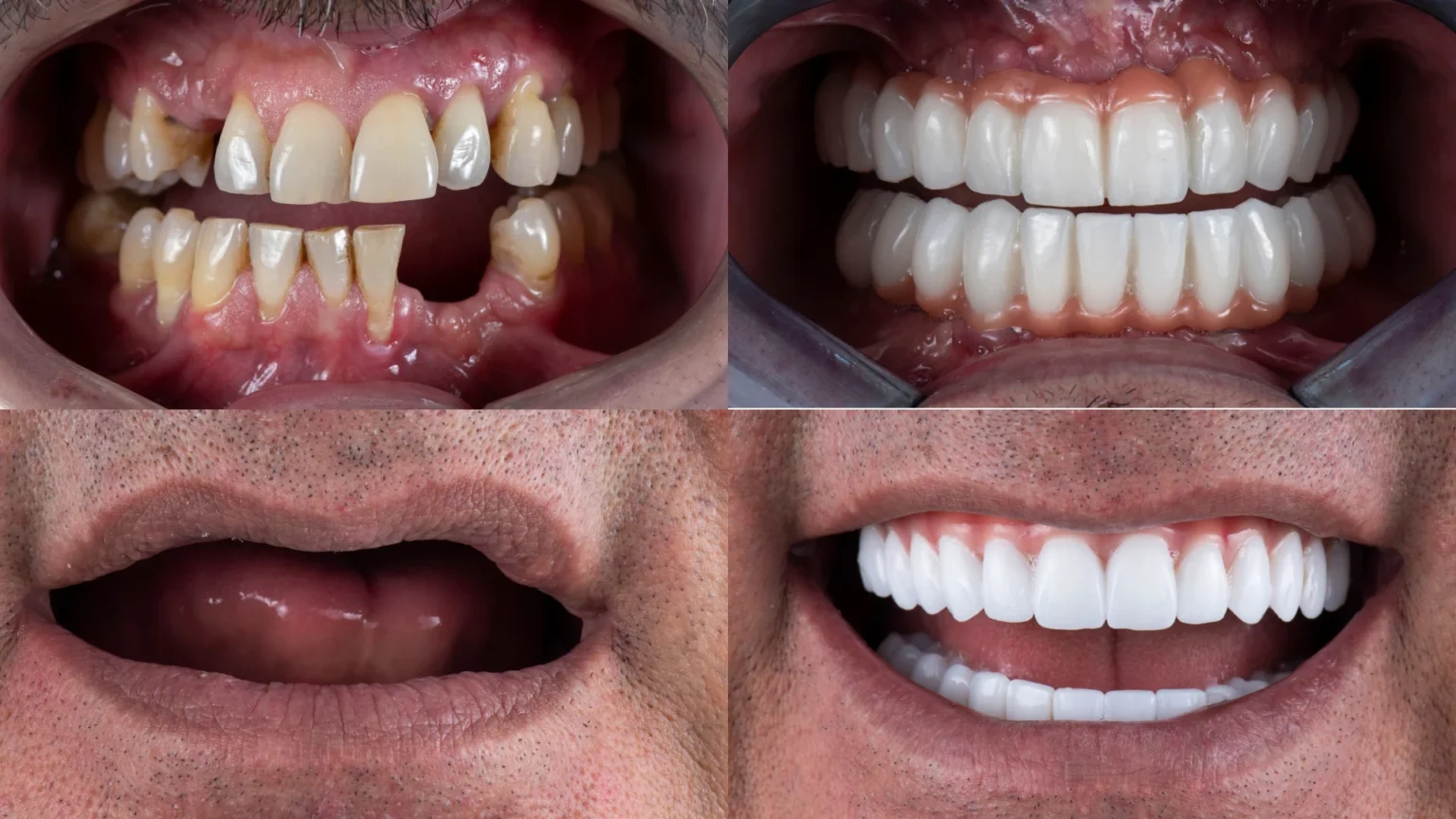
Full Dental Implants Before and After: Real Results
Seeing full dental implants before and after photos and reading patient testimonials can provide you with a realistic understanding of the potential results and benefits of this treatment.
Patient Testimonials and Case Studies
At Albania Dental Implants, we have helped numerous patients transform their smiles and improve their quality of life with full dental implants. Our patient testimonials and case studies showcase the real results that can be achieved with this life-changing procedure.
[Insert Patient Testimonials and Case Studies Here]
Conclusion: Is Full Dental Implants Right for You?
Full dental implants are a transformative solution for replacing missing teeth and restoring your smile, function, and confidence. While the procedure involves a significant investment of time and money, the long-term benefits and improved quality of life make it a worthwhile option for many individuals. If you are looking for Albania dental implants reviews, look no further. Our previous clients have been very happy.
If you’re considering full dental implants, we encourage you to consult with our experienced dental implant specialist at Albania Dental Implants. We will thoroughly evaluate your individual needs and goals and recommend the best treatment plan for you. Contact Albania Dental Implants today to schedule your consultation and take the first step toward a confident and healthy smile!