



Full Set of Dental Implants – Complete Guide to Cost, Procedure, and Benefits
A full set of dental implants offers a transformative solution for those seeking to restore a complete arch of teeth, providing stability, function, and aesthetics. If you’re considering a permanent solution for extensive tooth loss, this comprehensive guide will explore everything you need to know about complete dental implants, implant dentures, and permanent teeth replacement.
I. Introduction: What Is a Full Set of Dental Implants?
Cluster Keyword: all-on-4 dental implants, complete dental implants, implant dentures, permanent teeth replacement
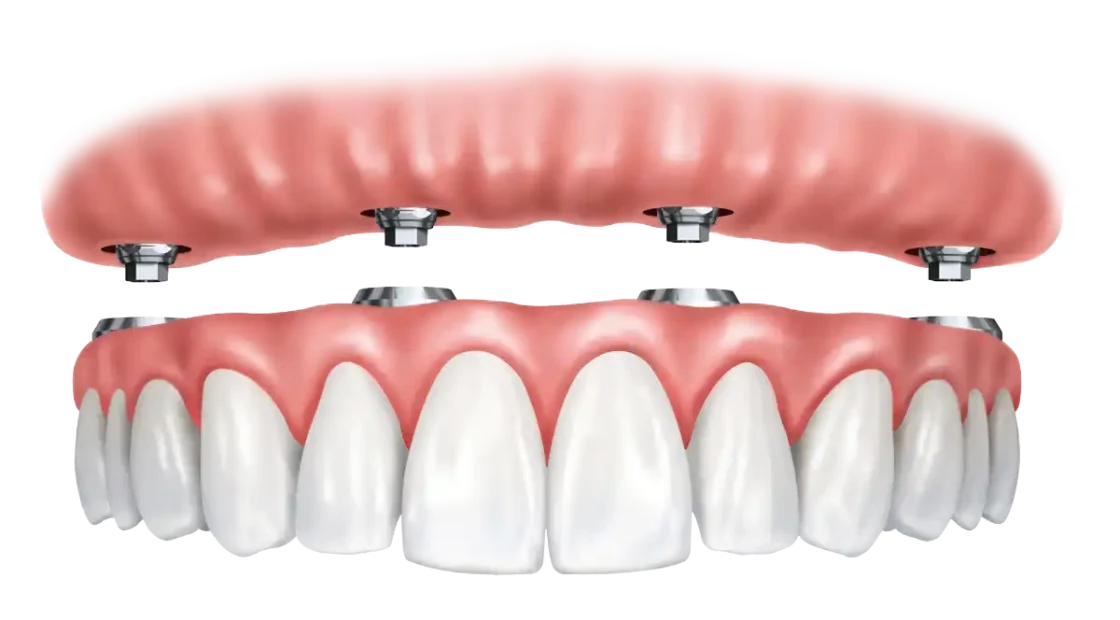
A full set of dental implants involves replacing all teeth in either the upper or lower jaw (or both) with dental implants. Unlike traditional dentures, which are removable, full set dental implants are anchored directly into the jawbone, providing a secure and long-lasting solution. This option is ideal for individuals who have lost most or all of their teeth due to decay, injury, or disease, and are looking for a more permanent and natural-feeling alternative to dentures.
Benefits of Full Set Dental Implants
- Improved Aesthetics: Full set dental implants provide a natural-looking smile, boosting confidence and self-esteem.
- Enhanced Functionality: Implants restore the ability to eat, speak, and chew comfortably and effectively.
- Long-Term Solution: With proper care, dental implants can last for many years, even a lifetime.
- Bone Health: Implants stimulate bone growth, preventing bone loss that can occur with missing teeth.
Several options are available for full set dental implants, each with its own advantages. These include all-on-4 dental implants, implant-supported dentures, and fixed implant bridges. The best choice for you will depend on your individual needs, bone density, and budget. You can contact Albania Dental Implants for a tailored dental solution.
II. Types of Full Set Dental Implants
Cluster Keyword: all-on-6, all-on-8, implant-supported dentures, removable vs. fixed implants
When considering a full set of dental implants, you have several options to choose from, each designed to meet different needs and preferences. Understanding the differences between these systems is crucial for making an informed decision.
All-on-4 vs. All-on-6 vs. All-on-8 Systems
The all-on-4 dental implants system involves placing four dental implants in either the upper or lower jaw to support a full arch of prosthetic teeth. This technique is often favoured for its efficiency and reduced need for bone grafting. All on 4 dental implants in Albania are an affordable option for those seeking to restore their smile.
All-on-6 and All-on-8 systems use six or eight implants, respectively, to provide even greater stability and support for the prosthetic teeth. These options may be recommended for individuals with sufficient bone density or those seeking a more robust solution. The choice between these systems depends on a thorough evaluation of your oral health and bone structure.
Fixed vs. Removable Options
Implant-supported dentures, also known as overdentures, are removable dentures that attach to dental implants. This provides more stability and retention compared to traditional dentures, but they can still be taken out for cleaning. This makes it easy to maintain great dental hygiene.
Fixed implant bridges, on the other hand, are permanently attached to the implants and cannot be removed by the patient. These offer the most natural feel and function, closely mimicking natural teeth. Fixed options provide the most stability and are ideal for those seeking a permanent solution.
Suitable Candidates for Each Type
All-on-4 may be suitable for individuals with some bone loss, as the implants can be strategically placed to maximise bone support. All-on-6 and All-on-8 are often recommended for those with good bone density seeking maximum stability. Implant-supported dentures are a good option for those who prefer the flexibility of removable dentures with added stability, while fixed implant bridges are ideal for those wanting a permanent, natural-feeling solution.
III. Full Set of Dental Implants Procedure: Step-by-Step
Cluster Keyword: dental implant process, timeline, what to expect, bone grafting for dental implants
The process of getting a full set of dental implants involves several steps, from the initial assessment to the final fitting of the prosthetic teeth. Here’s a detailed overview of what to expect:
Initial Assessment and Planning
The first step is a comprehensive dental examination, including X-rays and CT scans, to assess your bone density and oral health. Your dentist will discuss your goals and expectations, and develop a personalised treatment plan. This plan will outline the type of implants recommended, the number of implants needed, and any additional procedures, such as bone grafting.
Surgical Placement of Implants
The surgical placement of the implants is typically performed under local anaesthesia, although sedation options are available for anxious patients. Incisions are made in the gums to expose the jawbone, and the implants are carefully placed into the bone. The gums are then stitched closed, and a temporary denture may be provided for aesthetic purposes.
Healing Phase and Integration
After the implants are placed, a healing period of several months is required to allow the implants to fuse with the jawbone. This process, known as osseointegration, is crucial for the long-term stability of the implants. During this phase, you’ll need to follow specific dietary guidelines and maintain good oral hygiene.
If your bone density is insufficient, a bone grafting for dental implants procedure may be needed. Bone grafting in Albania can help strengthen the jawbone to ensure successful implant placement.
Fitting the Prosthetic Teeth
Once osseointegration is complete, you’ll return to the dentist for the final stage of the procedure. The dentist will attach abutments (connectors) to the implants, and then fit the prosthetic teeth (dentures or bridges) onto the abutments. Your dentist will ensure that the fit is comfortable and that your bite is properly aligned.
IV. Cost of a Full Set of Dental Implants in the UK
Cluster Keyword: dental implant prices UK, NHS dental implants, private vs. public cost, factors affecting cost
Understanding the cost of a full set of dental implants is essential for planning your treatment. The cost can vary widely based on several factors.
Average Costs for Full Mouth Implants in the UK
The average cost for full mouth implants in the UK typically ranges from £7,000 to £25,000 per arch (upper or lower jaw). This includes the cost of the implants, surgery, abutments, and prosthetic teeth. All-on-4 systems generally start at the lower end of this range, while fixed implant bridges can be more expensive.
Cost Variables: Materials, Brand, Location, Dentist Experience
Several factors can influence the cost of full set dental implants:
- Materials: The type of material used for the implants (e.g., titanium, zirconia) and prosthetic teeth (e.g., acrylic, porcelain) can affect the price.
- Brand: Some implant brands are more expensive than others due to their reputation and research backing.
- Location: Dental implant prices can vary depending on the location of the clinic, with London and other major cities typically being more expensive.
- Dentist Experience: More experienced and specialised dentists may charge higher fees for their services.
Many people are now considering dental tourism in Albania for affordable dental solutions. Dental tourism in Albania offers significant cost savings compared to the UK. You can get a full mouth reconstruction in Albania at a fraction of the price in the UK. Full mouth reconstruction in Albania is a popular choice for international patients.
Financing, Payment Plans, and Insurance Options
Given the significant cost of full set dental implants, many clinics offer financing and payment plans to make the treatment more accessible. Some insurance policies may cover a portion of the cost, but it’s important to check with your provider. Payment plans allow you to spread the cost over several months or years, while financing options may offer lower interest rates or longer repayment terms.
V. Benefits and Drawbacks of Full Set of Dental Implants
Cluster Keyword: advantages of dental implants, risks, pros and cons, comparison to dentures
While full set dental implants offer numerous benefits, it’s important to weigh the pros and cons before making a decision.
Functional, Aesthetic, and Health Benefits
- Improved Chewing and Speech: Dental implants restore the ability to eat and speak comfortably and confidently.
- Natural-Looking Smile: Implants provide a natural-looking and aesthetically pleasing smile.
- Enhanced Self-Esteem: A restored smile can significantly boost self-confidence and quality of life.
- Prevention of Bone Loss: Implants stimulate bone growth, preventing bone loss that can occur with missing teeth.
- Long-Term Solution: With proper care, dental implants can last for many years, even a lifetime.
For a more aesthetically pleasing option, consider a Hollywood smile in Albania. Hollywood smile in Albania offers excellent results at a great value.
Risks and Potential Complications
- Infection: As with any surgical procedure, there is a risk of infection.
- Nerve Damage: Implants placed too close to nerves can cause pain, numbness, or tingling.
- Sinus Problems: Upper implants can sometimes protrude into the sinus cavity, causing sinus problems.
- Implant Failure: In rare cases, implants may fail to fuse with the jawbone.
- Cost: Full set dental implants can be a significant financial investment.
Dental Implants vs. Traditional Dentures
Dental implants offer several advantages over traditional dentures. Implants are more stable, provide better chewing ability, and don’t require messy adhesives. They also help prevent bone loss and provide a more natural-looking smile. However, dentures are less expensive and don’t require surgery. If you don’t want dental implants there are options available. Here’s how to fix missing teeth without implants.
VI. Recovery and Aftercare for Full Dental Implants
Cluster Keyword: dental implant aftercare, recovery time, eating after implants, maintenance tips
Proper aftercare is crucial for the success and longevity of your full set dental implants.
Immediate Aftercare Steps
- Pain Management: Take prescribed pain medication as directed to manage any discomfort.
- Cold Compresses: Apply cold compresses to your face to reduce swelling.
- Soft Diet: Stick to a soft diet for the first few weeks to avoid putting too much pressure on the implants.
- Oral Hygiene: Gently rinse your mouth with warm salt water after meals to keep the area clean.
- Avoid Smoking: Smoking can impair healing and increase the risk of complications.
Long-Term Care Advice
- Regular Brushing and Flossing: Brush your teeth at least twice a day and floss daily to remove plaque and bacteria.
- Use a Soft-Bristled Toothbrush: A soft-bristled toothbrush is gentler on your gums and implants.
- Interdental Brushes: Use interdental brushes to clean between your implants and around the abutments.
- Regular Dental Check-ups: Visit your dentist for regular check-ups and cleanings to ensure your implants are in good condition.
Warning Signs and When to Contact Your Dentist
Contact your dentist immediately if you experience any of the following warning signs:
- Severe Pain: Pain that doesn’t improve with medication.
- Swelling: Excessive swelling or inflammation.
- Fever: A fever that could indicate an infection.
- Loose Implants: If your implants feel loose or unstable.
- Bleeding: Excessive bleeding around the implant site.
VII. Frequently Asked Questions About Full Set of Dental Implants
Cluster Keyword: dental implant FAQ, candidacy, longevity, age limits
How long does a full set of dental implants last?
With proper care and maintenance, a full set of dental implants can last for many years, often a lifetime. Regular dental check-ups, good oral hygiene, and a healthy lifestyle can significantly extend the lifespan of your implants. Factors such as smoking, grinding your teeth, and certain medical conditions can affect their longevity.
Who is a good candidate for a full set of dental implants?
A good candidate for a full set of dental implants is someone who has lost most or all of their teeth and has sufficient bone density in the jaw to support the implants. They should also be in good general health and committed to maintaining good oral hygiene. Individuals with uncontrolled diabetes, heavy smokers, or those with certain medical conditions may not be suitable candidates.
Is the procedure painful or uncomfortable?
The surgical placement of dental implants is typically performed under local anaesthesia, so you shouldn’t feel any pain during the procedure. Some discomfort and swelling are normal after surgery, but this can be managed with pain medication and cold compresses. Many patients report that the discomfort is less than they expected.
Can I get full dental implants on the NHS?
Can I get full mouth dental implants on NHS? While the NHS does provide dental care, full dental implants are rarely covered unless there is a medical need. This is due to costs but you should speak to your NHS dentist to confirm.
How long does the full process take from start to finish?
The entire process for getting a full set of dental implants can take several months, typically ranging from 6 to 12 months. This includes the initial assessment, surgical placement of implants, healing phase, and fitting of the prosthetic teeth. Some cases may take longer if bone grafting or other additional procedures are required.
The question many patients ask is: How long does it take to put in a full mouth of implants?
What is the difference between All-on-4 and full mouth implants?
All-on-4 is a specific type of full mouth implant system that uses only four implants to support a full arch of prosthetic teeth. Traditional full mouth implants may use more implants, depending on the individual’s needs and bone density. All-on-4 is often favoured for its efficiency and reduced need for bone grafting.
If you are not sure whether to use this treatment, here is a comparison of is All-on-4 better than implants?
Are there age restrictions for dental implants?
There is generally no upper age limit for dental implants. As long as you are in good general health and have sufficient bone density, you can be a candidate for implants regardless of your age. However, dental implants are typically not recommended for young people whose jaws are still developing.
How do I care for my new full set of implants?
Caring for your new full set of implants involves regular brushing and flossing, using a soft-bristled toothbrush, and visiting your dentist for regular check-ups and cleanings. You should also avoid smoking and maintain a healthy lifestyle to ensure the long-term success of your implants. Your dentist may recommend specific cleaning tools and techniques to keep your implants in good condition.
The key question many patients ask is: How do you clean under all 4 implants?
What are the potential risks and complications?
Potential risks and complications of full set dental implants include infection, nerve damage, sinus problems, implant failure, and bone loss. However, these complications are rare and can often be prevented with proper planning, skilled surgical technique, and good aftercare. Your dentist will discuss these risks with you before the procedure and take steps to minimise them.
How do implants compare to dentures and bridges for a full mouth?
Implants offer several advantages over dentures and bridges for a full mouth restoration. Implants are more stable, provide better chewing ability, and don’t require messy adhesives. They also help prevent bone loss and provide a more natural-looking smile. Dentures are less expensive but can be uncomfortable and require frequent adjustments. Bridges are a less invasive option for replacing a few missing teeth but don’t provide the same stability and longevity as implants.
VIII. How to Choose the Right Provider for a Full Set of Dental Implants
Cluster Keyword: best dental implant clinics UK, what to ask your dentist, clinic credentials
Choosing the right provider is crucial for a successful full set dental implant procedure.
Key Qualifications to Look For
- Experience and Training: Look for a dentist with extensive experience and specialised training in implant dentistry.
- Board Certification: Check if the dentist is board-certified in implant dentistry or a related specialty.
- Advanced Technology: Choose a clinic that uses advanced technology, such as 3D imaging and computer-guided surgery.
- Positive Reviews and Testimonials: Read reviews and testimonials from previous patients to get an idea of the dentist’s reputation.
Questions to Ask During a Consultation
- How many full set dental implant procedures have you performed?
- What is your success rate with dental implants?
- What type of implants do you use?
- What are the risks and potential complications?
- What is the total cost of the procedure, and what payment options are available?
- Do you offer a warranty or guarantee on your work?
Importance of Aftercare and Guarantees
Choose a provider that offers comprehensive aftercare and guarantees on their work. This shows that they stand behind their services and are committed to your long-term satisfaction. Aftercare should include regular check-ups, cleanings, and any necessary adjustments or repairs.
IX. Real Patient Experiences With Full Set of Dental Implants
Cluster Keyword: dental implant reviews UK, patient testimonials, before and after dental implants
Hearing from real patients who have undergone full set dental implant procedures can provide valuable insights and reassurance.
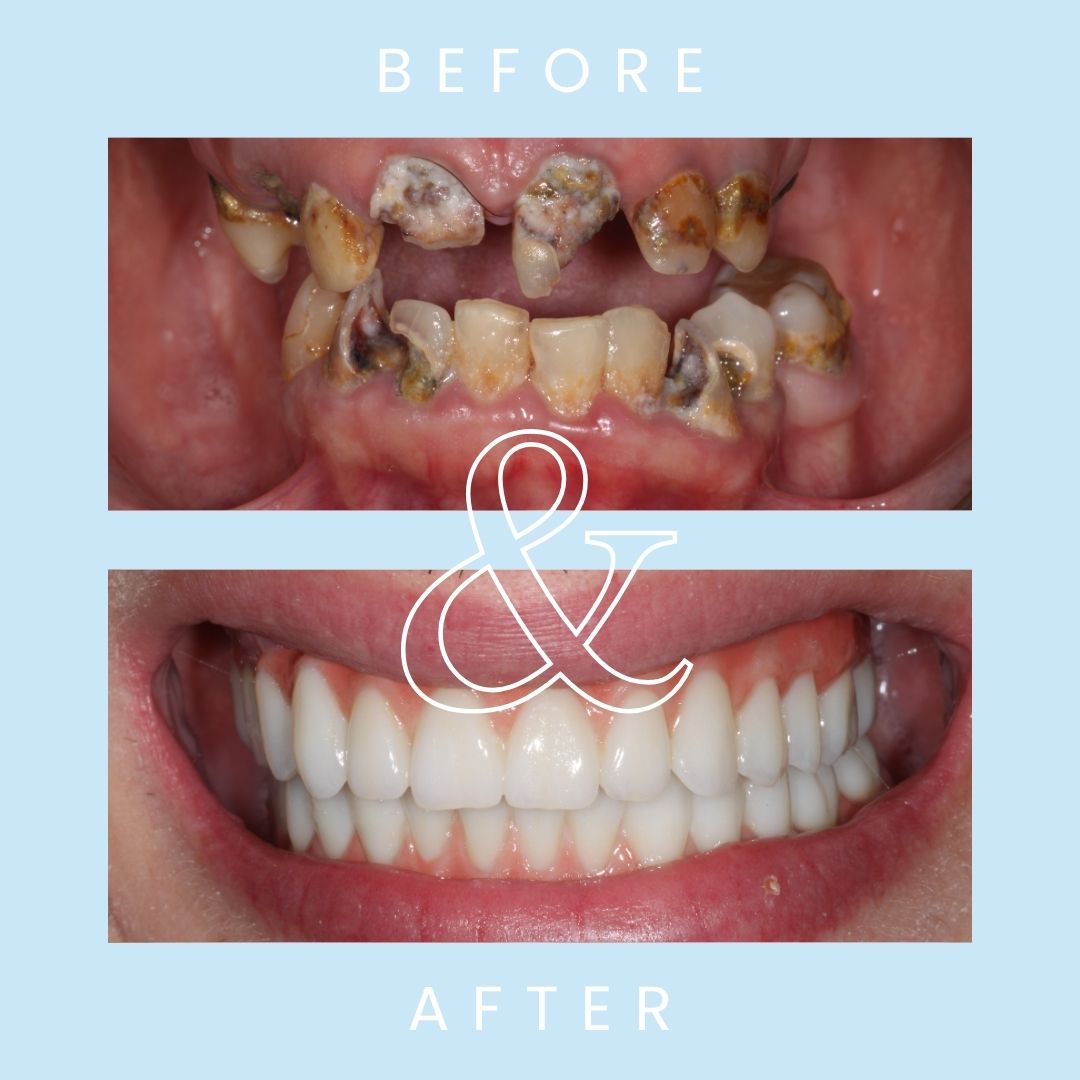
Case Studies or Anonymised Real-World Examples
Many patients report significant improvements in their quality of life after getting full set dental implants. They can eat their favorite foods again, speak clearly, and smile with confidence. Some patients also report improved self-esteem and a greater sense of well-being.
Common Themes and Satisfaction Points
Common themes in patient testimonials include the natural look and feel of the implants, the improved ability to eat and speak, and the increased confidence and self-esteem. Patients often express satisfaction with the long-term stability and durability of the implants. Also, many patients find that dental tourism in Albania is a much better alternative.
X. Conclusion: Is a Full Set of Dental Implants Right for You?
Cluster Keyword: dental implant consultation, next steps, personalised treatment options
A full set of dental implants can be a life-changing solution for those with extensive tooth loss, providing improved aesthetics, functionality, and long-term oral health. However, it’s important to weigh the pros and cons, consider your individual needs and preferences, and choose the right provider.
If you’re considering full set dental implants, the next step is to schedule a consultation with a qualified dentist. During the consultation, the dentist will assess your oral health, discuss your goals and expectations, and develop a personalised treatment plan. Don’t hesitate to ask questions and express any concerns you may have.
Consider the benefits of traveling to Albania. Albania Dental Implants services can provide a cost-effective solution. Albania Dental Implants Services offer high-quality care at competitive prices. Take the first step towards a confident, healthy smile by exploring your options for full set dental implants.