




Are dental implants worth the money? Many people considering tooth replacement options face this important question. It’s a significant investment, so understanding the value proposition is essential. At Albania Dental Implants, we believe that dental implants, especially when considering options like dental tourism in Albania, can be a worthwhile investment in your long-term oral health and quality of life. This article will explore the cost, benefits, risks, and alternatives to help you make an informed decision.
Understanding the Cost of Dental Implants
The cost of dental implants is a major consideration for many. While the upfront investment might seem high, it’s important to understand what that cost encompasses and how it compares to other tooth replacement solutions.
Cost of dental implants UK
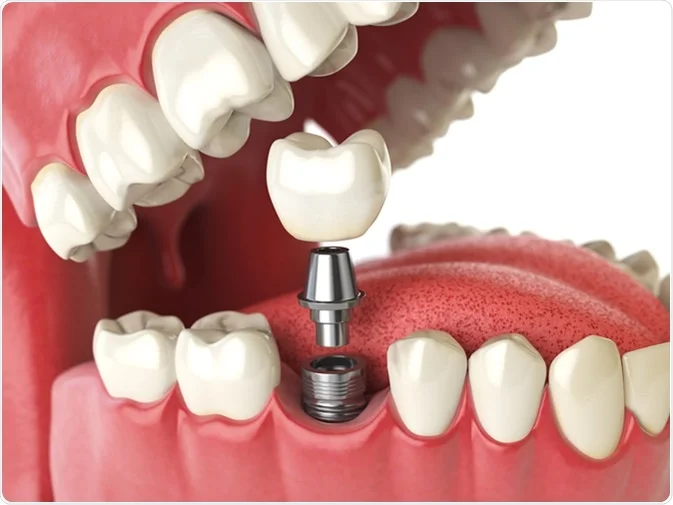
The cost of dental implants in the UK can vary widely depending on several factors. Generally, a single dental implant can range from £2,000 to £4,000 or more. This typically includes the implant itself, the abutment (the connector piece), and the crown (the artificial tooth). However, additional procedures like bone grafting or sinus lifts, which may be necessary for some patients, can increase the overall cost.
Considering options abroad, such as Albania Dental Implants, can significantly reduce the financial burden while maintaining high-quality care. Our modern clinic provides first-class services, including Albania Dental Implants Services at more affordable prices.
What factors influence dental implant prices?
Several factors influence the overall cost of dental implants:
- Number of Implants: More missing teeth require more implants, naturally increasing the cost. Procedures like all on 4 dental implants in Albania can provide full arch restoration with fewer implants, potentially reducing costs.
- Materials Used: The type of implant (titanium, zirconia implants in Albania) and the crown material (porcelain, zirconia) will affect the price.
- Additional Procedures: As mentioned, procedures like bone grafting in Albania or sinus lift in Albania can add to the cost.
- Dentist’s Expertise and Location: Experienced implantologists may charge more, and clinics in major cities tend to have higher prices.
- Technology Used: Clinics using advanced technology, such as 3D imaging and CAD/CAM, may have higher fees.
Private vs NHS dental implant costs
Dental implants are rarely available on the NHS, and when they are, it’s usually only in cases of medical necessity, such as after trauma or for congenital defects. In most cases, patients will need to seek private dental care. It’s worth noting that a full mouth reconstruction in Albania at Albania Dental Implants will probably cost less than a single implant privately within the UK.
Private dental implant costs are generally higher than other options like dentures, but they offer a long-term solution with superior aesthetics and functionality.
Benefits of Dental Implants
Beyond the initial cost, it’s crucial to consider the many benefits of dental implants. These benefits can often outweigh the higher upfront investment compared to alternative options.
Why choose dental implants?
Dental implants provide a range of benefits that make them a popular and often preferred tooth replacement solution. Here’s why many people choose dental implants:
- Durability and Longevity: With proper care, dental implants can last a lifetime, making them a cost-effective long-term solution.
- Natural Look and Feel: Implants are designed to look, feel, and function like natural teeth, restoring your smile and confidence.
- Improved Oral Health: Unlike bridges, implants don’t require altering adjacent teeth, preserving more of your natural tooth structure.
- Enhanced Chewing Ability: Implants provide a stable base for chewing, allowing you to enjoy all types of food without discomfort.
- Bone Preservation: Implants stimulate bone growth, preventing bone loss that can occur with missing teeth or dentures.
- Improved Speech: Unlike dentures, implants won’t slip or move, allowing you to speak clearly and confidently.
Functional and aesthetic benefits
The functional benefits of dental implants are significant. They restore your ability to chew properly, which is essential for digestion and overall health. You’ll be able to enjoy a varied diet without the limitations imposed by dentures or missing teeth. A hollywood smile in Albania can be more achievable through dental implants.
Aesthetically, dental implants offer a natural-looking solution. The crowns are custom-made to match the color, shape, and size of your existing teeth, creating a seamless and beautiful smile. Many of our patients also opt for cosmetic dentistry in Albania, taking advantage of more affordable packages.
Dental implant longevity and durability
Longevity is a key factor when considering dental implants. How long do dental implants last? With proper care, they can last for decades or even a lifetime. This makes them a durable and cost-effective solution in the long run. Factors affecting longevity include oral hygiene, lifestyle habits (smoking), and regular dental check-ups. At Albania Dental Implants, we provide detailed aftercare instructions to ensure the longevity of your implants.
Dental Implants vs. Alternatives
When exploring tooth replacement options, it’s important to compare dental implants with alternatives like dentures and bridges. Each option has its own set of advantages and disadvantages, and the best choice depends on your individual needs and circumstances.
Are implants better than dentures?
Many patients ask, “Are implants better than dentures?” While dentures are a more affordable initial option, implants offer several advantages over the long term. Implants are more stable, comfortable, and natural-looking. They also help preserve bone density in the jaw, preventing the sunken facial appearance that can occur with long-term denture use. Implants eliminate the need for adhesives and prevent the slipping or movement that can be embarrassing with dentures.
Dental bridges vs implants: cost and outcomes
Dental bridges are another common tooth replacement option. A dental bridge involves placing a false tooth between two crowns that are attached to adjacent teeth. While bridges are less expensive than implants upfront, they require altering the adjacent teeth, which can weaken them over time. Dental bridges typically last 5-10 years, while dental implants can last a lifetime with proper care.
In terms of outcomes, implants offer superior aesthetics, functionality, and long-term oral health benefits compared to dental bridges.
Alternatives to dental implants
If dental implants aren’t the right choice for you, there are other alternatives to consider:
- Dentures: Removable appliances that replace missing teeth. They are a more affordable option but can be less stable and comfortable than implants.
- Dental Bridges: Fixed appliances that bridge the gap between missing teeth. They require altering adjacent teeth and have a shorter lifespan than implants.
- Implant-Supported Dentures: Dentures that are anchored to dental implants for added stability and support.
The best alternative depends on your individual needs, budget, and oral health. If you don’t have enough bone for dental implants, there are options for bone augmentation. Be sure to consult with your dentist to determine the most suitable solution for you.
Risks and Considerations of Dental Implants
Like any surgical procedure, dental implants come with potential risks and considerations. It’s important to be aware of these before making a decision.
Potential complications and risks
While dental implants have a high success rate, potential complications can occur:
- Infection: Infection at the implant site is a risk, but it can be minimized with proper oral hygiene and antibiotic use.
- Nerve Damage: Nerve damage can occur during implant placement, leading to numbness or tingling in the gums, lips, or chin.
- Sinus Problems: Upper implants can sometimes protrude into the sinus cavity, causing sinus problems. This may necessitate a sinus lift.
- Implant Failure: In rare cases, the implant may not fuse properly with the bone, leading to implant failure.
Choosing an experienced and qualified implantologist can minimize these risks. At Albania Dental Implants, our skilled dental professionals prioritize patient safety and use advanced techniques to reduce the likelihood of complications.
Candidacy and suitability for dental implants
Not everyone is a suitable candidate for dental implants. Factors that can affect candidacy include:
- Bone Density: Sufficient bone density is necessary to support the implant. Bone grafting may be required if bone density is inadequate.
- Overall Health: Certain medical conditions, such as uncontrolled diabetes or autoimmune diseases, can affect implant success.
- Smoking: Smoking can impair healing and increase the risk of implant failure.
- Oral Hygiene: Good oral hygiene is essential for preventing infection and maintaining implant health.
Your dentist will conduct a thorough evaluation to determine if you are a suitable candidate for dental implants.
Dental implant maintenance and aftercare
Proper maintenance and aftercare are crucial for the long-term success of dental implants:
- Good Oral Hygiene: Brush and floss regularly to remove plaque and bacteria from around the implant.
- Regular Dental Check-ups: Visit your dentist for regular check-ups and cleanings to monitor implant health.
- Avoid Smoking: Smoking can impair healing and increase the risk of implant failure.
- Use a Soft-Bristled Toothbrush: Use a soft-bristled toothbrush to avoid scratching the implant surface.
- Consider a Water Flosser: A water flosser can help remove food particles and bacteria from hard-to-reach areas around the implant.
Following these guidelines will help ensure the longevity and success of your dental implants.
Are Dental Implants a Good Investment?
Considering the long-term costs and benefits is essential in determining whether dental implants are a good investment for you.
Long-term savings vs other options
While the initial cost of dental implants may be higher than alternatives like dentures or bridges, the long-term savings can be significant. Dental implants can last a lifetime with proper care, eliminating the need for frequent replacements or repairs. Dentures and bridges, on the other hand, typically need to be replaced every 5-10 years, incurring additional costs over time. Considering the long term, a single set of teeth in Albania, with frequent check ups back in the UK is extremely cost effective.
Additionally, dental implants can prevent bone loss, which can lead to further dental problems and expenses in the future.
Patient satisfaction and real experiences
Patient satisfaction with dental implants is generally very high. Many patients report improved quality of life, increased confidence, and the ability to enjoy a wider range of foods. Real experiences from patients highlight the transformative impact of dental implants on their oral health and overall well-being. You can read Albania Dental Implants Reviews to see what our patients have to say.
While there are potential downsides, many people feel the benefits outweigh any inconveniences.
When are dental implants NOT worth it?
There are certain situations where dental implants may not be the best option:
- Significant Health Issues: If you have uncontrolled diabetes, certain autoimmune diseases, or other serious health problems, the risks associated with dental implants may outweigh the benefits.
- Severe Bone Loss: If you have severe bone loss in the jaw, bone grafting may not be sufficient to support dental implants.
- Financial Constraints: If you cannot afford dental implants, more affordable options like dentures or bridges may be more suitable.
In these cases, it’s important to discuss alternatives with your dentist to find the best solution for your individual needs.
Financing and Affordability
The cost of dental implants can be a significant barrier for many people. However, there are financing options available to make this treatment more accessible.
Dental implant financing options
Several financing options can help make dental implants more affordable:
- Dental Insurance: Some dental insurance plans may cover a portion of the cost of dental implants.
- Payment Plans: Many dental clinics offer payment plans that allow you to spread the cost of treatment over time.
- Medical Credit Cards: Medical credit cards, such as CareCredit, offer low-interest financing for medical and dental procedures.
- Personal Loans: Personal loans from banks or credit unions can be used to finance dental implants.
Exploring these options can help you find a financing plan that fits your budget. You can learn more about your options for affordable dental implants in the UK.
Are dental implants covered by insurance or NHS?
Are dental implants covered by insurance or NHS? As mentioned earlier, dental implants are rarely covered by the NHS unless there is a medical necessity. Some dental insurance plans may cover a portion of the cost, but coverage varies widely. It’s important to check with your insurance provider to determine your specific benefits. When considering dental tourism Albania, do remember to account for travel and lodging expenses.
Frequently Asked Questions About Dental Implants
Here are some frequently asked questions about dental implants to provide further clarity.
Are dental implants worth the money in the UK?
In the UK, are dental implants worth the money? Given the long-term benefits, improved quality of life, and natural look and feel, many people find dental implants to be a worthwhile investment. However, it’s important to consider your individual needs, budget, and oral health when making a decision.
How long do dental implants last?
How long do dental implants last? With proper care, dental implants can last for decades or even a lifetime. Factors that affect longevity include oral hygiene, lifestyle habits (smoking), and regular dental check-ups. Many people ask this key question.
What are the pros and cons of dental implants?
Dental implants offer numerous advantages, including durability, natural look and feel, improved oral health, and enhanced chewing ability. However, they also come with potential risks, such as infection, nerve damage, and implant failure. The cost can also be a significant barrier for some people. Consider these pros and cons before deciding.
How much do dental implants cost in the UK?
How much do dental implants cost in the UK? The cost of a single dental implant in the UK can range from £2,000 to £4,000 or more, depending on various factors. Additional procedures like bone grafting can increase the overall cost.
Are there risks involved with dental implants?
Yes, there are risks involved with dental implants, such as infection, nerve damage, and implant failure. However, these risks can be minimized by choosing an experienced and qualified implantologist and following proper aftercare instructions.
Who is not suitable for dental implants?
People with certain medical conditions (uncontrolled diabetes, autoimmune diseases), severe bone loss, or those who smoke may not be suitable candidates for dental implants.
Is it cheaper to get dental implants abroad?
Yes, it is often cheaper to get dental implants abroad, particularly in countries like Albania or Turkey. However, it’s important to choose a reputable clinic with qualified professionals and to consider travel expenses when comparing costs. What is the cheapest country to get dental implants?
Do NHS patients get dental implants?
Dental implants are rarely available on the NHS, and when they are, it’s usually only in cases of medical necessity. Most patients will need to seek private dental care.
Are implants better than bridges or dentures?
In many ways, implants are better than bridges or dentures due to their stability, longevity, and bone-preserving qualities. However, the best option depends on individual needs and circumstances.
How can I finance my dental implants?
You can finance your dental implants through dental insurance, payment plans, medical credit cards, or personal loans.
What maintenance do dental implants require?
Dental implants require regular brushing, flossing, and dental check-ups to maintain their health and longevity. Avoiding smoking and using a soft-bristled toothbrush are also important.
Conclusion
Ultimately, determining if dental implants are worth the money depends on your individual circumstances, priorities, and budget. While the upfront cost can be significant, the long-term benefits, improved quality of life, and natural look and feel make them a worthwhile investment for many people. At Albania Dental Implants, we strive to provide high-quality, affordable dental implant solutions to help you achieve a healthy and confident smile.
Ready to explore your options? Contact Albania Dental Implants today to schedule a consultation and discover how we can help you achieve the smile of your dreams! Visit our contact Albania Dental Implants page to get in touch.