



Implants on NHS – What You Need to Know
Implants on NHS are a topic of growing interest for patients seeking dental and medical solutions in the UK. This guide explores eligibility, procedures, alternatives, costs, waiting times, and answers key questions about getting implants through the NHS. For those finding NHS options limited, we’ll also explore alternatives such as dental tourism in Albania, where high-quality dental care is available at a more affordable price.
Who Qualifies for Implants on NHS?
NHS dental implants eligibility, who qualifies, patient criteria are all important aspects to consider. Getting dental implants on the NHS is not straightforward. The NHS operates under strict guidelines, prioritizing treatment based on medical need rather than cosmetic desires. This means that only a small percentage of the population qualifies for implant treatment.
Strict Eligibility for NHS Dental Implants
The primary factor determining eligibility is medical necessity. The NHS will typically only consider funding dental implants in cases where tooth loss is a direct result of trauma, congenital disabilities, or necessary cancer treatment. These cases must significantly impact a patient’s quality of life and ability to function normally.
The NHS rarely offers implants for cosmetic reasons, focusing instead on restoring essential functions like eating and speaking. If your tooth loss is due to decay or gum disease, it’s unlikely the NHS will cover the cost of implants. In these situations, patients often explore other options, including private dental care or even Albania Dental Implants, where high-quality dental treatments are available at more affordable rates.
Examples of Qualifying Conditions
Here are a few examples of conditions that might qualify you for implants on the NHS:
- Trauma: Significant facial trauma resulting in tooth loss.
- Congenital disabilities: Genetic conditions that cause missing teeth (e.g., hypodontia).
- Cancer treatment: Tooth loss as a direct consequence of cancer surgery or radiation therapy.
Even with these conditions, approval isn’t guaranteed. Each case is assessed individually, and the NHS must determine that implants are the most appropriate and cost-effective solution. If NHS options are limited, exploring cost of dental implants in Albania could be an alternative option to consider.
What Types of Implants are Available on the NHS?
Types of implants on NHS, NHS coverage, medical vs dental implants are crucial distinctions. The availability of different types of implants on the NHS varies significantly depending on whether you’re referring to dental or medical implants.
Dental Implants: Very Limited Access
Access to dental implants on the NHS is extremely limited. When offered, the NHS typically provides standard titanium implants, which are a well-established and reliable option. However, more advanced or specialized implant types, like zirconia implants in Albania, are generally not available through the NHS. Patients seeking these options usually need to pursue private dental care.
The NHS coverage for dental implant surgery is often restricted to essential procedures aimed at restoring basic function. Cosmetic enhancements or advanced techniques are typically not included. This means that if you’re looking for a specific type of implant or a more aesthetic outcome, you’ll likely need to consider private alternatives.
Medical Implants: Broader Coverage
Medical implants, such as hip replacements or cochlear implants, have much broader coverage on the NHS. These implants are often considered medically necessary to restore essential bodily functions and improve quality of life.
Examples of medical implants commonly available on the NHS include:
- Hip and knee replacements
- Cochlear implants (for hearing)
- Cardiac pacemakers and defibrillators
The NHS provides these implants based on clinical need and eligibility criteria. Unlike dental implants, which are often viewed as a lower priority, medical implants are typically covered when deemed essential for a patient’s health and well-being.
Restrictions and Exclusions
Even for medical implants, there can be restrictions and exclusions. Certain types of implants or advanced technologies may not be readily available on the NHS due to cost constraints or limited resources. Patients may also face waiting times, depending on the demand for specific procedures and the availability of specialists.
It’s important to discuss your options with your GP or specialist to understand what implants are available on the NHS and whether you meet the eligibility criteria. If you’re seeking more advanced or specialized implants, you may need to explore private healthcare options.
NHS Implants vs Private Implants: Key Differences
NHS vs private implants, benefits, drawbacks are important to understand. When it comes to dental implants, choosing between the NHS and private options involves weighing several factors, including cost, quality, choice, and waiting times.
Cost Comparison
The most significant difference between NHS and private implants is the cost. NHS dental treatment is subsidized, making it more affordable than private care. However, as mentioned earlier, access to dental implants on the NHS is very limited, and you must meet strict eligibility criteria to qualify.
- NHS: If eligible, you’ll typically pay a standard NHS banding charge, which covers the cost of the procedure.
- Private: Private dental implants can be significantly more expensive, with costs varying depending on the clinic, implant type, and complexity of the case.
However, many patients find the lower costs abroad, such as seeking dental implants in Albania, to be a worthwhile option.
Quality Expectation
While the NHS provides quality care, private dental clinics often offer a wider range of implant options and advanced technologies. Private dentists may also have more experience with complex cases and be able to provide a more personalized treatment plan.
- NHS: Standard titanium implants are typically used, and the focus is on restoring basic function.
- Private: A wider variety of implant materials, sizes, and designs are available, allowing for a more tailored approach.
It’s important to research the qualifications and experience of the dental professionals providing your treatment, whether you choose the NHS or private route.
Choice and Waiting Times
One of the biggest drawbacks of seeking dental implants on the NHS is the limited choice and long waiting times. Due to high demand and limited resources, patients may have to wait several months or even years for treatment.
- NHS: Limited choice of implant types and potentially long waiting times.
- Private: Greater choice of implant options and shorter waiting times, but at a higher cost.
Private dental clinics can usually offer appointments much sooner, allowing you to start your treatment without delay. They also have more flexibility in scheduling and can accommodate your preferences.
If the NHS waiting times are too long, consider contact Albania Dental Implants to discuss the options.
How Much Do Implants on NHS Cost?
Costs for implants on NHS, Band 3 dental charges, free NHS treatment criteria are the key factors influencing the final price. Understanding the costs associated with NHS dental treatment can be confusing, as it operates on a banding system with different charges for various procedures.
NHS Banding System
The NHS uses a three-band system to determine the cost of dental treatment:
- Band 1 (£26.80): Includes examinations, diagnosis, advice, and preventative care (e.g., fluoride varnish).
- Band 2 (£73.50): Covers everything in Band 1, plus additional treatments like fillings, root canal work, and extractions.
- Band 3 (£319.10): Includes everything in Bands 1 and 2, as well as more complex procedures like crowns, dentures, and bridges.
Dental implants typically fall under Band 3, but as previously mentioned, they are rarely available on the NHS. If you do qualify for implants, you’ll likely pay the Band 3 charge. This price can change so please check. But, it is still far more affordable than private treatment. The cost can be a significant barrier.
What’s Free and What’s Not
Certain groups of people are entitled to free NHS dental treatment. These include:
- Children under 18
- Pregnant women and women who have had a baby in the last 12 months
- People receiving certain benefits, such as Income Support, income-based Jobseeker’s Allowance, income-related Employment and Support Allowance, or Universal Credit (if you meet specific criteria)
However, even if you’re eligible for free treatment, it’s unlikely to include dental implants unless you meet the strict medical necessity criteria.
Private Implant Costs for Comparison
To put the NHS costs into perspective, here’s a comparison with private implant costs:
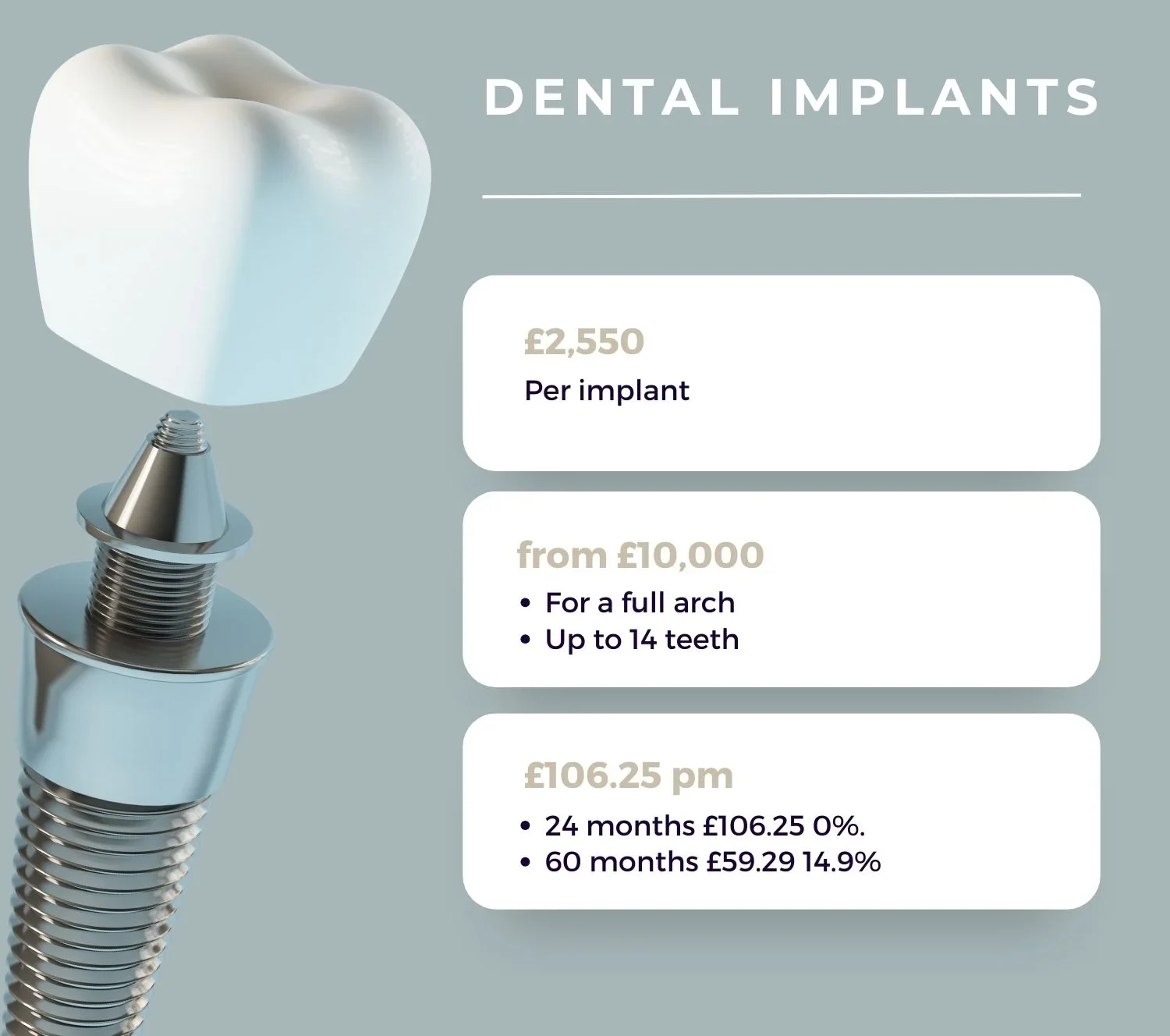
- Single dental implant (private): £2,000 – £4,000
- All-on-4 dental implants (private): £8,000 – £15,000 per arch
- Full mouth dental implants (private): £15,000 – £30,000
As you can see, private dental implants can be a significant investment. This is why some people are now seeking treatment abroad, such as dental tourism in Albania, where costs are considerably lower.
How to Apply for NHS Implants?
How to get dental implants on nhs, application process are questions often asked. Navigating the process of applying for NHS implants can be complex, as it involves several steps and requires meeting specific eligibility criteria.
GP/Dentist Referral
The first step is to consult with your GP or dentist. They will assess your oral health and determine whether you meet the criteria for NHS-funded implants. If they believe you have a valid case, they will refer you to a specialist for further evaluation.
It’s important to note that a referral doesn’t guarantee approval. The specialist will need to conduct their own assessment and determine whether implants are the most appropriate treatment option for your condition. They will also consider the availability of resources and the overall cost-effectiveness of the procedure.
Regional/NHS Trust Differences
The availability of NHS-funded implants can vary depending on your region and local NHS Trust. Some Trusts may have more resources and be more willing to fund implant treatment, while others may have stricter criteria or longer waiting times.
It’s worth researching the policies of your local NHS Trust and understanding the specific requirements for implant approval. You can usually find this information on the Trust’s website or by contacting their patient services department.
Typical Patient Journey
Here’s a typical patient journey for someone seeking NHS implants:
- Initial consultation: Discuss your concerns with your GP or dentist.
- Referral: If eligible, you’ll be referred to a specialist.
- Specialist assessment: The specialist will evaluate your case and determine whether implants are appropriate.
- Approval process: If the specialist recommends implants, they will submit a funding request to the NHS Trust.
- Waiting time: If approved, you’ll be placed on a waiting list for treatment.
- Implant procedure: Once your turn comes, you’ll undergo the implant surgery and restoration.
The entire process can take several months or even years, so it’s important to be patient and persistent. If the waiting times are too long or you don’t meet the eligibility criteria, you may want to consider private alternatives, such as about Albania Dental Implants, to explore the option of affordable, high-quality dental care abroad.
Alternatives to Implants on the NHS
Alternatives to dental implants on NHS, NHS prosthetics are common solutions. If you’re not eligible for dental implants on the NHS, or if the waiting times are too long, there are several alternative treatment options available.
Bridges, Dentures, Other Prosthetics
The NHS provides traditional bridges and dentures as alternatives to implants. These options are more readily available and can effectively restore your smile and chewing function.
- Bridges: A bridge involves attaching a false tooth to the adjacent teeth, filling the gap left by a missing tooth.
- Dentures: Dentures are removable appliances that replace missing teeth and surrounding tissues.
While bridges and dentures are more affordable than implants, they have some limitations. Bridges require altering the adjacent teeth, which can weaken them over time. Dentures can be uncomfortable, and can sometimes move when eating and speaking.
Pros and Cons of Each
Here’s a comparison of the pros and cons of bridges and dentures:
Bridges
- Pros: Fixed in place, more stable than dentures, natural-looking.
- Cons: Requires altering adjacent teeth, may not last as long as implants, can be more difficult to clean.
Dentures
- Pros: More affordable than implants, non-invasive, can replace multiple missing teeth.
- Cons: Removable, can be uncomfortable, may affect speech and taste, require regular adjustments.
Patients seeking a more permanent and stable solution may find bridges and dentures unsuitable. In these cases, private dental implants or affordable options like dental clinic in Albania may be worth exploring.
NHS Implant Waiting Times and Regional Availability
NHS implant waiting times, regional differences, priority cases. Waiting times for NHS dental implants can vary significantly depending on several factors, including your location and the specific NHS Trust in your area. In some regions, the waiting list may be relatively short, while in others, it can take several months or even years to receive treatment.
Variation by Trust/Region
The availability of funding for dental implants also varies by NHS Trust. Some Trusts may prioritize implant treatment for certain conditions, while others may have stricter eligibility criteria or limited resources.
This means that your chances of getting NHS implants can depend on where you live. Patients in areas with greater funding and a more favorable approach to implant treatment may have a better chance of being approved.
Urgent Cases vs Routine Requests
Urgent cases, such as those involving trauma or cancer treatment, are typically given priority over routine requests. If your tooth loss is causing significant pain or functional problems, your case may be expedited. However, even in urgent cases, there can still be waiting times due to the demand for specialist services.
If you’re concerned about the waiting times for NHS implants, it’s important to discuss your options with your dentist or specialist. They may be able to provide more information about the typical waiting times in your area and advise you on whether there are any ways to expedite your treatment.
If NHS waiting times are too long, you may want to consider dental implants in Albania as an alternative, offering quicker access to high-quality dental care.
Success Rates and Aftercare for NHS Implants
Aftercare, success rates, follow-up support. The success rates for dental implants, whether provided by the NHS or private clinics, are generally high. However, proper aftercare and maintenance are essential to ensure the long-term success of your implants.
Expectations, Maintenance, NHS Support Post-Op
The NHS provides post-operative support and advice to patients who have received dental implants. This includes guidance on oral hygiene, diet, and follow-up appointments to monitor the health of your implants.
It’s important to follow the instructions provided by your dental team and attend all scheduled appointments. Proper maintenance, including regular brushing, flossing, and professional cleanings, is crucial for preventing complications and ensuring the longevity of your implants.
If you experience any problems with your implants, such as pain, swelling, or loosening, it’s important to contact your dentist or specialist as soon as possible. Early intervention can often prevent more serious issues and ensure the continued success of your treatment.
For those who may need additional support or are seeking lower cost maintenance check the option of dental tourism in Albania may be worth considering.
QUESTIONS – Must-Answer FAQs
Are dental implants available on the NHS for everyone?
No, dental implants are not available on the NHS for everyone. Access is limited to cases of medical necessity, such as trauma, congenital disabilities, or cancer treatment. Cosmetic reasons are typically excluded.
Who is eligible for implants on the NHS?
Eligibility is strict and based on medical need. Qualifying conditions include tooth loss due to trauma, congenital disabilities, or as a direct result of cancer treatment. Each case is assessed individually.
What’s the typical waiting time for NHS dental implants?
The waiting time for NHS dental implants can vary significantly depending on your location and the specific NHS Trust. It can range from several months to years due to high demand and limited resources.
How much do NHS implants cost?
If you qualify for NHS dental implants, you’ll typically pay the Band 3 dental charge, which is currently £319.10. This covers the cost of the procedure, but access is limited.
Why does the NHS rarely offer implants for cosmetic reasons?
The NHS prioritizes treatment based on medical need and available resources. Cosmetic dental procedures are generally not considered a priority, as the focus is on restoring essential functions and addressing urgent health issues.
What alternatives does the NHS provide if I’m not eligible for implants?
If you’re not eligible for implants, the NHS typically provides traditional bridges and dentures as alternatives. These options are more readily available and can effectively restore your smile and chewing function.
What’s the difference between medical and dental implants on the NHS?
Medical implants (e.g., hip replacements, cochlear implants) have broader coverage on the NHS because they are considered medically necessary to restore essential bodily functions. Dental implants have very limited access and are only provided in specific cases of medical need.
How do I apply for implants on the NHS?
The first step is to consult with your GP or dentist, who will assess your eligibility and refer you to a specialist if appropriate. The specialist will then evaluate your case and submit a funding request to the NHS Trust.
What aftercare does the NHS provide for implants?
The NHS provides post-operative support and advice, including guidance on oral hygiene, diet, and follow-up appointments to monitor the health of your implants. Proper maintenance is crucial for long-term success.
Can I get medical implants, like hip replacements, on the NHS?
Yes, medical implants like hip replacements are commonly available on the NHS when deemed medically necessary to restore essential bodily functions and improve quality of life.
Are NHS implants as good as private implants?
While the NHS provides quality care, private dental clinics often offer a wider range of implant options and advanced technologies. Private dentists may also have more experience with complex cases and be able to provide a more personalized treatment plan.
Does region affect my chances of getting implants on the NHS?
Yes, the availability of NHS-funded implants can vary depending on your region and local NHS Trust. Some Trusts may have more resources and be more willing to fund implant treatment, while others may have stricter criteria or longer waiting times.
Considering Albania Dental Implants as an Alternative
Given the limitations of obtaining dental implants on the NHS, many UK residents are turning to dental tourism, particularly to Albania, as a viable alternative. Albania Dental Implants offers high-quality dental care at significantly lower costs than in the UK. This can be a particularly attractive option for those who do not qualify for NHS funding or face lengthy waiting times.
Here are some benefits of choosing Albania Dental Implants:
- Cost Savings: Dental treatments in Albania can be significantly more affordable than in the UK, allowing you to save money on essential procedures.
- Quality of Care: Albania boasts skilled and experienced dental professionals who use modern techniques and high-quality materials.
- Shorter Waiting Times: Unlike the NHS, Albania Dental Implants can offer quicker appointments and treatment schedules.
- Comprehensive Services: From single implants to full mouth reconstructions, Albania Dental Implants provides a wide range of services tailored to your needs.
Conclusion
While implants on NHS can be a viable option for a select few, strict eligibility criteria and long waiting times often present significant barriers. If you’re facing tooth loss and seeking a permanent solution, it’s essential to explore all available avenues. For many, private dental care, including options like Albania Dental Implants, provides a faster, more accessible, and often more affordable path to restoring their smile and confidence.
Ready to explore your options for dental implants? Contact Albania Dental Implants today for a free consultation and discover how we can help you achieve a healthy, beautiful smile!





