



Dental Implants on the NHS: Your Guide to Eligibility and Options
Dental implants on the NHS can be a life-changing solution for those suffering from tooth loss, but navigating the system to determine eligibility and understand the process can be challenging. This guide provides a comprehensive overview of accessing dental implants through the NHS, exploring eligibility criteria, costs, waiting times, and alternatives, while also presenting an affordable option with Albania Dental Implants.
Who Qualifies for NHS Dental Implants?
Understanding NHS dental implants eligibility is the first step. While the NHS aims to provide necessary dental care, NHS funding for dental implants is limited and reserved for specific cases. Who qualifies for NHS dental implants is determined by strict criteria focusing on medical necessity rather than cosmetic concerns.
Medical Necessity and Exceptional Clinical Needs
To be considered for NHS dental implants, you must demonstrate a clear medical need. This typically includes situations where tooth loss significantly impacts your overall health and well-being. Examples include:
- Congenital defects: Individuals born with missing teeth (hypodontia) or other significant dental abnormalities.
- Trauma: Patients who have lost teeth due to accidents or injuries.
- Cancer treatment: Individuals who have lost teeth as a result of cancer surgery or radiation therapy.
- Severe medical conditions: Cases where tooth loss exacerbates existing medical conditions.
The NHS prioritizes cases where implants are essential for restoring function, such as chewing and speech, rather than solely for aesthetic improvement. The decision to provide dental implants is made on a case-by-case basis, considering the patient’s overall health and the potential benefits of the treatment.
How Much Do NHS Dental Implants Cost?
The NHS dental implant cost structure is different from private dental care. If you are eligible for NHS implants, you will typically pay a fixed charge based on the complexity of the treatment. Understanding the costs involved is crucial for making informed decisions about your dental care.
NHS Dental Implant Cost Structure (Band 3 Charges)
NHS dental treatments are categorized into different bands, each with a set price. Dental implants usually fall under Band 3, which covers more complex procedures. As of 2024, the Band 3 charge is £319.10 in England. This covers all treatment included in the band. It is important to confirm current pricing with your dentist and be aware that these costs can vary.
Difference Between NHS Costs and Private Clinic Fees
The cost of dental implants on the NHS is significantly lower than in private clinics. The average cost of a single dental implant in a private clinic in the UK can range from £2,500 to £4,000. This disparity highlights the financial advantage of receiving implants through the NHS if you meet the eligibility criteria. However, it’s important to consider the potential waiting times and limited availability associated with NHS treatment. For those seeking more immediate and affordable solutions, exploring options like dental implants in Albania can be a viable alternative.
NHS Dental Implant Process
The process for getting dental implants on the NHS involves several steps, starting with an initial assessment and referral. It is crucial to understand each stage to navigate the system effectively.
Step-by-Step: How to Apply for NHS Implants
- Initial Consultation: Schedule an appointment with your NHS dentist to discuss your concerns and assess your suitability for dental implants.
- Referral: If your dentist believes you meet the criteria for NHS implants, they will refer you to a specialist for further evaluation.
- Assessment: The specialist will conduct a comprehensive assessment of your oral health, medical history, and specific needs to determine if implants are the right treatment option.
- Treatment Plan: If approved, the specialist will develop a detailed treatment plan outlining the implant procedure, timeline, and associated costs.
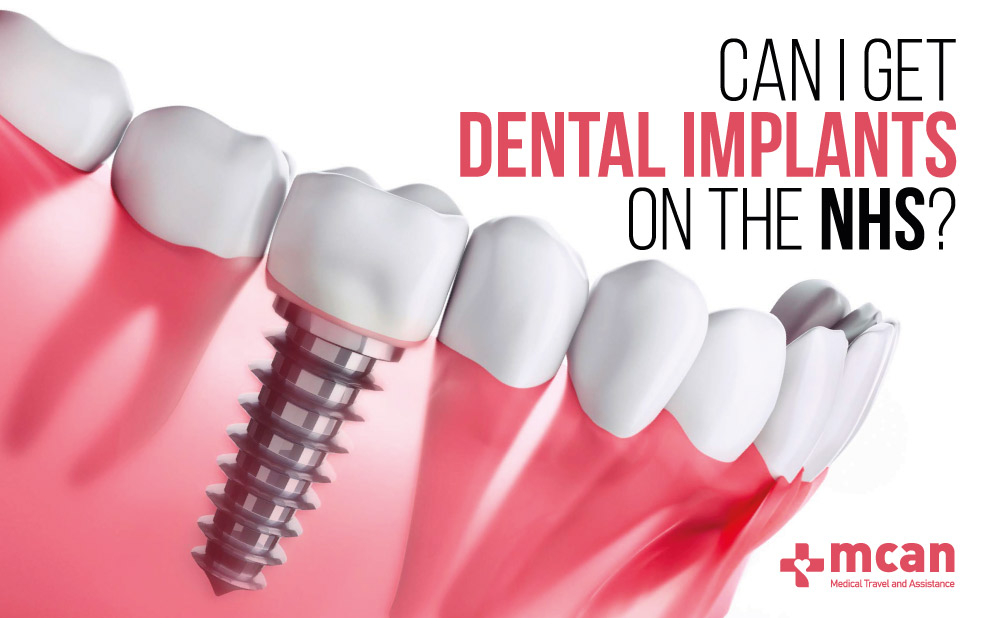
- Implant Placement: The implant procedure involves surgically placing titanium posts into your jawbone to serve as anchors for artificial teeth.
- Osseointegration: This is the process where the implant fuses with your jawbone, typically taking several months.
- Abutment Placement: Once osseointegration is complete, an abutment (connector) is attached to the implant.
- Crown Placement: Finally, a custom-made crown is attached to the abutment, completing the implant procedure.
Referral and Assessment by NHS Dentist
The referral and assessment process is a critical step in determining your eligibility for NHS dental implants. Your NHS dentist will evaluate your oral health and medical history to determine if your case warrants a referral to a specialist. During the assessment, the specialist will consider factors such as the extent of tooth loss, the impact on your oral function, and any underlying medical conditions. They will also assess the health of your jawbone to ensure it can support dental implants. This thorough evaluation helps determine if NHS funding for dental implants is appropriate in your situation.
What Are The Waiting Times for NHS Dental Implants?
NHS dental implant waiting times can be a significant consideration for patients. Due to limited resources and high demand, the waiting list for NHS dental implants can be lengthy. It’s important to be aware of the potential delays and plan accordingly.
Typical NHS Waiting List Durations
The duration of typical NHS waiting list durations for dental implants can vary widely depending on several factors, including the location of the dental practice, the availability of specialists, and the complexity of the case. In some areas, patients may wait several months to a year or more for an initial consultation with a specialist. After the assessment, there may be additional waiting time for the actual implant procedure, depending on the availability of resources and the prioritization of cases. Patients should inquire about estimated waiting times during their initial consultation to manage their expectations.
Factors That Affect Patient Waiting Times
Several factors that affect patient waiting times for NHS dental implants. The availability of funding, the number of specialists in the area, and the complexity of individual cases can all impact how long you wait for treatment. Areas with higher demand and limited resources may experience longer waiting times. Additionally, cases that require extensive pre-implant procedures, such as bone grafting, may also face longer delays. Patients should discuss these factors with their dentist or specialist to get a clearer understanding of the potential waiting time for their specific situation. If you are seeking a faster solution, consider exploring alternatives such as dental tourism in Albania, where treatment may be more readily available.
Who Gets Priority for Dental Implants on the NHS?
Understanding who gets priority for dental implants on the NHS is essential for managing expectations and exploring alternative options if necessary. The NHS prioritizes cases based on clinical need, focusing on patients with the most severe dental problems and those whose quality of life is significantly affected by tooth loss.
Clinical Indications and Priority Groups
The clinical indications and priority groups for NHS dental implants typically include individuals with:
- Significant functional impairment: Patients who have difficulty chewing, speaking, or swallowing due to tooth loss.
- Traumatic injuries: Individuals who have lost teeth as a result of accidents or injuries.
- Congenital conditions: Patients born with missing teeth or severe dental abnormalities.
- Medical conditions: Cases where tooth loss exacerbates existing medical conditions or compromises overall health.
These priority groups are given precedence because dental implants are deemed essential for restoring their oral function and improving their overall well-being. Cosmetic requests are generally not prioritized, as the NHS focuses on addressing medical needs rather than aesthetic desires.
Prosthetic/Medical Needs vs. Cosmetic Requests
The NHS primarily focuses on addressing prosthetic/medical needs vs cosmetic requests. This means that if dental implants are necessary to restore essential functions like chewing and speaking, they are more likely to be considered. Cosmetic requests, such as wanting implants to improve the appearance of your smile, are typically not covered by the NHS. In these cases, individuals may need to explore private dental options. However, for those seeking more affordable solutions, Albania Dental Implants Services offer high-quality treatment at a fraction of the cost.
NHS Dental Implants vs. Private Options
When considering dental implants, understanding the key differences between NHS dental implants vs private options is crucial for making an informed decision. The NHS provides implants under specific circumstances, while private clinics offer a wider range of options and greater flexibility.
Key Differences: Cost, Eligibility, and Treatment Availability
The key differences between NHS and private dental implants lie in cost, eligibility, and treatment availability. NHS implants are typically more affordable but have strict eligibility criteria and longer waiting times. Private clinics offer a broader range of implant types and treatment options, but at a higher cost. Additionally, private clinics often have shorter waiting times and greater flexibility in scheduling appointments. The table below further showcases this
| Factor | NHS Dental Implants | Private Dental Implants |
|---|---|---|
| Cost | Lower, based on NHS band charges | Higher, varies depending on clinic and treatment |
| Eligibility | Strict criteria based on medical necessity | Fewer restrictions, more options for cosmetic reasons |
| Waiting Times | Longer, due to high demand and limited resources | Shorter, more flexibility in scheduling |
| Treatment Availability | Limited to specific cases and implant types | Wider range of implant types and treatment options |
Pros and Cons of Each Route
The pros and cons of each route need careful consideration. NHS dental implants offer cost savings for eligible patients, but the strict criteria and waiting times can be drawbacks. Private dental implants provide greater flexibility and faster treatment, but the higher cost may be a barrier for some individuals. Weighing these factors against your specific needs and circumstances is essential. For those seeking a balance between cost and quality, Albania Dental Implants provide a compelling alternative.
Alternatives if Not Eligible for NHS Dental Implants
If you find yourself not eligible for NHS dental implants, it’s important to know that alternative options are available. These alternatives can provide functional and aesthetic solutions for missing teeth without the high cost of private implants.
Other NHS Dental Treatments (Dentures, Bridges)
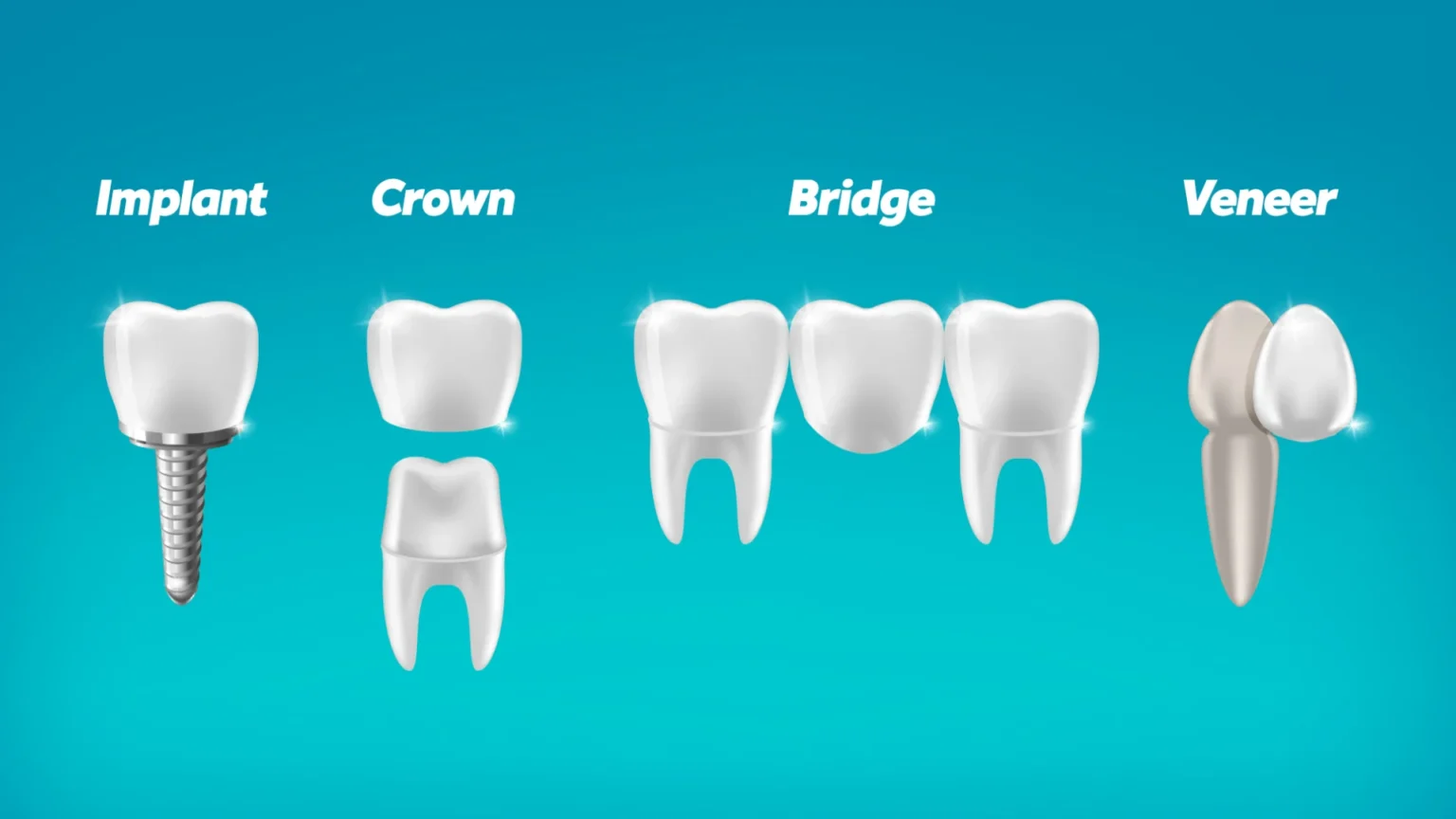
The other NHS dental treatments include dentures and bridges. Dentures are removable appliances that replace missing teeth, while bridges are fixed restorations that span the gap between existing teeth. Both options are more affordable than dental implants and may be suitable for individuals who do not meet the criteria for NHS implants. Dentures are often the cheapest way to replace missing teeth. Your NHS dentist can advise you on the best option based on your specific needs and oral health.
Low-Cost or Finance Options for Private Implants
For those who prefer dental implants but cannot afford private clinic fees, exploring low-cost or finance options for private implants is a viable strategy. Many private dental clinics offer payment plans or financing options to make implants more accessible. Additionally, some individuals consider traveling abroad for dental tourism, where implant costs may be significantly lower. Albania Dental Implants, for example, offers high-quality implants at a fraction of the cost compared to the UK, making it an attractive option for those seeking affordable solutions. For those wondering how to afford dental implants in the UK, exploring these options can make the treatment more attainable.
Frequently Asked Questions About NHS Dental Implants
To provide further clarity, this section addresses some of the most frequently asked questions about NHS dental implants, offering detailed answers to help you make informed decisions about your dental care.
Who is eligible for dental implants on the NHS?
Eligibility for dental implants on the NHS is primarily determined by medical necessity. This means that implants are typically provided to individuals who have lost teeth due to congenital defects, trauma, cancer treatment, or severe medical conditions where tooth loss significantly impacts their overall health and well-being. Cosmetic reasons for wanting implants are generally not covered.
How much do NHS dental implants cost in 2025?
The cost of NHS dental implants in 2025, like in 2024, will likely be based on NHS band charges. As dental implants usually fall under Band 3, you can expect to pay around £319.10 in England as of 2024. It’s important to verify the exact cost with your dentist, as prices can vary.
What is the process to get dental implants on the NHS?
The process to get dental implants on the NHS involves several steps: initial consultation with your NHS dentist, referral to a specialist, comprehensive assessment, development of a treatment plan, implant placement, osseointegration, abutment placement, and finally, crown placement. Each step is carefully evaluated to ensure the treatment aligns with NHS guidelines and your specific needs.
How long is the waiting list for NHS dental implants?
The waiting list for NHS dental implants can vary significantly depending on your location, the availability of specialists, and the complexity of your case. In some areas, you may wait several months to a year or more for an initial consultation. Factors such as funding availability and the prioritization of cases can also impact waiting times.
Can anyone get dental implants for free on the NHS?
Getting dental implants for free on the NHS is rare. Free dental treatment is typically available to individuals who receive certain benefits, such as Income Support or Universal Credit. However, even if you qualify for free dental treatment, access to dental implants is still subject to strict eligibility criteria based on medical necessity.
Are NHS dental implants permanent?
NHS dental implants, like privately provided implants, are designed to be a long-term solution for tooth loss. With proper care and maintenance, they can last for many years, potentially a lifetime. However, the longevity of dental implants depends on factors such as oral hygiene, lifestyle, and overall health.
Why are NHS dental implants only available in limited circumstances?
NHS dental implants are only available in limited circumstances due to funding constraints and the NHS’s focus on providing essential dental care. Implants are typically reserved for cases where they are deemed medically necessary to restore function and improve overall health, rather than for purely cosmetic reasons. As dental implants nhs are not commonly available, you can research alternatives, such as private healthcare, as explained earlier, with prices varying and payment plans offered.
Where can I get dental implants on the NHS?
To find out where can I get dental implants on the NHS, you should start by consulting your regular NHS dentist. If they believe you meet the eligibility criteria, they can refer you to a specialist clinic or dental hospital that provides NHS-funded implants. Availability may vary depending on your location.
What should I do if my NHS dental implant case is refused?
If your NHS dental implant case is refused, you have several options. You can appeal the decision, seek a second opinion from another NHS dentist, or explore private dental options. Additionally, you may consider alternative treatments such as dentures or bridges. For those seeking more affordable solutions, Albania Dental Implants offers high-quality treatment at a fraction of the cost compared to the UK.
What are alternatives to dental implants on the NHS?
The alternatives to dental implants on the NHS include dentures, bridges, and other restorative treatments. Dentures are removable appliances that replace missing teeth, while bridges are fixed restorations that span the gap between existing teeth. Your NHS dentist can advise you on the best alternative based on your specific needs and oral health. What is the best alternative to dental implants? Exploring these options ensures you can find a suitable solution even if NHS implants are not an option.
Considering Dental Implants? Look Beyond the NHS
While dental implants on the NHS can be an option for some, the strict eligibility criteria and long waiting times often lead individuals to seek alternatives. At Albania Dental Implants, we offer a compelling solution: high-quality dental implants at a fraction of the cost compared to the UK. Our state-of-the-art facilities, experienced dental professionals, and affordable prices make us an attractive choice for those seeking to restore their smile and improve their oral health without breaking the bank. If you are asking yourself, can you get dental implants on the NHS?, and the answer is no, think of Albania Dental Implants, where the procedure and dental tourism in Albania are a popular choice. Don’t let the limitations of the NHS prevent you from achieving the smile you deserve. Contact Albania Dental Implants today to learn more about our services and take the first step toward a confident, healthy smile.





