



Implants NHS Dental Charges: What You Need to Know in 2025
Implants NHS dental charges are a frequent concern for patients seeking tooth replacement on the NHS, especially as implant coverage and costs differ from standard NHS dental treatments.
Overview of NHS Dental Implants
Understanding the landscape of NHS dental implants can be confusing. Let’s explore the NHS dental implants cost and eligibility for NHS dental implants.
What are Dental Implants?
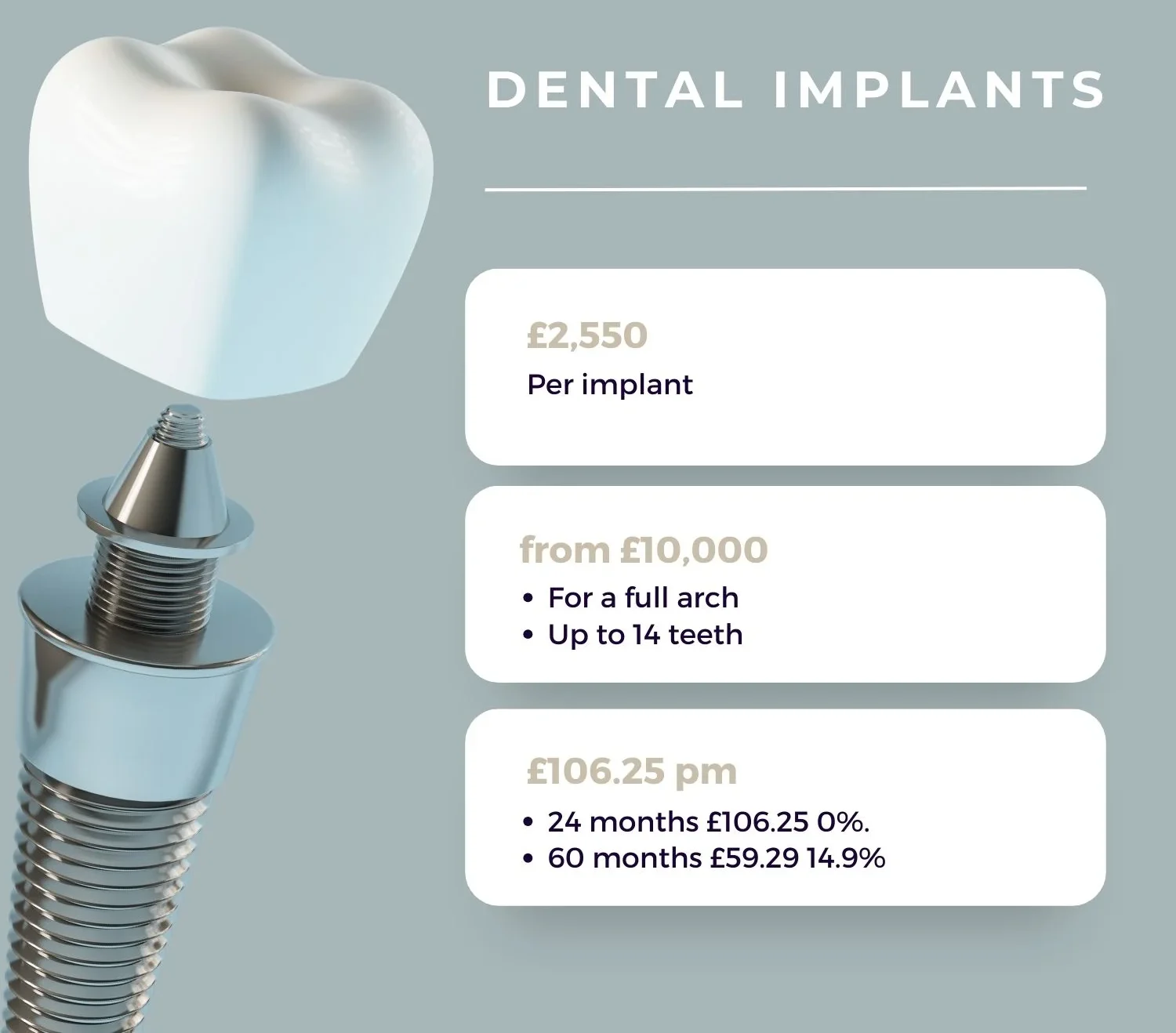
Dental implants are a long-term solution for missing teeth. A titanium post is surgically implanted into the jawbone, acting as a root for a replacement tooth. Once the bone has fused to the implant, a crown is attached, providing a functional and natural-looking result. They are considered the gold standard in tooth replacement due to their durability and stability.
Current NHS Policy on Dental Implant Provision
Currently, the NHS has strict guidelines regarding dental implant provision. Implants are not routinely offered and are typically reserved for cases of significant medical necessity. This includes situations where tooth loss has occurred due to trauma, cancer treatment, or congenital conditions. The policy reflects the limited resources and prioritization of essential dental care within the NHS framework.
Typical Issues Covered by NHS Compared to Private Care
NHS dental care generally focuses on essential treatments like fillings, extractions, and dentures. These are aimed at maintaining basic oral health and relieving pain. Private care, on the other hand, offers a wider range of cosmetic and advanced treatments, including dental implants, orthodontics in Albania, and cosmetic dentistry in Albania. The NHS coverage is often limited to treatments deemed necessary for oral health, while private care allows for more choice and aesthetic enhancements.
How NHS Dental Charges Work (2025 Update)
Navigating NHS dental charges 2025 can be tricky. It’s essential to understand how NHS dental treatment bands apply, particularly when considering advanced treatments like dental implants.
Explanation of NHS Dental Charge Bands
The NHS operates on a banded charge system. As of 2025, there are three main bands:
- Band 1 (£26.80): This covers examinations, diagnosis, and preventative care like scale and polish.
- Band 2 (£73.50): This includes everything in Band 1, plus fillings, root canal treatment, and extractions.
- Band 3 (£319.10): This covers everything in Bands 1 and 2, plus more complex procedures like crowns, dentures, and bridges.
Where (or if) Implants Fit Within These Bands
Unfortunately, dental implants rarely fall within these bands. Due to their higher cost and specialized nature, NHS dental implant cost is not typically covered. In exceptional cases where implants are deemed medically necessary, they may be provided under Band 3, but this is highly selective and subject to strict criteria. For instance, if you are not eligible you can consider dental tourism in Albania.
General Pricing for NHS Treatments in 2025
While implants are unlikely to be covered, it’s helpful to know the general pricing for standard NHS treatments in 2025:
- Examination and basic care: £26.80
- Fillings and extractions: £73.50
- Crowns, dentures, and bridges: £319.10
These charges apply per course of treatment, meaning you’ll pay one charge for all the necessary procedures within that band.
Who Qualifies for NHS Dental Implants?
Gaining NHS funding for dental implants isn’t straightforward. Knowing the eligibility for NHS dental implants and the process of applying for dental implants on NHS is vital.
Criteria for Implant Approval (Medical Necessity, Trauma, Congenital Conditions, etc.)
The NHS primarily approves dental implants based on strict medical necessity. This generally includes:
- Tooth loss due to trauma (e.g., a severe accident).
- Tooth loss as a result of cancer treatment (e.g., radiation therapy affecting the jaw).
- Congenital conditions leading to missing teeth (e.g., ectodermal dysplasia).
In these cases, the implants must be essential for restoring function and quality of life, not simply for cosmetic reasons. Furthermore, if you do not have enough bone, you might need to consider bone grafting in Albania.
The Application/Review Process
The application process typically involves the following steps:
- A referral from your general dentist to a specialist implant dentist.
- A thorough assessment by the specialist, including X-rays and scans.
- Submission of a detailed treatment plan and justification to the NHS for funding approval.
- Review by a panel of NHS dental experts.
Common Reasons for NHS Approval or Refusal
Approval is more likely if the tooth loss severely impacts your ability to eat, speak, or maintain overall health. Refusal is common if the primary reason is cosmetic, if there are alternative treatments available (like dentures), or if your oral hygiene is poor.
NHS Dental Implants vs. Private Treatment
The choice between private vs NHS dental implants is a significant one, especially when considering how much do dental implants cost UK. Here’s a breakdown to help you make an informed decision.
Comparison of Cost, Waiting Times, Eligibility, Procedures
- Cost: NHS implants, if approved, are significantly cheaper due to subsidized costs. Private implants can range from £2,000 to £4,000 per implant.
- Waiting Times: NHS waiting lists can be extensive, often stretching several months or even years. Private treatment offers quicker access.
- Eligibility: NHS has strict criteria, focusing on medical necessity. Private care is available to anyone who is medically suitable.
- Procedures: The actual implant procedure is similar in both NHS and private settings, but private clinics may offer a wider range of implant types and techniques.
Why Most Implants in the UK are Private
Most dental implants in the UK are performed privately due to the limited availability and strict eligibility criteria on the NHS. The demand for implants exceeds the NHS resources, leading many people to seek private options.
Average Private Dental Implant Costs
The average cost of a single dental implant in the UK ranges from £2,000 to £4,000. This price typically includes the implant itself, the abutment (connector), and the crown (replacement tooth). Additional costs may arise for bone grafting or other preparatory procedures. However, if this is too expensive, you can look into the cost of dental implants in Albania.
Alternatives to NHS Dental Implants
If NHS dental implants aren’t an option, it’s crucial to explore alternatives to NHS dental implants and understand NHS dental funding for these options.
Dentures and Bridges as Alternatives
Dentures and bridges are common alternatives to dental implants for replacing missing teeth:
- Dentures: Removable appliances that replace multiple missing teeth. They can be full or partial, depending on the number of missing teeth.
- Bridges: Fixed appliances that attach to adjacent teeth to fill the gap left by a missing tooth.
Coverage for Alternative Treatments Under the NHS
The NHS generally covers dentures and bridges under Band 3 charges (£319.10). These options are more readily available than implants, making them a viable choice for many patients.
When Alternatives are Recommended
Dentures or bridges are often recommended when:
- You do not meet the strict eligibility criteria for NHS implants.
- You are looking for a more affordable solution.
- You have medical conditions that make implant surgery risky.
Frequently Asked Questions about Implants NHS Dental Charges
Understanding the nuances of implants NHS dental charges can be challenging. Here are some frequently asked questions to clarify the process and your options.
Can anyone get dental implants on the NHS?
No, access to dental implants on the NHS is limited. Implants are typically reserved for patients with significant medical needs, such as those who have lost teeth due to trauma, cancer treatment, or congenital conditions. Cosmetic reasons are not typically covered.
What does each NHS dental band include?
The NHS dental bands include:
- Band 1 (£26.80): Examinations, diagnosis, and preventative care.
- Band 2 (£73.50): Everything in Band 1, plus fillings, root canal treatment, and extractions.
- Band 3 (£319.10): Everything in Bands 1 and 2, plus crowns, dentures, and bridges.
Dental implants generally fall outside these bands, except in rare cases of medical necessity.
Are there any hidden costs for NHS dental implants?
If you qualify for NHS dental implants, the costs should be transparent and fall within the Band 3 charge. However, it’s crucial to confirm with your dentist what is included in the treatment plan to avoid any unexpected charges.
How long is the waiting list for NHS implants?
Waiting lists for NHS implants can be extensive, often ranging from several months to over a year, depending on the availability of specialists and funding in your area.
Do NHS charges cover bone grafts or preparatory surgery?
Whether NHS charges cover bone grafts or preparatory surgery depends on the specific case and the NHS trust’s policies. It’s essential to clarify with your dentist whether these procedures are included in the approved treatment plan.
What are my options if NHS refuses?
If the NHS refuses to fund your dental implants, you have several options:
- Appeal the decision: You can appeal the NHS’s decision, providing additional information or medical evidence.
- Consider private treatment: Explore private dental implant options, which offer quicker access and more flexibility.
- Explore alternative treatments: Consider dentures or bridges as more affordable alternatives.
- Consider dental tourism: You can consider dental tourism in Albania, which is an affordable solution for dental implants.
Are there payment plans for private implants?
Yes, many private dental clinics offer payment plans or financing options to help you manage the cost of dental implants. These plans can spread the cost over several months or years, making the treatment more accessible.
What are the current NHS charges for dental implants in 2025?
As of 2025, the NHS doesn’t have a specific charge for dental implants as they’re not routinely offered. If approved due to medical necessity, they would fall under Band 3 (£319.10), but this is rare.
Am I eligible for dental implants under the NHS?
Eligibility is strict. The NHS typically considers implants only when tooth loss is a direct result of trauma, cancer treatment, or a congenital condition and significantly impacts your ability to function normally.
How do NHS dental implant costs compare to private prices?
NHS dental implants, when available, are heavily subsidized, making them significantly cheaper than private options. Private implants can cost thousands of pounds per tooth.
What treatments are covered if I can’t get NHS implants?
If you can’t get NHS implants, the NHS may cover dentures or bridges as alternatives, falling under the Band 3 charge.
How is an application for NHS implants processed?
The application process involves referral from your dentist, assessment by a specialist, submission of a treatment plan, and review by an NHS panel.
Can I appeal if my NHS implant request is denied?
Yes, you can appeal the decision, providing additional information or medical evidence to support your case.
Are there any exceptions for vulnerable groups or medical cases?
Exceptions are made for severe medical cases where implants are deemed essential for quality of life, but these are assessed on a case-by-case basis.
What alternatives does the NHS fund for missing teeth?
The NHS funds dentures and bridges as standard alternatives for missing teeth, covered under Band 3 charges.
Is aftercare included in NHS dental charges for implants?
If you receive NHS implants, aftercare is typically included in the Band 3 charge. However, confirm this with your dentist beforehand.
How long does the process take (from application to fitting)?
The process can take several months to over a year, depending on waiting lists, the complexity of your case, and the NHS trust’s policies.
While navigating the NHS for dental implants can be challenging, understanding your options and eligibility is key. If you find that private treatment is the best route for you, consider Albania Dental Implants Services for high-quality, affordable solutions. Contact Albania Dental Implants to learn more and start your journey to a confident, healthy smile. If you are seeking dental implants in Albania or full mouth reconstruction in Albania, contact us today!





