




Dental Implants NHS Cost
Dental implants NHS cost — Everything you need to know about NHS dental implant costs in the UK.
NHS Dental Implants: Who Qualifies?
Navigating the world of NHS dental care can be complex, especially when considering advanced treatments like dental implants. Understanding NHS dental implants eligibility is the first step in determining whether this option is available to you. While the NHS primarily focuses on essential dental care, there are specific circumstances where dental implants may be considered.
Medical Conditions and Trauma
The NHS typically provides dental implants only when there’s a clear medical need. This often includes cases of:
- Congenital disabilities: Individuals born with missing teeth or severe dental abnormalities.
- Trauma: Patients who have lost teeth due to accidents or injuries.
- Cancer treatment: Those who have lost teeth as a result of cancer surgery or radiation therapy.
In these situations, dental implants are seen as necessary for restoring oral function and overall health. The decision to provide implants is made on a case-by-case basis, considering the patient’s overall health and the potential benefits of the treatment.
Criteria for Free Dental Implants on the NHS
The concept of free dental implants on the NHS is rare, but not entirely impossible. To qualify, you generally need to meet stringent criteria, demonstrating a significant impact on your health and well-being. This might include:
- Severe functional limitations: Difficulty eating or speaking due to missing teeth.
- Psychological distress: Significant impact on self-esteem and mental health.
- Failed conventional treatments: Where dentures or bridges are not a viable solution.
Even if you meet these criteria, approval isn’t guaranteed. Funding is limited, and priority is given to cases with the greatest need.
Referral Pathways for NHS Implants
The journey to potentially receiving NHS dental implants eligibility begins with your general dentist. If they believe your case warrants further investigation, they can refer you to a specialist for assessment. This assessment will involve:
- Comprehensive oral examination: Evaluating your overall dental health.
- Radiographs (X-rays): Assessing bone density and identifying any underlying issues.
- Discussion of treatment options: Exploring whether implants are the most suitable solution.
If the specialist supports your case, they’ll submit a funding request to the NHS. This process can take time, and approval is subject to the availability of resources.
How Much Do Dental Implants Cost on the NHS?
Understanding how much do dental implants cost on the NHS? is essential for anyone considering this treatment option. Unlike some other NHS services, dental care involves a system of charges, and it’s important to be aware of these costs upfront. The NHS operates using a banded system for dental treatments, which determines how much you’ll pay.
Breakdown of NHS Dental Treatment Bands
The NHS dental treatment bands are structured as follows:
- Band 1 (£26.80): Includes examinations, diagnosis, advice, and preventative care like fluoride varnish.
- Band 2 (£73.50): Covers everything in Band 1, plus treatments like fillings, root canal work, and extractions.
- Band 3 (£319.10): Includes all services covered in Bands 1 and 2, as well as more complex procedures like crowns, dentures, and bridges.
It’s crucial to note that dental implants typically fall under Band 3, meaning you’ll pay the highest charge if you’re eligible to receive them on the NHS. However, as we’ll discuss, the NHS rarely provides them unless there’s a specific medical justification.
Typical Costs for Dental Implants under NHS Band 3
While dental implants fall under Band 3, the full cost of the implant procedure may not always be covered. The £319.10 charge represents your contribution towards the overall treatment, but the actual cost to the NHS can be significantly higher. In some cases, the NHS may only cover a portion of the treatment, requiring you to contribute further or explore alternative options.
When Are Dental Implants Fully Funded by the NHS?
When are dental implants fully funded by the NHS? is a critical question. In very specific circumstances, the NHS may cover the entire cost of dental implants. This usually occurs when:
- Medical necessity is paramount: As previously mentioned, this includes cases of congenital disabilities, trauma, or cancer treatment where implants are essential for restoring oral function and overall health.
- Prior approval is granted: The dental professional must apply for and receive prior approval from the NHS for the full funding of the implants.
- Treatment is provided in an NHS setting: The implants must be placed by a dentist working within an NHS hospital or clinic.
Even in these situations, funding isn’t guaranteed, and the process can be lengthy.
Is There Ever a Charge for NHS Dental Implants?
Is there ever a charge for NHS dental implants? Even if you are eligible for NHS dental implants, you will likely face a charge. You will be responsible for paying the relevant NHS dental charge band. As the NHS rarely provide dental implants, many people opt to look at options such as dental tourism in Albania to make the treatment more affordable.
Dental Implants NHS Cost vs Private Treatment
When it comes to private vs NHS dental implant cost, there’s a significant disparity. While the NHS offers dental care at a subsidized rate, private dental practices set their own fees, which are generally much higher. Understanding these differences is crucial for making an informed decision about your treatment options. Many people may be tempted to consider travelling to Albania to use for cheaper treatments.
Average Dental Implant Cost UK (Private Sector)
The average dental implant cost UK in the private sector can vary widely depending on several factors, including:
- Location of the practice: Costs tend to be higher in London and other major cities.
- Experience of the dentist: Highly experienced or specialist dentists may charge more.
- Type of implant used: Premium implant brands or specialized implants can increase the price.
- Complexity of the case: Additional procedures like bone grafting or sinus lifts will add to the overall cost.
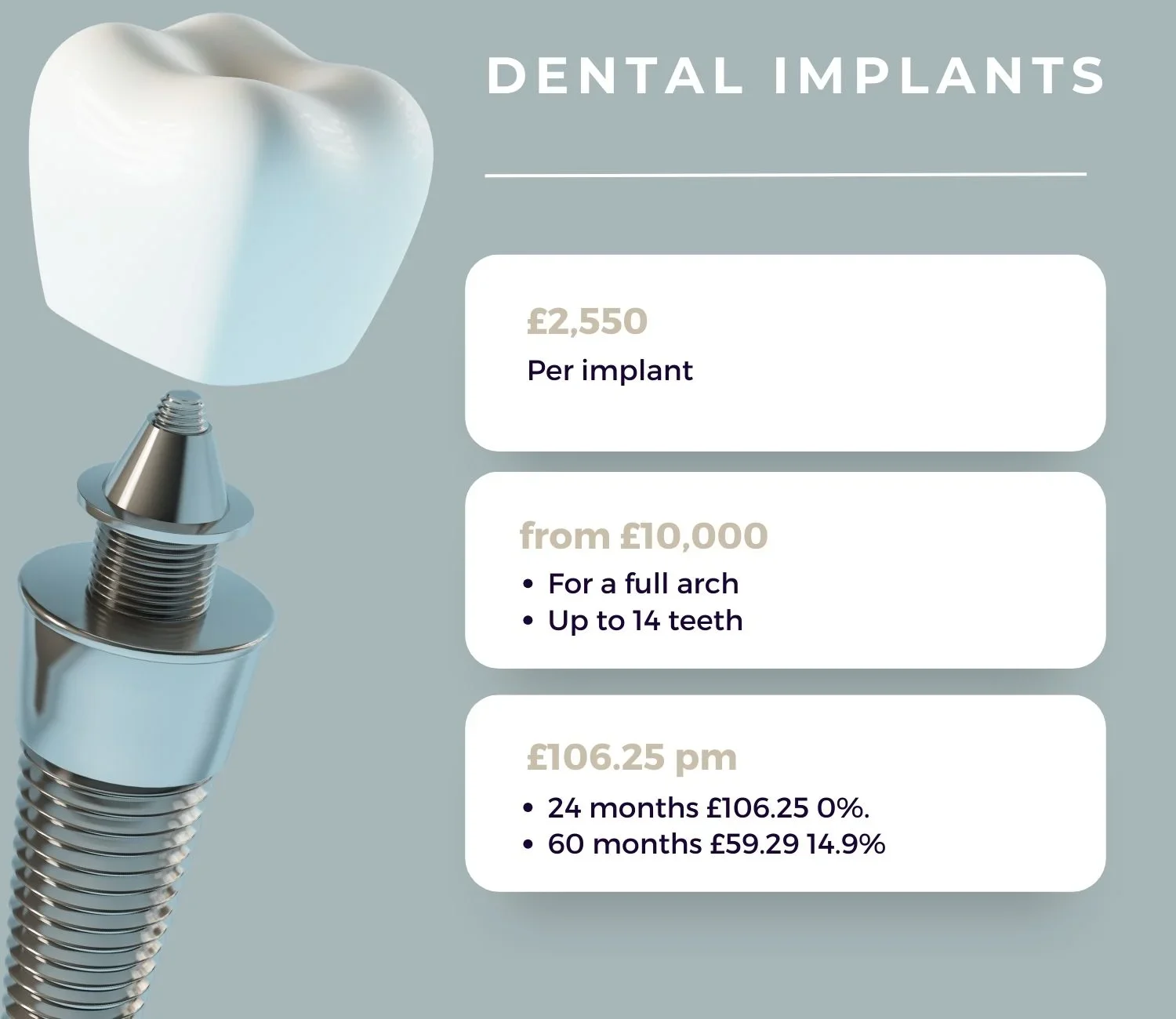
As a general guide, you can expect to pay anywhere from £2,000 to £4,000 per implant in the UK private sector. This figure typically includes the implant itself, the abutment (the connecting piece), and the crown (the artificial tooth). But is it worth it? Are dental implants worth the money? For most, the answer is a resounding yes.
What’s Included in NHS and Private Dental Implant Quotes?
When comparing NHS and private dental implant quotes, it’s important to understand what’s included. NHS quotes are usually straightforward, covering the basic implant procedure within the relevant treatment band. Private quotes, on the other hand, may be more detailed and can include:
- Initial consultation and assessment: A thorough examination and treatment planning session.
- CBCT scan: A 3D X-ray to assess bone density and plan implant placement.
- Implant placement surgery: The surgical procedure to insert the implant into the jawbone.
- Abutment and crown: The connecting piece and artificial tooth that attach to the implant.
- Follow-up appointments: Monitoring the healing process and making any necessary adjustments.
- Warranty: Some private practices offer warranties on their implants, providing peace of mind.
Always clarify what’s included in any quote before committing to treatment. Don’t hesitate to ask for a written breakdown of costs so you can make an informed decision.
Many people are choosing dental tourism in Albania to access cheaper treatments and save thousands of pounds.
How to Apply for NHS Dental Implants
The process of applying for NHS dental implants can be complex and time-consuming. It requires a clear understanding of the referral process, assessment criteria, and documentation needed to support your case. Due to the rarity of being accepted on the NHS, many people consider cheaper options such as cost of dental implants in Albania.
Referral Process and Assessments
The first step is to consult with your general dentist. If they believe you meet the criteria for NHS-funded implants, they will refer you to a specialist, usually a consultant oral surgeon or a restorative dentist working in a hospital setting. This specialist will conduct a comprehensive assessment, which may include:
- Medical and dental history review: Evaluating your overall health and any relevant dental issues.
- Clinical examination: Assessing the condition of your gums, teeth, and jawbone.
- Radiographic imaging: Taking X-rays or CT scans to assess bone density and plan implant placement.
- Discussion of treatment options: Exploring whether implants are the most appropriate solution for your specific needs.
Waiting Times for NHS Dental Implant Treatment
One of the significant challenges with dental implant waiting times NHS is the potentially long wait for treatment. Due to limited funding and high demand, waiting lists for specialist appointments and implant procedures can be extensive. This can vary depending on your location and the specific hospital or clinic involved. It’s not uncommon to wait several months, or even years, for your treatment to begin. Many patients find the waiting times too long and start looking for alternative options such as Dental Tourism in Albania.
Documentation and Evidence Required
To support your application for NHS dental implants, you’ll need to provide comprehensive documentation and evidence to demonstrate your eligibility. This may include:
- Referral letter from your dentist: Outlining the reasons for referral and the impact of missing teeth on your oral health.
- Medical records: Providing details of any underlying medical conditions or treatments that have contributed to tooth loss.
- Photographs: Illustrating the aesthetic impact of missing teeth on your smile and self-confidence.
- Statements from other healthcare professionals: Supporting your case and highlighting the functional or psychological benefits of implants.
Alternatives to Dental Implants on the NHS
Given the limited availability of dental implants on the NHS, it’s important to be aware of the alternatives to dental implants on the NHS. The NHS does offer coverage for other tooth replacement options, such as bridges and dentures, which may be more readily accessible and affordable.
NHS Dental Services Coverage for Bridges and Dentures
The NHS dental services coverage includes bridges and dentures as viable options for replacing missing teeth. Bridges involve anchoring a false tooth to adjacent natural teeth, while dentures are removable appliances that can replace multiple or all teeth in an arch. Both options are available under NHS treatment bands, making them more affordable than private implant treatment.
Comparing Implant Alternatives: Cost and Suitability
When comparing implant alternatives: cost and suitability, it’s essential to consider the pros and cons of each option.
Bridges:
- More affordable than implants
- Less invasive
- May require altering adjacent teeth
- Shorter lifespan than implants
Dentures:
- The most affordable option
- Non-invasive
- Can affect speech and eating
- May require adjustments over time
Implants, on the other hand, offer superior stability, longevity, and aesthetics but come at a higher cost. However many people find that the cost of treatments such as dental veneers in Albania make implants a more affordable option when undergoing dental tourism.
Frequently Asked Questions
Here are some of the frequently asked questions about NHS dental implants:
Can I Get Dental Implants on the NHS?
The short answer is yes, but it’s not always straightforward. Can you get dental implants on the NHS? is a common question. The NHS primarily offers dental implants in cases of medical necessity, such as congenital disabilities, trauma, or cancer treatment. In these situations, implants are seen as essential for restoring oral function and overall health. However, access to NHS-funded implants is limited, and strict eligibility criteria apply.
Why Does the NHS Rarely Provide Dental Implants?
Why does the NHS rarely provide dental implants? is due to budget constraints and the NHS’s focus on providing essential dental care to a wide population. Dental implants are considered a more advanced and expensive treatment, and resources are prioritized for more basic procedures like fillings, extractions, and dentures. However, this is why many people consider dental tourism to receive cheaper treatments for a similar standard.
What Do NHS Dental Implant Consultations Involve?
What do NHS dental implant consultations involve? The first step is usually a referral from your general dentist to a specialist, such as an oral surgeon or restorative dentist working in a hospital setting. The consultation will involve a thorough assessment of your oral health, including a review of your medical and dental history, a clinical examination, and radiographic imaging (X-rays or CT scans). The specialist will discuss your treatment options and determine whether implants are the most appropriate solution for your specific needs.
Can You Appeal a Funding Decision for NHS Dental Implants?
If your funding request for NHS dental implants is denied, can you appeal a funding decision for NHS dental implants? Yes, you typically have the right to appeal the decision. The appeals process will vary depending on your local NHS commissioning group, but it usually involves submitting a written appeal outlining the reasons why you believe the decision should be reconsidered. You may need to provide additional evidence or documentation to support your case.
Are There NHS Grants or Support for Private Implants?
Unfortunately, are there NHS grants or support for private implants? the NHS does not generally provide grants or financial support for private dental implant treatment. NHS funding is allocated specifically for treatment provided within the NHS system. If you’re considering private implants but are concerned about the cost, you may need to explore other financing options, such as dental insurance, payment plans, or personal loans. Or even consider options such as finance for dental implants.
What If I’m Not Eligible—What Are My Options?
What if I’m not eligible—what are my options? If you don’t qualify for NHS dental implants, there are still several options available to restore your smile and oral function.
- Private dental implants: As discussed earlier, private dental practices offer implant treatment at a higher cost.
- Dental bridges: Bridges involve anchoring a false tooth to adjacent natural teeth.
- Dentures: Dentures are removable appliances that can replace multiple or all teeth in an arch.
- Dental tourism: Traveling abroad for more affordable dental treatment is becoming increasingly popular.
Each option has its own pros and cons, so it’s important to discuss them with your dentist to determine the best solution for your individual needs and budget. With options such as cost of dental implants in Albania becoming more popular, people are able to access affordable treatments.
Considering dental implants? Don’t let the complexities of NHS funding hold you back. At Albania Dental Implants, we offer high-quality, affordable implant solutions. Contact us today for a free consultation and discover how we can help you achieve a confident, healthy smile!





