




Cost of Dental Implants on NHS: What You Need to Know
The cost of dental implants on NHS is a common concern for patients seeking affordable solutions to tooth loss in the UK. While dental implants offer a long-term, stable solution for missing teeth, accessing them through the National Health Service can be complex and, for many, unattainable. This article provides a detailed overview of the availability, eligibility, costs, and alternatives to NHS dental implants, while also presenting a compelling option: high-quality, affordable dental implants with Albania Dental Implants. Let’s explore how you can regain your smile without breaking the bank.
NHS Dental Implants: An Overview
Cluster Keyword: NHS dental implants eligibility, availability, waiting times
Getting dental implants on the NHS is not a straightforward process. While the NHS provides a range of dental treatments, implants are generally reserved for specific cases where there is a clear medical need. Let’s explore who is eligible and how common it is to get implants through the NHS.
Who is eligible for NHS dental implants?
Eligibility for NHS dental implants is limited and typically depends on demonstrating a significant medical need. This often includes cases of:
- Trauma: Patients who have lost teeth due to an accident or injury.
- Congenital Absence: Individuals born without certain teeth.
- Medical Conditions: Patients with medical conditions that directly affect their dental health.
Cosmetic reasons or general tooth loss due to decay are typically not covered. Each case is assessed individually, and approval depends on the specific circumstances and the availability of funding within the local NHS trust.
How common is it to get implants through the NHS?
It is relatively rare to receive dental implants through the NHS. Funding is limited, and priority is given to cases that meet strict medical criteria. Most individuals seeking dental implants will need to consider private options due to the restricted availability on the NHS.
Average waiting times and pathways
Waiting times for NHS dental implants can be extensive. Even if you meet the eligibility criteria, you may face a significant wait for assessment and treatment. The pathway typically involves:
- Initial Assessment: Your dentist will assess your oral health and determine if you meet the criteria for NHS funding.
- Referral: If eligible, you’ll be referred to a specialist dental implant clinic.
- Evaluation: The specialist will evaluate your case and submit a funding request to the NHS.
- Waiting Period: If approved, you’ll be placed on a waiting list for the procedure.
Due to these long waiting times, many patients explore alternative solutions to restore their smile more quickly.
How Much Do Dental Implants Cost on the NHS?
Cluster Keyword: dental implant cost NHS, NHS dental charges
Understanding the financial aspect of dental implants on the NHS is crucial. Even if you are approved for NHS implants, you will likely still need to pay a contribution towards the cost. Let’s break down the actual cost and how it compares to private options.
What is the actual cost if approved for NHS implants?
If approved for NHS dental implants, you will typically pay the Band 3 NHS dental charge. As of 2024, this charge covers complex treatments, including:
- Crowns
- Bridges
- Dentures
- Dental Implants
The exact amount can vary slightly depending on the specific treatment plan and any additional procedures required.
Band 3 NHS dental charge explained
The Band 3 NHS dental charge covers all treatment included in Bands 1 and 2, plus more complex procedures. In 2024, the Band 3 charge is around £282.80 in England. This is a fixed fee, regardless of the number of appointments or the complexity of the treatment.
Private vs NHS pricing differences
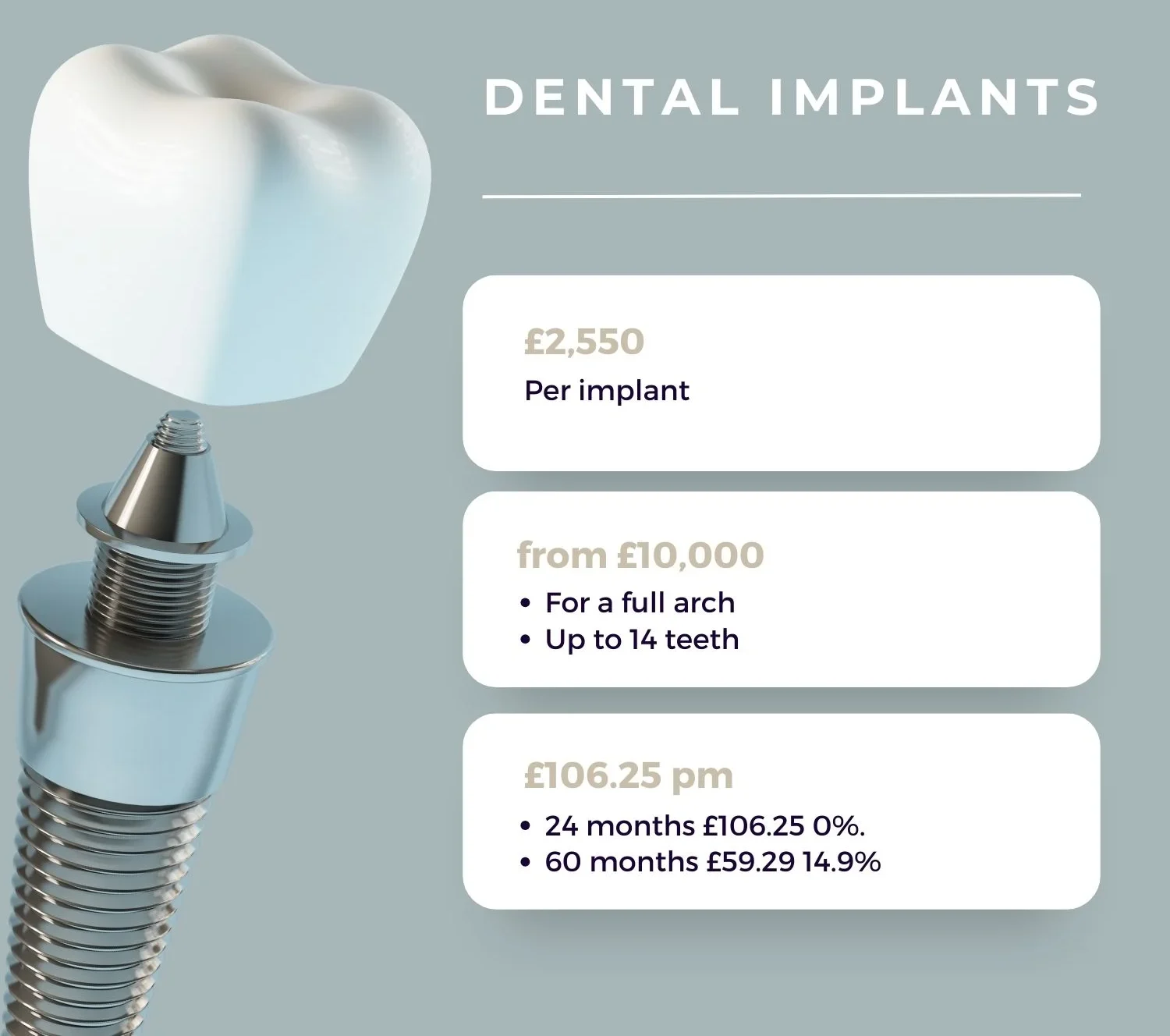
The cost of dental implants privately can range significantly, typically starting from £2,000 to £3,000 per implant in the UK. This price difference highlights the significant cost savings that can be achieved by exploring options such as dental tourism with Albania Dental Implants Services, where you can receive high-quality treatment at a fraction of the cost.
The cost of dental implants can vary significantly. Exploring options with cost of dental implants in Albania offers a way to save money.
Private vs NHS Dental Implants: What’s the Difference?
Cluster Keyword: private dental implant cost UK, NHS implant criteria, comparison
Choosing between private and NHS dental implants involves considering several factors beyond just cost. Let’s compare the two options in detail to help you make an informed decision.
Detailed comparison of costs, criteria, and treatment experience
Here’s a detailed comparison:
- Cost: NHS implants are cheaper due to subsidized costs, but availability is limited. Private implants are more expensive but offer faster access and more comprehensive options.
- Criteria: NHS eligibility is strict, focusing on medical necessity. Private treatment is available to anyone willing to pay, regardless of the reason for tooth loss.
- Treatment Experience: Private clinics often offer a wider range of implant types, advanced technology, and more personalized care. NHS treatment may have longer waiting times and limited choices.
Pros and cons of each option
NHS Dental Implants:
- Pros: Lower cost, subsidized by the government.
- Cons: Limited availability, strict eligibility criteria, long waiting times, less choice in implant types.
Private Dental Implants:
- Pros: Faster access, wider range of implant options, advanced technology, personalized care.
- Cons: Higher cost, requires private funding or financing.
For those seeking affordable alternatives without compromising quality, Albania Dental Implants offers a compelling solution. You can achieve significant cost savings while receiving expert care.
Who Qualifies for Dental Implants on the NHS?
Cluster Keyword: NHS dental implants eligibility criteria, special circumstances
Understanding the specific criteria for NHS dental implant approval is essential. The NHS prioritizes cases based on medical necessity rather than cosmetic concerns.
NHS criteria for implant approval
The NHS typically approves dental implants for patients who:
- Have experienced tooth loss due to trauma.
- Were born with a congenital absence of teeth.
- Have a medical condition that directly impacts dental health.
These criteria ensure that limited NHS resources are directed towards the most critical cases.
Medical necessity vs cosmetic cases
The NHS primarily focuses on medical necessity. This means that if tooth loss significantly affects your health or function, you may be eligible. Cosmetic cases, where implants are desired for aesthetic reasons alone, are generally not covered.
Typical patient profiles (e.g. trauma, congenital absence)
Typical patient profiles that may qualify for NHS dental implants include:
- Accident Victims: Individuals who have lost teeth in an accident.
- Ectodermal Dysplasia: Patients with a genetic condition causing missing teeth.
- Cancer Patients: Those who have lost teeth due to cancer treatment.
If you don’t meet these strict criteria, exploring private options like Albania Dental Implants can provide a more accessible and affordable solution. With dental tourism Albania, you will get high quality solutions.
Alternatives if You’re Not Eligible
Cluster Keyword: dental implant alternatives NHS, dentures, bridges
If you don’t qualify for NHS dental implants, several alternative restorative options are available. These include dentures and bridges, which the NHS often covers.
Other NHS restorative options (dentures, bridges)
Dentures:
- Removable replacements for missing teeth.
- Affordable and widely available on the NHS.
- May require adjustments and can affect speech and eating.
Bridges:
- Fixed replacements that attach to adjacent teeth.
- Can be a good option for replacing a single tooth or a few teeth.
- Require altering the structure of healthy teeth.
Hybrid approaches and private/NHS mix
Some patients opt for a hybrid approach, combining NHS and private treatment. For example, you might receive dentures on the NHS and then choose to have them supported by implants privately. This can be a cost-effective way to improve the stability and function of dentures. Another option is getting single implants in Albania.
NHS Dental Charges Explained
Cluster Keyword: NHS dental band charges, exemptions, help with costs
Understanding how NHS dental charges work is essential for managing your dental care costs. The NHS uses a banding system to determine the cost of treatment.
How NHS dental bands work
The NHS dental charges are divided into three bands:
- Band 1: Check-up, advice, and simple treatments like fluoride varnish.
- Band 2: Includes Band 1 treatments, plus fillings, root canal work, and extractions.
- Band 3: Includes Bands 1 and 2 treatments, plus more complex procedures like crowns, dentures, and implants (when approved).
Band 1, 2, and 3 charges overview
In 2024, the charges are:
- Band 1: £26.80
- Band 2: £73.50
- Band 3: £319.10
These charges apply in England and may vary slightly in other parts of the UK.
Who qualifies for free or reduced cost NHS dental care
Certain individuals qualify for free or reduced-cost NHS dental care, including:
- Those under 18.
- Pregnant women and new mothers (for 12 months after birth).
- Individuals receiving certain benefits like Income Support, Universal Credit, or Pension Credit Guarantee Credit.
Knowing your eligibility can significantly reduce your dental care expenses.
Frequently Asked Questions (FAQs)
Can you get dental implants on the NHS for free?
It is highly unlikely to receive dental implants on the NHS for free. While some individuals may be eligible for reduced-cost care, completely free implants are rare and typically reserved for exceptional medical circumstances. For most people, some contribution towards the cost will be required.
How long is the wait for NHS dental implants?
The waiting time for NHS dental implants can be extensive, often ranging from several months to over a year. This depends on the availability of funding, the number of patients on the waiting list, and the complexity of your case. Many patients find the waiting times prohibitive and explore private alternatives.
Are there any hidden costs with NHS dental implants?
While the Band 3 charge covers the main implant procedure, there may be additional costs for preliminary treatments such as extractions, root canal work, or bone grafting. It’s essential to discuss the full treatment plan with your dentist to understand all potential expenses.
Why are NHS dental implants so rarely available?
NHS dental implants are rarely available due to limited funding and strict eligibility criteria. The NHS prioritizes treatments based on medical necessity, and cosmetic or general tooth loss cases are typically not covered. The demand for dental implants often exceeds the available resources, leading to restricted access.
Can you mix private and NHS treatment for implants?
Yes, it is possible to mix private and NHS treatment. For example, you could receive preliminary treatments like extractions on the NHS and then opt to have the implant procedure done privately. This can help reduce the overall cost while still accessing the benefits of dental implants. With dental implants in Albania cost is low.
What financing options are available for private implants?
Several financing options are available for private dental implants, including:
- Dental Insurance: Some insurance plans cover a portion of the cost.
- Payment Plans: Many dental clinics offer payment plans to spread the cost over time.
- Personal Loans: You can take out a personal loan to cover the expense.
- Dental Tourism: Traveling to countries like Albania for more affordable treatment with Albania Dental Implants.
Are there age limits for NHS dental implants?
There are generally no strict age limits for NHS dental implants, but the overall health and suitability of the patient are considered. Younger patients may need to wait until their jaw has fully developed before receiving implants. Older patients are assessed based on their general health and ability to undergo the procedure.
What should I do if my NHS application for implants is denied?
If your NHS application for implants is denied, you have several options:
- Appeal: You can appeal the decision and provide additional information to support your case.
- Private Treatment: Explore private dental implant options in the UK.
- Dental Tourism: Consider traveling to countries like Albania for more affordable treatment with dental tourism in Albania.
- Alternative Restorative Options: Discuss dentures or bridges with your dentist.
Considering Dental Implants? Think Albania Dental Implants
The journey to securing affordable dental implants can be challenging, particularly with the limitations of NHS availability. However, Albania Dental Implants provides a reliable, high-quality, and cost-effective alternative. Our clinic offers state-of-the-art facilities, experienced dental professionals, and a commitment to patient satisfaction.
- Cost Savings: Significant reductions in treatment costs compared to the UK.
- High-Quality Care: Modern facilities and experienced implant specialists.
- Comprehensive Services: From single implants to full mouth reconstructions.
Don’t let the high cost of dental implants keep you from achieving a confident and healthy smile. Contact Albania Dental Implants today to learn more about our services and how we can help you restore your smile affordably.





