




NHS Implant Cost: Your Guide to Affordable Dental Solutions
NHS implant cost is a frequently searched topic for patients in the UK seeking affordable solutions for tooth loss. Many are curious about the possibility of receiving dental implants through the National Health Service (NHS) and how it compares to private dental care. This comprehensive guide will explore the reality of NHS dental implants, eligibility criteria, costs, and available alternatives, including high-quality, affordable options through Albania Dental Implants.
What Is an NHS Dental Implant? Understanding Your Options
When considering tooth replacement, it’s essential to understand what dental implants are and how they work. Dental implants are a long-term solution for missing teeth, offering a stable and natural-looking alternative to dentures or bridges.
Dental Implants Explained: A Permanent Solution
A dental implant is essentially a titanium screw that is surgically placed into the jawbone. Over time, the bone fuses with the implant through a process called osseointegration, creating a strong foundation for a replacement tooth or teeth. A crown, bridge, or denture can then be attached to the implant, restoring your smile and chewing function. Many patients also consider our dental tourism in Albania for more affordable options.
NHS Dental Treatments: What’s Available?
The NHS provides a range of dental treatments, focusing on maintaining oral health and function. However, the availability of specific treatments like dental implants can be limited due to funding constraints and strict eligibility criteria. While the NHS aims to provide necessary dental care, cosmetic treatments or advanced procedures may not always be covered.
Who Qualifies for NHS Dental Implants? Eligibility and Access
Accessing NHS dental implants can be challenging, as eligibility is typically restricted to cases where there is a clear medical need. Knowing the NHS eligibility criteria is crucial.
NHS Eligibility Criteria: Medical Necessity is Key
Generally, the NHS will only fund dental implants if the tooth loss is a result of a medical condition, trauma, or congenital defect. For example, patients who have lost teeth due to cancer treatment, a severe accident, or a genetic disorder may be eligible for NHS-funded implants. However, tooth loss due to decay or gum disease is less likely to qualify.
Finding an NHS Dentist Near Me: Starting Your Search
If you believe you meet the NHS eligibility criteria, the first step is to find an NHS dentist who offers implant services. You can use the NHS website to search for dentists in your area. However, keep in mind that not all NHS dentists provide implants, and waiting times for an initial consultation can be lengthy.
NHS Funding for Implants: Understanding the Possibilities
Even if you are eligible for NHS dental implants, it’s important to understand the level of funding you may receive. The NHS typically covers the cost of the implant procedure itself, but you may still need to pay for the crown, bridge, or denture that attaches to the implant. The exact cost will depend on your individual treatment plan and the applicable NHS dental charges.
How Much Does an NHS Dental Implant Cost? A Cost Breakdown
Understanding the dental implant NHS cost is essential when considering your options. While NHS implants can be more affordable than private treatment, there are still costs involved.
Dental Implant NHS Cost: Variable and Dependent on Treatment
The exact cost of an NHS dental implant will vary depending on the complexity of the procedure and the materials used. NHS dental charges are divided into three bands:
- Band 1: £26.80 (includes examinations, diagnosis, and preventative care)
- Band 2: £73.50 (includes Band 1 treatments, plus fillings, root canal treatment, and extractions)
- Band 3: £319.10 (includes Band 1 and 2 treatments, plus crowns, dentures, and bridges)
As dental implants are considered a more complex procedure, they typically fall under Band 3. However, this cost may only cover a portion of the total treatment, as the crown or restoration may incur additional charges.
Cost of Dental Implants UK: Private vs. NHS
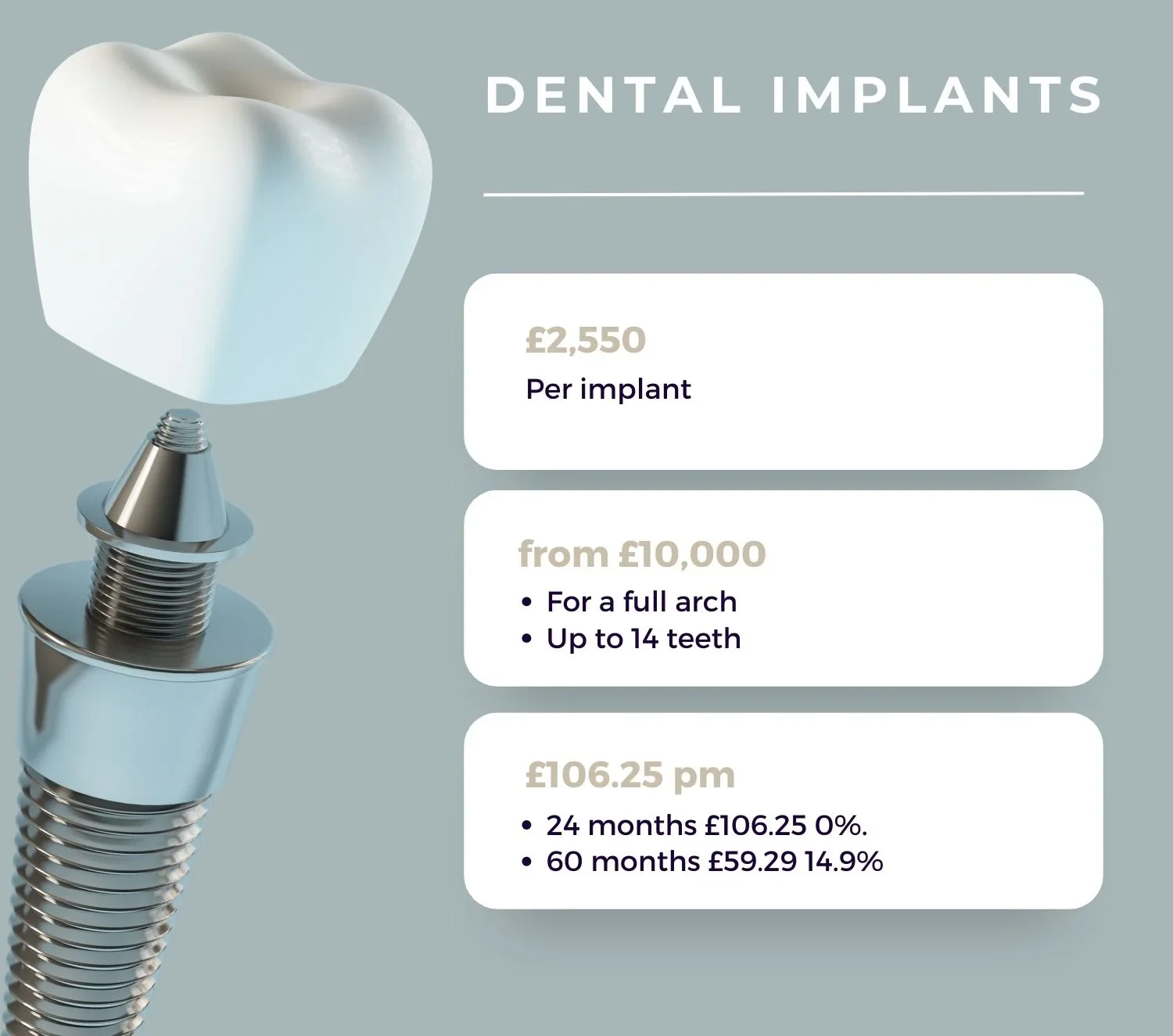
The cost of dental implants UK can vary significantly between NHS and private practices. Private dental implants generally cost between £2,000 to £3,000 per implant, including the implant, abutment, and crown. While the initial cost of NHS implants may be lower, the limited availability and potential for additional charges can make the overall cost comparable to private treatment in some cases. Many patients find that the cost of dental implants in Albania is significantly lower than both NHS and private options in the UK.
Private vs NHS Dental Implants: Making the Right Choice
Deciding between private vs NHS dental implants depends on your individual circumstances, budget, and preferences. NHS implants may be a suitable option if you meet the eligibility criteria and are willing to wait for treatment. However, private dental implants offer greater flexibility, shorter waiting times, and a wider range of treatment options.
Private vs NHS: Dental Implant Costs Compared
When considering dental implants, comparing the costs between private and NHS options is essential for making an informed decision.
Private vs NHS Dental Implants: A Detailed Comparison
Private dental practices generally offer a wider range of implant systems and materials, allowing for more customized treatment plans. They also tend to have shorter waiting times and more flexible appointment schedules. However, private dental implants come at a higher cost compared to NHS treatment.
Implant Procedure UK: What to Expect in Both Settings
The implant procedure UK is similar in both NHS and private settings, involving surgical placement of the implant into the jawbone followed by attachment of a crown or restoration. However, private practices may offer more advanced techniques, such as immediate loading implants or guided surgery, which can shorten the treatment time and improve the outcome.
NHS Waiting Times: Are They a Factor?
NHS waiting times for dental implants can be significant, with some patients waiting several months or even years for treatment. This is due to limited funding and high demand for NHS dental services. Private dental practices generally offer much shorter waiting times, allowing you to receive treatment sooner.
What Is Included in the NHS Implant Cost? Understanding the Coverage
Knowing what’s included in the NHS implant cost helps you budget effectively and avoid unexpected expenses.
NHS Dental Treatments: A Limited Scope of Coverage
The NHS dental treatments covered under the implant cost typically include the surgical placement of the implant and any necessary follow-up appointments. However, the crown, bridge, or denture that attaches to the implant may not be included, and you may need to pay an additional charge for these restorations.
Implant Procedure UK: What’s Typically Covered?
The implant procedure UK, when provided by the NHS, usually covers the initial consultation, X-rays, and the surgical placement of the implant. However, complex cases or additional procedures like bone grafting may not be covered, and you may need to seek private treatment for these services.
Are There Alternatives to NHS Dental Implants? Exploring Other Options
If NHS dental implants are not accessible or affordable for you, several alternatives exist to restore your smile and chewing function.
Alternatives to NHS Implants: Bridges and Dentures
Common alternatives to NHS implants include dental bridges and dentures. Dental bridges involve anchoring a false tooth to the adjacent natural teeth, while dentures are removable appliances that replace missing teeth. While these options are generally more affordable than dental implants, they may not provide the same level of stability, comfort, or long-term durability.
Risks of Dental Implants: Weighing the Pros and Cons
Like any surgical procedure, dental implants carry certain risks. These can include infection, nerve damage, implant failure, and sinus problems. However, these complications are relatively rare, and the vast majority of dental implant procedures are successful. It’s essential to discuss the potential risks with your dentist before undergoing treatment.
How to Apply for an NHS Dental Implant: A Step-by-Step Guide
Applying for an NHS dental implant involves several steps, starting with finding an NHS dentist and assessing your eligibility.
NHS Dentist Near Me: Starting the Process
Begin by finding an NHS dentist near me who offers implant services. You can use the NHS website or contact your local dental practice to inquire about their services and availability.
NHS Eligibility Criteria: Meeting the Requirements
Ensure that you meet the NHS eligibility criteria for dental implants. As mentioned earlier, the NHS typically only funds implants in cases of medical necessity, trauma, or congenital defects.
Frequently Asked Questions about NHS Implant Cost
Here are some frequently asked questions about NHS implant costs to help clarify the process and options:
What is the average NHS implant cost in the UK?
The average NHS implant cost in the UK typically falls under Band 3 dental charges, which is currently £319.10. However, this cost may only cover a portion of the total treatment, and you may need to pay additional charges for the crown, bridge, or denture that attaches to the implant.
Are dental implants free on the NHS?
Are dental implants free on the NHS? In most cases, no. While the NHS may fund dental implants in certain situations, it is rare, and patients usually need to pay a portion of the cost.
Who is eligible for dental implants through the NHS?
Those eligible for dental implants through the NHS are generally individuals who have experienced tooth loss due to a medical condition, trauma, or congenital defect. Tooth loss due to decay or gum disease is less likely to qualify.
What is the difference between NHS and private implant costs?
The difference between NHS and private implant costs can be significant. Private dental implants generally cost between £2,000 to £3,000 per implant, while NHS implants may have a lower initial cost but may not cover all aspects of the treatment.
What treatments are included with the NHS implant cost?
Treatments included with the NHS implant cost typically cover the surgical placement of the implant and necessary follow-up appointments. The crown, bridge, or denture may not be included.
How long is the waiting time for NHS dental implants?
The waiting time for NHS dental implants can be lengthy, with some patients waiting several months or even years for treatment.
What are the risks and alternatives to NHS dental implants?
The risks of dental implants can include infection, nerve damage, and implant failure. Alternatives to NHS dental implants include dental bridges and dentures.
How do I find an NHS dentist who does implants?
To find an NHS dentist who does implants, you can use the NHS website or contact your local dental practice to inquire about their services.
How can I apply for an NHS dental implant?
To apply for an NHS dental implant, you’ll need to find an NHS dentist, assess your eligibility, and discuss your treatment options.
Are there NHS grants or funding for dental implants?
Are there NHS grants or funding for dental implants? While direct grants specifically for dental implants are uncommon, funding may be available in certain cases of medical necessity.
Can I get dental implants on the NHS for cosmetic reasons?
Can I get dental implants on the NHS for cosmetic reasons? Generally, no. The NHS typically only funds dental implants for medical reasons, not cosmetic purposes.
Is there any financial support for private dental implants?
Is there any financial support for private dental implants? Some private dental practices offer financing options or payment plans to help make dental implants more affordable. Additionally, exploring options like dental tourism in Albania with Albania Dental Implants can significantly reduce the cost.
Considering Affordable Options? Discover Albania Dental Implants
If the NHS implant cost or waiting times are prohibitive, or if you’re seeking a more affordable alternative to private dental care in the UK, consider Albania Dental Implants. We offer high-quality dental implants at a fraction of the cost compared to UK prices, without compromising on quality or safety.
We also offer all on 4 dental implants in Albania.
Conclusion
While accessing NHS implant cost can be challenging due to strict eligibility criteria and long waiting times, dental implants remain a viable option for restoring your smile and oral health. By understanding the NHS process, exploring alternative options like Albania Dental Implants, and weighing the costs and benefits, you can make an informed decision that suits your individual needs and budget.
Ready to explore affordable dental implant options? Contact Albania Dental Implants today for a free consultation and discover how we can help you achieve a confident, healthy smile.





