



Understanding NHS dental implant charges is crucial for anyone considering this tooth replacement option in the UK. While dental implants offer a long-term solution for missing teeth, their availability on the NHS is limited, and costs can vary. This guide clarifies eligibility, potential charges, and alternatives, helping you make informed decisions about your dental health and exploring options like seeking treatment abroad with Albania Dental Implants.
What Are NHS Dental Implant Charges?
When exploring NHS dental implants cost, it’s important to understand that implants are not routinely available on the NHS. Their provision is typically reserved for cases where there’s a clear medical need, such as: Congenital hypodontia (missing teeth from birth), facial trauma, or cancer treatment. If you qualify, the NHS may cover part or all of the cost. However, in most cases, patients will need to explore private dental implant options.
Availability and Typical Costs
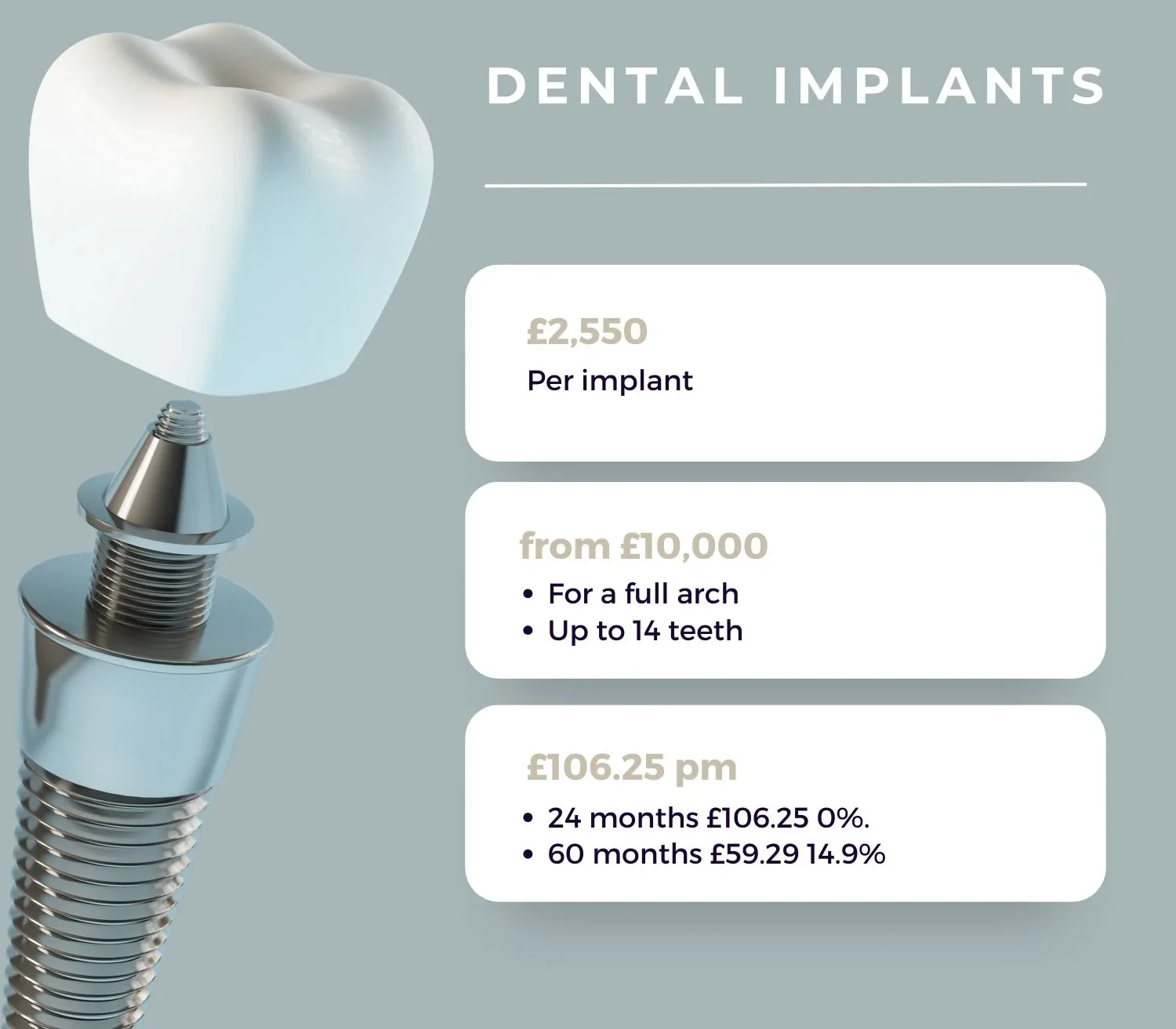
The availability of NHS dental implants is limited due to funding constraints and prioritization of other treatments. Where implants are offered, the NHS dental charges bands may apply, meaning you’ll contribute towards the cost based on the complexity of treatment. However, it’s more likely you’ll need to consider the private sector, where costs can range from £2,000-£3,000+ per implant.
Where Charges May Apply
Even if you’re eligible for NHS dental implants, charges can still apply. This may include: The standard NHS dental charges band for the implant procedure itself, costs for preliminary assessments and scans, and charges for any necessary aftercare or maintenance not covered by the initial treatment plan. Always clarify the full cost upfront with your NHS dentist.
Eligibility for NHS Dental Implants
NHS dental implant eligibility is strict, focusing on patients with significant medical or clinical needs. Not everyone qualifies. To determine eligibility, dentists assess specific criteria and justify them to health authorities before implants are considered.
Medical and Clinical Reasons
To qualify for NHS dental implants, a patient typically needs to demonstrate a clear medical or clinical reason, such as: Significant facial trauma resulting in tooth loss, congenital defects affecting tooth development, tooth loss as a direct result of cancer treatment. Each case is assessed individually.
Can Everyone Qualify?
No, not everyone can qualify for NHS dental implants. The NHS prioritizes cases where tooth loss severely impacts a patient’s health and well-being, and where alternative treatments are unsuitable. Patients seeking implants purely for cosmetic reasons are unlikely to be eligible. If you don’t meet the strict NHS criteria, exploring private options, including dental tourism to Albania with dental tourism in Albania, may be a viable solution.
NHS vs Private Dental Implant Costs
Comparing private vs NHS dental implants involves considering eligibility, costs, waiting times, and aftercare. The NHS focuses on medical necessity, while the private sector offers broader access and often, faster treatment.
Key Differences
The following table summarizes the key differences between NHS and private dental implants:
| Feature | NHS Dental Implants | Private Dental Implants |
|---|---|---|
| Eligibility | Strict clinical criteria | Open to most individuals |
| Costs | May be reduced/subsidized or free; often not available | £2,000-£3,000+ per implant |
| Waiting Times | Longer, limited availability | Usually shorter |
| Aftercare | May be included | May be included |
Access, Transparency, and Financial Considerations
Private dental implants offer greater access but at a higher cost. NHS implants have strict criteria but may be more affordable. Transparency in pricing is often better in the private sector, allowing for clearer financial planning. Many patients find private treatment in Albania more affordable than in the UK. Albania Dental Implants Services, provides a cost-effective option without compromising quality.
Dental Implant Procedure on the NHS
The dental implant procedure NHS typically involves several steps: referral, assessment, surgery, and follow-up. However, NHS coverage is limited, and many patients will need to consider private options.
Steps Covered by the NHS
The NHS may cover the initial consultation and assessment to determine eligibility. If approved, the surgery itself may be covered, along with basic follow-up appointments. However, advanced procedures or specialized aftercare may not be included. The costs for additional work may be more than expected.
What’s Included in NHS Dental Treatment
Standard NHS dental treatment typically covers essential procedures needed to maintain oral health. This includes: Check-ups, fillings, extractions, and dentures. More complex treatments like implants are less frequently provided, and require justification based on clinical need and may be denied.
Alternatives to Dental Implants on the NHS
When alternatives to dental implants on NHS are considered, the most common options are bridges and dentures. These are more readily available and funded by the NHS.
Bridges and Dentures
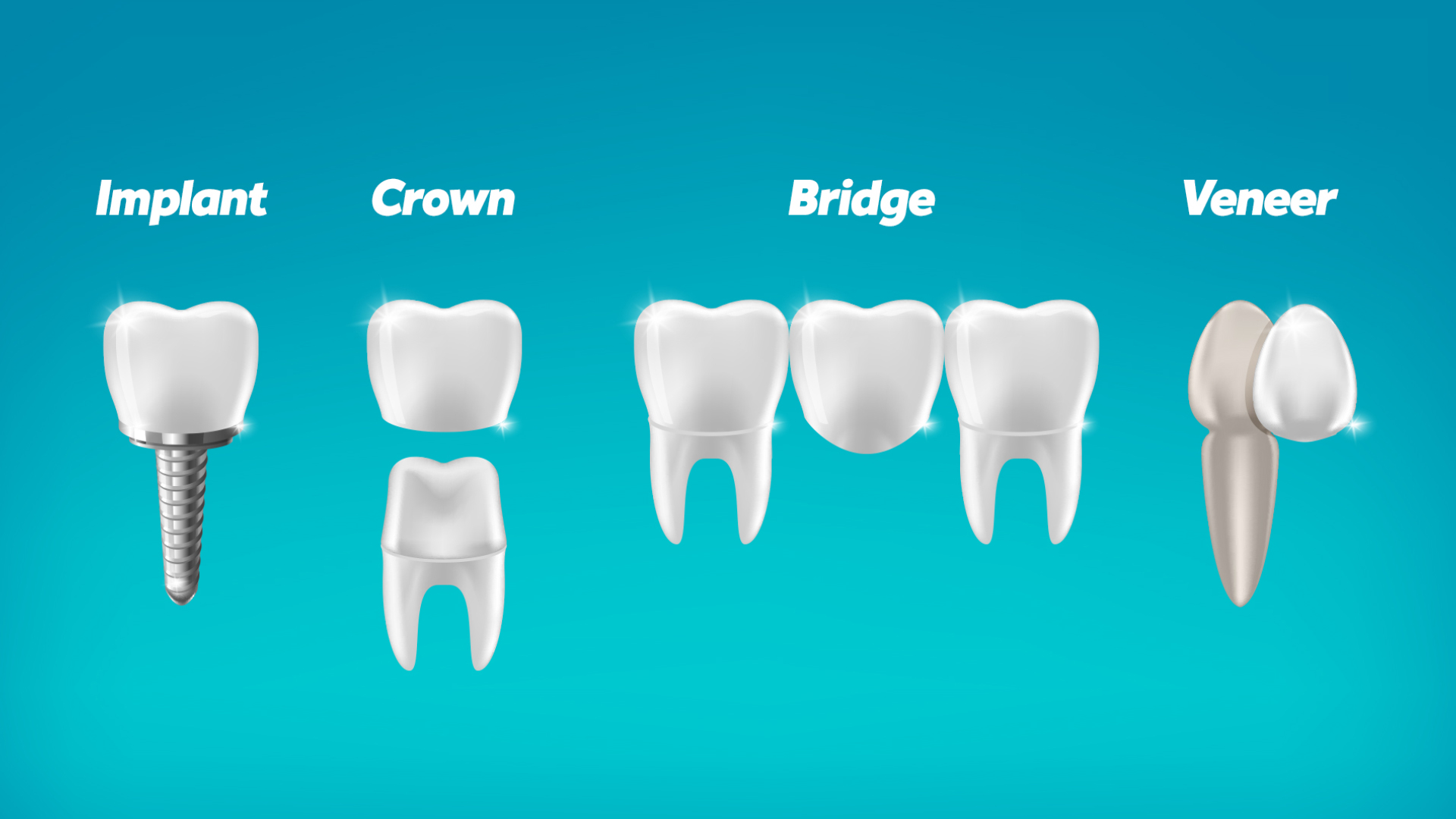
Bridges involve anchoring a false tooth to adjacent teeth, while dentures are removable appliances that replace missing teeth. Both options can restore function and aesthetics, but they have limitations compared to implants, such as reduced stability and potential impact on neighboring teeth. The alternatives to dental implants can also be a great option.
Other NHS-Funded Replacements for Missing Teeth
Besides bridges and dentures, the NHS may offer other tooth replacement options depending on individual circumstances. These could include: Partial dentures or resin-bonded bridges. However, the availability and suitability of these options will vary based on clinical assessment and funding constraints.
NHS Dental Charges Bands and Funding
Understanding NHS dental charges bands and available NHS dental funding and subsidies is crucial for managing costs. The NHS operates on a banded system, with different charges applying to different treatments.
NHS Dentistry Payment Bands
The NHS dental charges bands are as follows: Band 1: £26.80 – Includes check-up, scale and polish, and preventative care. Band 2: £73.50 – Includes Band 1 treatments, plus fillings, root canal work, and extractions. Band 3: £319.10 – Includes Band 1 and 2 treatments, plus crowns, dentures, and bridges. Dental implants typically do not fall neatly into these bands, as they are rarely offered.
Who Pays and Are Any Subsidies or Exemptions Possible?
If you qualify for NHS dental implants, you’ll likely need to pay the Band 3 charge. However, some individuals are exempt from NHS dental charges, including: People receiving certain benefits (e.g., Income Support, Universal Credit), pregnant women and new mothers, and those under 18. Always check your eligibility for exemptions with the NHS.
How to Access NHS Dental Implants
To apply for NHS dental implants, you’ll need to follow a specific process. Be prepared for potentially long waiting times for NHS dental implants due to limited availability.
Steps to Access NHS Dental Implants
The steps to access NHS dental implants typically include: 1. Seeing a dentist: First, schedule an appointment with your NHS dentist for an initial assessment. 2. Referral process: If your dentist believes you may be eligible, they’ll refer you to a specialist for further evaluation. 3. Assessments: The specialist will assess your clinical needs and determine if you meet the NHS criteria for implants. 4. Approval and treatment: If approved, you’ll be placed on a waiting list for treatment. The entire process can be lengthy.
Expected Timeline for Approval and Treatment
The timeline for approval and treatment can vary significantly. It may take several months to receive a specialist appointment, and further months to get approval. Once approved, waiting times for the implant procedure itself can extend to a year or more. Consider that how long does it take to get a full set of teeth is an important step.
Aftercare and Ongoing Costs for NHS Dental Implants
Dental implant aftercare NHS typically includes post-surgery check-ups and basic maintenance. However, ongoing costs may apply for certain aspects of care.
What’s Included Post-Surgery
The NHS usually provides initial post-operative care, such as: Wound checks, suture removal, and advice on oral hygiene. More extensive aftercare or specialized maintenance may not be covered.
Maintenance, Check-Ups, and Ongoing NHS Charges
While the NHS may cover basic check-ups, you may need to pay for additional maintenance or treatments required to ensure the long-term success of your implants. This could include: Professional cleaning, adjustments, or replacement of implant components. Clarify these potential charges with your dentist upfront. To get a better overview, consider dental implants all on four.
Appealing an NHS Dental Implant Decision
If you’re declined for NHS dental implants, you have the right to appeal NHS dental implant decision. Understanding the process is crucial.
Steps to Challenge or Appeal
The steps to challenge or appeal a decision typically include: 1. Requesting a written explanation: Ask your dentist or specialist for a written explanation of the reasons for the denial. 2. Submitting a formal complaint: Submit a formal complaint to the dental practice or NHS trust responsible for the decision. 3. Contacting the ombudsman: If you’re not satisfied with the response, you can contact the Parliamentary and Health Service Ombudsman for further investigation. 4. Seeking legal advice: In some cases, it may be beneficial to seek legal advice to explore your options.
Frequently Asked Questions about NHS Dental Implant Charges
Here are some frequently asked questions about NHS dental implant charges:
Are dental implants available on the NHS for everyone?
No, dental implants are not available on the NHS for everyone. NHS provision is limited to cases with a clear medical need, such as significant facial trauma, congenital defects, or tooth loss due to cancer treatment. Cosmetic reasons alone are unlikely to qualify.
How much do dental implants cost with the NHS?
The cost of dental implants with the NHS depends on the applicable charges band. If you qualify, you’ll likely pay the Band 3 charge (£319.10). However, this only covers part of the overall cost, and additional charges may apply. Full treatment will cost more than that.
Why are dental implants so rarely offered by the NHS?
Dental implants are rarely offered by the NHS due to funding constraints and prioritization of other treatments. The NHS focuses on providing essential dental care to the wider population, and implants are considered a more advanced and costly procedure.
Is it cheaper to have dental implants done privately?
While the initial cost of private dental implants is higher, the overall cost may be lower in some cases. This is because private treatment often includes: More comprehensive aftercare and maintenance, reducing the risk of complications and the need for further treatment. Additionally, options like dental tourism to Albania with cost of dental implants in Albania can significantly reduce costs.
What if I can’t afford private dental implants?
If you can’t afford private dental implants, there are several options to explore: NHS: Check your eligibility for NHS treatment. Dental schools: Consider treatment at a dental school, where costs are often lower. Financing: Explore dental financing options to spread the cost. Dental tourism: Consider travelling abroad for more affordable treatment, such as to Albania Dental Implants. Charitable organizations: Some charitable organizations may provide financial assistance.
Can I get help if I’m denied NHS implants?
Yes, if you’re denied NHS implants, you can: Appeal the decision. Seek a second opinion from another dentist. Explore private treatment options. Contact patient advocacy groups for support and advice.
What alternatives does the NHS provide to dental implants?
The NHS provides alternatives to dental implants such as: Bridges Dentures Partial dentures Resin-bonded bridges These options are more readily available and funded.
How long does it take to get dental implants through the NHS?
The timeline for getting dental implants through the NHS can be lengthy, potentially taking several months for assessment and approval, and a year or more for the procedure itself. Waiting times vary depending on location and demand.
What aftercare is covered by the NHS after dental implant surgery?
The NHS typically covers initial post-operative care, such as wound checks and suture removal. However, extensive aftercare or specialized maintenance may not be included, and additional charges may apply.
Are NHS dental implants as good as private ones?
The quality of NHS dental implants should be comparable to private ones, as dentists must adhere to the same standards of care. However, the range of implant systems and materials available may be more limited on the NHS. The aftercare and maintenance programs may also differ.
Conclusion
Understanding NHS dental implant charges, eligibility criteria, and available alternatives is essential for making informed decisions about your dental health. While NHS implants are an option for some, strict criteria and long waiting times mean many will need to explore private treatment. Consider all factors, including costs, access, and aftercare, and don’t hesitate to seek professional advice to determine the best course of action for your individual needs. Contact contact Albania dental implants today to learn more.





