




NHS Implant Tooth: Everything You Need to Know
If you’re considering an NHS implant tooth, it’s important to understand your eligibility, costs, and the full treatment journey. This guide provides a comprehensive overview of dental implants on the NHS, helping you make informed decisions about restoring your smile.
What is a Dental Implant on the NHS?
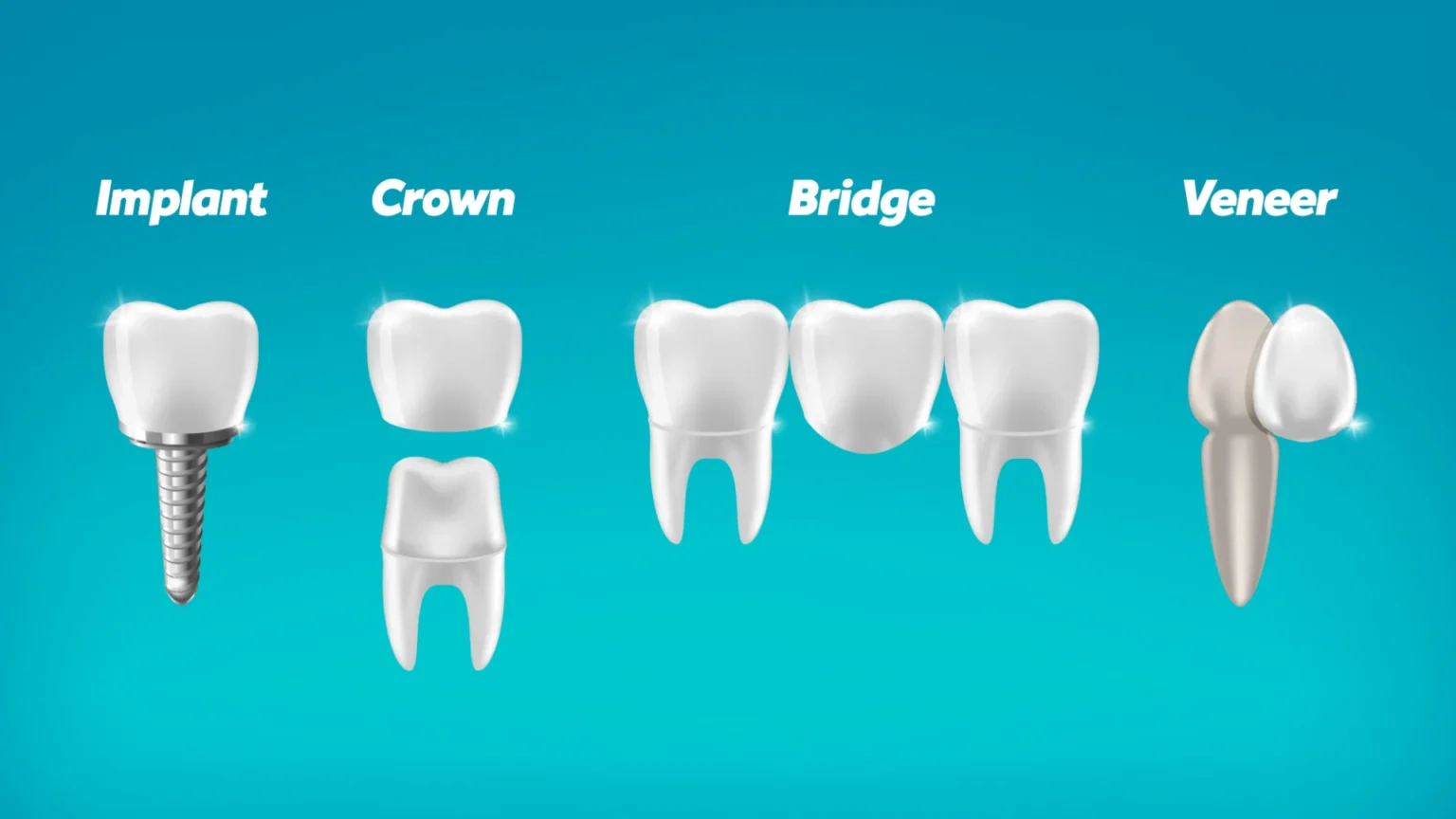
Dental implants are a long-lasting solution for missing teeth, offering a stable and natural-looking alternative to dentures and bridges. A dental implant on NHS is essentially a titanium screw that is surgically placed into the jawbone, acting as an artificial root for a replacement tooth. This replacement tooth, usually a crown, is then attached to the implant.
Defining Dental Implants and Their Differences
Unlike dentures, which are removable, or bridges, which rely on adjacent teeth for support, dental implants are a standalone solution. They provide superior stability, prevent bone loss in the jaw, and don’t affect neighboring teeth. They are a more permanent and comfortable solution for many people with missing teeth. If you are missing several teeth, consider multiple implants with bridges in Albania as a long-term solution.
When the NHS Provides Implants
The NHS primarily provides dental implants in cases where there is a clear medical need. This generally includes situations where tooth loss is the result of trauma, cancer treatment, or a congenital condition. The NHS does not typically offer implants for purely cosmetic reasons. The NHS focuses on restoring essential functions like eating and speaking.
NHS Dental Implant Eligibility Criteria
Who is eligible for NHS dental implants? Gaining access to dental implants on the NHS hinges on fulfilling specific criteria that prioritize medical necessity over cosmetic preference. The NHS aims to address significant functional impairments caused by tooth loss.
Medical Reasons for Approval
Several medical conditions can warrant NHS funding for dental implants:
- Trauma: Significant facial trauma resulting in tooth loss.
- Cancer: Tooth loss due to surgery or radiation therapy for oral cancer.
- Congenital Conditions: Missing teeth due to genetic disorders.
- Severe Need: Extreme difficulty eating or speaking due to tooth loss, severely impacting quality of life.
Approval often requires extensive documentation and assessment by a consultant.
Who Usually Does NOT Qualify
Individuals seeking dental implants for purely cosmetic reasons are unlikely to qualify for NHS funding. Other reasons for denial include:
- Poor Oral Hygiene: Insufficient commitment to oral hygiene, increasing implant failure risk.
- Smoking: Smoking significantly reduces implant success rates.
- Underlying Health Conditions: Uncontrolled diabetes or other conditions that impair healing.
Those who do not meet these strict criteria may consider private dental implant options or explore options for dental tourism in Albania to save on costs.
NHS Implant Tooth Price and Treatment Bands
Understanding the NHS implant tooth price requires knowledge of the NHS dental treatment bands and what they cover. The NHS operates on a banding system for dental charges, but it’s crucial to understand that these bands rarely cover the full cost of dental implants.
Explanation of NHS Charges for Implant-Related Treatment
The NHS dental treatment bands are as follows:
- Band 1 (£26.80): Includes examination, diagnosis, and preventative care, such as scaling and polishing.
- Band 2 (£73.50): Covers everything in Band 1, plus fillings, root canal treatment, and extractions.
- Band 3 (£319.10): Includes everything in Bands 1 and 2, plus more complex procedures like crowns, dentures, and bridges.
While initial assessments and preparatory work may fall under these bands, the implant procedure itself is rarely fully covered.
Why NHS Does Not Typically Cover Full Implant Costs
The NHS has limited resources and prioritizes essential treatments. As dental implants are often considered a more advanced and costly procedure, they are not routinely funded unless there is a clear medical necessity. Patients might need to cover a significant portion of the costs privately. Considering alternatives such as dental veneers in Albania can also be a solution, or consider the option of tooth replacement on nhs.
How to Apply for Dental Implants on the NHS
How to apply for NHS dental implants involves a structured treatment pathway. The process begins with a referral and progresses through various assessments to determine eligibility and necessity.
Treatment Pathway: Referral, Assessments, and Documentation
The typical pathway includes:
- Initial Consultation: Visit your general dentist for an examination.
- Referral: If your dentist believes you meet the criteria, they will refer you to a specialist.
- Specialist Assessment: The specialist assesses your oral health and medical history.
- Documentation: You’ll need to provide supporting documentation, such as medical records and imaging.
- Approval: The NHS reviews your case and decides on funding.
Be prepared for a potentially lengthy process and the possibility of denial.
NHS vs Private Dental Implants: Key Differences
Choosing between private vs NHS dental implants involves considering several key differences, with cost, waiting times, and service quality being the most significant factors.
Cost Comparison
NHS dental implants are heavily subsidized when approved, but approvals are rare. Private dental implants, on the other hand, require the patient to cover the full cost. The cost of dental implants privately can range from £2,500 to £5,000 per implant in the UK. Consider dental tourism and affordable dental implants in Albania as a solution.
Differences in Waiting Times, Materials, and Service
NHS waiting times for assessment and treatment can be extensive. Private dental clinics offer quicker appointments and a wider range of materials and implant systems. NHS may use basic materials, while private clinics offer high-end options. Private clinics may offer services for bone grafting in Albania if bone density is poor, while the NHS will likely turn down such requests. Ultimately, consider the options of what is the best age for dental implants, and how long do dental implants last in the UK for context.
Alternatives to NHS Dental Implants
If you are not eligible for an NHS implant tooth, several alternatives to NHS dental implants can restore your smile and oral function. These include bridges, dentures, and other solutions, each with its own advantages and disadvantages.
Bridges and Dentures
Dental bridges fill the gap created by a missing tooth by anchoring a false tooth to the adjacent teeth. Dentures, on the other hand, are removable appliances that can replace multiple or all teeth. Both options are less invasive and less expensive than dental implants.
Other Solutions
Other options include:
- Partial Dentures: Removable appliances that replace some missing teeth.
- Implant-Supported Dentures: Dentures that attach to dental implants for improved stability.
- Cosmetic Bonding: A tooth-colored resin is applied to improve the appearance of chipped or discolored teeth.
The best alternative depends on your individual needs and budget. For those looking for affordable options, it is key to ask the question of how much is a tooth implant in Turkey?
Risks, Success Rates, and Aftercare
Understanding the implant success rates and risks, along with proper aftercare for dental implants, is vital for ensuring the longevity and health of your dental implants.
Common Complications, Expected Outcomes, and Recovery Recommendations
While dental implants have a high success rate, potential complications include:
- Infection: Peri-implantitis, an infection around the implant.
- Nerve Damage: Damage to nerves during implant placement.
- Implant Failure: The implant fails to integrate with the jawbone.
Success rates are generally high, with many implants lasting for 20 years or more. Proper aftercare includes maintaining excellent oral hygiene, attending regular dental check-ups, and avoiding smoking.
Patient Experiences with NHS Dental Implants
Patient experiences NHS dental implants can vary widely depending on individual circumstances and the specific dental practice. It is important to gather insights from real users to manage expectations.
Summaries and Insights from Real Users
Due to the limited availability of NHS dental implants, documented patient experiences are scarce. However, online forums and review sites may offer some insights. Patients who have successfully received NHS dental implants often report satisfaction with the restored function and appearance of their teeth. There are many benefits of dental tourism in Albania, where reviews are more readily available.
FAQ: Your Questions Answered About NHS Dental Implants
What is an NHS implant tooth and who can get one?
An NHS implant tooth is a dental implant provided through the National Health Service (NHS) in the UK. Eligibility is typically limited to individuals with a clear medical need, such as tooth loss due to trauma, cancer treatment, or congenital conditions.
How much does an NHS dental implant cost?
The cost of an NHS dental implant varies depending on the complexity of the case and the NHS dental treatment band. While the NHS subsidizes the cost, patients may still need to pay a portion of the expenses. Be prepared for an NHS dental implant price to be higher than you expect.
Can I get a dental implant for free on the NHS?
It is rare to get a dental implant for free on the NHS. However, some individuals may qualify for full funding based on exceptional medical circumstances or low-income assistance programs.
How do I apply for a dental implant through the NHS?
To apply for a dental implant through the NHS, you need a referral from your general dentist to a specialist. The specialist will assess your case and determine if you meet the eligibility criteria for NHS funding. Consider a referral for orthodontics in Albania.
What are the main reasons the NHS will approve dental implants?
The main reasons the NHS will approve dental implants are: significant facial trauma, tooth loss due to cancer treatment, congenital conditions, and extreme difficulty eating or speaking due to tooth loss.
How long is the waiting time for NHS dental implants?
The waiting time for NHS dental implants can vary depending on the region and the availability of specialists. It can range from several months to over a year.
What are the alternatives if I’m not eligible for an NHS implant tooth?
If you’re not eligible for an NHS implant tooth, alternatives include dental bridges, dentures, implant-supported dentures, and cosmetic bonding. These options may be less expensive and more readily available.
Is there a difference between NHS and private dental implants?
Yes, there are significant differences between NHS and private dental implants. Private dental implants offer quicker appointments, a wider range of materials, and more personalized service. The NHS focuses on essential treatments and may have longer waiting times.
What are the risks and aftercare involved with NHS dental implants?
The risks involved with NHS dental implants are similar to those of private implants, including infection, nerve damage, and implant failure. Proper aftercare involves maintaining excellent oral hygiene, attending regular dental check-ups, and avoiding smoking. If you are considering alternatives to implants, consider what is the best alternative to dental implants?
Where can I read stories or reviews of patients who got NHS dental implants?
Stories and reviews of patients who got NHS dental implants can be found on online forums, review sites, and patient support groups. Due to the limited availability of NHS implants, documented experiences are scarce.
Are dental implants the best permanent tooth replacement?
Dental implants are often considered the best permanent tooth replacement option due to their stability, longevity, and natural appearance. They also help prevent bone loss in the jaw and don’t affect neighboring teeth.
What documents or proofs are needed for NHS implant consideration?
For NHS implant consideration, you’ll typically need medical records, imaging reports, and a referral from your general dentist. These documents help support your case and demonstrate the medical necessity for dental implants.
Considering Dental Implants? Look Beyond the NHS
While the NHS provides essential dental care, accessing dental implants through the system can be challenging due to strict eligibility criteria and long waiting times. At Albania Dental Implants, we offer a high-quality, affordable solution for those seeking to restore their smile and confidence. Our skilled team provides comprehensive implant services, including initial consultations, implant placement, and aftercare support.
Why Choose Albania Dental Implants?
- Affordable Prices: Save up to 70% compared to UK prices.
- Experienced Professionals: Our team is highly trained and experienced in implant dentistry.
- State-of-the-Art Facilities: We use the latest technology and materials to ensure optimal results.
- Comprehensive Care: We offer a full range of dental services, from single tooth implants to full mouth reconstructions.
- Dental Tourism Packages: We can assist with travel arrangements and accommodation to make your experience seamless.
Take the Next Step Towards a Confident Smile
If you’re considering dental implants, don’t let limited NHS options hold you back. Contact Albania Dental Implants today to schedule a consultation and learn more about our affordable, high-quality dental implant services. Restore your smile, regain your confidence, and improve your quality of life with Albania Dental Implants!
Ready to transform your smile? Contact Albania Dental Implants today to schedule your consultation and discover the possibilities!





