




NHS Tooth Implant: Everything You Need to Know
An NHS tooth implant represents a potential solution for individuals seeking to replace missing teeth within the UK’s healthcare system, though availability can be limited. Understanding the landscape of dental implants NHS, including eligibility, costs, and alternative options, is crucial for making informed decisions. However, for those finding NHS options limited or seeking faster, more comprehensive care, Albania Dental Implants offers a compelling alternative with high-quality, affordable dental implant services abroad.
What Is an NHS Tooth Implant?
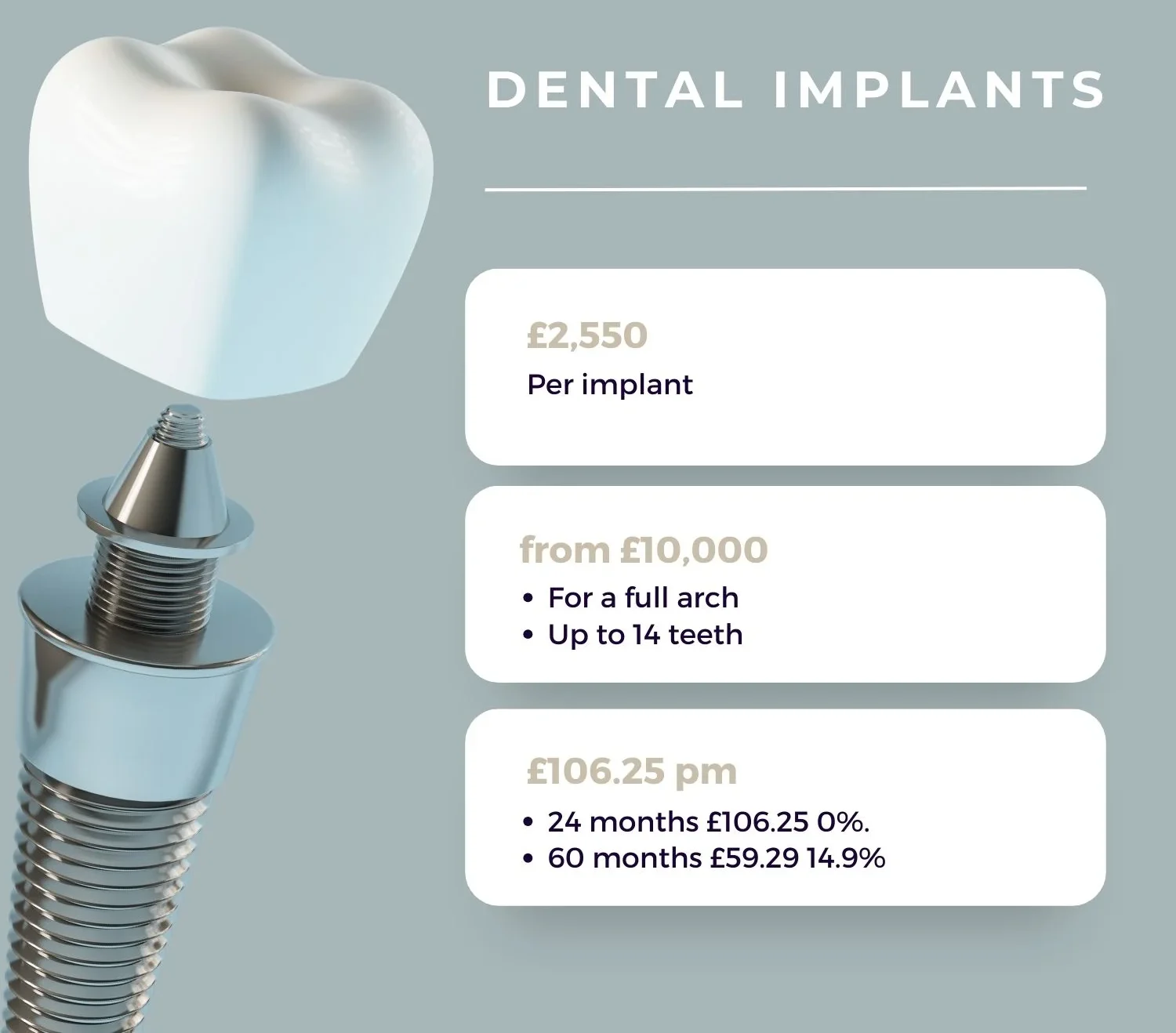
An NHS tooth implant, in principle, is a dental implant provided through NHS dental services. Dental implants NHS are designed to replace missing teeth with artificial roots, typically made of titanium, that fuse with the jawbone. A crown is then attached to the implant, providing a functional and aesthetically pleasing tooth replacement. However, it’s essential to understand the exact implant definition and the scope of NHS dental services to manage expectations.
Understanding the Process
A dental implant procedure involves several steps:
- Assessment: A thorough evaluation by a dentist to determine suitability for an implant.
- Implant Placement: Surgical insertion of the titanium implant into the jawbone.
- Osseointegration: The healing process where the implant fuses with the bone, typically taking a few months.
- Abutment Placement: Attachment of a connector piece to the implant.
- Crown Placement: Fitting of a custom-made crown onto the abutment, completing the tooth replacement.
While the NHS does offer tooth replacement options, access to dental implants is not always guaranteed. Many factors influence whether a patient can receive NHS-funded implants, including medical necessity and specific criteria.
Who Is Eligible for an NHS Tooth Implant?
Eligibility for NHS implants is not universal. The NHS typically prioritizes cases where implants are deemed medically necessary rather than purely cosmetic. Understanding the NHS criteria and qualifying for NHS dental treatment is essential for anyone hoping to receive implant treatment through the NHS.
Priority Cases
The NHS usually considers implants in specific situations:
- Patients who have lost teeth due to trauma or surgery related to medical conditions.
- Individuals with congenital disabilities affecting tooth development.
- Cases where tooth loss significantly impacts speech or eating, affecting overall health.
However, even if you meet these criteria, access to NHS implants can be limited by funding constraints and regional variations in service provision. Many patients find that private dental care or exploring options like dental tourism in Albania provide more accessible and affordable solutions. At Albania Dental Implants, we offer high-quality dental implant services at a fraction of the cost in the UK.
How Much Does an NHS Tooth Implant Cost?
The cost of NHS implants can vary depending on the complexity of the case and the specific NHS band charges applicable at the time of treatment. It’s important to understand NHS dental charges and whether free dental implants on NHS are a possibility.
NHS Dental Charges
NHS dental treatments are categorized into different bands, each with a set price:
- Band 1: Includes examinations, diagnosis, and preventative care (e.g., scaling and polishing).
- Band 2: Covers everything in Band 1, plus fillings, root canal treatment, and extractions.
- Band 3: Includes everything in Bands 1 and 2, plus crowns, dentures, and bridges.
Since dental implants are considered a complex treatment, they often fall under Band 3 charges. However, it’s rare for the NHS to cover the full cost of implants, and even when they do, patients may still need to pay a significant portion. For many, exploring private options or dental tourism can be more cost-effective. Check the cost of dental implants in Albania to see how much you can save!
NHS Tooth Implant vs Private Implant: What’s the Difference?
When considering NHS vs private implants, several key differences emerge, primarily in cost, waiting times, materials, and treatment options. Understanding these distinctions is vital for making an informed decision about your dental care. Many opt for private dental implants due to these differences.
Key Differences
- Cost: NHS implants, when available, are subsidized, but private implants often come with additional costs for premium materials and advanced techniques.
- Waiting Times: NHS waiting lists can be long, while private clinics typically offer quicker appointments.
- Materials and Technology: Private clinics often use the latest technology and a wider range of materials, enhancing the quality and longevity of the implant.
- Treatment Options: Private practices may offer more personalized and comprehensive treatment plans tailored to individual needs.
The implant cost comparison often reveals that while NHS options seem cheaper initially, the limited availability and longer waiting times can make private options more appealing. Furthermore, the higher quality and personalized care in private clinics can provide better long-term outcomes. Albania Dental Implants Services combines affordability with top-tier dental care, making it a smart choice for those seeking quality implants without the high UK costs.
The NHS Tooth Implant Procedure Step-by-Step
The process of how NHS implants are fitted generally follows a standard dental implant steps protocol, although the specifics can vary based on individual cases and the dentist’s approach. Here’s a step-by-step overview of the typical procedure.
Detailed Procedure
- Initial Consultation and Assessment: The dentist evaluates your oral health, takes X-rays or CT scans, and determines if you are a suitable candidate for a dental implant.
- Treatment Planning: A detailed plan is created, outlining the number of implants needed, their placement, and the type of restoration (crown, bridge, or denture).
- Implant Placement: The implant surgery involves surgically inserting the titanium implant into your jawbone. This is usually done under local anesthesia.
- Osseointegration Period: Over the next few months (typically 3-6 months), the implant fuses with the jawbone in a process called osseointegration.
- Abutment Placement: Once osseointegration is complete, a small connector post (abutment) is attached to the implant.
- Final Restoration: A custom-made crown, bridge, or denture is attached to the abutment, completing the restoration.
The recovery process can vary, but most patients experience some discomfort, swelling, and bruising in the days following the implant surgery. Pain medication and proper aftercare are essential for a smooth recovery. At Albania Dental Implants, we provide detailed aftercare instructions and support to ensure our patients have a comfortable and successful implant experience.
Waiting Times and Availability for NHS Tooth Implants
NHS waiting lists for dental treatments, including implants, can be significant. Availability by region also varies, with some areas having longer delays than others. It’s crucial to consider access to NHS implants when planning your dental treatment. The dental surgery times can also be affected by various factors.
Factors Affecting Waiting Times
- Funding Constraints: Limited NHS funding for dental implants can lead to longer waiting lists.
- Regional Variations: Some regions have more resources than others, affecting the availability of implant services.
- Complexity of the Case: More complex cases may require longer treatment times and specialized expertise, further extending waiting times.
Many patients find the long waiting times and limited availability frustrating, prompting them to explore private dental care or options like dental tourism. About Albania Dental Implants, we offer prompt appointments and efficient treatment plans, allowing you to receive high-quality implants without the extensive delays often experienced in the UK.
Common Questions About NHS Tooth Implants
Let’s address some common questions about NHS tooth implants to provide clarity and help you make informed decisions.
What is an NHS tooth implant and how does it work?
An NHS tooth implant is essentially a dental implant procedure offered through the National Health Service. It involves surgically placing a titanium post into the jawbone to act as an artificial tooth root. After the implant integrates with the bone, a crown is attached, providing a functional and aesthetic replacement for a missing tooth. However, availability is limited and subject to specific criteria.
Who can get a tooth implant on the NHS?
Eligibility is restricted and generally prioritized for patients with medical necessity, such as those who have lost teeth due to trauma, surgery for medical conditions, or congenital disabilities. The NHS also considers cases where tooth loss significantly impacts speech or eating. Cosmetic reasons alone are typically not sufficient for NHS-funded implants.
What is the average cost of an NHS tooth implant?
The cost varies depending on the complexity of the case and the applicable NHS band charges. Implants usually fall under Band 3 charges, which cover complex treatments like crowns and dentures. However, patients may still need to pay a significant portion, and full coverage is rare. Private options or dental tourism can be more cost-effective.
Are NHS dental implants available everywhere in the UK?
No, availability varies significantly by region due to differing funding levels and resource allocation. Some areas may have longer waiting lists or limited access to implant services compared to others. This inconsistency often leads patients to seek alternative solutions.
What are the key differences between NHS and private dental implants?
Key differences include:
- Cost: NHS implants are subsidized, but private implants often involve higher costs for premium materials and advanced techniques.
- Waiting Times: NHS lists can be lengthy, while private clinics offer quicker appointments.
- Materials and Technology: Private clinics often use the latest advancements and a wider range of materials.
- Treatment Options: Private practices offer more personalized and comprehensive treatment plans.
How long does the NHS implant process take?
The NHS implant process can take significantly longer due to waiting lists and administrative delays. From initial consultation to final restoration, it may take several months to over a year. Private clinics and dental tourism options generally offer much faster timelines.
Are there alternatives to implants on the NHS?
Yes, the NHS offers alternatives such as dentures and bridges. Dentures are removable appliances that replace missing teeth, while bridges involve anchoring a false tooth to adjacent natural teeth. These options may be more readily available and affordable than implants on the NHS.
What are the long-term results of NHS tooth implants?
When successfully placed and maintained, NHS tooth implants can provide long-lasting tooth replacement. However, long-term results depend on factors such as proper oral hygiene, regular dental check-ups, and overall health. Like any dental treatment, implants may require maintenance or replacement over time.
Alternatives to NHS Tooth Implants
If accessing NHS tooth implants proves challenging, several alternative treatments are available, including NHS dentures and NHS dental bridges. Understanding these alternative treatments can help you find a suitable solution for your missing teeth.
Dentures
Dentures are removable appliances that replace missing teeth and surrounding tissues. They can be full (replacing all teeth in an arch) or partial (replacing some teeth). NHS dentures are a common and affordable option, though they may not offer the same stability and comfort as implants. Check the what are the three types of dentures.
Dental Bridges
Dental bridges fill the gap created by one or more missing teeth. A bridge consists of a false tooth (pontic) anchored to adjacent natural teeth (abutments). NHS dental bridges are a fixed alternative to dentures, providing good stability and aesthetics. However, they require altering the adjacent teeth, which can be a drawback.
Exploring Dental Tourism
For those seeking a long-lasting and stable tooth replacement solution, exploring alternatives such as dental implants in Albania can offer a combination of high-quality treatment and significant cost savings. This can provide a way to achieve the benefits of dental implants without the wait times and high expenses associated with private dental care in the UK.
How to Apply for an NHS Tooth Implant
The process of applying for an NHS tooth implant involves several steps, starting with a visit to your NHS dentist. Understanding the NHS application process and how to get NHS dental treatment is essential.
Steps to Apply
- Initial Consultation: Schedule an appointment with your NHS dentist to discuss your tooth replacement options.
- Assessment and Referral: Your dentist will assess your oral health and determine if you meet the criteria for an NHS implant. If so, they will provide a referral for NHS implants.
- Specialist Appointment: You may need to attend an appointment with a specialist for further evaluation and treatment planning.
- Waiting List: If approved, you will be placed on a waiting list for implant treatment.
Contacting an NHS dentist is the first step in determining your eligibility. Be prepared for potential waiting times and the possibility that your case may not meet the NHS criteria. If you’re seeking a faster and more comprehensive solution, consider contacting Albania Dental Implants for a consultation.
Summary: Is an NHS Tooth Implant Right for You?
Choosing dental treatment is a personal decision, and determining if an NHS implant is suitable depends on your individual circumstances. Consider the benefits, limitations, and alternatives before making a choice. Patient reviews and treatment satisfaction can provide valuable insights.
Key Considerations
- Eligibility: Do you meet the NHS criteria for implant treatment?
- Waiting Times: Are you willing to wait for treatment?
- Cost: Can you afford the NHS charges, or are you seeking more affordable options?
- Treatment Quality: Are you comfortable with the materials and technology used by the NHS, or do you prefer more advanced options?
If you prioritize affordability and are willing to wait, an NHS implant may be a suitable option. However, if you seek faster treatment, higher quality materials, and a more comprehensive approach, exploring private dental care or dental tourism in Albania could be a better choice. Cost of dental implants in Albania are a great consideration for affordable dental care.
Ultimately, the decision is yours. Weigh the pros and cons of each option and choose the one that best fits your needs and preferences.
Ready to transform your smile with high-quality, affordable dental implants? Contact Albania Dental Implants today for a free consultation and discover how we can help you achieve a confident, healthy smile!





