



NHS Implants Dental – What You Need to Know in the UK
NHS implants dental solutions can be a complex topic, but understanding the process, eligibility, costs, and alternatives is crucial for making informed decisions about your dental health in the UK, especially if you are exploring options like dental tourism in Albania.
What Are NHS Dental Implants?
Cluster: dental implants, NHS dentistry, prosthetic teeth, implant procedure
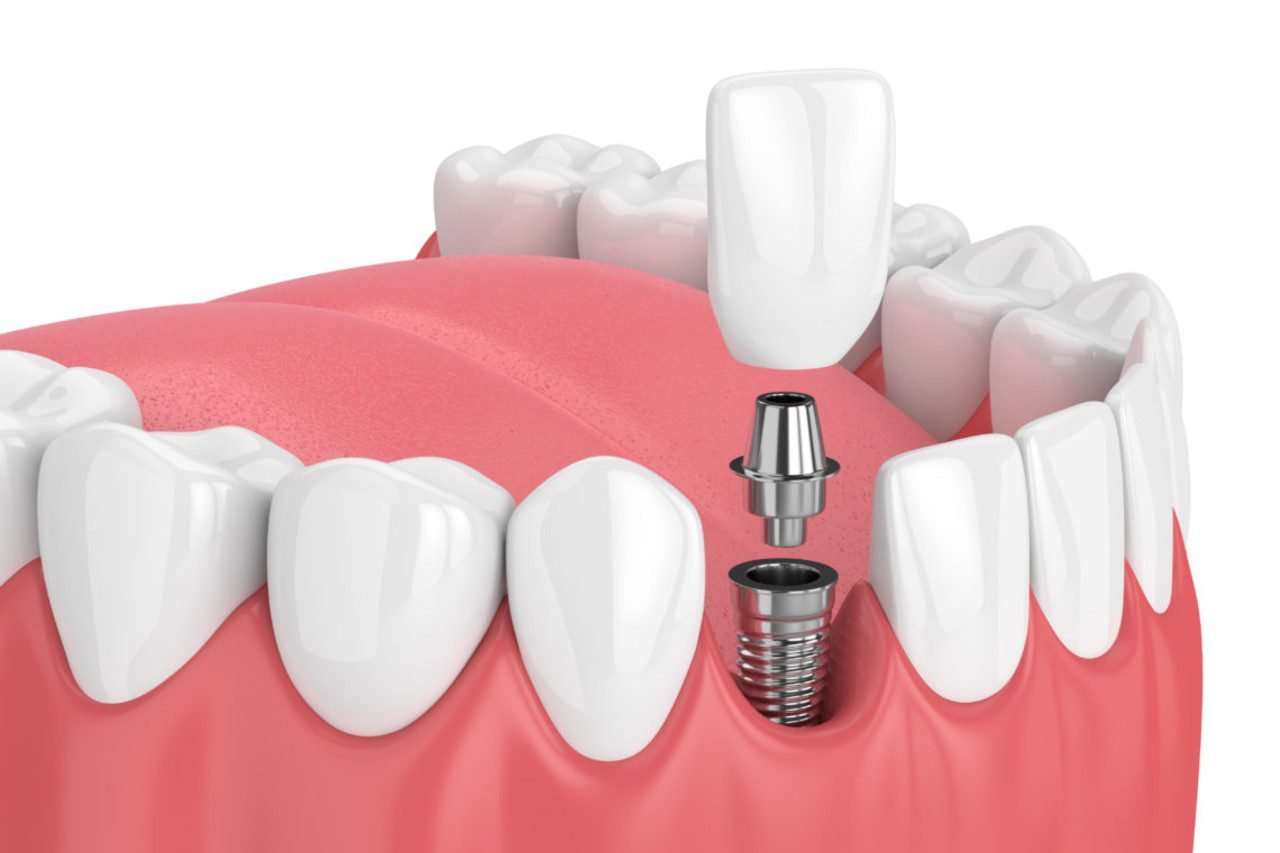
Let’s delve into what NHS implants dental solutions are all about. Dental implants are essentially artificial tooth roots, usually made of titanium, that are surgically placed into your jawbone to support a replacement tooth or teeth. The science behind dental implants is based on osseointegration, where the implant fuses directly with the bone, providing a stable and long-lasting foundation for prosthetic teeth.
NHS Dentistry and Dental Implants
While the NHS provides a range of dental treatments, the availability of dental implants can be limited due to funding constraints and specific eligibility criteria. It’s important to understand that NHS dentistry primarily focuses on essential treatments needed to maintain oral health, which may not always include implants as a standard option.
Dental Implants vs. Other Tooth Replacement Options
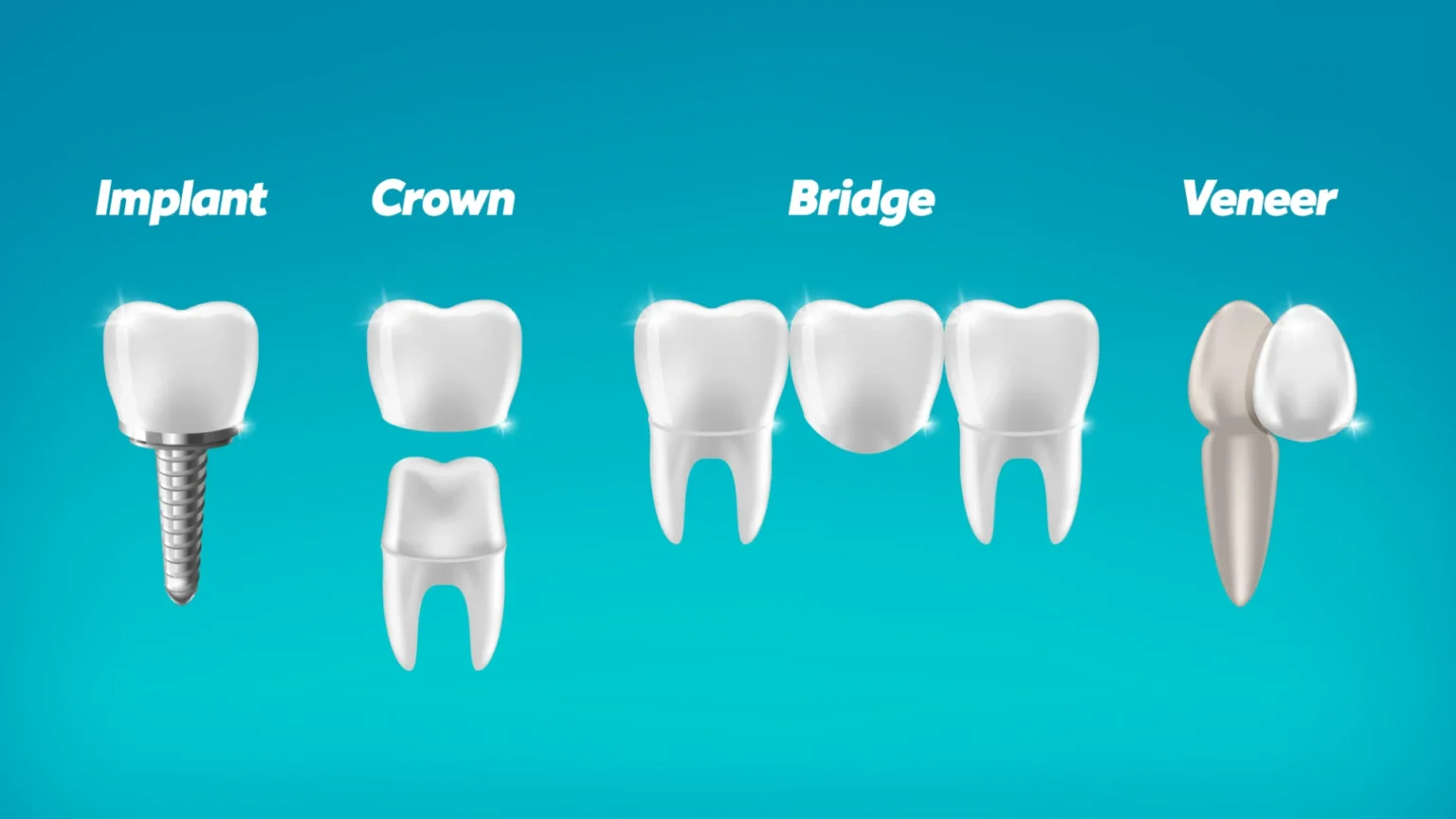
The NHS offers other tooth replacement options such as dentures and bridges. Dentures are removable appliances that can replace multiple teeth, while bridges typically involve anchoring a false tooth to adjacent natural teeth. However, dental implants offer several advantages over these alternatives. Implants are more stable, don’t rely on neighboring teeth for support, and can help prevent bone loss in the jaw.
- Dentures: Removable, less expensive, but can be less stable and may affect speech and eating.
- Bridges: Fixed, but require altering adjacent teeth and may not last as long as implants.
- Dental Implants: Stable, long-lasting, preserve bone, but can be more expensive and require surgery.
Many patients find that exploring options such as full mouth reconstruction in Albania provides superior results at a lower cost.
How Dental Implants Work
The implant procedure typically involves several steps:
- Assessment: A thorough examination, including X-rays or CT scans, to assess your suitability for implants.
- Implant Placement: Surgical placement of the titanium implant into the jawbone.
- Osseointegration: A healing period of several months to allow the implant to fuse with the bone.
- Abutment Placement: Attachment of a connector (abutment) to the implant, which will hold the replacement tooth.
- Crown Placement: Attachment of a custom-made crown to the abutment, creating a natural-looking and functional tooth.
The process can take several months to complete, but the result is a permanent and stable tooth replacement solution.
Who Is Eligible for NHS Implants Dental?
Cluster: NHS dental implant criteria, patient eligibility, NHS guidelines, eligibility assessment
Determining NHS dental implant criteria is a crucial step. Not everyone is automatically eligible for dental implants on the NHS. Strict guidelines are in place to ensure that funding is allocated to cases where it’s deemed clinically necessary. A recent report by the British Dental Association indicates that less than 5% of implant treatments in the UK are funded by the NHS.
Outline of NHS Eligibility Criteria
The NHS primarily provides dental implants in cases where tooth loss has a significant impact on a patient’s quality of life. This often includes situations such as:
- Trauma: Tooth loss due to an accident or injury.
- Congenital Conditions: Missing teeth from birth due to a genetic disorder.
- Cancer Treatment: Tooth loss as a result of cancer surgery or radiation therapy.
In these cases, implants may be considered to restore function and aesthetics, improving the patient’s ability to eat, speak, and maintain their overall well-being.
Medical and Clinical Conditions Affecting Eligibility
Certain medical or clinical conditions can also affect your eligibility for NHS dental implants. These may include:
- Uncontrolled Diabetes: Can impair healing and increase the risk of infection.
- Smoking: Reduces blood flow to the gums and can hinder osseointegration.
- Osteoporosis: May affect bone density and implant stability.
- Certain Medications: Some medications can interfere with bone metabolism.
A thorough medical evaluation is essential to determine if you are a suitable candidate for dental implants.
Assessment and Referral Process via NHS Dentists
The process of accessing NHS dental implants typically begins with an assessment by your general dentist. If they believe you meet the eligibility criteria, they will refer you to a specialist for further evaluation. This referral process can involve:
- Initial Consultation: Discussion of your dental history, concerns, and treatment goals.
- Clinical Examination: Assessment of your teeth, gums, and jawbone.
- Radiographic Imaging: X-rays or CT scans to evaluate bone density and identify any underlying issues.
- Referral to Specialist: If deemed suitable, your dentist will refer you to a specialist implantologist.
The specialist will then conduct a more in-depth assessment and determine if dental implants are the right option for you. If NHS funding is approved, the treatment will be carried out by the specialist within the NHS framework. However, many people find that the strict eligibility criteria and long waiting lists push them to explore alternative, affordable solutions. If you are considering full mouth dental implants, consulting with a dental clinic in Albania can offer significant cost savings.
NHS Implants Dental – Costs and What’s Covered
Cluster: dental implant cost, NHS fees, private vs NHS, treatment cost, financial support
Understanding the dental implant cost on the NHS is crucial. While the NHS may cover some dental implant procedures, it’s essential to know what to expect regarding costs and what is included in the coverage. It is important to note, that NHS funding is typically reserved for cases of medical necessity, such as trauma or congenital defects.
Typical Costs for Dental Implants on the NHS
If you qualify for NHS dental implants, you will typically pay the standard NHS dental charges. As of 2024, these charges are structured into three bands:
- Band 1 (£26.80): Includes examinations, diagnosis, and preventative care.
- Band 2 (£73.50): Covers everything in Band 1, plus fillings, root canal treatment, and extractions.
- Band 3 (£319.10): Includes everything in Bands 1 and 2, plus more complex procedures such as crowns, dentures, and bridges.
Dental implants, when covered, usually fall under Band 3. However, the actual cost can vary depending on the complexity of the case and the specific treatments required. A study by Which? found that the average cost of a single dental implant in the UK, if done privately, ranges from £2,500 to £4,000.
What Is Covered by NHS Funding?
NHS funding for dental implants is typically limited to the implant placement and the initial restoration (crown or bridge). It may not cover additional procedures such as:
- Bone Grafting: If you require bone grafting to increase bone density, this may not be covered.
- Sinus Lifts: Similar to bone grafting, sinus lifts may not be included.
- Temporary Restorations: Temporary crowns or dentures during the healing period may not be covered.
It’s essential to clarify with your dentist exactly what is included in the NHS funding to avoid unexpected costs.
Financial Support and Exemptions
Certain individuals may be eligible for financial support or exemptions from NHS dental charges. This includes:
- Those receiving Income Support, Income-based Jobseeker’s Allowance, Income-related Employment and Support Allowance, or Pension Credit Guarantee Credit.
- Those entitled to or named on a valid NHS Tax Credit Exemption Certificate.
- Those receiving Universal Credit (subject to meeting specific criteria).
It’s crucial to check your eligibility for these exemptions to reduce the cost of dental treatment.
NHS vs. Private Dental Implant Costs
The cost of dental implants on the NHS is significantly lower than private treatment, but the eligibility criteria are strict. Private dental implants offer more flexibility in terms of treatment options and materials but come at a higher cost. This is where dental implants in Albania may be a good option.
For example, a single dental implant in Albania can cost between £500 and £1,000, including the implant, abutment, and crown. This is a substantial saving compared to the average cost of £2,500 to £4,000 in the UK. Many patients find that traveling to Albania for dental treatment can save them thousands of pounds while still receiving high-quality care.
How to Get NHS Implants Dental – The Step-by-Step Process
Cluster: NHS referral process, how to apply, patient pathway, waiting lists
Navigating the NHS referral process can seem daunting. However, understanding the step-by-step process can make it easier to access NHS implants dental treatment. It’s essential to be prepared and know what to expect along the way. For many people, this is where the idea of cosmetic dentistry in Albania starts to be appealing.
Step-by-Step Guide to Accessing NHS Dental Implants
- Initial Consultation with Your Dentist: Discuss your tooth loss and explore possible solutions.
- Assessment for Eligibility: Your dentist will assess if you meet the NHS criteria for dental implants.
- Referral to a Specialist: If eligible, your dentist will refer you to a specialist implantologist.
- Specialist Evaluation: The specialist will conduct a thorough examination and determine if implants are suitable.
- Treatment Planning: A detailed plan will be created, outlining the implant procedure and any additional treatments needed.
- NHS Funding Approval: The specialist will apply for NHS funding for your treatment.
- Implant Placement: Surgical placement of the titanium implant into the jawbone.
- Osseointegration Period: A healing period of several months to allow the implant to fuse with the bone.
- Abutment and Crown Placement: Attachment of the abutment and crown to complete the restoration.
How Referrals Work and What Paperwork Is Needed
The referral process typically involves your dentist completing a referral form and sending it to the specialist implantologist. The paperwork needed may include:
- Referral Form: Completed by your dentist, outlining your dental history and the reason for referral.
- Medical History: Information about any medical conditions or medications you are taking.
- Radiographic Images: X-rays or CT scans of your teeth and jawbone.
- Consent Forms: Signed consent forms for the implant procedure.
Ensure you have all the necessary documents to avoid delays in the referral process.
Waiting Times, Regional Differences, and What to Expect
Waiting times for NHS dental implants can vary depending on your location and the availability of specialists. In some regions, waiting lists can be several months or even years long. Regional differences also exist in terms of the availability of NHS funding for dental implants.
During the waiting period, it’s essential to maintain good oral hygiene and attend regular check-ups with your dentist. You may also be offered temporary tooth replacement options, such as dentures or bridges, to improve your appearance and function while you wait for implants.
NHS Dental Implant Alternatives
Cluster: alternative dental treatments, dentures, bridges, partial dentures, NHS options
Understanding alternative dental treatments is key, especially if you aren’t eligible for dental implants on the NHS. The NHS offers several alternative options for replacing missing teeth, each with its own benefits and drawbacks. Depending on the situation a bone grafting in Albania might be needed first.
Alternatives Offered on the NHS
- Dentures: Removable appliances that can replace multiple teeth.
- Bridges: Fixed restorations that anchor a false tooth to adjacent natural teeth.
- Partial Dentures: Removable appliances that replace some missing teeth, while utilizing remaining natural teeth for support.
These alternatives are often more readily available on the NHS compared to dental implants.
Benefits and Drawbacks of Bridges, Dentures, and Partial Dentures
- Dentures:
- Benefits: Affordable, non-invasive, can replace multiple teeth.
- Drawbacks: Less stable than implants, can affect speech and eating, may require adjustments.
- Bridges:
- Benefits: Fixed, more stable than dentures, natural-looking.
- Drawbacks: Require altering adjacent teeth, may not last as long as implants, can increase the risk of decay in supporting teeth.
- Partial Dentures:
- Benefits: Affordable, can replace multiple teeth, utilize existing teeth for support.
- Drawbacks: Less stable than implants, can affect speech and eating, may require adjustments.
When comparing treatments, the advantages of alternatives are mostly related to lower upfront costs and easier access on the NHS. Disadvantages are mostly related to comfort, long-term oral health, and overall satisfaction.
NHS Implants Dental – Pros and Cons
Cluster: advantages, disadvantages, success rates, risks, recovery
Weighing the advantages and disadvantages of getting dental implants through the NHS is essential for making an informed decision. While NHS dental implants can be a cost-effective solution, there are also potential drawbacks to consider.
Benefits of Getting Dental Implants Through the NHS
- Lower Cost: NHS dental implants are typically more affordable than private treatment.
- Qualified Professionals: Treatment is carried out by qualified and experienced dental professionals.
- Comprehensive Care: The NHS provides comprehensive dental care, including follow-up appointments and maintenance.
Accessing dental implants through the NHS can provide significant cost savings, making it a more accessible option for some individuals.
Potential Disadvantages and Risks
- Strict Eligibility Criteria: Not everyone is eligible for NHS dental implants.
- Long Waiting Lists: Waiting times can be lengthy, delaying treatment.
- Limited Treatment Options: The range of treatment options and materials may be limited compared to private care.
- Potential Risks: As with any surgical procedure, there are potential risks such as infection, nerve damage, and implant failure.
It’s important to be aware of these potential disadvantages and risks before pursuing NHS dental implants. According to a study published in the British Dental Journal, the success rate of dental implants is generally high, but factors such as smoking and poor oral hygiene can increase the risk of failure.
Typical Outcomes and Success Rates
The success rate of dental implants is generally high, with many studies reporting success rates of over 90% after 10 years. However, outcomes can vary depending on individual factors such as:
- Bone Density: Adequate bone density is essential for implant stability.
- Oral Hygiene: Good oral hygiene practices are crucial for preventing infection and maintaining implant health.
- Medical Conditions: Certain medical conditions can affect implant success.
- Lifestyle Factors: Smoking and excessive alcohol consumption can increase the risk of implant failure.
It’s essential to follow your dentist’s instructions carefully and maintain good oral hygiene to ensure the long-term success of your dental implants. However, Albania Dental Implants can offer a more affordable and immediate full set of teeth implants option.
Frequently Asked Questions About NHS Implants Dental
Cluster: patient concerns, NHS dental FAQ, dental implant FAQ, public questions
Addressing common patient concerns about NHS implants dental is vital. Many people have questions about the availability, eligibility, costs, and quality of dental implants on the NHS. Let’s address some of the most frequently asked questions.
Are Dental Implants Available on the NHS in Every Region?
No, dental implants are not uniformly available across all regions of the UK. The provision of dental implants on the NHS depends on the local Clinical Commissioning Group (CCG) and their funding priorities. Some regions may have more stringent eligibility criteria or longer waiting lists than others. Always check regional differences.
What Medical Conditions Might Disqualify Me from NHS Dental Implants?
Certain medical conditions can disqualify you from receiving dental implants on the NHS. These may include uncontrolled diabetes, severe osteoporosis, certain autoimmune disorders, and active cancer treatment. These conditions can impair healing and increase the risk of implant failure. In this case, a safe option might be to travel to Albania Dental Implants.
How Long Is the Waiting List for NHS Implants Dental?
Waiting lists for NHS dental implants can vary significantly depending on your location and the availability of specialists. Waiting times can range from several months to several years. A recent report by the NHS revealed that the average waiting time for specialist dental treatment is approximately 18 months.
Can I Choose My Dentist for NHS Dental Implants?
In most cases, you will not be able to choose your dentist for NHS dental implants. The NHS typically refers patients to a specialist implantologist within their network. However, you can discuss your preferences with your dentist and request a referral to a specific specialist if possible. Also, the option to travel to Albania dental implants reviews might be more appealing.
Are NHS Dental Implants as High Quality as Private Ones?
NHS dental implants are generally of good quality, but the range of materials and techniques available may be more limited compared to private dental care. Private dental implants often offer more advanced technologies, such as CAD/CAM designed restorations and a wider selection of implant systems.
Is There an Age Limit for NHS Implants Dental?
There is generally no strict age limit for NHS dental implants. However, older patients may be subject to additional medical evaluations to assess their overall health and suitability for surgery. It’s more about general health than age.
What Documents Are Needed for an NHS Implant Application?
The documents needed for an NHS implant application may include a referral form from your dentist, medical history, radiographic images (X-rays or CT scans), and consent forms. Ensure you have all the necessary documents to avoid delays in the application process. For those seeking a more immediate and predictable solution, Albania Dental Implants offers a comprehensive range of implant options.
What Happens If My NHS Implant Fails?
If your NHS implant fails, the NHS may provide remedial treatment, such as replacing the implant or exploring alternative tooth replacement options. However, this will depend on the specific circumstances and the availability of funding. Remember to ask: can you get implants on a nhs dentist?
Can I Pay for Upgrades or Cosmetic Extras Alongside NHS Dentistry?
In some cases, you may be able to pay for upgrades or cosmetic extras alongside NHS dentistry, such as opting for a more aesthetically pleasing crown material. However, this will depend on the individual dentist and their policies. Be clear about what can be upgraded.
Will NHS Cover Emergency Implant Repairs?
The NHS will generally cover emergency implant repairs if they are deemed clinically necessary. However, this will depend on the specific circumstances and the availability of funding. If not, then look at other options to finance your dental repairs as described in how to afford dental implants in the uk.
How NHS Implants Dental Compare to Private Implants
Cluster: private vs NHS dental, pros and cons, differences in treatment, quality comparison
Comparing private vs NHS dental implants is essential for understanding your options. Both routes offer solutions for missing teeth, but they differ significantly in terms of cost, eligibility, treatment options, and waiting times.
Procedures, Materials, Wait Times, and Aftercare
- Procedures:
- NHS: Standard procedures with limited customization.
- Private: More advanced techniques, including guided surgery and immediate loading.
- Materials:
- NHS: Basic materials with limited aesthetic options.
- Private: Wide range of high-quality materials, including zirconia and e.max ceramics.
- Wait Times:
- NHS: Lengthy waiting lists, often several months or years.
- Private: Shorter wait times, with treatment often starting within weeks.
- Aftercare:
- NHS: Basic aftercare with limited follow-up appointments.
- Private: Comprehensive aftercare with regular check-ups and maintenance.
Those seeking a more tailored and expedited treatment experience may find private dental implants a more suitable option. If cost is a barrier, patients might want to consider the cost of single dental implants in Turkey.
Long-Term Outcomes
The long-term outcomes of NHS and private dental implants are generally similar, with high success rates reported for both. However, private dental implants may offer better aesthetics and a more comfortable fit due to the use of advanced materials and techniques.
Ultimately, the choice between NHS and private dental implants depends on your individual needs, budget, and preferences. Those seeking the most affordable option may opt for NHS treatment, while those prioritizing aesthetics, customization, and shorter waiting times may prefer private care. To get the perfect Hollywood smile in Albania is also a cost effective choice to make.
Real Patient Experiences with NHS Implants Dental
Cluster: patient testimonials, NHS case studies, public reviews
Examining patient testimonials and public reviews can provide valuable insights into the reality of NHS implants dental treatment. While individual experiences can vary, common themes emerge from patient feedback. However, it’s important to note that direct URLs to specific forums are not included to maintain impartiality.
Summarized Public Feedback
Generally, patients appreciate the reduced cost of NHS dental implants, making them accessible to a wider range of individuals. However, many report dissatisfaction with the long waiting times and limited treatment options.
Anecdotal Reports of Positive Experiences
Some patients have shared positive experiences with NHS dental implants, praising the professionalism and expertise of the dental staff. They report improved quality of life, enhanced confidence, and the ability to eat and speak more comfortably.
Anecdotal Reports of Negative Experiences
Other patients have reported negative experiences, citing issues such as implant failure, complications during surgery, and inadequate aftercare. Some have also expressed frustration with the limited communication and lack of personalized attention. Negative experiences mostly stem from patients that didn’t meet eligibility criteria.
How to Find NHS Dentists Offering Dental Implants
Cluster: NHS dentists, referral centers, NHS practices, local availability
Finding NHS dentists offering dental implants can be challenging. It’s essential to know where to look and how to navigate the NHS dental system to access the treatment you need.
Guide for Finding an NHS Dental Practice That Accepts Implant Referrals
- Contact Your Local NHS Dental Practice: Start by contacting your local NHS dental practice and asking if they offer dental implants or accept referrals for implant treatment.
- Check the NHS Website: Use the NHS website to search for dental practices in your area that offer implant services.
- Ask Your Dentist for a Referral: If your dentist doesn’t offer implants, ask for a referral to a practice that does.
- Contact the Local Clinical Commissioning Group (CCG): Contact your local CCG for a list of dental practices in your area that provide NHS dental implants.
It’s important to be proactive and persistent in your search, as not all NHS dental practices offer implant treatment.
Tips for Navigating the NHS Dental System
- Be Prepared to Wait: Waiting lists for NHS dental implants can be lengthy, so be prepared to wait for treatment.
- Gather All Necessary Documents: Ensure you have all the necessary documents, such as referral forms and medical history, to avoid delays.
- Ask Questions: Don’t hesitate to ask your dentist or specialist questions about the implant procedure, costs, and aftercare.
- Maintain Good Oral Hygiene: Maintain good oral hygiene practices to improve your chances of a successful outcome.
While navigating the NHS system may require patience and persistence, accessing dental implants through the NHS can provide significant cost savings. If, however, you are looking for an alternative that is both quicker and affordable, dental implants in Albania is a good option.





