



Tooth Implant NHS – What You Need to Know in the UK
Tooth implant NHS procedures are available for some patients in the UK, but strict criteria apply, and the process differs substantially from private dental implants. Understanding the NHS options and comparing them to private alternatives is crucial for making an informed decision about your dental health. If you are not eligible for NHS implants, Albania Dental Implants offers an affordable, high-quality solution for restoring your smile.
What Are NHS Dental Implants?
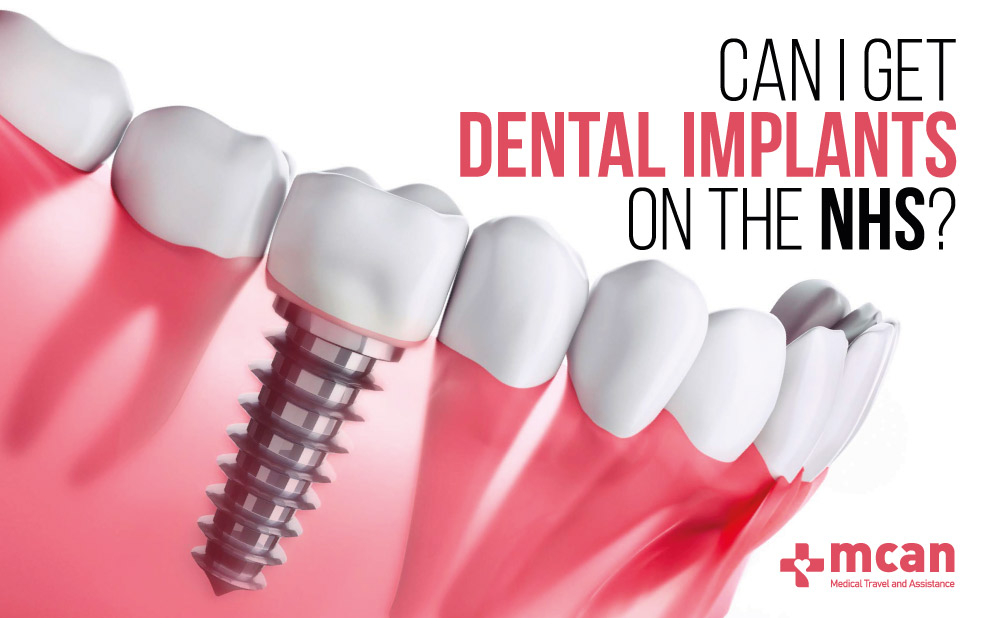
The term ‘nhs dental implants’ refers to dental implant treatment provided under the National Health Service (NHS) in the UK. Dental implants are a long-term solution for missing teeth, involving surgically placing a titanium post into the jawbone, which then supports a replacement tooth or teeth. However, accessing NHS dental implants is not straightforward, with significant restrictions and criteria in place.
How NHS Provides (or Restricts) Access to Implants
Unlike some other dental treatments, NHS funding for implants is limited and typically reserved for specific cases of medical necessity. This means that while the NHS recognizes the benefits of dental implants, they aren’t widely available. Funding decisions are often made on a case-by-case basis by local NHS trusts. Most people who think, I want all my teeth removed and replaced uk, find that the NHS has limited funding.
Differences Between NHS and Private Dental Implants
The main differences lie in eligibility, waiting times, and the range of options available. NHS implants are subject to strict criteria and long waiting lists, while private dental care offers more immediate access and a wider selection of implant types and materials. It is also important to be aware of nhs dental implants eligibility. There are strict criteria to be met. For those seeking quicker solutions and greater choice, exploring options like dental tourism in Albania can provide affordable, high-quality alternatives.
Who Is Eligible for Tooth Implant NHS Treatment?
When considering nhs dental implant eligibility, the NHS generally restricts implant treatment to patients with specific clinical needs, rather than for general tooth replacement. This ensures that limited resources are directed to the most pressing cases.
NHS Eligibility Criteria
Common reasons for NHS implant consideration include:
- Trauma: Significant facial trauma resulting in tooth loss.
- Cancer: Patients who have lost teeth due to cancer treatment or surgery.
- Congenital Conditions: Individuals born with missing teeth (hypodontia) or other developmental conditions.
It’s very unlikely that you can get a tooth implant on the NHS for cosmetic reasons.
NHS Dentist Referral Process
The first step is to consult with your general NHS dentist. If they believe you meet the eligibility criteria, they will refer you to a specialist for assessment. The referral process can be lengthy, and approval is not guaranteed. The nhs dentist referral is essential to starting the process.
Documentation and Assessments Required
Expect to provide detailed medical history, dental records, and potentially undergo X-rays or scans. The specialist will assess your overall oral health, bone density, and suitability for implant surgery. The paperwork do I need for an NHS dental implant referral can include detailed medical history and assessments from specialists.
Tooth Implant NHS Waiting List and Process
Navigating the nhs dental implant waiting list and process can be a test of patience. Due to high demand and limited resources, waiting times can be considerable.
Typical Waiting Times and Steps
The process typically involves these stages:
- Initial Consultation: Assessment by your general dentist.
- Specialist Referral: If eligible, your dentist refers you to a specialist.
- Assessment Appointment: The specialist evaluates your case and suitability.
- Treatment Planning: Developing a detailed plan for implant placement.
- Surgery: Implant placement.
- Osseointegration: Waiting period for the implant to fuse with the bone (typically several months).
- Abutment and Crown Placement: Attaching the connecting piece and final restoration.
- Aftercare: Regular check-ups and maintenance.
Factors Influencing Waiting Times
Several factors affect how long you might wait:
- NHS Trust: Waiting times vary between different NHS trusts and regions.
- Location: Urban areas often have longer waiting lists due to higher demand.
- Funding: Limited funding can cause delays and prioritization of cases.
The nhs implant procedure duration will vary depending on the complexity of the case and individual healing times.
What Does a Tooth Implant Cost on the NHS?
Understanding nhs dental implant costs requires a look at how the NHS charges for dental treatments. While some NHS services are free (e.g., for those under 18 or those receiving certain benefits), most adults pay for dental care.
Explanation of Standard NHS Dental Charges
NHS dental charges are divided into bands:
- Band 1 (£26.80): Examination, diagnosis, and preventative care.
- Band 2 (£73.50): Includes Band 1, plus fillings, root canal treatment, and extractions.
- Band 3 (£319.10): Includes Bands 1 and 2, plus crowns, dentures, and bridges.
Dental implants typically fall under Band 3, but because they are rarely offered, the actual cost to the patient might only cover the assessment and any necessary preparatory work, not the implant itself.
Comparison with Private Implant Costs
Private dental implants in the UK can range from £2,500 to £4,000 per tooth, depending on location, dentist expertise, and materials used. This is a significant difference compared to potential NHS charges, but reflects the greater availability and choice offered privately. You can save a considerable amount on the cost of dental implants in Albania, and still get high quality treatment.
Are NHS Dental Implants Really ‘Free’?
In reality, NHS dental implants are rarely ‘free’. While the initial assessment might be covered under standard NHS charges, the implant procedure itself is usually only provided if specific criteria are met, and even then, patients may need to contribute to the cost. It’s important to be aware of nhs dental charge bands when discussing treatment options with your dentist.
Alternatives to NHS Dental Implants
If NHS dental implants aren’t an option, either due to eligibility or waiting times, several alternatives to nhs dental implants exist. Each has its own advantages and disadvantages.
Dentures
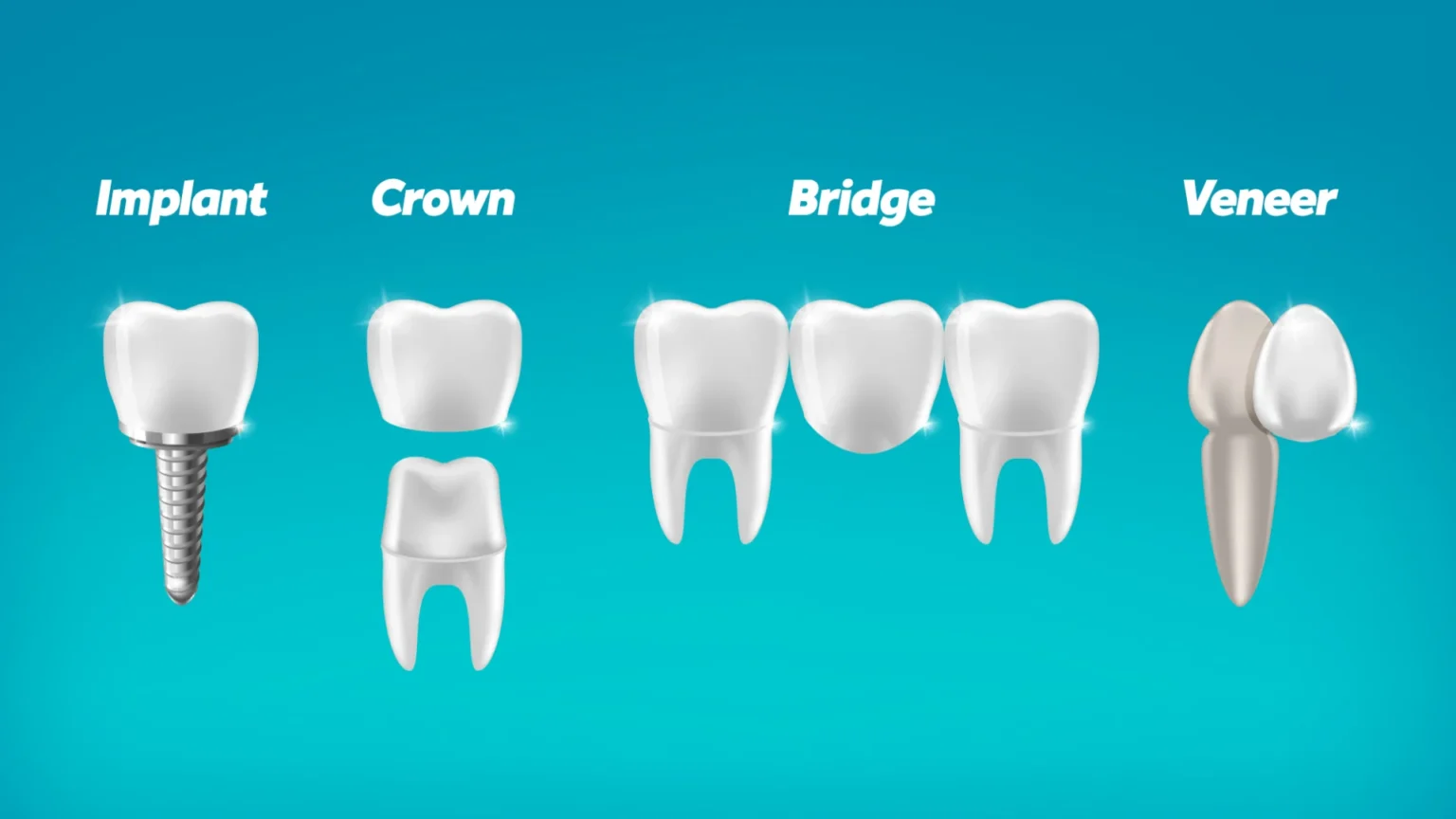
Dentures are removable replacements for missing teeth. They are a more affordable option compared to implants, but can be less stable and require more maintenance. There are different types of dentures, including full and partial dentures, depending on the number of missing teeth.
Bridges
Dental bridges involve anchoring a false tooth to adjacent natural teeth. Bridges are a fixed solution, offering more stability than dentures, but they require altering the structure of the supporting teeth. There is the alternative of single tooth implants in Albania.
Private Implant Options
Opting for private dental implants provides faster access to treatment and a wider range of options. While more expensive, private care allows for personalized treatment plans and the use of advanced techniques and materials. You could also consider full mouth reconstruction in Albania.
What is the Best Alternative to Dental Implants?
The best alternative to dental implants varies according to patients’ individual needs and circumstances, but common options include dental bridges and dentures. Finding the right solution depends on factors like your oral health, budget, and desired outcome. Exploring alternatives to dental implants is an important step before any dental work.
NHS Dental Implants Versus Private: Key Differences
Choosing between nhs vs private dental implants involves considering several factors. Here’s a comparison to help you make an informed decision:
Comparison Table: NHS vs Private Dental Implants
| Factor | NHS Dental Implants | Private Dental Implants |
|---|---|---|
| Eligibility | Strict criteria (trauma, cancer, congenital conditions) | Fewer restrictions, broader eligibility |
| Cost | Potentially lower initial cost, but limited availability | Higher upfront cost, but more options and faster access |
| Waiting Time | Long waiting lists, potentially several months to years | Shorter waiting times, flexible scheduling |
| Aftercare | Standard NHS aftercare | Potentially more comprehensive aftercare packages |
| Clinical Expertise | Qualified specialists, but potentially less choice | Wider range of specialists, advanced techniques |
When Private May Be Preferable/Practical
Private dental implants may be preferable if you:
- Don’t meet NHS eligibility criteria.
- Need immediate treatment.
- Want a wider range of implant options.
- Prefer more personalized care and attention.
Considering cost of dental implants in Albania offers more choice and accessibility. The NHS may not be suitable in such cases.
What to Expect – The NHS Dental Implant Procedure
The nhs dental implant process follows a structured approach, from initial assessment to final restoration. Understanding each step can help you prepare for the journey.
Step-by-Step Overview
- Initial Assessment: Your general dentist evaluates your oral health and determines if you are a suitable candidate for a referral.
- Referral to Specialist: If eligible, you are referred to a specialist clinic.
- Specialist Consultation: The specialist assesses your case in detail, including X-rays and scans.
- Treatment Planning: A personalized treatment plan is developed, outlining the implant procedure and timeline.
- Implant Placement: The titanium implant is surgically placed into your jawbone.
- Osseointegration Period: A waiting period of several months allows the implant to fuse with the bone.
- Abutment Placement: Once osseointegration is complete, an abutment (connecting piece) is attached to the implant.
- Crown Placement: A custom-made crown is fitted onto the abutment, completing the restoration.
- Follow-up and Maintenance: Regular check-ups and professional cleanings ensure the long-term success of the implant.
Recovery and Aftercare Advice Specific to NHS Context
NHS aftercare typically includes:
- Pain Management: Prescriptions for pain relief medication.
- Hygiene Instructions: Guidance on cleaning and maintaining the implant.
- Follow-up Appointments: Scheduled check-ups to monitor healing and stability.
Be sure to follow all instructions provided by your dental team and attend all scheduled appointments. It is also important to discuss nhs dental implants aftercare in advance.
FAQs about Tooth Implant NHS
Can I get a tooth implant on the NHS for cosmetic reasons?
No, the NHS primarily funds dental implants for medical necessity, not cosmetic purposes. NHS funding typically covers cases involving trauma, cancer, or congenital conditions, where tooth loss significantly impacts function or health.
How long is the wait for NHS dental implants?
Waiting times for NHS dental implants can vary significantly depending on the region, NHS trust, and the complexity of the case. Some patients may wait several months, while others could face a waiting list of a year or more due to limited funding and high demand.
What paperwork do I need for an NHS dental implant referral?
The paperwork required for an NHS dental implant referral typically includes your medical history, dental records, and any relevant X-rays or scans. Your dentist and the specialist will guide you on the specific documentation needed for your case.
Can children get implants on the NHS?
Children can sometimes receive dental implants on the NHS, but only in exceptional circumstances. Eligibility is usually limited to cases of congenital conditions or significant trauma resulting in tooth loss. The decision is made on a case-by-case basis by the NHS specialist.
What’s included and excluded in NHS implant aftercare?
NHS implant aftercare generally includes basic follow-up appointments, hygiene advice, and prescriptions for pain relief. However, more extensive aftercare services, such as specialized cleaning or additional consultations, may not be covered. It’s important to clarify the scope of aftercare with your dental team.
How long do NHS dental implants last?
The longevity of NHS dental implants is similar to that of private implants, typically lasting 10-15 years or more with proper care and maintenance. Factors like oral hygiene, lifestyle, and overall health influence the lifespan of the implant.
If I’m not eligible, what are my options?
If you are not eligible for NHS dental implants, several options remain, including:
- Private Dental Implants: Consider private dental clinics for a wider range of options and faster treatment.
- Dentures: Explore partial or full dentures as a removable alternative.
- Dental Bridges: Opt for a fixed bridge to replace missing teeth.
- Dental Tourism: Traveling abroad for cheaper high-quality dental treatment at Albania Dental Implants Services, can be an effective way to reduce costs.
Will my NHS dentist tell me if I qualify?
Yes, your NHS dentist will assess your eligibility based on the NHS criteria and advise you on whether you qualify for a referral. If they believe you meet the requirements, they will initiate the referral process to a specialist clinic for further evaluation.





