




How long do teeth implants last? This is a critical question for anyone considering dental implants as a permanent solution for missing teeth. Understanding the factors that influence dental implant longevity is crucial for making an informed decision and ensuring a successful, long-lasting solution for tooth replacement. At Albania Dental Implants, we strive to provide our patients with the highest quality care and durable implant solutions. This article explores the lifespan of dental implants and how you can maximise their lifespan.
What is a dental implant?
Before delving into the longevity of dental implants, let’s define what they are. Understanding the dental implant overview and tooth implant definition will provide a solid foundation for the rest of this discussion.
Dental Implant Overview
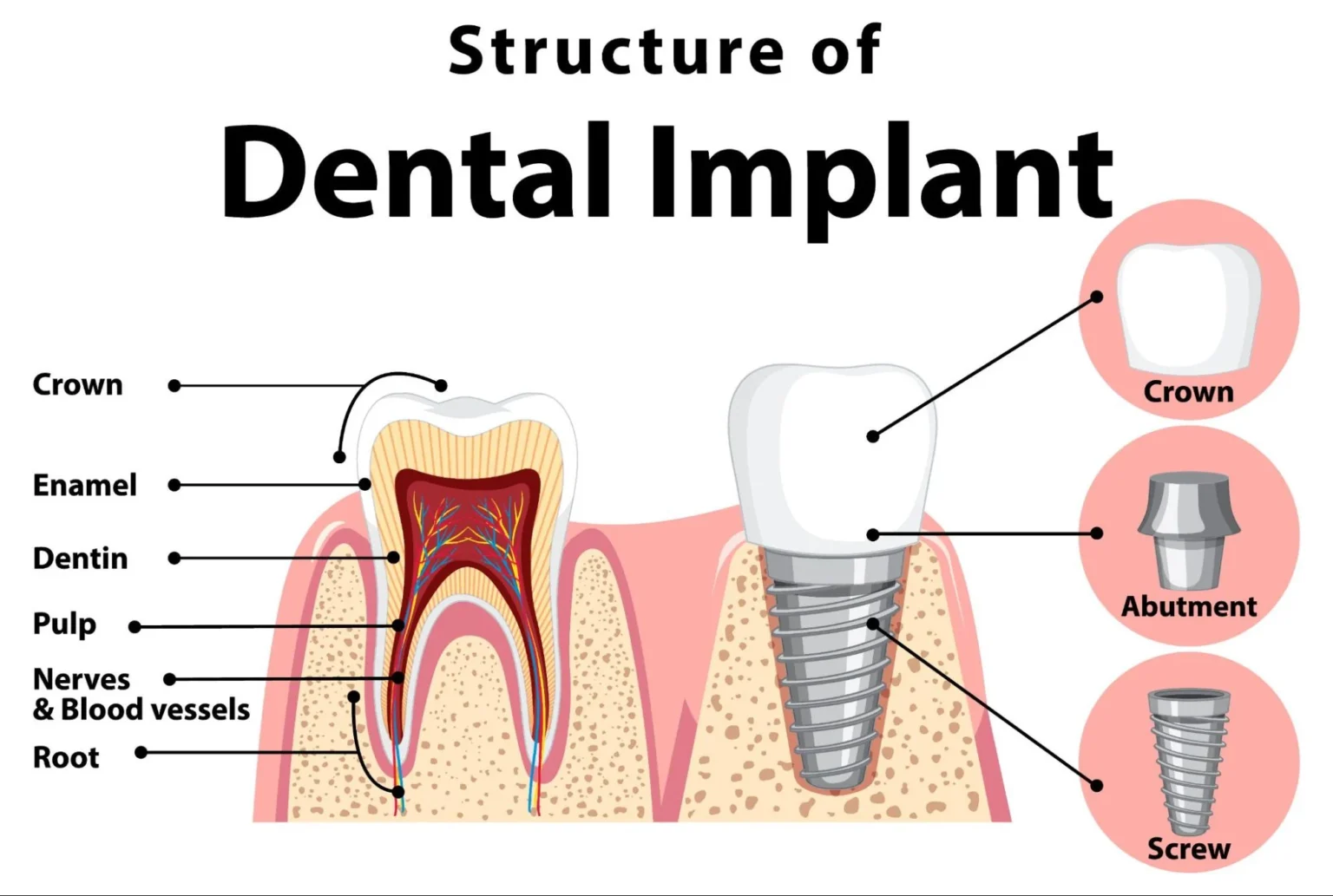
A dental implant is a small, biocompatible post, usually made of titanium, that is surgically placed into the jawbone where a tooth is missing. This post acts as a replacement for the tooth root. Over time, the bone fuses with the implant through a process called osseointegration, creating a strong and stable foundation. Once the implant is securely integrated, a custom-made artificial tooth, or crown, is attached to the implant, providing a natural-looking and functional replacement for the missing tooth.
Tooth Implant Definition
In simpler terms, a tooth implant is an artificial tooth root that supports a replacement tooth. It’s designed to mimic the function and appearance of a natural tooth. Dental implants offer several advantages over other tooth replacement options, such as dentures and bridges, including improved stability, durability, and aesthetics. Many UK residents consider dental implants in Albania for their cost-effectiveness.
Average lifespan of a dental implant
The average dental implant longevity is a significant consideration for anyone investing in this treatment. While individual results may vary, understanding the average dental implant lifespan and how long do dental implants last can help you set realistic expectations.
How Long Do Dental Implants Last on Average?
Generally, dental implants are designed to be a long-term solution. With proper care and maintenance, many dental implants can last for 25 years or even a lifetime. Studies have shown that the success rate of dental implants after 10 years is around 90-95%. This high success rate highlights the durability and reliability of dental implants as a tooth replacement option. Consider the long-term benefits and potential need for tooth implant replacement when making your decision.
Factors Influencing Implant Longevity
It’s important to note that the actual lifespan of a dental implant can be influenced by various factors, which we will discuss in more detail in the next section. These factors include oral hygiene, lifestyle habits, and overall health. By understanding and addressing these factors, you can increase the likelihood of your dental implants lasting for many years to come.
Factors affecting how long teeth implants last
Several factors can affect dental implant durability. These include general oral health, habits, and medical conditions. It’s crucial to be aware of these factors to maximise the longevity of your dental implants. Oral hygiene and implant longevity are intrinsically linked. At Albania Dental Implants, we will guide you through these factors and how to mitigate negative influences.
Oral Hygiene and Its Impact
Maintaining excellent oral hygiene is paramount for the long-term success of dental implants. Just like natural teeth, implants can accumulate plaque and tartar, leading to inflammation and infection of the surrounding tissues. This condition, known as peri-implantitis, can cause bone loss around the implant, eventually leading to implant failure. To ensure optimal oral hygiene:
- Brush your teeth at least twice a day with a soft-bristled toothbrush.
- Use interdental brushes or floss to clean between the implants and adjacent teeth.
- Consider using an antimicrobial mouthwash to reduce bacteria in the mouth.
- Attend regular dental check-ups and professional cleanings to remove plaque and tartar buildup.
Lifestyle Factors: Smoking and Dental Implants
Smoking is a significant risk factor for dental implant failure. Smoking and dental implants don’t mix well. Tobacco use impairs the healing process and reduces blood flow to the gums, which can compromise osseointegration and increase the risk of infection. Studies have shown that smokers have a significantly higher dental implant failure rate compared to non-smokers. If you are a smoker, it’s strongly recommended that you quit before getting dental implants to improve your chances of success. Even after implant placement, quitting smoking is crucial for maintaining long-term implant health.
Medical Conditions Affecting Implant Survival
Certain medical conditions can also affect the survival of dental implants. Medical conditions affecting implant survival include:
- Diabetes: Uncontrolled diabetes can impair wound healing and increase the risk of infection, which can affect osseointegration.
- Osteoporosis: This condition weakens the bones, potentially reducing the support for dental implants.
- Autoimmune Diseases: Conditions like rheumatoid arthritis and lupus can affect the body’s ability to heal and may increase the risk of implant failure.
It’s essential to inform your dentist about any medical conditions you have and any medications you are taking. They can assess your individual risk factors and develop a treatment plan to minimise potential complications. In some cases, managing underlying health conditions may be necessary before proceeding with dental implant placement.
Dental crown versus implant: longevity comparison
When considering dental implants, it’s important to understand the difference in longevity between the dental crown lifespan and the implant itself. While the implant is designed to be a permanent fixture, the crown may need replacement over time. A discussion about tooth implant replacement should encompass both components.
Dental Crown Lifespan
The dental crown, which is the visible part of the replacement tooth, typically has a lifespan of 10 to 15 years. However, with proper care and maintenance, some crowns can last even longer. Factors that can affect the lifespan of a dental crown include:
- Biting forces and habits (e.g., teeth grinding or clenching)
- Oral hygiene
- Diet
Over time, the crown may experience wear and tear, chipping, or cracking. In some cases, the crown may need to be replaced due to aesthetic reasons, such as discolouration or changes in the gum line. Consider dental crowns in Albania as a cost-effective alternative.
Implant Longevity vs. Crown Longevity
While the dental crown may need replacement periodically, the dental implant itself is designed to last much longer. As mentioned earlier, many dental implants can last for 25 years or even a lifetime with proper care. This means that while you may need to replace the crown a few times during your life, the implant can remain a stable and permanent foundation for your replacement tooth. It is also worth considering a full mouth reconstruction in Albania. Understanding this distinction is crucial for setting realistic expectations about the long-term maintenance and costs associated with dental implants.
Dental implant maintenance and aftercare
Proper dental implant maintenance and dental implant aftercare are essential for increasing dental implant lifespan. By following a consistent oral hygiene routine and attending regular dental check-ups, you can significantly extend the life of your implants.
Daily Oral Hygiene Routine
Maintaining a meticulous daily oral hygiene routine is crucial for preventing complications and ensuring the longevity of your dental implants. This routine should include:
- Brushing your teeth at least twice a day with a soft-bristled toothbrush and fluoride toothpaste.
- Using interdental brushes or floss to clean between the implants and adjacent teeth.
- Using a Waterpik or oral irrigator to remove debris and bacteria from hard-to-reach areas.
- Rinsing with an antimicrobial mouthwash to reduce bacteria in the mouth.
Be sure to follow your dentist’s specific recommendations for oral hygiene, as they may vary depending on your individual needs.
Regular Dental Check-ups and Cleanings
In addition to your daily oral hygiene routine, it’s essential to attend regular dental check-ups and professional cleanings. During these appointments, your dentist can assess the health of your implants and surrounding tissues, remove any plaque or tartar buildup, and identify any potential problems early on. The recommended frequency of dental check-ups and cleanings may vary depending on your individual needs, but generally, it’s advisable to visit your dentist every six months.
Lifestyle Adjustments for Implant Longevity
Making certain lifestyle adjustments can also contribute to the longevity of your dental implants. These adjustments may include:
- Quitting smoking
- Avoiding excessive alcohol consumption
- Maintaining a healthy diet
- Avoiding biting on hard objects (e.g., ice, hard candy)
- Managing any underlying medical conditions
By adopting these healthy habits, you can create a favourable environment for your dental implants to thrive. Consider taking a dental tourism in Albania to ensure the best possible maintenance for your implants.
Dental implant failure: causes and signs
Despite their high success rate, dental implant failure can occur. Being aware of the dental implant failure rate, signs dental implants are failing, and potential dental implant complications can help you seek timely treatment and potentially save your implant.
Common Causes of Dental Implant Failure
Several factors can contribute to dental implant failure, including:
- Peri-implantitis: This is an infection of the tissues surrounding the implant, leading to bone loss and eventual implant failure.
- Poor Osseointegration: If the implant does not properly fuse with the jawbone, it can become loose and fail.
- Infection: Infection at the implant site can hinder healing and lead to implant failure.
- Nerve Damage: In rare cases, nerve damage during implant placement can cause pain and discomfort.
- Sinus Problems: Implants in the upper jaw can sometimes protrude into the sinus cavity, causing sinus problems.
- Poor Planning: Inadequate planning before implant placement can lead to incorrect positioning or angulation, increasing the risk of failure.
Recognising the Signs of Implant Failure
Early detection of dental implant problems is crucial for successful treatment. Some common signs that a dental implant may be failing include:
- Pain or discomfort around the implant
- Swelling or redness of the gums around the implant
- Loosening of the implant or crown
- Difficulty chewing or biting
- Receding gums around the implant
- Bad taste or odour in the mouth
If you experience any of these signs, it’s essential to contact your dentist immediately for evaluation. Ignoring these symptoms can lead to further complications and eventual implant failure. In some cases, bone grafting in Albania can help address bone loss and improve the chances of implant survival.
How much do dental implants cost—and is longevity worth it?
The cost of dental implants is a significant consideration for many people. However, it’s important to weigh the cost of dental implants against their long-term value and durability. A careful consideration of dental implant value is essential, especially when assessing dental implant insurance options.
Understanding the Cost of Dental Implants
The cost of dental implants can vary depending on several factors, including:
- The number of implants needed
- The type of implant used
- The complexity of the procedure
- The location of the dental practice
While dental implants may have a higher upfront cost compared to other tooth replacement options, such as dentures or bridges, they offer several long-term benefits that can make them a worthwhile investment. This is especially true when considering affordable dental implants in Albania.
Long-Term Value and Benefits
Dental implants offer numerous long-term benefits, including:
- Improved aesthetics and confidence
- Enhanced chewing ability and speech
- Prevention of bone loss in the jaw
- Improved stability and durability compared to other tooth replacement options
- Potential for a lifetime solution with proper care
When considering the long-term value and benefits of dental implants, many people find that the initial cost is justified. Cost of dental implants in Albania can be significantly lower, making them an attractive option for those seeking quality and affordability. It is also worth considering all on 4 dental implants in Albania.
Frequently Asked Questions about how long teeth implants last
Here are some frequently asked questions about the longevity of dental implants:
How long do teeth implants last on average?
On average, dental implants can last for 25 years or even a lifetime with proper care and maintenance. Studies have shown a 90-95% success rate after 10 years, highlighting their durability.
Can dental implants last a lifetime?
Yes, dental implants can last a lifetime if properly cared for. This includes maintaining excellent oral hygiene, attending regular dental check-ups, and avoiding habits that can damage the implants, such as smoking.
What causes dental implants to fail early?
Early dental implant failure can be caused by factors such as poor oral hygiene leading to peri-implantitis, smoking, certain medical conditions like uncontrolled diabetes, and inadequate bone support.
How do you maintain your dental implants?
To maintain dental implants, brush at least twice daily, use interdental brushes or floss, use a Waterpik, and rinse with antimicrobial mouthwash. Regular dental check-ups and professional cleanings are also essential.
Are dental implants permanent?
While the implant post is designed to be a permanent fixture, the dental crown (the artificial tooth) may need replacement every 10-15 years due to wear and tear.
How often will I need to replace my dental crown on an implant?
You will likely need to replace your dental crown every 10-15 years. This depends on factors like biting forces, oral hygiene, and diet.
Is the cost of dental implants justified by their longevity?
Yes, the cost of dental implants is often justified by their longevity and long-term benefits, such as improved aesthetics, chewing ability, and prevention of bone loss. Moreover, Albania Dental Implants provides high-quality implants at affordable rates.
How does dental implant lifespan compare to dentures or bridges?
Dental implants typically last much longer than dentures or bridges. Dentures may need to be replaced every 5-10 years, while bridges may last 10-15 years. Dental implants, with proper care, can last a lifetime.
What habits reduce dental implant lifespan?
Habits that reduce dental implant lifespan include smoking, excessive alcohol consumption, poor oral hygiene, grinding or clenching teeth, and biting on hard objects.
Are there warning signs that my dental implant is failing?
Yes, warning signs of a failing dental implant include pain, swelling, redness, loosening of the implant or crown, difficulty chewing, receding gums, and a bad taste or odour in the mouth. Contact your dentist immediately if you experience these signs.
Investing in dental implants is a significant decision, but understanding their potential longevity and the factors that influence it can help you make an informed choice. At contact Albania Dental Implants, we’re committed to providing durable, high-quality implant solutions to restore your smile and confidence. With proper care and maintenance, your dental implants can last for many years to come, offering a permanent and functional solution for missing teeth. It is also worth considering cosmetic dentistry in Albania. If you are seeking quality and affordability, consider Albania Dental Implants Services.





