



What to Expect During the Tooth Implant Procedure
The thought of a tooth implant procedure can be daunting, but understanding the steps involved can ease your anxiety. Modern techniques and anaesthesia ensure a relatively pain-free experience during the surgery itself.
Steps of the Implant Process
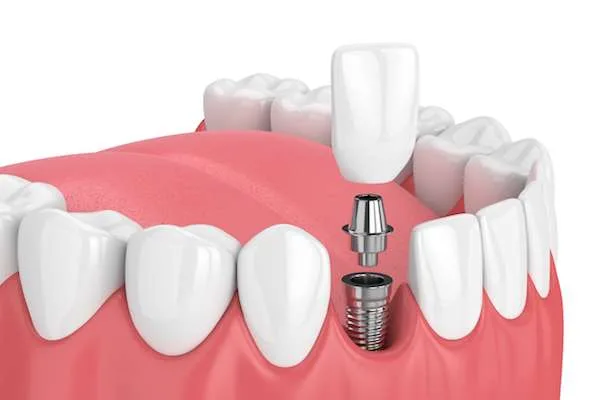
The dental implant process typically involves several stages:
- Consultation and Assessment: Your dentist will conduct a thorough examination, including X-rays or CT scans, to assess your bone density and determine the optimal placement for the implant. This initial assessment is crucial for planning a successful procedure.
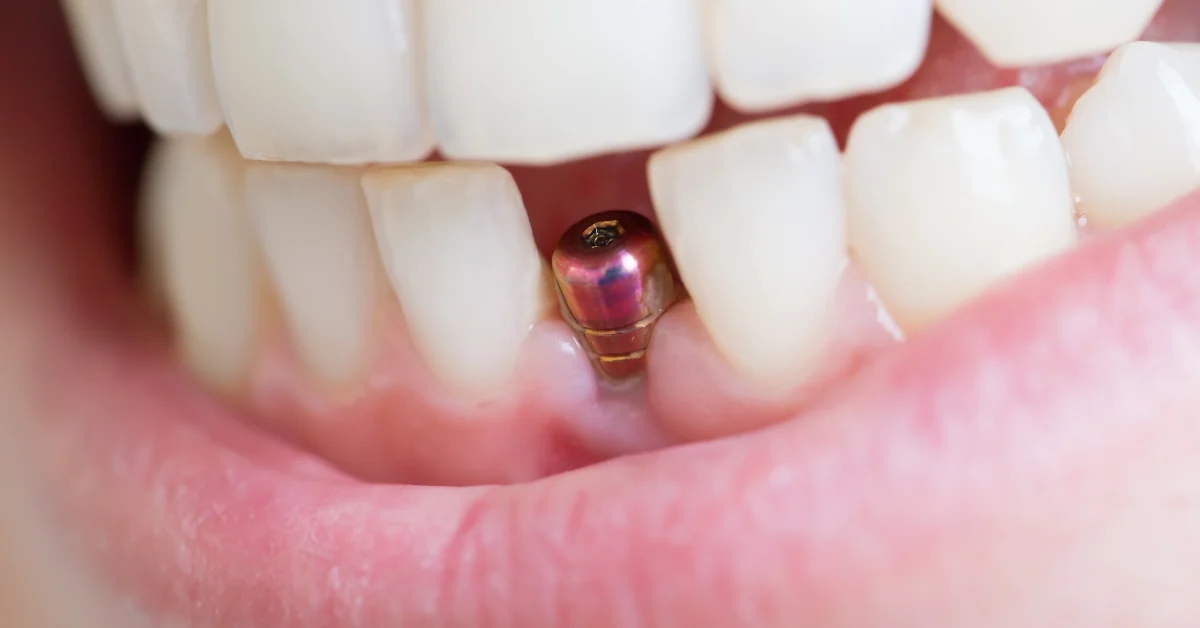
- Implant Placement: This is the surgical phase where the dentist will insert the titanium implant into your jawbone.
- Osseointegration: Over several months, the implant fuses with your jawbone in a process called osseointegration. This creates a strong and stable foundation for the replacement tooth.
- Abutment Placement: Once osseointegration is complete, an abutment (a connector piece) is attached to the implant.
- Crown Placement: Finally, a custom-made crown, which looks and functions like a natural tooth, is attached to the abutment.
Dental Implant Anaesthesia and Pain Management
Local anaesthesia is always used to numb the area where the implant will be placed. This ensures that you don’t feel any pain during the surgery. In addition to local anaesthesia, various sedation options are available to help you relax and feel more comfortable. These options include:
- Nitrous Oxide (Laughing Gas): A mild sedative that helps you relax during the procedure. Its effect wears off quickly.
- Oral Sedation: A pill that you take before the procedure to reduce anxiety.
- Intravenous (IV) Sedation: A deeper level of sedation administered through a vein, allowing you to be very relaxed or even lightly asleep during the surgery.
The choice of anaesthesia depends on your anxiety level and the complexity of the procedure. Many patients report feeling little to no pain during the implant placement thanks to effective anaesthesia.
Is Pain Expected During Tooth Implant Surgery?
Thanks to modern anaesthesia techniques, you should not expect to feel any pain during the tooth implant surgery. You may feel some pressure or vibration, but it shouldn’t be painful. The focus is on ensuring your comfort throughout the procedure. The dentist will ensure that the local anaesthesia is effective before starting the work.
Pain Immediately After Tooth Implant Surgery
While you shouldn’t experience pain during the procedure itself, some discomfort is expected in the days following the surgery. Understanding what’s normal and what’s not can help you manage your recovery effectively.
Typical Post-Surgery Sensations
After the anaesthesia wears off, it’s common to experience some soreness, swelling, and mild pain around the implant site. This is a normal part of the healing process. The intensity of the pain can vary from person to person, but it’s usually manageable with over-the-counter or prescription pain medication. Some common sensations include:
- Soreness: A general feeling of tenderness around the implant site.
- Swelling: Swelling of the gums and surrounding tissues is common, especially in the first few days after surgery.
- Mild Pain: This can range from a dull ache to sharper pains, but it’s usually controlled with medication.
Normal vs. Abnormal Pain Levels After Implants
It’s important to differentiate between normal post-operative discomfort and signs of a potential complication. Normal pain should be manageable with medication and gradually subside over a few days. Abnormal pain, on the other hand, may be severe, persistent, or accompanied by other symptoms such as:
- Fever: A temperature above 38°C (100.4°F) could indicate an infection.
- Excessive Bleeding: Bleeding that doesn’t stop after applying pressure for 30 minutes.
- Pus or Drainage: Discharge from the implant site is a sign of infection.
- Numbness or Tingling: This could indicate nerve damage.
If you experience any of these abnormal symptoms, it’s crucial to contact your dentist immediately.
How Intense is the Pain and What Does it Feel Like?
The intensity of the pain after tooth implant surgery varies depending on the individual, the extent of the surgery, and their pain tolerance. However, most patients describe the pain as a manageable ache or throbbing sensation. It’s often compared to the discomfort experienced after a tooth extraction. Over-the-counter pain relievers like ibuprofen or paracetamol are usually sufficient to control the pain. Your dentist may also prescribe stronger pain medication if needed.
How Long Does Tooth Implant Pain Last?
Understanding the timeline of pain after dental implant surgery can help you prepare for the recovery process and know when to seek professional help.
Timeline of Tooth Implant Recovery
The duration of pain after a tooth implant can be broken down into three phases:
- Immediate (First 24-48 Hours): This is when the pain is typically most intense. Expect soreness, swelling, and some bleeding. Pain medication will be most effective during this period.
- Days After (3-7 Days): The pain should gradually subside during this time. Swelling may persist, but it should start to decrease. Continue taking pain medication as needed and follow your dentist’s instructions for oral hygiene.
- Weeks After (1-2 Weeks): Most of the discomfort should be gone by this point. You may still experience some mild soreness, but it shouldn’t interfere with your daily activities.
When Should Pain Subside, and When to Contact Your Dentist?
In most cases, significant pain should subside within a week after the procedure. If you experience any of the following, it’s important to contact your dentist:
- Severe Pain That Doesn’t Improve With Medication: If your pain is not controlled by over-the-counter or prescribed pain relievers.
- Increased Swelling After the First Few Days: Swelling that worsens after the initial 48 hours.
- Signs of Infection: Fever, pus, or drainage from the implant site.
- Numbness or Tingling That Persists: Numbness or tingling in your gums, lips, or tongue that doesn’t go away.
- Implant Feels Loose: If the implant feels loose or unstable.
Managing and Minimising Pain After Dental Implants
Effective pain management is crucial for a comfortable recovery after dental implant surgery. There are several strategies you can use to minimise discomfort and promote healing.
Pain Relief Options: Over-the-Counter and Prescription Medications
Your dentist may recommend or prescribe various pain relief medications to help manage discomfort after the procedure:
- Over-the-Counter Painkillers: Ibuprofen (Advil, Nurofen) and paracetamol (Panadol) are often effective for mild to moderate pain.
- Prescription Pain Medications: For more severe pain, your dentist may prescribe stronger pain relievers such as codeine or tramadol. These medications should be used as directed and for a limited time due to the risk of side effects.
- Antibiotics: Your dentist may prescribe antibiotics to prevent infection, especially if you have a compromised immune system or are prone to infections.
Home Remedies and Practical Tips for Recovery
In addition to medication, several home remedies and practical tips can help you manage pain and promote healing:
- Ice Packs: Apply ice packs to your face for 15-20 minutes at a time, several times a day, during the first 24-48 hours to reduce swelling and pain.
- Rest: Get plenty of rest and avoid strenuous activities for the first few days after surgery.
- Soft Diet: Eat soft foods that are easy to chew, such as soups, yoghurt, mashed potatoes, and smoothies. Avoid hard, crunchy, or chewy foods that can irritate the implant site.
- Oral Hygiene: Gently rinse your mouth with warm salt water (1/2 teaspoon of salt in 8 ounces of water) several times a day to keep the area clean and prevent infection. Avoid vigorous brushing or flossing around the implant site in the first few days.
- Elevate Your Head: Sleep with your head elevated on a few pillows to reduce swelling.
- Avoid Smoking and Alcohol: Smoking and alcohol can impair healing and increase the risk of complications.
Common Risks, Complications, and How to Avoid Them
While dental implants have a high success rate, it’s important to be aware of potential risks and complications. Understanding these risks and how to avoid them can help ensure a successful outcome.
Uncommon but Serious Complications
Although rare, some serious complications can occur after dental implant surgery:
- Infection: Infection around the implant site can lead to implant failure. Symptoms include pain, swelling, redness, pus, and fever.
- Nerve Damage: Nerve damage can cause numbness, tingling, or pain in your gums, lips, tongue, or chin.
- Sinus Problems: Implants in the upper jaw can sometimes protrude into the sinus cavity, leading to sinus infections or other sinus-related issues. A sinus lift in Albania may be needed before the implant placement.
- Implant Failure: In rare cases, the implant may not fuse properly with the jawbone, leading to implant failure.
- Peri-implantitis: This is an inflammation of the gum and bone around the implant, which can lead to bone loss and implant failure.
When Pain Signals a Problem
As discussed, some pain after dental implant surgery is normal. However, certain types of pain can indicate a problem. Here’s when pain should raise a red flag:
- Sharp, Shooting Pain: This could indicate nerve damage or irritation.
- throbbing pain: While some throbbing is normal, intense, persistent throbbing pain could signal an infection.
- Pain That Radiates: Pain that spreads to other areas of your face or head could indicate a more serious issue.
- Pain That Worsens Over Time: Pain that gets progressively worse instead of improving.
If you experience any of these types of pain, contact your dentist immediately.
Alternatives to Tooth Implants
While dental implants are an excellent solution for many, they’re not the only option for replacing missing teeth. Understanding the alternatives and how they compare in terms of pain and other factors can help you make an informed decision.
Dental Bridges
Dental bridges are a traditional way to replace missing teeth. They involve attaching a false tooth (pontic) to two adjacent teeth (abutments) that have been crowned.
- Pain Perception: Getting a dental bridge is generally less invasive than getting a dental implant, so the pain is typically less intense. However, preparing the abutment teeth can cause some sensitivity and discomfort.
- Pros: Less expensive than implants, faster treatment time.
- Cons: Requires altering adjacent teeth, may not last as long as implants, can be more difficult to clean.
Dentures
Dentures are removable replacements for missing teeth. They can be full dentures (replacing all teeth in an arch) or partial dentures (replacing some teeth).
- Pain Perception: Getting dentures is generally painless, but adjusting to them can cause some discomfort, especially in the beginning. Dentures can also cause sore spots or irritation if they don’t fit properly.
- Pros: Least expensive option, non-invasive.
- Cons: Can be uncomfortable, may affect speech and eating, require regular adjustments, can slip or move around.
For increased stability, consider implant overdentures in Albania, which attach to dental implants for a more secure fit.
Why Pain Perception May Differ
The pain perception associated with each tooth replacement option can vary depending on individual factors. Dental implants involve surgery and bone integration, which can cause more initial discomfort. Bridges require altering existing teeth, which can lead to sensitivity. Dentures can cause irritation if they don’t fit well. Your dentist can help you weigh the pros and cons of each option based on your individual needs and circumstances.
Tooth Implant Pain vs. Other Dental Procedures
Many people wonder how the pain associated with tooth implants compares to other common dental procedures. Here’s a brief comparison:
Tooth Extraction Pain
A tooth extraction involves removing a tooth from its socket. The pain after a tooth extraction can be similar to the pain after a dental implant, but it may be more intense in some cases. Both procedures involve some degree of trauma to the tissues, but the specific location and extent of the trauma can vary. A study published in the Journal of Oral and Maxillofacial Surgery found that patients reported similar levels of pain after tooth extraction and dental implant placement.
Root Canal Pain
A root canal involves removing the infected pulp from inside a tooth. Many people fear root canals, but the procedure itself is generally painless thanks to local anaesthesia. The pain after a root canal is usually less intense than the pain after a dental implant. It’s typically described as a dull ache that can be managed with over-the-counter pain relievers.
Brief Comparative Analysis
Generally, the pain after a tooth implant is comparable to the pain after a tooth extraction, but it may be slightly more intense or last longer in some cases. Root canals tend to be less painful overall. However, individual experiences can vary depending on pain tolerance, the complexity of the procedure, and other factors.
To minimize discomfort, consider having your Albania dental implants done with experienced professionals.
Frequently Asked Questions about Tooth Implant Pain
Here, we address some of the most frequently asked questions about pain related to dental implants.
Are tooth implants painful during or after the procedure?
Thanks to local anaesthesia and sedation options, you shouldn’t feel pain during the tooth implant procedure. Post-operative pain is normal, but it’s usually manageable with medication.
What is the typical recovery time for pain after dental implants?
Significant pain usually subsides within a week, with mild soreness possibly lingering for another week or two.
How is pain controlled during the implant process?
Pain is controlled with local anaesthesia during the procedure, and with over-the-counter or prescription pain medication after the procedure.
How can I manage pain or discomfort at home?
Manage pain with ice packs, rest, a soft diet, good oral hygiene, and pain medication as directed by your dentist.
How severe is tooth implant pain compared to other dental treatments?
Tooth implant pain is generally comparable to tooth extraction pain, but it may be slightly more intense or last longer in some cases.
What are the signs of a dental implant problem or complication (e.g., severe pain, infection)?
Signs of a problem include severe pain that doesn’t improve with medication, increased swelling, signs of infection, numbness or tingling, and implant looseness.
How do I know if my pain is normal or needs urgent care?
Normal pain is manageable with medication and gradually subsides. Urgent care is needed if you experience severe, worsening pain, signs of infection, or other unusual symptoms.
Can tooth implants be done painlessly?
With modern anaesthesia techniques, tooth implants can be done with minimal to no pain during the procedure. Post-operative discomfort is normal, but it’s usually manageable.
Does everyone experience pain after dental implants?
Most people experience some degree of discomfort after dental implants, but the intensity varies.
What should I avoid after getting a tooth implant to reduce pain?
Avoid hard, crunchy, or chewy foods, smoking, alcohol, strenuous activities, and vigorous brushing or flossing around the implant site.
When should I contact my dentist about tooth implant pain?
Contact your dentist if you experience severe pain, increased swelling, signs of infection, numbness or tingling, or implant looseness.
Are there extra pain management options in the UK?
Many dental clinics in the UK offer advanced pain management options such as conscious sedation and general anaesthesia for dental implant procedures. Speak to your dentist about the best option for you.
Cost, UK Clinics, and Consultation
Understanding the cost of dental implants and how pain management is factored into the overall price can help you budget for your treatment and make informed decisions.
How Pain Management and Aftercare are Included in UK Clinics’ Price
The cost of dental implants in the UK can vary depending on several factors, including the location of the clinic, the type of implant used, and the complexity of the procedure. Most clinics include the following in their price:
- Consultation and Assessment: This includes a thorough examination, X-rays, and treatment planning.
- Implant Placement Surgery: This includes the surgical placement of the titanium implant.
- Anaesthesia: Local anaesthesia is typically included in the price, but sedation options may cost extra.
- Abutment and Crown: This includes the abutment (connector piece) and the custom-made crown that attaches to the implant.
- Follow-Up Visits: Most clinics include several follow-up visits to monitor healing and ensure the implant is properly integrated.
However, consider cost of dental implants in Albania for affordable, high-quality care.
Follow-Up Visits
Follow-up visits are crucial for monitoring healing and ensuring the long-term success of your dental implant. During these visits, your dentist will:
- Check the Implant Site: Your dentist will examine the implant site for signs of infection, inflammation, or other problems.
- Assess Osseointegration: Your dentist will assess how well the implant is fusing with your jawbone.
- Adjust the Crown: Your dentist may need to adjust the crown to ensure a proper fit and bite.
- Provide Oral Hygiene Instructions: Your dentist will provide instructions on how to properly care for your dental implant and maintain good oral hygiene.
It’s important to attend all scheduled follow-up visits to ensure the best possible outcome for your dental implant.
Dealing with missing teeth can be a stressful and even painful experience. Dental implants offer a long-term solution, restoring your smile, confidence, and ability to enjoy life to the fullest. By understanding what to expect during and after the procedure, you can approach dental implants with confidence and achieve a successful outcome.
Ready to take the first step towards a brighter, healthier smile? Contact Albania Dental Implants today for a consultation and learn more about our comprehensive dental implant services and dental tourism options in Albania. Our experienced team is dedicated to providing you with personalised care and a comfortable experience.





