



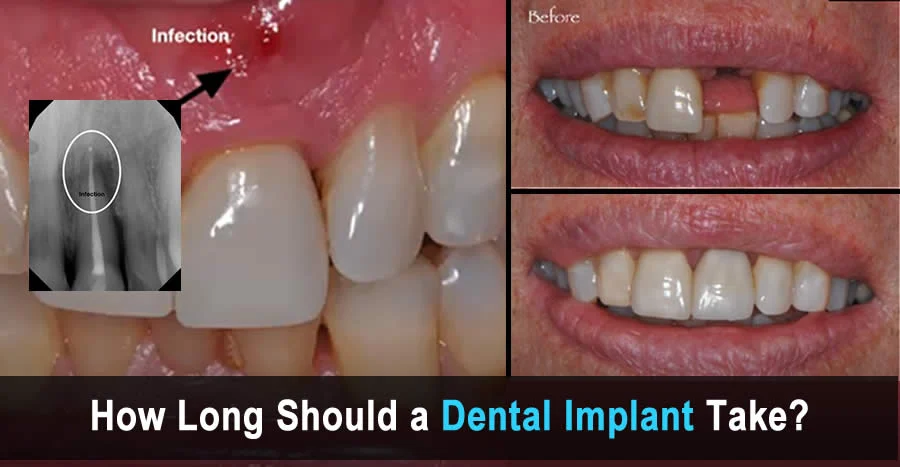
How much does it take to implant a tooth is a common question for those considering dental restoration in the UK. The final cost depends on a number of variables, including the dental clinic’s location, the dentist’s level of expertise, and the kind of materials used. A single tooth implant can involve a consultation, thorough planning, the implant placement, healing, and prosthetic fitting. Understanding these components is key to budgeting and preparing for the process.
Factors Influencing Dental Implant Cost in the UK
The dental implant cost UK can vary significantly based on several factors. Understanding these variables is crucial for anyone considering dental implants to replace missing teeth. A primary influence is the material used for the implant and the crown. Clinics also factor in their location, as practices in central London typically have higher overheads than those in more rural areas. The dentist’s expertise also plays a role; highly experienced implantologists may charge more for their services.
Breakdown of Primary Factors
- Materials: Titanium and zirconia are common implant materials, each with different price points. Similarly, the type of crown (e.g., porcelain, ceramic) affects the overall cost.
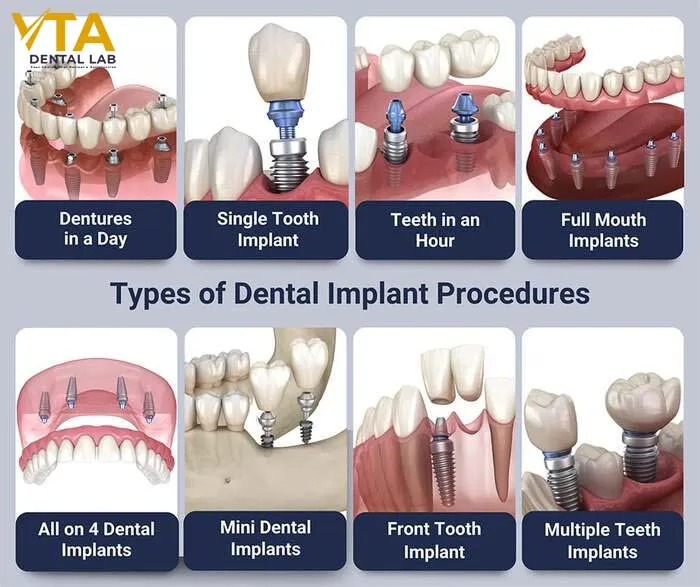
- Number of Implants: The more implants needed, the higher the overall cost. A single tooth implant will be less expensive than a full arch restoration like all on 4 dental implants.
- Location: Clinics in major cities or affluent areas tend to have higher prices due to increased operating costs.
- Dentist’s Expertise: Highly qualified and experienced implantologists may charge more for their services, reflecting their specialized knowledge and skill.
- Additional Procedures: Procedures like bone grafting in Albania or sinus lifts, sometimes necessary for implant placement, will add to the total cost.
Step-by-Step Dental Implant Procedure
Understanding the dental implant procedure steps can help alleviate anxiety and set realistic expectations. The process begins with a consultation to assess your oral health and determine if you’re a suitable candidate. Thorough planning is essential, often involving X-rays and CT scans to evaluate bone density and nerve location. The implant placement is a surgical procedure where the titanium post is inserted into the jawbone. Healing, known as osseointegration, is a critical phase where the bone fuses with the implant.
Overview of the Procedure
- Consultation: The dentist examines your oral health, discusses your goals, and determines if you’re a good candidate for dental implants.
- Planning: X-rays and CT scans are taken to assess bone density and identify the best implant placement.
- Implant Placement: The implant, typically made of titanium, is surgically inserted into the jawbone.
- Healing (Osseointegration): This crucial phase involves the jawbone fusing with the implant, which can take several months.
- Abutment Placement: Once the implant has fully integrated, an abutment (a connector) is attached.
- Prosthetic Fitting: Finally, a custom-made crown is attached to the abutment, completing the restoration.
How Long Does a Tooth Implant Take?
The tooth implant time frame can vary depending on individual circumstances. Generally, from the initial consultation to the final crown placement, the process can take several months. For a single implant, the timeline might be shorter compared to complex cases requiring additional procedures like bone grafting or sinus lifts. Factors influencing the timeline include the patient’s healing ability, the need for additional procedures, and the complexity of the case.
Expected Timelines
- Single Implant: From consultation to final crown, expect a timeline of 3 to 6 months.
- Complex Cases: Cases requiring bone grafting or sinus lifts can extend the timeline to 6 to 12 months or longer.
What is the average cost of a single dental implant in the UK?
The average cost of a single dental implant in the UK typically ranges from £2,000 to £4,000. This price includes the implant fixture, abutment, and crown. Additional costs may arise from consultations, X-rays, CT scans, and procedures like bone grafting if needed. Patients should seek a detailed, itemized quote to understand the full financial commitment.
Cost Breakdown – Single vs Multiple Tooth Implants
The cost of dental implants significantly varies between single vs multiple tooth implants. A single implant is the most straightforward and least expensive option. However, when multiple teeth are missing, the cost increases, but there are options like implant-supported bridges that can reduce the number of implants needed. Full arch restoration, like the All-on-4 technique, offers a cost-effective solution for replacing an entire arch of teeth.
Approximate Price Ranges
- Single Tooth Implant: £2,000 – £4,000
- Two Tooth Implants: £4,000 – £8,000
- Implant-Supported Bridge (3-4 teeth): £6,000 – £12,000
- Full Arch Restoration (All-on-4): £8,000 – £15,000 per arch
NHS vs Private Dental Implants
The availability and cost of dental implants differ significantly between NHS vs private implants. The NHS rarely covers dental implants unless there’s a medical necessity, such as congenital disabilities, trauma, or cancer treatment. Even then, coverage is limited and requires strict criteria. Private dental clinics offer a wider range of implant options and materials but come at a higher cost.
Availability and Cost Differences
- NHS: Very limited availability, primarily for medical necessity cases. Costs are subsidized but access is restricted.
- Private: Wider availability, greater choice of materials and techniques, but significantly higher costs.
Can you get dental implants on the NHS?
Getting dental implants on the NHS is rare but possible if there is a medical need. Typically, the NHS provides implants only when tooth loss is the result of trauma, congenital defects, or required cancer treatment. For purely cosmetic reasons, implants are not usually covered. Patients need to be assessed and meet strict eligibility criteria to qualify.
Materials Used and Their Impact on Price
The choice of dental implant materials significantly impacts the final price. Titanium is the most common material due to its biocompatibility and strength. Zirconia implants are a metal-free alternative, often chosen for aesthetic reasons, but they tend to be more expensive. The type of crown also affects the cost; porcelain and ceramic crowns offer excellent aesthetics and durability but come at a higher price than composite options.
Material Options
- Titanium: Biocompatible, strong, and cost-effective. The most widely used material for dental implants.
- Zirconia: Metal-free alternative, offering excellent aesthetics. Generally more expensive than titanium.
- Crown Materials:
- Porcelain: Natural-looking, durable, and stain-resistant.
- Ceramic: Excellent aesthetics, biocompatible, and strong.
- Composite: Less expensive but less durable and prone to staining.
Risks, Success Rates, and Aftercare
Understanding the dental implant risks and success rates is crucial before proceeding with treatment. While dental implants have a high success rate (around 95%), potential risks include infection, nerve damage, implant failure, and sinus problems. Proper aftercare for dental implants is essential for ensuring long-term success. This includes maintaining excellent oral hygiene, attending regular dental check-ups, and avoiding habits like smoking.
Common Risks and How to Ensure Longevity
- Infection: Maintain good oral hygiene and follow post-operative instructions.
- Nerve Damage: Choose an experienced implantologist and undergo thorough pre-operative planning.
- Implant Failure: Avoid smoking, maintain good oral hygiene, and attend regular check-ups.
- Sinus Problems: Proper planning and execution of sinus lift procedures can minimize this risk.
What happens if a dental implant fails?
If a dental implant fails, it’s crucial to address the issue promptly. Symptoms of implant failure may include pain, swelling, or loosening of the implant. The dentist will assess the cause of failure, which can range from infection to poor bone integration. Treatment options may include removing the failed implant, bone grafting, and placing a new implant after the area has healed. Regular follow-up appointments are vital to prevent and manage potential failures.
Alternatives to Dental Implants
Exploring alternatives to dental implants can help you make an informed decision based on your needs and budget. Dental bridges are a traditional option, involving anchoring a false tooth to adjacent natural teeth. Dentures are removable appliances that can replace multiple or all teeth. While bridges and dentures are less expensive than implants, they have limitations in terms of stability, longevity, and impact on adjacent teeth.
Bridges vs Dentures vs Implants
- Dental Bridges:
- Pros: Less expensive than implants, quicker treatment time.
- Cons: Requires altering adjacent teeth, less stable than implants, shorter lifespan.
- Dentures:
- Pros: Least expensive option, can replace multiple or all teeth.
- Cons: Less stable than implants, can affect speech and taste, requires regular adjustments.
- Implants:
- Pros: Most stable and long-lasting option, natural-looking, preserves adjacent teeth.
- Cons: More expensive, longer treatment time, requires surgery.
How do dental implants compare to alternatives?
Dental implants are often considered the gold standard for tooth replacement due to their stability, longevity, and natural feel. Compared to alternatives like dentures and bridges, implants offer superior support and don’t rely on adjacent teeth for support. Dentures can be less stable and may affect speech and eating, while bridges can put extra stress on the supporting teeth. While implants involve a higher upfront cost, their durability and long-term benefits often make them a more cost-effective solution.
Why do dental implant prices vary so much between clinics?
Dental implant prices vary between clinics due to a combination of factors. These include the clinic’s location (urban areas tend to have higher overheads), the expertise and qualifications of the dental team, the brand and quality of the implant materials used, and the complexity of the case. Clinics with advanced technology and specialized services may also charge more. It’s essential to compare quotes and understand what each price includes to make an informed decision.
Are dental implants painful?
The procedure for placing dental implants is generally not painful, as it is performed under local anaesthesia. Some patients may experience mild discomfort, swelling, or bruising after the surgery, which can be managed with over-the-counter pain relievers. Modern techniques and sedation options are available to ensure patient comfort throughout the process. Following post-operative instructions carefully can also minimize discomfort.
Are there financing options for tooth implants?
Yes, many dental clinics offer financing options to make tooth implants more accessible. These can include payment plans, dental loans, or third-party financing companies. Payment plans allow patients to spread the cost over several months or years, while dental loans provide funds for the procedure upfront, with repayment terms. Discussing financing options with the dental clinic can help find a suitable plan that fits your budget.
Who is not suitable for a dental implant?
Certain health conditions and lifestyle factors can make individuals unsuitable candidates for dental implants. These include uncontrolled diabetes, severe gum disease, heavy smoking, and certain autoimmune disorders. Individuals with insufficient bone density may require bone grafting before implant placement. A thorough assessment by a qualified dentist is essential to determine candidacy and discuss potential risks and alternatives.
What is included in a dental implant quote?
A comprehensive dental implant quote should include all the costs associated with the procedure. This typically covers the initial consultation, diagnostic tests (X-rays, CT scans), the implant fixture, abutment, and crown. It should also include the surgeon’s fee and any necessary follow-up appointments. Be sure to ask for an itemized quote to understand each component’s cost and clarify any potential hidden fees.
Are there financing options for tooth implants?
Yes, numerous Can I get finance for dental implants options are available to help manage the cost of tooth implants. Many dental clinics offer payment plans that allow you to spread the cost over several months or years. Dental loans are also an option, providing upfront funds for the procedure with manageable repayment terms. Additionally, some third-party financing companies specialize in healthcare loans, offering competitive rates and flexible terms. Be sure to discuss available financing options with your dental clinic to find a plan that suits your financial situation.
Why are dental implants so expensive in UK?
Several factors contribute to the high cost of dental implants in the UK. The advanced technology and specialized equipment required, combined with the high standards of training for dental professionals, add to the expense. Laboratory fees for custom-made crowns and abutments, as well as the cost of high-quality materials, also contribute to the overall price. Additionally, the overhead costs of running a dental practice in the UK, including rent and staff salaries, are higher compared to other countries.
Conclusion
Deciding to get a dental implants in Albania is a significant investment in your oral health and quality of life. Understanding the factors that influence the cost and process is crucial for making an informed decision. At Albania Dental Implants, we offer high-quality, affordable implant solutions tailored to your individual needs. Our experienced team is committed to providing exceptional care and helping you achieve a confident, healthy smile. Contact us today for a consultation and let us guide you through the process.
Ready to transform your smile? Contact Albania Dental Implants today for a free consultation and personalized treatment plan!





