




What Is a Dental Crown?
CLUSTER: dental crown, tooth cap, dental restoration
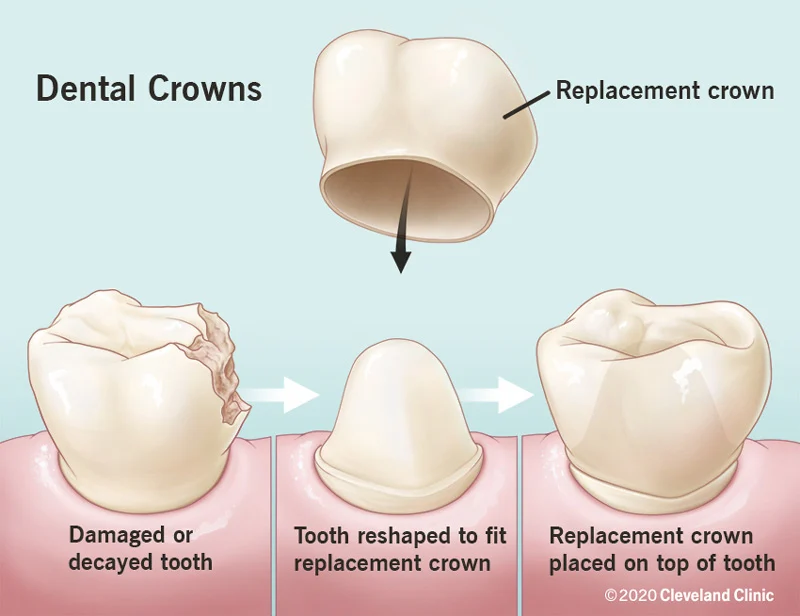
A dental crown, also known as a tooth cap, is a type of dental restoration that completely covers a tooth. Unlike fillings, which only fill in small cavities, a crown encases the entire visible portion of the tooth above the gum line. Think of it as a protective helmet for your tooth, safeguarding it from further damage and restoring its original form. Crowns are meticulously crafted to match the color, shape, and size of your surrounding teeth, ensuring a natural-looking and seamless fit.
The Core Concept Explained
The core concept behind a dental crown is to provide comprehensive protection and restoration to a compromised tooth. When a tooth is significantly damaged by decay, trauma, or other factors, a filling may not be sufficient to restore its integrity. In these cases, a crown becomes the ideal solution, providing the necessary strength and stability for chewing, speaking, and maintaining proper alignment with adjacent teeth.
Benefits of a dental crown.
- Restores a tooth’s shape and size
- Strengthens a weakened tooth
- Protects a tooth from further damage
- Improves the appearance of a tooth
- Provides a natural-looking result
When and Why Might You Need a Dental Crown?
CLUSTER: reasons for dental crown, dental treatment, tooth decay, broken tooth, root canal, large filling
There are several clinical scenarios where a dental crown becomes the recommended dental treatment. Understanding these reasons for dental crown placement can help you make informed decisions about your oral health.
Extensive Tooth Decay
When tooth decay has severely compromised the structure of a tooth, leaving little healthy enamel, a filling may not be a viable option. A crown provides comprehensive coverage, protecting the remaining tooth structure from further decay and preventing potential fractures.
A Broken or Cracked Tooth
A broken tooth or a severely cracked tooth can be incredibly painful and susceptible to infection. A crown stabilizes the damaged tooth, preventing further cracking and restoring its ability to function properly.
Following a Root Canal
After a root canal procedure, a tooth often becomes brittle and more prone to fracture. Placing a crown on a tooth after a root canal protects the treated tooth from breaking and restores its long-term functionality.
To Protect a Tooth with a Large Filling
Over time, large fillings can weaken the surrounding tooth structure, increasing the risk of fracture. A crown provides additional support and protection, preventing the tooth from cracking or breaking under pressure.
If you are searching for comprehensive care from decay, broken tooth or following a root canal, general dentistry in Albania with Albania Dental Implants offers expert dental care services tailored to your specific needs.
Types of Dental Crowns
CLUSTER: types of crowns, porcelain crowns, metal crowns, ceramic crowns, zirconia crown, temporary crown
Types of crowns are made from a variety of materials, each offering unique advantages and disadvantages. The choice of material often depends on the location of the tooth, aesthetic requirements, and budget considerations.
Porcelain Crowns
Porcelain crowns, also known as ceramic crowns, are a popular choice due to their natural-looking appearance. They can be precisely matched to the color of your surrounding teeth, making them virtually indistinguishable.
Metal Crowns
Metal crowns, typically made from gold alloys or other strong metals, are known for their exceptional durability and resistance to wear and tear. They are often recommended for back teeth, where strength is paramount.
Ceramic Crowns
Ceramic crowns are another excellent option for achieving a natural-looking restoration. They are biocompatible, meaning they are less likely to cause allergic reactions, and can be customized to match the shade and translucency of your natural teeth.
Zirconia Crowns
A zirconia crown is a type of ceramic crown known for its exceptional strength and aesthetic appeal. Zirconia is a highly durable material that can withstand significant biting forces, making it a suitable choice for both front and back teeth.
Temporary Crowns
A temporary crown is a provisional restoration placed on a tooth while the permanent crown is being fabricated. It provides temporary protection and maintains the tooth’s function until the final crown is ready.
If you are considering a natural-looking restoration from the different types of crowns and want to know which option is best for you, dental crowns in Albania with Albania Dental Implants can help you find the best option.
The Dental Crown Procedure Step by Step
CLUSTER: crown procedure, tooth preparation, crown fitting, dental impressions, temporary crown, permanent crown
Understanding the crown procedure can help alleviate any anxiety you may have about getting a dental crown. Here’s a step-by-step overview of what to expect:
Tooth Preparation
The first step involves tooth preparation, where the dentist reshapes the tooth to create space for the crown to fit properly. This may involve removing some of the outer enamel layer to ensure a snug and comfortable fit.
Dental Impressions
Next, the dentist takes dental impressions of your prepared tooth. These impressions serve as a mold for creating a custom-made crown that precisely matches the shape and size of your tooth.
Temporary Crown Placement
While the permanent crown is being fabricated, the dentist places a temporary crown on your prepared tooth. This temporary restoration protects the tooth and maintains its function until your next appointment.
Crown Fitting and Cementation
During your second appointment, the dentist removes the temporary crown and carefully fits the permanent crown onto your tooth. Once the fit and appearance are satisfactory, the crown is permanently cemented into place.
Albania Dental Implants provides a detailed dental procedure from initial consultation to permanent placement, dental clinic in Albania with Albania Dental Implants offers a seamless process.
Benefits and Disadvantages of Crowns
CLUSTER: advantages of dental crowns, disadvantages of crowns, risks, durability, tooth sensitivity
Like any dental treatment, dental crowns have both advantages and disadvantages. A balanced assessment of these factors can help you determine if a crown is the right choice for your specific needs.
Advantages of Dental Crowns
- Durability: Crowns are highly durable and can last for many years with proper care.
- Protection: They provide comprehensive protection to a damaged tooth, preventing further decay or fracture.
- Aesthetics: Crowns can significantly improve the appearance of a tooth, restoring its natural shape, size, and color.
- Functionality: They restore the tooth’s ability to function properly, allowing you to chew, speak, and smile with confidence.
Disadvantages of Crowns
- Tooth Sensitivity: Some patients may experience temporary tooth sensitivity to hot or cold temperatures after crown placement.
- Cost: Crowns can be more expensive than fillings.
- Risk: There is a small risk of complications, such as crown loosening or chipping.
Crown Aftercare and Longevity
CLUSTER: crown maintenance, oral hygiene, crown lifespan, eating with a crown, crown care tips
Proper crown maintenance is essential for maximizing the crown lifespan and preventing complications. Here are some important crown care tips to keep in mind:
Maintain Excellent Oral Hygiene
Brush your teeth twice daily with fluoride toothpaste and floss daily to remove plaque and food particles. Pay special attention to the area around the crown, ensuring it is thoroughly cleaned.
Be Mindful of Your Diet
Avoid chewing on hard or sticky foods, as these can potentially damage or dislodge the crown. Cut food into smaller pieces to reduce the risk of putting excessive pressure on the crown.
Attend Regular Dental Checkups
Schedule regular dental checkups and cleanings to monitor the condition of your crown and ensure optimal oral health. Your dentist can identify and address any potential problems early on, preventing more serious complications.
Alternatives to Crowns
CLUSTER: alternatives to crowns, dental veneers, fillings, onlays, inlays
While crowns are often the most suitable solution for extensively damaged teeth, there are alternatives to crowns that may be appropriate in certain situations.
Dental Veneers
Dental veneers are thin shells of porcelain or composite resin that are bonded to the front surface of teeth to improve their appearance. They are best suited for addressing cosmetic issues, such as discoloration, chips, or minor misalignments. Veneers are a great option if you are considering a hollywood smile in Albania.
Fillings
Fillings are used to repair small cavities or areas of decay. They are a more conservative option than crowns, as they only address the damaged portion of the tooth, leaving the healthy enamel intact.
Onlays and Inlays
Onlays and inlays are similar to fillings but are used to restore larger areas of damage. They are custom-made in a dental laboratory and then bonded to the tooth, providing a durable and long-lasting restoration.
Is there an alternative to crowns if I want to preserve more of my tooth?
If you’re looking to preserve more of your natural tooth structure, options like inlays, onlays, or veneers might be suitable alternatives to a full crown, depending on the extent of the damage. If you are considering replacing a large area of damage, multiple implants with bridges in Albania may be a good option to consider. Each approach has its own set of pros and cons.
FAQ-STYLE QUESTIONS TO ANSWER IN DETAIL
What exactly is a crown on a tooth?
As mentioned earlier, a crown is a custom-made cap that covers the entire visible portion of a tooth. It’s designed to restore the tooth’s shape, size, strength, and appearance, providing comprehensive protection and support.
Is a crown necessary for a chipped or cracked tooth?
Whether a crown is necessary for a chipped or cracked tooth depends on the severity of the damage. Minor chips or cracks may be repairable with fillings or bonding, but more extensive damage often requires a crown to protect the tooth from further fracture and restore its structural integrity.
How long does it take to get a dental crown?
The process of getting a dental crown typically involves two appointments. The first appointment involves tooth preparation and impression taking, while the second appointment involves crown fitting and cementation. The entire process usually takes about two to three weeks.
How much does a dental crown cost in the UK?
The cost of a dental crown in the UK can vary depending on the material used, the complexity of the case, and the dentist’s fees. On average, you can expect to pay anywhere from £500 to £1200 per crown. You may also want to consider affordable options at a cost of dental implants in Albania.
Does getting a crown hurt?
Getting a crown is typically not painful. The dentist will administer local anesthesia to numb the tooth and surrounding tissues, ensuring you remain comfortable throughout the procedure. Some patients may experience mild sensitivity or discomfort after the anesthesia wears off, but this can usually be managed with over-the-counter pain medication.
How long does a dental crown last?
With proper care and maintenance, a dental crown can last for many years, often ranging from 5 to 15 years or even longer. Regular dental checkups, good oral hygiene habits, and avoiding excessive stress on the crown can help extend its lifespan.
Can you eat normally with a dental crown?
Yes, once the crown is permanently cemented into place, you can generally eat normally. However, it’s advisable to avoid chewing on excessively hard or sticky foods, as these can potentially damage the crown.
What are the risks or disadvantages of dental crowns?
Potential risks or disadvantages of dental crowns include tooth sensitivity, crown loosening or chipping, allergic reactions to the crown material, and the need for root canal treatment if the tooth becomes infected or inflamed.
Are crowns safe for children?
Yes, crowns are generally safe for children. They are sometimes used to restore severely decayed or damaged teeth in children, providing protection and maintaining proper tooth alignment.
Can dental crowns be replaced?
Yes, dental crowns can be replaced if they become damaged, worn, or loose. The process of replacing a crown is similar to the initial crown placement procedure.
What’s the difference between a crown and a veneer?
The main difference between a crown and a veneer is the extent of coverage. A crown covers the entire visible portion of a tooth, while a veneer only covers the front surface. Crowns are typically used to restore damaged teeth, while veneers are primarily used for cosmetic enhancements.
How do I take care of my dental crown?
Taking care of your dental crown involves maintaining excellent oral hygiene habits, being mindful of your diet, and attending regular dental checkups. Brush and floss daily, avoid chewing on hard or sticky foods, and schedule routine dental appointments to ensure your crown remains in good condition.
In conclusion, dental crowns are a versatile and effective solution for restoring damaged teeth and improving your overall oral health. If you’re considering a dental crown, consult with your dentist to determine if it’s the right choice for you.