



How long does a dental crown last? This is a common and important question for anyone considering or already having a dental crown. The lifespan of a crown is a crucial factor when making decisions about your oral health, influencing both the initial choice and long-term maintenance. Understanding the factors affecting dental crown lifespan, the durability of different materials, and proper maintenance can help you maximise your investment and maintain a healthy, confident smile. At Albania Dental Implants, we are committed to providing comprehensive dental solutions, ensuring our patients are well-informed about the expected lifespan and care of their dental restorations.
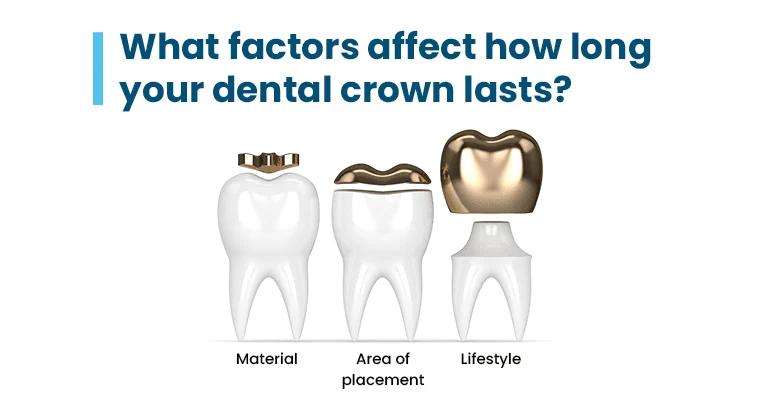
What Factors Affect How Long a Dental Crown Lasts?
Several factors influence the durability of a dental crown, including the type of material used, the patient’s oral hygiene practices, lifestyle habits such as teeth grinding (bruxism), and the frequency of professional dental check-ups. These factors all contribute to the overall dental crown lifespan and require consideration.
Types of Dental Crowns and Material Differences
The material composition of a dental crown significantly impacts its longevity. Common materials include porcelain, ceramic, metal, resin, and zirconia. Each material offers different levels of strength, aesthetics, and durability. Porcelain crowns, for instance, are popular for their natural appearance but may be more prone to chipping compared to metal crowns. Zirconia crowns, known for their exceptional strength, have become a favourite choice for patients looking for long-lasting solutions.
- Porcelain: Excellent aesthetics but can be susceptible to chipping.
- Ceramic: Good aesthetics and biocompatibility.
- Metal: High strength and durability, ideal for back teeth.
- Resin: Least expensive, but also the least durable.
- Zirconia: Exceptional strength, biocompatibility, and natural appearance.
The choice of material should be based on the location of the tooth, the bite forces it must withstand, and the patient’s aesthetic preferences. For instance, back teeth, which endure more chewing force, may benefit from the strength of metal or zirconia crowns. At Albania Dental Implants, we carefully assess these factors to recommend the most suitable material for each patient.
The Role of Oral Hygiene and Lifestyle
Maintaining good oral hygiene is essential for extending the life of any dental restoration, including crowns. Regular brushing, flossing, and the use of antimicrobial mouthwash help prevent plaque and bacteria buildup, reducing the risk of decay and gum disease around the crown. Lifestyle habits also play a significant role. Bruxism, or teeth grinding, can put excessive force on crowns, leading to fractures or premature wear. Using a night guard can help protect crowns from the effects of grinding.
Dietary habits also matter. Consuming excessive sugary or acidic foods can erode the cement holding the crown in place, increasing the risk of decay beneath the crown. Avoiding hard or sticky foods can prevent fractures and dislodgement. Regular dental check-ups allow your dentist to monitor the condition of your crown and address any issues early.
Professional Care and Dental Check-Ups
Routine dental check-ups are crucial for maintaining the longevity of dental crowns. During these visits, your dentist can assess the integrity of the crown, check for signs of decay or gum disease, and make any necessary adjustments. Professional cleanings remove plaque and tartar buildup, helping to prevent gum inflammation and potential damage to the underlying tooth structure. Regular dental visits also provide an opportunity for your dentist to offer personalised advice on oral hygiene practices and address any concerns you may have.
The combination of appropriate material selection, diligent oral hygiene, mindful lifestyle choices, and regular professional care will significantly contribute to the longevity of your dental crown. With proper care, a dental crown can provide many years of reliable service.
Average Lifespan of Different Types of Dental Crowns
The average years a crown lasts depends heavily on the material used. Each material has its own strengths and weaknesses, affecting its overall durability and lifespan. Furthermore, the distinction between NHS crowns vs private treatment may influence material quality and longevity.
Porcelain Crowns: Aesthetics and Lifespan
Porcelain crowns are a popular choice due to their natural appearance, closely mimicking the look and feel of natural teeth. They are often used for front teeth where aesthetics are a primary concern. Porcelain-fused-to-metal (PFM) crowns combine the aesthetics of porcelain with the strength of a metal substructure. These crowns typically last between 5 to 15 years, depending on the factors mentioned earlier.
All-ceramic crowns, made entirely of porcelain, offer excellent aesthetics but may not be as strong as PFM crowns. However, advancements in ceramic materials have led to the development of stronger, more durable all-ceramic crowns. The lifespan of all-ceramic crowns is generally similar to that of PFM crowns, ranging from 5 to 15 years with proper care. The benefits of cosmetic dentistry in Albania, can be very enticing when you want a perfect, natural look.
Metal Crowns: Durability and Longevity
Metal crowns, usually made of gold alloys or other high-strength metals, are known for their exceptional durability and resistance to wear. They are an excellent choice for back teeth, where chewing forces are the greatest. Metal crowns can last for 15 years or longer with good oral hygiene and regular dental check-ups.
While metal crowns are highly durable, their metallic appearance may not be desirable for some patients. They are typically recommended for molars and premolars, where aesthetics are less of a concern. Despite their appearance, the reliability and longevity of metal crowns make them a solid investment for long-term dental health.
Zirconia and Resin Crowns: Modern Alternatives
Zirconia crowns have gained popularity due to their combination of strength, aesthetics, and biocompatibility. Zirconia is a highly durable ceramic material that can withstand significant chewing forces while providing a natural-looking appearance. Zirconia crowns can last 10 to 15 years or longer with proper care, making them a reliable and long-lasting option.
Resin crowns are the least expensive option but are also the least durable. They are often used as temporary crowns while a permanent crown is being fabricated. Resin crowns are prone to wear and fracture, and they typically last only a few years. While they may be a budget-friendly option in the short term, the need for frequent replacement makes them less cost-effective over time.
NHS Crowns vs. Private Treatment
In the UK, the quality and durability of crowns can vary depending on whether they are provided through the National Health Service (NHS) or private dental treatment. NHS crowns typically use more basic materials, such as metal alloys or porcelain-fused-to-metal, prioritising functionality over aesthetics. Private treatment, on the other hand, often offers a wider range of materials, including high-quality ceramics and zirconia, allowing for a more customized and aesthetically pleasing result.
While NHS crowns can be a cost-effective option, they may not always provide the same level of durability or aesthetic appeal as private crowns. Patients seeking the most durable and natural-looking restorations may prefer to opt for private treatment. However, for those seeking affordable dental implants in Albania, should consider NHS. Ultimately, the choice between NHS and private crowns depends on individual needs, preferences, and financial considerations.
How to Make Your Dental Crown Last Longer
Extending crown lifespan requires a combination of diligent maintenance and proactive prevention. Proper crown care tips, including adhering to best oral hygiene practices and avoiding damaging habits, can significantly increase the lifespan of your dental crown.
Step-by-Step Maintenance Advice
Maintaining your dental crown involves several key steps. First, brush your teeth at least twice a day using a soft-bristled toothbrush and fluoride toothpaste. Pay close attention to the area around the crown, ensuring you remove plaque and debris effectively. Floss daily to clean between your teeth and along the gum line, dislodging any food particles that may be trapped. Consider using an interdental brush to clean hard-to-reach areas around the crown.
Additionally, use an antimicrobial mouthwash to help kill bacteria and reduce the risk of gum disease. Rinse thoroughly after brushing and flossing, and avoid eating or drinking for at least 30 minutes afterward. Regular professional cleanings are also essential. These cleanings remove tartar buildup and allow your dentist to assess the condition of your crown and surrounding teeth.
Practical Tips for Extending Crown Lifespan
Besides good oral hygiene, there are several practical tips to extend the lifespan of your dental crown. First, avoid chewing on hard objects such as ice, hard sweets, or pencils. These habits can cause the crown to fracture or chip. If you grind your teeth, especially at night, ask your dentist about a custom-fitted night guard. This appliance will protect your crown from the excessive forces of grinding.
Be mindful of your diet. Reduce your intake of sugary and acidic foods, as these can erode the cement holding the crown in place and increase the risk of decay. Limit sticky foods, which can pull the crown loose. If you play contact sports, wear a mouthguard to protect your teeth and crowns from injury. Regular dentist visits are crucial for early detection and treatment of any issues that may arise. Your dentist can identify potential problems and provide timely interventions to prevent further damage.
Consider dental tourism in Albania, for more affordable options.
Foods to Avoid
Certain foods can pose a risk to your dental crown. Hard foods, such as nuts or hard candies, can cause the crown to crack or fracture. Sticky foods, such as caramel or toffee, can pull the crown loose. Sugary foods contribute to plaque buildup and tooth decay, while acidic foods can erode the cement holding the crown. It’s best to avoid these foods or consume them in moderation and practice good oral hygiene afterward.
Protecting your crown involves a combination of diligent care, mindful habits, and regular professional maintenance. By following these guidelines, you can significantly extend the lifespan of your dental crown and maintain a healthy, confident smile.
Signs Your Dental Crown May Need Replacement
Recognising the symptoms of a failing crown is crucial for timely intervention and preventing further complications. Early detection of crown failure, such as pain, looseness, or visible damage, allows for prompt replacement and protects the underlying tooth structure.
Warning Signs: Pain, Looseness, Visible Damage, Gum Irritation
Several warning signs indicate that your dental crown may need replacement. Pain around the crown, especially when chewing, can suggest decay beneath the crown or damage to the underlying tooth. Looseness of the crown is another critical sign. A loose crown can allow bacteria to seep in, leading to decay and potential infection. Visible damage, such as cracks, chips, or fractures in the crown, compromises its integrity and function.
Gum irritation around the crown, including redness, swelling, or bleeding, may indicate gum disease or an improperly fitted crown. Sensitivity to hot or cold temperatures can also be a sign of underlying issues. If you experience any of these symptoms, it’s essential to consult your dentist promptly for a thorough evaluation. Albania Dental Implants services are available to help.
When to See Your Dentist
If you notice any of the warning signs mentioned above, schedule an appointment with your dentist as soon as possible. Early detection and treatment can prevent more severe problems and potentially save the underlying tooth. During your visit, your dentist will conduct a comprehensive examination, which may include X-rays, to assess the condition of the crown and surrounding tissues.
Based on the examination, your dentist will recommend the appropriate course of action. In some cases, minor repairs may be sufficient. However, if the crown is severely damaged or the underlying tooth is compromised, replacement may be necessary. Delaying treatment can lead to further complications, such as infection, tooth loss, or the need for more extensive dental work. The cost of dental implants in Albania, is very affordable.
What to Expect from Replacement
Replacing a dental crown typically involves removing the old crown, assessing the condition of the underlying tooth, and preparing the tooth for the new crown. If decay is present, your dentist will remove it and restore the tooth as needed. An impression of your tooth will be taken to fabricate a custom-fitted crown. A temporary crown will be placed while the new crown is being made.
Once the new crown is ready, it will be carefully fitted and cemented into place. Your dentist will check the bite and make any necessary adjustments to ensure a comfortable and functional fit. With proper care, the new crown should provide many years of reliable service. Promptly addressing any signs of crown failure and seeking professional care ensures the longevity and health of your teeth.
Frequently Asked Questions About Dental Crown Lifespan
Understanding the lifespan and care of dental crowns often involves addressing several common questions. Here, we will answer some frequently asked questions about dental crown lifespan to provide you with comprehensive information.
How long does a dental crown last on average?
On average, a dental crown lasts between 5 to 15 years. However, the lifespan can vary depending on factors such as the material used, oral hygiene practices, lifestyle habits, and regular dental check-ups. Proper care and maintenance can significantly extend the life of a crown.
Can a dental crown last a lifetime?
While it is possible for a dental crown to last a lifetime, it is not typical. With excellent oral hygiene, a healthy lifestyle, and regular dental visits, some crowns can last for many years. However, most crowns will eventually need replacement due to wear, damage, or other complications.
Does the location of the crown (front vs back teeth) affect lifespan?
Yes, the location of the crown can affect its lifespan. Back teeth, which endure more chewing force, may experience greater wear and tear compared to front teeth. Crowns on back teeth may require more durable materials, such as metal or zirconia, to withstand these forces. On the other hand, front teeth, where aesthetics are a primary concern, may benefit from porcelain or ceramic crowns, which closely mimic the appearance of natural teeth.
What type of crown lasts the longest?
Metal crowns, typically made of gold alloys or other high-strength metals, are known for their exceptional durability and resistance to wear. They can often last 15 years or longer with proper care. Zirconia crowns also offer excellent durability and can last 10 to 15 years or more.
What happens if my crown falls off or breaks?
If your crown falls off, it’s essential to contact your dentist immediately. They will assess the situation and determine the best course of action. If the crown is intact, it may be possible to re-cement it. However, if the crown is damaged or the underlying tooth is compromised, a new crown may be needed. Leaving the tooth unprotected can lead to decay, infection, or further damage. Broken dental implants in Albania, can be repaired or fixed, even at affordable costs.
Does insurance or the NHS cover crown replacements?
Many dental insurance plans cover crown replacements, but the extent of coverage can vary. It’s essential to check with your insurance provider to understand your specific benefits. The NHS also provides dental crowns, but the available materials and treatments may be more limited compared to private dental care. If you are interested in tooth replacement options, explore options like dental implants. Check is a dental bridge better than an implant, for more options.
How do I know if my crown needs replacing?
Signs that your crown may need replacing include pain around the crown, looseness, visible damage (cracks, chips, fractures), gum irritation, and sensitivity to hot or cold temperatures. If you experience any of these symptoms, consult your dentist for an evaluation.
Can dental crowns get cavities underneath them?
Yes, dental crowns can get cavities underneath them if proper oral hygiene is not maintained. Bacteria can seep in around the edges of the crown, leading to decay of the underlying tooth structure. Regular brushing, flossing, and dental check-ups are crucial for preventing cavities under crowns.
Is the crown lifespan the same for root canal-treated teeth?
The lifespan of a crown on a root canal-treated tooth can vary. Root canal-treated teeth are often more brittle and prone to fracture. A crown helps protect the tooth and distribute biting forces, but it does not eliminate the risk of fracture. Good oral hygiene and avoiding hard or sticky foods are especially important for crowns on root canal-treated teeth.
Are private crowns more durable than NHS crowns?
Private crowns often offer a wider range of materials, including high-quality ceramics and zirconia, which may provide greater durability and aesthetics compared to NHS crowns. However, the durability of a crown also depends on other factors, such as oral hygiene and lifestyle habits. Private care, provides a variety of treatment options. At Albania Dental Implants we also provide excellent options for full jaw implants. For further details click full jaw implants, for more information.
Competitor Analysis – Who Are the Top Ranking Sources?
To provide the most comprehensive and valuable information, it’s important to understand who the top-ranking sources are for the query “how long does a dental crown last?” Here’s an analysis of some key competitors and how we aim to outperform them.
- NHS.uk: “Crowns (dental crowns)” This resource provides general information about dental crowns but may lack detailed insights into lifespan factors and material comparisons.
- Bupa Dental Care: “How long do dental crowns last?” Bupa offers practical advice but might not delve into the nuances of different crown types and their specific lifespans.
- Colgate.com: “How Long Does a Dental Crown Last?” While informative, this US-based source may not fully address the UK-specific aspects of dental care, including NHS options.
- Dentaly.org UK: “How long do crowns last? Types explained” This source provides a good overview but could benefit from more in-depth practical advice on maintenance and replacement signs.
- Oral Health Foundation UK: “Crowns explained” This resource offers reliable information but may lack the detailed, actionable tips and material comparisons that patients find most useful.
Our Goal: Outperform the Competition
Our goal is to outperform these competitors by providing content that is:
- Updated: Providing current information on materials, techniques, and care practices.
- UK-Centric: Addressing NHS options, UK-specific costs, and local dental practices.
- Detail-Rich: Offering comprehensive information on lifespan factors, material comparisons, and maintenance tips.
- Actionable: Providing practical, step-by-step advice that patients can implement immediately.
By focusing on these aspects, we aim to create a resource that is not only informative but also highly useful and engaging for patients in the UK seeking to understand and extend the life of their dental crowns. When looking for additional services, also consider full set denture implants. We have additional information if you click here full set denture implants.
Conclusion
In conclusion, the lifespan of a dental crown depends on various factors, including the material used, oral hygiene practices, lifestyle habits, and regular dental check-ups. While most crowns last between 5 to 15 years, proper care and maintenance can significantly extend their lifespan. Understanding the signs of crown failure and seeking timely professional care are crucial for maintaining your oral health.
We encourage you to consult with your dentist for personalised advice on the best type of crown for your needs and how to care for it properly. By following the tips outlined in this article, you can maximise the lifespan of your dental crown and maintain a healthy, confident smile for years to come. If you are considering dental tourism for more affordable options, Albania Dental Implants offers high-quality dental crown and dental implant services in a state-of-the-art facility. Contact Albania Dental Implants today to learn more and schedule a consultation.