



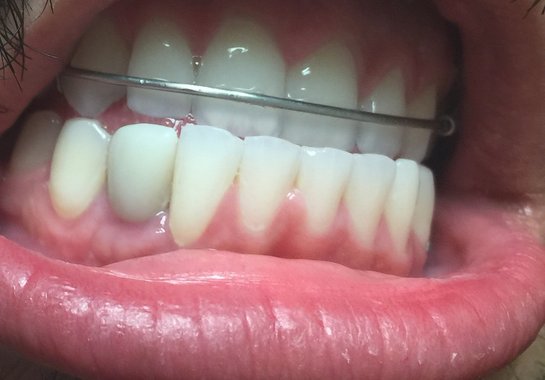
Why do crowns turn grey? It’s a common concern for those with dental restorations. Several factors can contribute to this discoloration, including the materials used, the age of the crown, and changes in the underlying tooth or surrounding gums. Understanding these causes is the first step in determining the best course of action to restore your smile’s brilliance.
What Is a Dental Crown?
A dental crown is a tooth-shaped cap that is placed over a damaged or weakened tooth to restore its shape, size, strength, and appearance. Crowns are often used to protect a tooth after a root canal, to cover a dental implant, or to anchor a dental bridge. Different types of crowns are available, and the choice often depends on factors like aesthetics, durability, and cost. Common crown materials include porcelain, metal alloys, porcelain-fused-to-metal (PFM), and zirconia. Porcelain crowns are popular for their natural appearance, while metal crowns offer exceptional strength. Ultimately, the best crown for you will depend on your individual needs and preferences, which you can discuss with your dentist at Albania Dental Implants.
Types of Dental Crowns
- Porcelain Crowns: Offer the best aesthetic match to natural teeth.
- Metal Crowns: Known for their strength and durability, typically gold or other alloys.
- Porcelain-Fused-to-Metal (PFM) Crowns: Combine the strength of metal with the aesthetic appeal of porcelain.
- Zirconia Crowns: A strong and biocompatible ceramic material.
Why Do Crowns Turn Grey?
A grey dental crown can be a source of cosmetic concern, leading many to wonder about the causes of crown color change. Several factors can contribute to a crown turning dark or developing a greyish hue. Understanding these reasons is crucial for addressing the issue effectively. Here we will explore the main reasons why a crown might change color and what this could mean for your dental health.
Metal Shadowing
One of the primary reasons for a crown turning grey is metal underneath crown. This is particularly common with porcelain-fused-to-metal (PFM) crowns. Over time, the metal substructure can begin to show through the porcelain, creating a greyish shadow, especially at the gum line. This effect is more noticeable as the porcelain layer thins due to wear and tear.
Porcelain Wear
While porcelain is a durable material, it can still experience wear over time. As the outer porcelain layer wears down, the underlying metal substructure (in PFM crowns) becomes more visible, leading to a grey appearance. Additionally, micro-fractures in the porcelain can accumulate stains, further contributing to discoloration.
Underlying Tooth Discoloration
Even with a crown, the underlying tooth can still undergo discoloration. If the tooth beneath the crown darkens due to factors like root canal treatment or decay, this discoloration can sometimes be visible through the crown, affecting its overall color.
Gum Recession
Gum recession around the crown can expose the margin where the crown meets the tooth. If the crown has a metal collar, this exposure can create a visible grey line at the gum line. This recession can be caused by factors like aggressive brushing, gum disease, or aging.
How Materials Affect Crown Colour
The choice of dental restoration materials plays a significant role in the long-term color stability of a crown. Different materials have varying tendencies to discolor or allow underlying structures to show through. Understanding these differences is essential when selecting a crown material. This is especially important for those with metal allergies who require alternative solutions.
Porcelain-Fused-to-Metal (PFM) Crowns
PFM crowns consist of a metal base covered by a layer of porcelain. While they offer a good balance of strength and aesthetics, the metal substructure can sometimes cause a grey shadow, especially at the gum line. This is because the metal can oxidize over time, creating a dark line that becomes visible as gums recede. Though less common nowadays, they’re still a cost-effective solution for some.
Full Ceramic Crowns
Full ceramic crowns, such as those made from porcelain or zirconia crown, offer superior aesthetics compared to PFM crowns. Because they are metal-free, there is no risk of metal shadowing or allergic reactions. Ceramic crowns are also highly translucent, allowing them to mimic the natural appearance of teeth effectively. Over time, high-quality ceramic crowns tend to maintain their color better than other types, resisting discoloration and providing a more natural, long-lasting appearance. At Albania Dental Implants Services, we provide various full ceramic crown options, allowing patients to select the best match for their specific requirements.
Zirconia Crowns
Zirconia is a strong and biocompatible ceramic material that is becoming increasingly popular for dental crowns. Zirconia crowns offer excellent aesthetics and durability. Their strength and natural appearance make them an excellent choice for both front and back teeth. Zirconia is also resistant to staining and discoloration, helping to maintain a bright, natural-looking smile for years to come. It is particularly useful for those considering dental tourism, as its durability can withstand longer travel times without compromising quality.
Other Common Causes for Crown Discolouration
Aside from the material composition, several other factors can contribute to crown discoloration. These include lifestyle habits, oral hygiene practices, and the overall health of the underlying tooth. Addressing these factors can help prolong the life and appearance of your crown.
Staining
Like natural teeth, crowns can be susceptible to staining from certain foods, drinks, and habits. Coffee, tea, red wine, and smoking can all cause surface stains on the crown, dulling its appearance. Regular dental hygiene practices, such as brushing and flossing, can help prevent staining, but professional cleaning may be necessary to remove stubborn stains. Using appropriate dental products and maintaining excellent oral hygiene can minimize staining and keep your crown looking its best.
Gum Recession
As mentioned earlier, gum recession can expose the margin of the crown, particularly if it has a metal collar. This exposure can create a visible dark line at the gum line, affecting the overall aesthetics of the crown. Gum recession can occur due to factors like aggressive brushing, periodontal disease, or the natural aging process. Addressing gum recession early through proper oral care and regular dental visits is essential to preserve the appearance of your crown.
Root Canal Treated Tooth
A root canal treated tooth can sometimes darken over time, and this discoloration can be visible through the crown. This is because the removal of the pulp during the root canal process can affect the tooth’s internal structure, leading to a change in color. In some cases, internal bleaching of the tooth can help improve its color before placing or replacing the crown. If you are considering a crown after root canal therapy, consulting with a dentist is crucial to ensure the best possible outcome and minimize the risk of future discoloration.
Crown Aging
Like any dental restoration, crowns have a limited lifespan. Crown aging can lead to material degradation, wear and tear, and an increased susceptibility to staining and discoloration. Over time, the crown’s surface may become rougher, making it easier for stains to adhere. Regular dental check-ups can help monitor the condition of your crown and identify any signs of aging or wear that may require attention.
Trauma to Crowned Tooth
Trauma to crowned tooth can cause fractures or damage to the crown material, leading to discoloration and aesthetic issues. A direct impact or injury to the mouth can compromise the integrity of the crown, resulting in cracks or chips that affect its appearance. It’s essential to seek immediate dental care if you experience any trauma to a crowned tooth to assess the damage and prevent further complications.
Can Grey Crowns Be Prevented or Fixed?
While some degree of discoloration may be inevitable over time, there are steps you can take to prevent or minimize the greying of your crowns. Good oral hygiene, regular dental visits, and informed choices about crown materials can all play a role in maintaining a bright, healthy smile. If your crown has already turned grey, several options are available to restore its appearance, depending on the cause and severity of the discoloration.
Preventive Care and Hygiene
Maintaining excellent dental hygiene is crucial for preventing discoloration and extending the life of your crowns. Brush your teeth at least twice a day with a soft-bristled toothbrush and fluoride toothpaste. Floss daily to remove plaque and debris from between your teeth and around the crown margins. Use an antimicrobial mouthwash to further reduce bacteria and prevent staining. Regular crown maintenance can significantly reduce the buildup of stains and plaque, helping to preserve the natural appearance of your dental work.
Regular Dental Visits
Schedule regular dental check-ups and cleanings to monitor the condition of your crowns and address any potential issues early on. Your dentist can identify signs of wear, staining, or gum recession that may require intervention. Professional cleanings can remove surface stains and plaque buildup, helping to keep your crowns looking their best. Regular dental visits also provide an opportunity to discuss any concerns you may have about your crowns and explore options for maintaining their appearance.
Whitening Dental Crown
It’s important to note that while you can whiten your natural teeth, you cannot whiten or bleach a grey crown. Traditional teeth whitening methods are ineffective on crown materials like porcelain or zirconia. If your crown has become discolored, the only way to restore its original brightness is through professional cleaning or replacement. Attempting to whiten a crown with over-the-counter products can damage the surface and further compromise its appearance. At Albania Dental Implants, we do not suggest whitening crowns.
Crown Replacement
In many cases, the best solution for a severely discolored or grey crown is crown replacement. Replacing old crowns with new ones made from modern materials can significantly improve the aesthetics of your smile. When choosing a replacement crown, consider materials like zirconia or full ceramic, which offer excellent color stability and natural appearance. The process involves removing the old crown, preparing the underlying tooth, and fitting a new, custom-made crown that matches the color and shape of your natural teeth. If you decide on replacing old crowns in Albania, you are guaranteed a high-quality and professional service.
When Should You Replace a Grey Crown?
While aesthetics are a primary concern, there are also functional reasons to consider replacing a grey or discolored crown. A crown that is damaged, loose, or no longer fitting properly can compromise the health of the underlying tooth and lead to further dental problems. Recognizing the signs you need a new crown is crucial for maintaining your overall oral health. Regular dental checkup is highly recommended.
Signs It’s Time for Replacement
- Pain or Sensitivity: Persistent pain or sensitivity around the crowned tooth may indicate decay, infection, or a cracked crown.
- Fit Change: If the crown feels loose or has shifted, it may no longer be providing adequate protection for the tooth.
- Visible Margins: Exposed margins between the crown and the tooth can trap food particles and bacteria, increasing the risk of decay.
- Cracks or Chips: Visible cracks or chips in the crown material can compromise its strength and aesthetics.
- Persistent Discoloration: If professional cleaning cannot remove stubborn stains or discoloration, it may be time to consider replacement.
The Replacement Process in the UK
The process of replacing a crown typically involves the following steps:
- Initial Examination: Your dentist will examine the crown and underlying tooth to assess the need for replacement.
- Old Crown Removal: The old crown is carefully removed, and the tooth is cleaned and prepared.
- Impression: An impression of your tooth is taken to create a custom-made crown that fits perfectly.
- Temporary Crown: A temporary crown is placed to protect the tooth while the new crown is being fabricated.
- New Crown Placement: The new crown is fitted, adjusted, and cemented into place.
The crown lifespan can vary depending on the material, oral hygiene, and other factors. High-quality dental practices like dental clinic in albania , use durable materials and advanced techniques to ensure long-lasting results.
Costs in the UK Context
The costs to fix or replace a grey crown in the UK can vary depending on the type of crown, the dentist’s fees, and the location of the practice. Generally, you can expect to pay anywhere from £600 to £1500 for a new crown in the UK. However, if you are flexible about location, you may wish to consider affordable dental tourism in Albania, which offers high-quality dental services at significantly lower prices.
Frequently Asked Questions
Here are some frequently asked questions about grey crowns, addressing common concerns and providing helpful information.
Why do crowns turn grey?
Crowns turn grey primarily due to the underlying metal structure showing through, especially in porcelain-fused-to-metal (PFM) crowns. Other causes include staining, gum recession exposing the metal margin, discoloration of the underlying tooth, and the aging of the crown material itself. Contact Albania Dental Implants to explore your options and discuss the best course of action for a brighter, healthier smile.
Is a grey dental crown a sign of a problem?
A grey dental crown can be a sign of underlying issues such as decay, gum recession, or a poorly fitted crown. While discoloration alone may not always indicate a problem, it’s essential to consult with your dentist to rule out any potential concerns and ensure the health of the underlying tooth. Don’t ignore the signs; early intervention can prevent more serious problems.
Which crown materials are less likely to turn grey?
Full ceramic crowns, such as those made from porcelain or zirconia, are less likely to turn grey compared to PFM crowns. Because they do not contain metal, there is no risk of metal shadowing or discoloration. Zirconia crowns are also highly resistant to staining and offer excellent long-term aesthetics.
Can you whiten or bleach a grey crown?
No, you cannot whiten or bleach a grey crown. Traditional teeth whitening methods are ineffective on crown materials like porcelain or zirconia. The only way to restore the original brightness of a discolored crown is through professional cleaning or replacement.
How can you prevent your dental crown from becoming discoloured?
To prevent your dental crown from becoming discolored, practice good oral hygiene, including brushing twice daily, flossing daily, and using an antimicrobial mouthwash. Avoid staining foods and drinks, and schedule regular dental check-ups and cleanings to remove surface stains and plaque buildup. Choosing high-quality crown materials like zirconia can also help maintain long-term color stability.
When is it necessary to replace a grey or discoloured crown?
It is necessary to replace a grey or discolored crown if it is causing pain or sensitivity, if it is loose or has shifted, if there are visible margins or cracks, or if professional cleaning cannot remove stubborn stains. Replacing a damaged or poorly fitting crown is essential for protecting the underlying tooth and preventing further dental problems. If you are facing economic hardship, explore how to fix your teeth when you’re poor to discover the best pathway.
Does a root canal increase the risk of crown discolouration?
Yes, a root canal can increase the risk of crown discoloration. The removal of the pulp during the root canal process can affect the tooth’s internal structure, leading to a change in color. In some cases, internal bleaching of the tooth can help improve its color before placing or replacing the crown.
Are there health risks associated with grey crowns?
While a grey crown itself does not pose direct health risks, the underlying causes of the discoloration, such as decay or gum recession, can compromise the health of the tooth and surrounding tissues. A poorly fitted crown can also trap bacteria and increase the risk of infection. Regular dental check-ups are essential for monitoring the condition of your crowns and addressing any potential health concerns.
What are the costs to fix or replace a grey crown in the UK?
The costs to fix or replace a grey crown in the UK typically range from £600 to £1500, depending on the type of crown, the dentist’s fees, and the location of the practice. However, for more affordable options without compromising quality, consider dental implants in Albania, which offers exceptional dental care at lower prices.
How long should a dental crown last before turning grey?
A well-maintained dental crown made from high-quality materials should last for 10 to 15 years before showing significant discoloration. Factors such as oral hygiene, diet, and lifestyle habits can affect the lifespan of a crown. Regular dental visits and professional cleanings can help extend the life and maintain the appearance of your crowns.
Conclusion
If you’re concerned about a grey or discolored crown, don’t hesitate to seek professional evaluation. At Albania Dental Implants, we offer a range of solutions to restore your smile’s brilliance, from preventive care and professional cleanings to crown replacement with modern, aesthetically pleasing materials. Contact us today to schedule a consultation and discover how we can help you achieve a confident, healthy smile. Albania Dental Implants: Your partner in dental health and aesthetic excellence.