



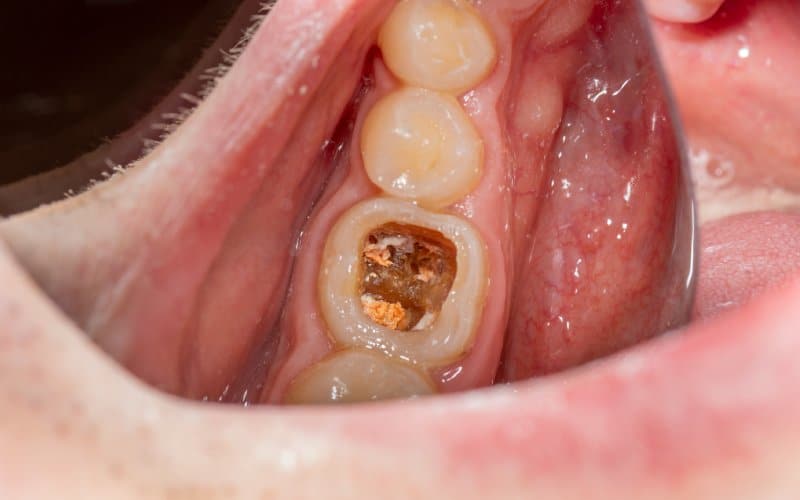
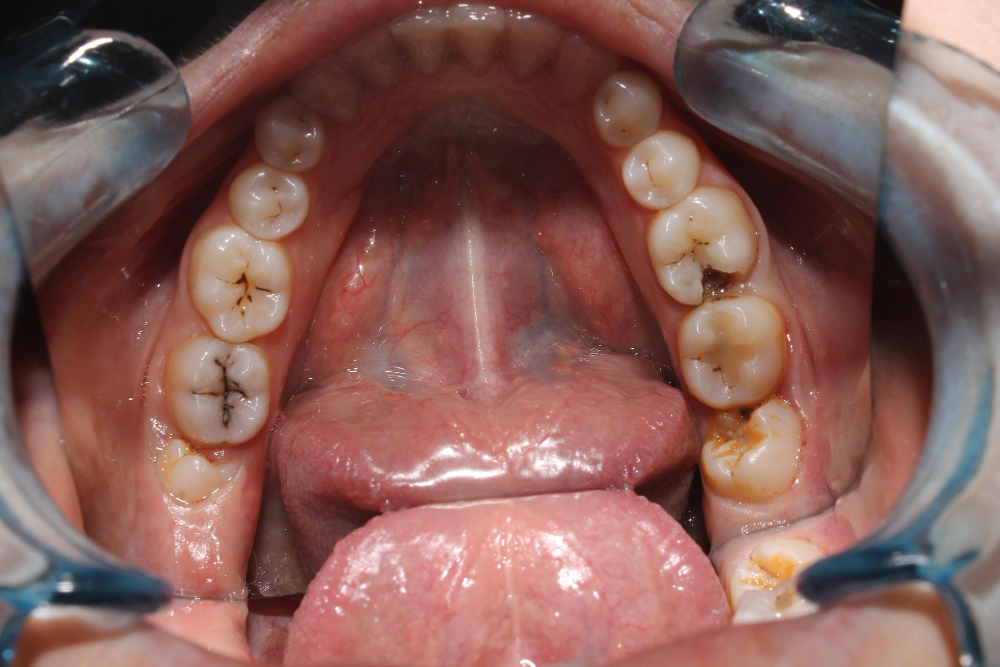
What happens to natural teeth under crowns? This is a common concern for individuals considering this dental restoration option. A crown can protect a weakened tooth, but understanding the long-term implications for the underlying tooth structure is crucial for making informed decisions about your dental health. At Albania Dental Implants, we believe in providing comprehensive care and transparent information, ensuring you feel confident about your treatment choices. We offer a range of restorative solutions, including high-quality dental crowns in Albania, designed for durability and natural aesthetics.
Introduction to Dental Crowns and Their Purpose
Dental crowns are a cornerstone of modern dentistry, offering effective solutions for a wide array of dental problems. Understanding why dental crowns are used and the process involved can help alleviate any anxieties you might have.
Why Crowns Are Used in Dentistry
Dental crowns serve several critical purposes:
- Protecting Weakened Teeth: Crowns are often used to safeguard teeth weakened by decay, large fillings, or cracks.
- Restoring Broken or Worn Down Teeth: If a tooth is fractured or significantly worn, a crown can restore its original shape and function.
- Covering Dental Implants: After placing a dental implant, a crown is attached to provide a natural-looking and functional tooth.
- Improving Aesthetics: Crowns can enhance the appearance of misshapen or discolored teeth, offering a cosmetic solution.
At Albania Dental Implants, we utilize crowns to address both functional and aesthetic concerns, ensuring your smile is healthy and beautiful. As well as dental crowns in Albania, we offer a variety of cosmetic dentistry in Albania.
Common Types of Crowns
Several types of crowns are available, each with its own benefits and considerations:
- Porcelain Crowns: These crowns offer excellent aesthetics and are ideal for front teeth. They closely mimic the natural appearance of teeth.
- Porcelain-Fused-to-Metal (PFM) Crowns: PFM crowns combine the strength of metal with the aesthetics of porcelain.
- Zirconia Crowns: Known for their strength and durability, zirconia crowns are a popular choice for both front and back teeth. At Albania Dental Implants we also offer zirconia implants in albania, a metal free alternative.
- Gold Alloy Crowns: Gold crowns are exceptionally durable and biocompatible, making them suitable for back teeth.
The choice of crown depends on your specific needs, budget, and aesthetic preferences. We can help you determine the best option for you during a consultation.
Basic Process for Crowning a Tooth
The process for crowning a tooth typically involves these steps:
- Examination and Preparation: The dentist examines the tooth and takes X-rays to assess its condition. If necessary, root canal treatment may be performed.
- Tooth Reshaping: A portion of the tooth is filed down to create space for the crown. The amount removed depends on the type of crown used.
- Impressions: An impression of the tooth is taken and sent to a dental laboratory, where the crown is custom-made.
- Temporary Crown: A temporary crown is placed to protect the prepared tooth while the permanent crown is being fabricated.
- Permanent Crown Placement: Once the permanent crown is ready, the temporary crown is removed, and the permanent crown is cemented onto the tooth.
What Happens to Natural Teeth Under Crowns?
The preparation of a natural tooth for a crown is a meticulous process aimed at ensuring the crown fits securely and functions effectively. But what exactly happens to the underlying tooth structure, and how is its health maintained?
How Teeth Are Prepared for Crowns
The preparation process involves several key steps:
- Removal of Decay: Any decay present on the tooth is thoroughly removed to prevent further infection. This is crucial for the longevity of both the tooth and the crown.
- Reshaping the Tooth: The tooth is reshaped to create a suitable foundation for the crown. This usually involves reducing the tooth’s size to accommodate the crown’s thickness.
- Smoothing Edges: Any sharp edges or irregularities are smoothed out to ensure a comfortable fit and proper alignment with adjacent teeth.
This preparation is vital for the crown to properly protect the tooth and restore its function. Careful preparation also minimizes the risk of future complications, such as decay or discomfort. At Albania Dental Implants Services we make sure your crowns are perfectly prepared for long term success.
What Remains of the Natural Tooth After Crowning
After a tooth is crowned, a significant portion of its natural structure remains. The crown acts as a protective shield, covering the prepared tooth. What’s left consists of:
- The Core of the Tooth: The central part of the tooth, including the pulp and nerve, remains intact unless root canal treatment is necessary.
- The Lower Portion of the Tooth: The lower part of the tooth, closer to the gum line, remains to provide a stable base for the crown.
- Healthy Tooth Structure: Any healthy tooth structure is preserved to provide additional support and strength.
Preserving as much natural tooth structure as possible is crucial for maintaining the tooth’s long-term health and stability. The remaining tooth structure provides a foundation for the crown, helping it withstand chewing forces and protect against decay.
Protecting the Underlying Tooth Structure
Protecting the natural tooth under a crown is essential for its longevity. Here are some ways to safeguard the underlying tooth structure:
- Maintaining Excellent Oral Hygiene: Regular brushing and flossing are essential to prevent decay and gum disease around the crown. Pay special attention to the gum line where the crown meets the tooth.
- Regular Dental Check-ups: Routine visits to the dentist allow for early detection of any issues, such as decay or ill-fitting crowns.
- Avoiding Hard and Sticky Foods: These can damage the crown or cause it to come loose.
- Using a Nightguard: If you grind your teeth, a nightguard can protect the crown from excessive pressure and wear.
By following these guidelines, you can ensure the natural tooth under the crown remains healthy and functional for many years.
Risks and Complications for Natural Teeth Under Crowns
While crowns are generally safe and effective, there are potential risks and complications associated with natural teeth under crowns. Understanding these issues is vital for proactive care and early intervention.
Potential for Decay Under Crowns
Can natural teeth still decay under crowns? Unfortunately, yes. Decay can still occur under a crown if proper oral hygiene is not maintained. Here’s why:
- Marginal Leakage: The area where the crown meets the tooth (the margin) can be susceptible to leakage, allowing bacteria and food particles to penetrate.
- Poor Oral Hygiene: Inadequate brushing and flossing can lead to plaque buildup around the crown, increasing the risk of decay.
- Dietary Habits: A diet high in sugar and carbohydrates can accelerate the decay process.
Regular dental check-ups and meticulous oral hygiene practices are essential to minimize the risk of decay under crowns. Early detection and treatment can prevent more serious problems, such as root canal infections or tooth loss.
Infection Risks to Tooth Pulp and Nerve
Infection risks to tooth pulp and nerve: The tooth pulp and nerve can become infected due to several factors:
- Decay Progression: Untreated decay under the crown can eventually reach the pulp, leading to infection.
- Trauma: Injury to the crowned tooth can damage the pulp, making it susceptible to infection.
- Cracks: Cracks in the tooth can provide a pathway for bacteria to enter the pulp.
Symptoms of pulp infection include pain, sensitivity to hot and cold, swelling, and pus discharge. If an infection occurs, root canal treatment may be necessary to remove the infected pulp and save the tooth.
Tooth Sensitivity and Pain After Crowning
Tooth sensitivity and pain after crowning is a common complaint, usually temporary. Here’s why a crowned tooth might feel sensitive:
- Inflammation: The process of preparing and crowning a tooth can cause inflammation in the surrounding tissues, leading to sensitivity.
- Improper Fit: If the crown doesn’t fit properly, it can put pressure on the tooth and cause discomfort.
- Exposed Dentin: If the crown margin doesn’t completely cover the prepared tooth, exposed dentin can cause sensitivity to temperature changes.
Typically, sensitivity subsides within a few weeks. If pain persists or worsens, consult your dentist to rule out complications like nerve damage or infection.
Longevity of Crowns and Natural Tooth Health
Crown longevity and natural tooth health are closely linked. The lifespan of a crown depends on various factors, and proper maintenance is crucial for ensuring the underlying tooth remains healthy and functional. At Albania Dental Implants, we focus on both the short-term and long-term success of crown placements, prioritizing patient education and preventive care.
How Long Crowns Protect Natural Teeth
How long crowns protect natural teeth? Crowns typically last between 5 to 15 years, depending on several factors:
- Oral Hygiene: Meticulous brushing and flossing can significantly extend the life of a crown.
- Dietary Habits: Avoiding hard and sticky foods prevents damage and dislodgement.
- Bruxism: Teeth grinding can shorten the lifespan of crowns.
- Material: The type of material used for the crown (e.g., porcelain, zirconia, metal) also impacts its durability.
Regular dental check-ups are essential to monitor the condition of the crown and address any issues promptly.
What Affects the Survival of the Crowned Tooth
Several factors influence the survival of a crowned tooth:
- Decay: As mentioned earlier, decay under the crown can compromise the tooth’s structure and lead to failure.
- Gum Disease: Gum disease can cause bone loss around the tooth, weakening its support.
- Trauma: Injury to the face or mouth can damage the crowned tooth.
- Poor Fit: An ill-fitting crown can cause stress on the tooth, leading to cracks or fractures.
Addressing these factors through preventive care and regular dental visits is crucial for maintaining the health of the crowned tooth.
Crown Maintenance and Impact on Dental Health
Crown maintenance and impact on dental health are intrinsically linked. Proper care can prolong the life of the crown and protect the underlying tooth:
- Brushing and Flossing: Brush at least twice a day and floss daily, paying special attention to the gum line.
- Regular Check-ups: Visit your dentist every six months for professional cleanings and examinations.
- Dietary Modifications: Avoid hard and sticky foods that can damage the crown.
- Nightguard: Use a nightguard if you grind your teeth.
By diligently following these maintenance tips, you can ensure your crown provides lasting protection and supports optimal dental health. Should you need further restorative work including a full mouth reconstruction in Albania then contact us.
FAQs About Natural Teeth Under Crowns
Here are some frequently asked questions about natural teeth under crowns to address common concerns and provide clarity on this essential dental restoration.
Can natural teeth still decay under crowns?
Yes, natural teeth can still decay under crowns. Decay occurs when bacteria penetrate the margin between the crown and the tooth, leading to the breakdown of the tooth structure. Regular brushing, flossing, and dental check-ups are essential to prevent this.
Does the tooth nerve die after getting a crown?
No, the tooth nerve does not typically die after getting a crown. The nerve remains intact unless the decay is extensive or the tooth undergoes significant trauma, in which case root canal treatment may be necessary.
Why does a crowned tooth sometimes feel sensitive?
A crowned tooth might feel sensitive due to inflammation of the surrounding tissues, an improper fit of the crown, or exposed dentin. Sensitivity usually subsides within a few weeks, but persistent pain should be evaluated by a dentist.
What happens if the natural tooth under a crown gets infected?
If the natural tooth under a crown gets infected, root canal treatment is often required to remove the infected pulp and save the tooth. If the infection is severe, tooth extraction may be necessary.
How much of my natural tooth remains after getting a crown?
After getting a crown, a significant portion of your natural tooth remains. The core of the tooth, including the pulp and nerve, is typically intact, and the lower portion of the tooth provides a stable base for the crown.
Are crowns permanent or do they need replacing?
Crowns are not permanent and typically need replacing every 5 to 15 years, depending on maintenance and other factors. Regular dental check-ups can help determine when a replacement is needed.
How do I care for teeth with crowns?
Care for teeth with crowns by brushing at least twice a day, flossing daily, avoiding hard and sticky foods, and attending regular dental check-ups. Using a nightguard if you grind your teeth is also beneficial.
Can a crown make a weak tooth stronger?
Yes, a crown can make a weak tooth stronger by providing support and protection. It helps distribute biting forces evenly and prevents further damage to the underlying tooth.
Will a crown stop a tooth from hurting?
A crown can often stop a tooth from hurting by protecting it from irritants and distributing biting forces. However, if the tooth is already infected, root canal treatment may be necessary to eliminate the pain completely.
What does it mean if there is pain years after crowning?
If there is pain years after crowning, it could indicate decay under the crown, gum disease, a crack in the tooth, or an issue with the crown’s fit. Consult your dentist for a thorough evaluation and appropriate treatment.
While dental crowns are a fantastic option, sometimes the underlying tooth is beyond repair. In these circumstances at Albania Dental Implants, we can offer an alternative tooth replacement in the form of Albania Dental Implants.