



Understanding NHS Dental Crowns
When considering dental treatments, it’s important to understand the scope of available options, especially when dealing with issues like damaged or weakened teeth. The NHS offers dental crowns under specific circumstances. If you’re wondering about NHS dental treatments and how they apply to crowns, it’s crucial to explore what these crowns are and the criteria for receiving them.
NHS dental crowns: What are they?
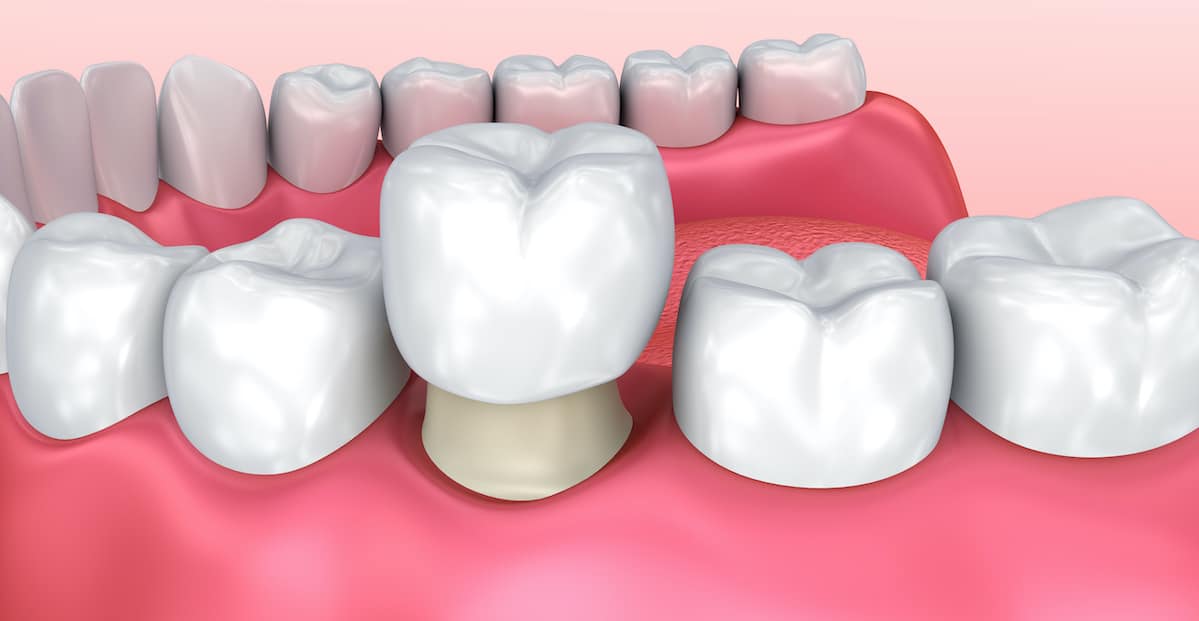
NHS dental crowns are caps placed over damaged or decayed teeth to restore their shape, size, strength, and appearance. Crowns protect the remaining tooth structure and improve the tooth’s function. The NHS generally provides crowns that are clinically necessary to maintain or restore oral health, not for purely cosmetic reasons. According to NHS guidelines, crowns are intended to save a tooth and prevent further damage.
Types of NHS dental crowns: materials and options for patients
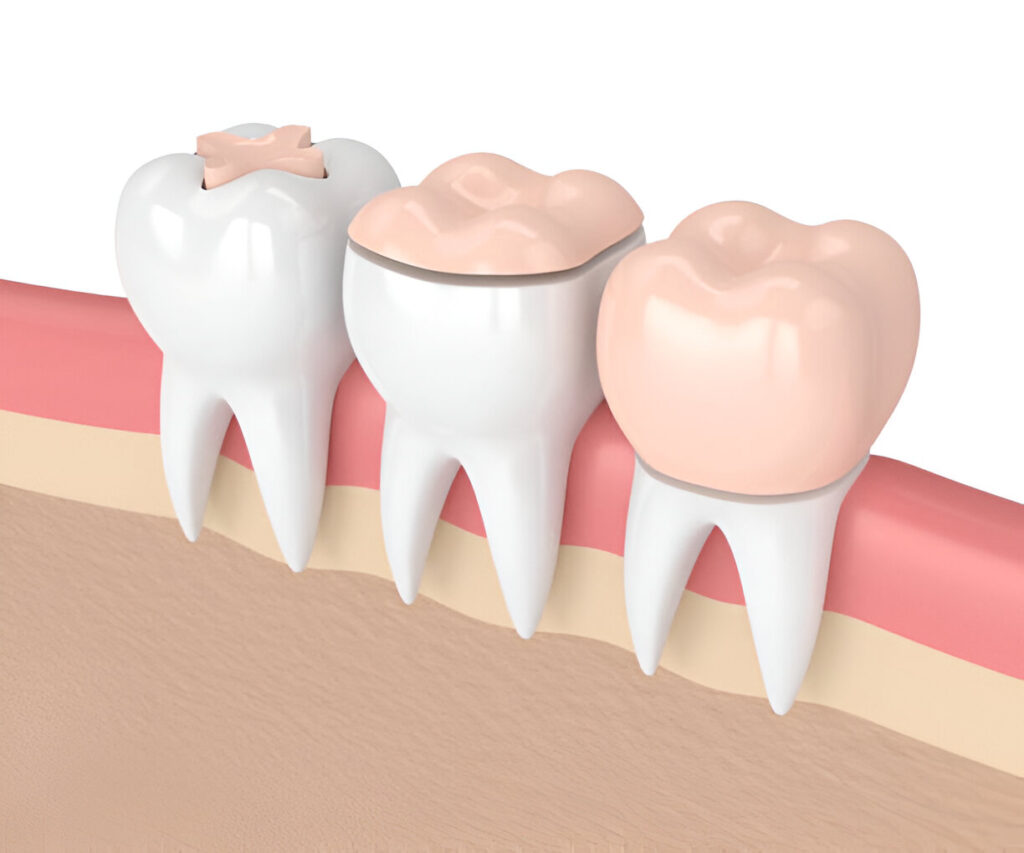
The materials used for types of NHS dental crowns can vary. Typically, you might find:
- Metal Crowns: Often made of non-precious alloys, these are durable and suitable for back teeth.
- Porcelain-fused-to-metal (PFM) Crowns: These offer a blend of strength and aesthetics, with a metal base and a porcelain outer layer.
- Composite Crowns: Made from tooth-colored resin, these are less durable but more aesthetically pleasing than metal crowns.
The specific material used depends on the clinical need and the dentist’s assessment. The choice is often influenced by the tooth’s location and the patient’s medical history.
NHS coverage criteria: When are crowns available on the NHS?
NHS coverage criteria for crowns is primarily based on clinical necessity. Crowns are typically available if:
- The tooth is significantly damaged by decay and cannot be restored with a filling.
- The tooth is cracked or fractured.
- A root canal has been performed, and the tooth needs protection.
- The existing crown is failing and needs replacement.
Cosmetic reasons alone usually do not qualify for NHS coverage. NHS crowns aim to restore functionality and prevent further oral health deterioration.
Eligibility for Crowns on the NHS
Understanding who can access crowns on the NHS is vital for those seeking affordable dental care. The NHS has specific criteria for determining eligibility, and it’s important to know how the assessment process works. For those who may not qualify or are looking for alternative options, cosmetic dentistry in albania might be a viable solution.
Who can access NHS dental crowns?
Generally, anyone who is a UK resident can access NHS dental services, including the assessment for a crown. However, receiving a crown on the NHS depends on meeting the clinical criteria. NHS dentist eligibility is determined by the dentist’s assessment of your oral health needs. Factors such as the severity of tooth damage, the risk of further deterioration, and the impact on overall dental health are considered.
How does NHS dentist assessment work?
The NHS dentist assessment involves a thorough examination of your teeth and gums. The dentist will use X-rays and other diagnostic tools to evaluate the extent of the damage and determine the most appropriate treatment. According to the British Dental Association, dentists must follow guidelines that prioritize clinically necessary treatments. The assessment will determine if a crown is the best option to save the tooth and prevent further issues.
NHS dental treatment bands explained (focus on crowns band)
NHS dental charges bands determine how much you will pay for your treatment. Crowns usually fall under Band 3, which includes more complex procedures. As of 2024, Band 3 treatments cost £319.10 in England. This charge covers the crown itself, as well as any necessary examinations, X-rays, and other related procedures. It’s worth noting that these costs are subject to change, so checking the latest NHS guidelines is advisable.
NHS vs private dentist criteria for crowns
The criteria for providing crowns differ between NHS and private dentists. NHS vs private dentist criteria prioritize clinical need, meaning treatments are focused on restoring function and preventing further damage. Private dentists, on the other hand, may offer crowns for cosmetic reasons, such as improving the appearance of teeth. Private practices often provide a wider range of materials and aesthetic options, but at a higher cost. For instance, if you’re considering dental crowns in albania you’ll find a broader range of materials at prices significantly lower than those in the UK.
Cost of Crowns on the NHS
Understanding the expenses associated with dental treatments is essential for financial planning. Exploring the cost of crowns on NHS versus private options allows patients to make informed decisions.
NHS dental charges bands breakdown
The NHS uses a banding system to determine treatment costs:
- Band 1 (£26.80): Covers examinations, diagnosis, and preventative care.
- Band 2 (£73.50): Includes everything in Band 1, plus additional treatments like fillings and root canal work.
- Band 3 (£319.10): Covers everything in Bands 1 and 2, as well as more complex procedures like crowns, dentures, and bridges.
Crowns typically fall under Band 3. It’s important to note that these charges apply per course of treatment, not per item.
Cost comparison: NHS crown vs private crown
The cost comparison NHS crown vs private crown can be significant. NHS crowns, under Band 3, cost £319.10. Private crowns can range from £500 to over £1,000 per tooth, depending on the material and the dentist’s expertise. For example, a porcelain crown might cost £800 privately, while a zirconia crown could exceed £1,000. In comparison, exploring options such as dental tourism in albania could provide crowns at a much lower cost, with comparable quality.
Are there exemptions or reductions for NHS treatments?
Some individuals are eligible for exemptions or reductions in NHS dental charges. You may be exempt if you:
- Are under 18, or under 19 and in full-time education.
- Are pregnant or have had a baby in the past 12 months.
- Receive certain benefits, such as Income Support, Universal Credit, or Pension Credit Guarantee Credit.
- Have a valid HC2 certificate.
Those with an HC3 certificate may also receive partial help with costs. Checking your eligibility can significantly reduce your expenses.
How to Apply for a Crown on the NHS
The process of getting a crown on the NHS involves several steps, from finding an NHS dentist to the actual fitting. Understanding this process can help you navigate the system more effectively. If you’re considering alternatives due to waiting times or costs, options like getting a dental clinic in albania might be worth exploring.
Finding an NHS dentist
To start, you’ll need to find a dentist who accepts NHS patients. You can do this by:
- Checking the NHS website.
- Contacting NHS England directly.
- Asking friends or family for recommendations.
Availability can vary, so it’s best to check with the practice to ensure they are currently accepting new NHS patients. According to a report by the Nuffield Trust, access to NHS dentistry has become increasingly challenging in recent years, making it even more important to research and contact practices directly.
Application and assessment process
Once you find an NHS dentist, you’ll need to book an appointment for an assessment. During the assessment, the dentist will examine your teeth and gums to determine if a crown is necessary. They may take X-rays and discuss your treatment options. If a crown is deemed appropriate, the dentist will explain the procedure, materials, and associated costs.
What to expect at your NHS dental appointment
At your NHS dental appointment, expect the following:
- Initial Examination: The dentist will assess your oral health and determine if a crown is needed.
- Preparation: If a crown is necessary, the dentist will prepare the tooth by removing any decay and shaping it to fit the crown.
- Impressions: An impression of your tooth will be taken to create a custom-made crown.
- Temporary Crown: A temporary crown may be placed to protect the tooth while the permanent crown is being made.
- Fitting: Once the permanent crown is ready, you’ll return to have it fitted and cemented in place.
The entire process typically requires multiple visits over a few weeks.
NHS Crowns vs Private Crowns
When deciding on dental crowns, understanding the differences between NHS and private options is important. Factors such as material quality, waiting times, and costs can influence your choice. Some people consider high-quality, affordable options by exploring dental tourism in albania.
Materials and quality comparison
NHS crowns vs private crowns differ significantly in materials and quality. NHS crowns often use metal or porcelain-fused-to-metal, prioritizing durability and cost-effectiveness. Private crowns may offer a wider range of materials, including:
- All-Ceramic Crowns: These provide the most natural appearance.
- Zirconia Crowns: Known for their strength and aesthetic appeal.
- E-max Crowns: Offer a good balance of strength and aesthetics.
Private options generally offer better aesthetics and a more customized fit, enhancing the overall quality and appearance.
Waiting times and availability
NHS dental waiting times can be a significant factor. Due to high demand, it may take several weeks or even months to get an appointment for a crown. Private dentists typically offer shorter waiting times and more flexible scheduling. A survey by Healthwatch England found that many people struggle to access timely NHS dental care, leading some to seek private alternatives.
Pros and cons for patients
Weighing the pros and cons of NHS and private crowns can help you make an informed decision:
NHS Crowns
- Pros: Lower cost, clinically necessary treatments covered.
- Cons: Limited material choices, longer waiting times.
Private Crowns
- Pros: Wider range of materials, shorter waiting times, cosmetic options available.
- Cons: Higher cost, may not be affordable for everyone.
For some, the cost savings of NHS treatment outweigh the limitations, while others prefer the benefits of private care.
Frequently Asked Questions (FAQ)
Addressing common queries can provide clarity and help you make informed decisions about your dental care. Below are some frequently asked questions about getting crowns on the NHS.
Can I choose the type of crown I get on the NHS?
On the NHS, the choice of crown material is typically based on clinical need and the dentist’s assessment. While you can discuss your preferences, the final decision rests with the dentist, who will prioritize the most suitable option for restoring function and durability. Dental tourism in albania offers a wider selection of crown materials at competitive prices for those seeking more options.
Are all dental problems eligible for NHS crowns?
No, not all dental problems qualify for NHS crowns. The NHS primarily provides crowns for clinically necessary treatments, such as teeth severely damaged by decay, fractures, or following a root canal. Cosmetic issues, such as minor imperfections or discoloration, typically do not qualify for NHS coverage.
How long does it take to get a crown on the NHS?
NHS dental waiting times for crowns can vary depending on the demand and the availability of appointments. It may take several weeks or even months to schedule an initial consultation and complete the crown procedure. Private practices usually offer quicker appointments and shorter waiting times for those needing immediate treatment.
What if my application for an NHS crown is declined?
If your application for an NHS crown is declined, you have several options:
- Appeal the decision: You can ask for a second opinion or appeal the dentist’s assessment.
- Seek private treatment: You can opt for a private dentist who may offer more flexible treatment options.
- Consider alternative solutions: Discuss other treatments, such as fillings or veneers, with your dentist.
Additionally, exploring dental tourism options, like those offered by Albania Dental Implants, can provide affordable alternatives without compromising quality.
Is emergency dental care for crowns available on the NHS?
Emergency dental care on NHS is available for urgent dental problems, such as severe pain, infection, or trauma. If a crown is causing significant pain or has fallen out, you can seek emergency treatment. However, the emergency dentist will primarily focus on alleviating the immediate issue, and follow-up treatment may still require a regular appointment.
Will my NHS dentist explain alternative treatments before providing a crown?
Yes, your NHS dentist is required to explain alternative treatments before providing a crown. This ensures you are fully informed about your options and can make an informed decision. According to the General Dental Council, dentists must provide clear and comprehensive information about all available treatments, including their benefits, risks, and costs.
Can I switch from NHS to private for my crown?
Yes, you can switch from NHS to private treatment for your crown. You can start treatment on the NHS and then transfer to a private dentist at any time. However, you will be responsible for the private dentist’s fees, even if some of the initial work was done on the NHS.
Considering Dental Tourism in Albania
For UK residents seeking affordable and high-quality dental care, dental tourism in Albania presents an appealing alternative. Albania Dental Implants offers a range of services, including crown placement, at significantly lower costs compared to the UK. Here’s why you might consider this option:
- Cost Savings: Dental treatments in Albania are typically much cheaper than in the UK, allowing you to save a substantial amount on crowns and other procedures.
- High-Quality Care: Albania Dental Implants uses modern technology and adheres to international standards, ensuring you receive top-notch care.
- Reduced Waiting Times: You can avoid long NHS waiting lists and schedule your treatment at your convenience.
- Comprehensive Services: From initial consultation to post-operative care, Albania Dental Implants offers a full suite of services to meet your dental needs.
Conclusion and Call-to-Action
While accessing dental crowns on the NHS is possible, it comes with specific eligibility criteria, limited material options, and potential waiting times. Understanding your options, including private care and dental tourism in Albania, can empower you to make the best decision for your oral health and budget.
Are you ready to explore affordable, high-quality dental care options? Contact Albania Dental Implants today to learn more about our services and how we can help you achieve a healthy, confident smile without breaking the bank. Contact Albania Dental Implants for a free consultation and take the first step towards your new smile!